
Ohara Itinerary: an Ideal Countryside Retreat from Kyoto
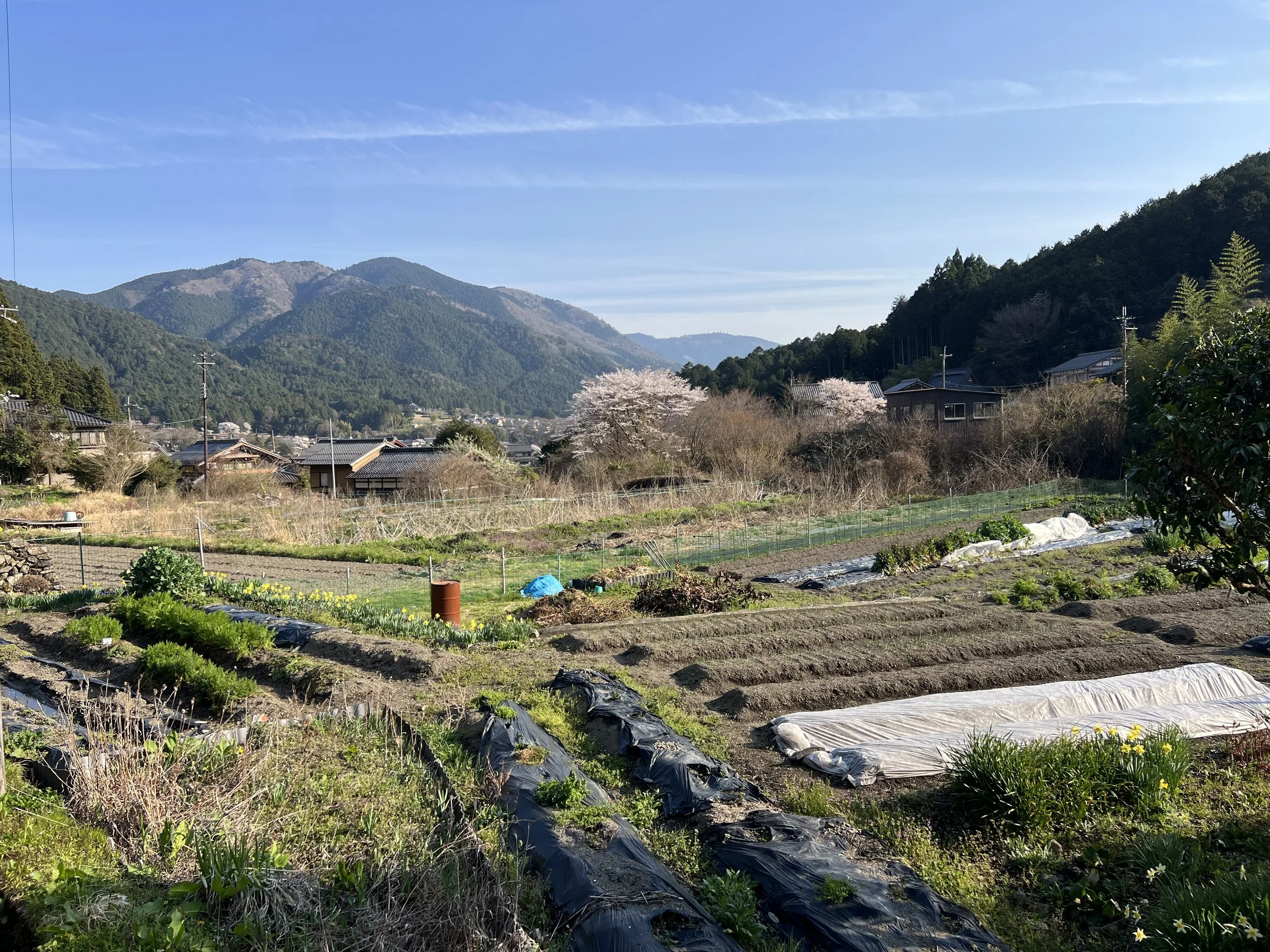
Let me share with you one of my newest discoveries from my recent trip in Japan to the Kansai region: Ohara (大原). I completely fell under the spell of this small rural town in the mountains of northern Kyoto. Especially after spending a few days in bustling Kyoto and its big crowds, visiting this peaceful town and staying overnight in a traditional hotel felt so nice and refreshing. I think Ohara can definitely be a great addition to your Kyoto itinerary, either as a day trip or as an overnight trip to soak in the authentic countryside atmosphere and get away from Kyoto’s crowds.
In this guide, I’ll share with you all my recommendations based on my recent stay in Ohara, from best things to do, to where to stay and other travel tips.
How to Get to Ohara
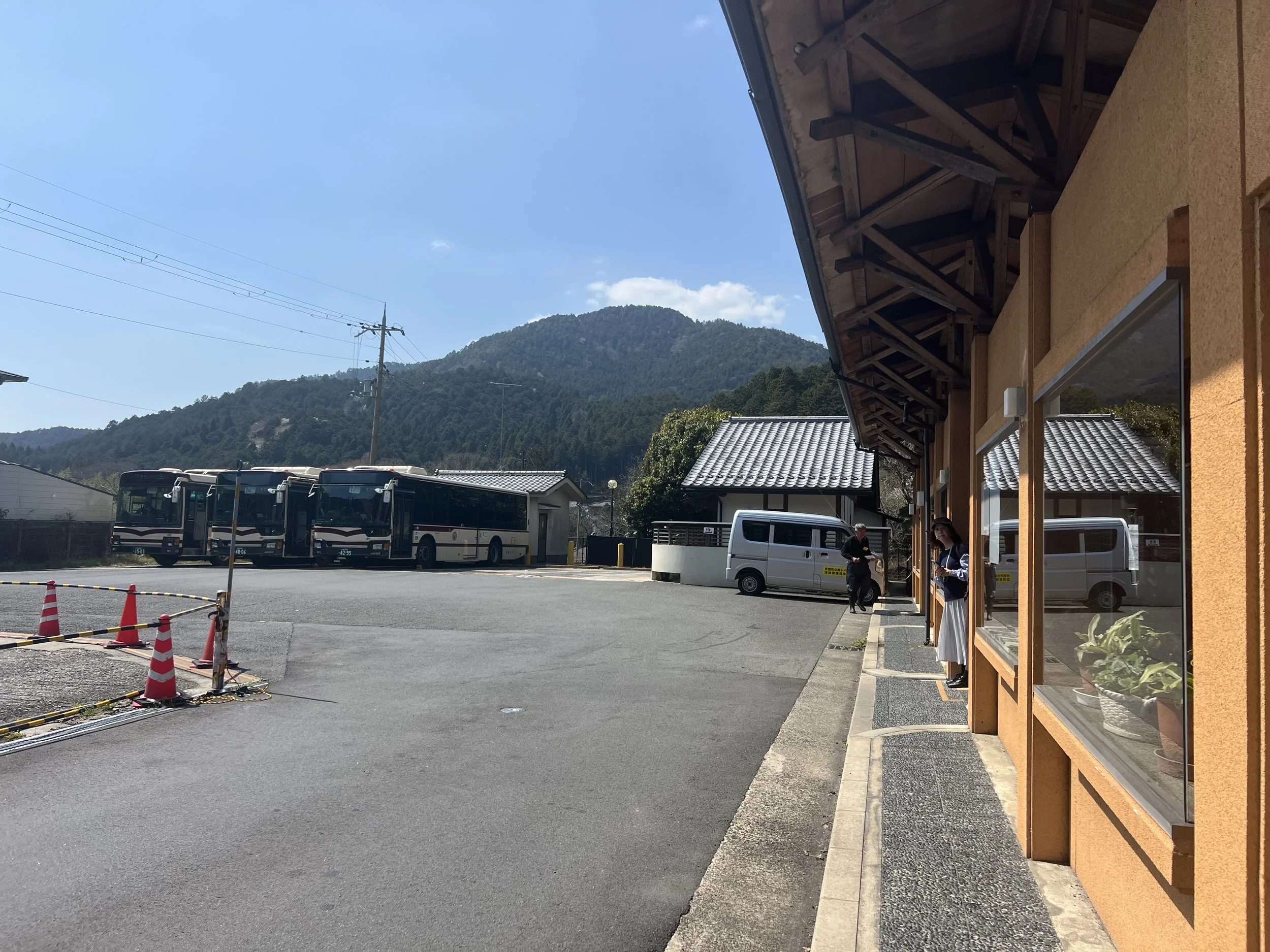
Ohara is easily accessible from central Kyoto via local trains and buses in around 1 hour.
One option is to take the Karasuma Subway Line to its terminal station Kokusaikaikan and then Kyoto Bus n°16 or n°19 to Ohara (50 minutes, ¥690, every 20-30 minutes). Alternatively, Kyoto Bus n°17 provides a direct connection from Kyoto Station to Ohara (70 minutes, ¥630, every 30-40 minutes) via Shijo-Kawaramachi and Demachiyanagi. In any case, you will stop at the bus terminal: Ohara bus station.
I enjoyed the bus ride itself a lot and found it very scenic, as the bus follows the river and passes through small towns, gradually ascending into the mountains as you approach Ohara. I visited in early April and there were many cherry blossom trees along the way. It was a real treat!
Best Things to Do in Ohara
Explore the Town and Check Out the Shops for Local Souvenirs
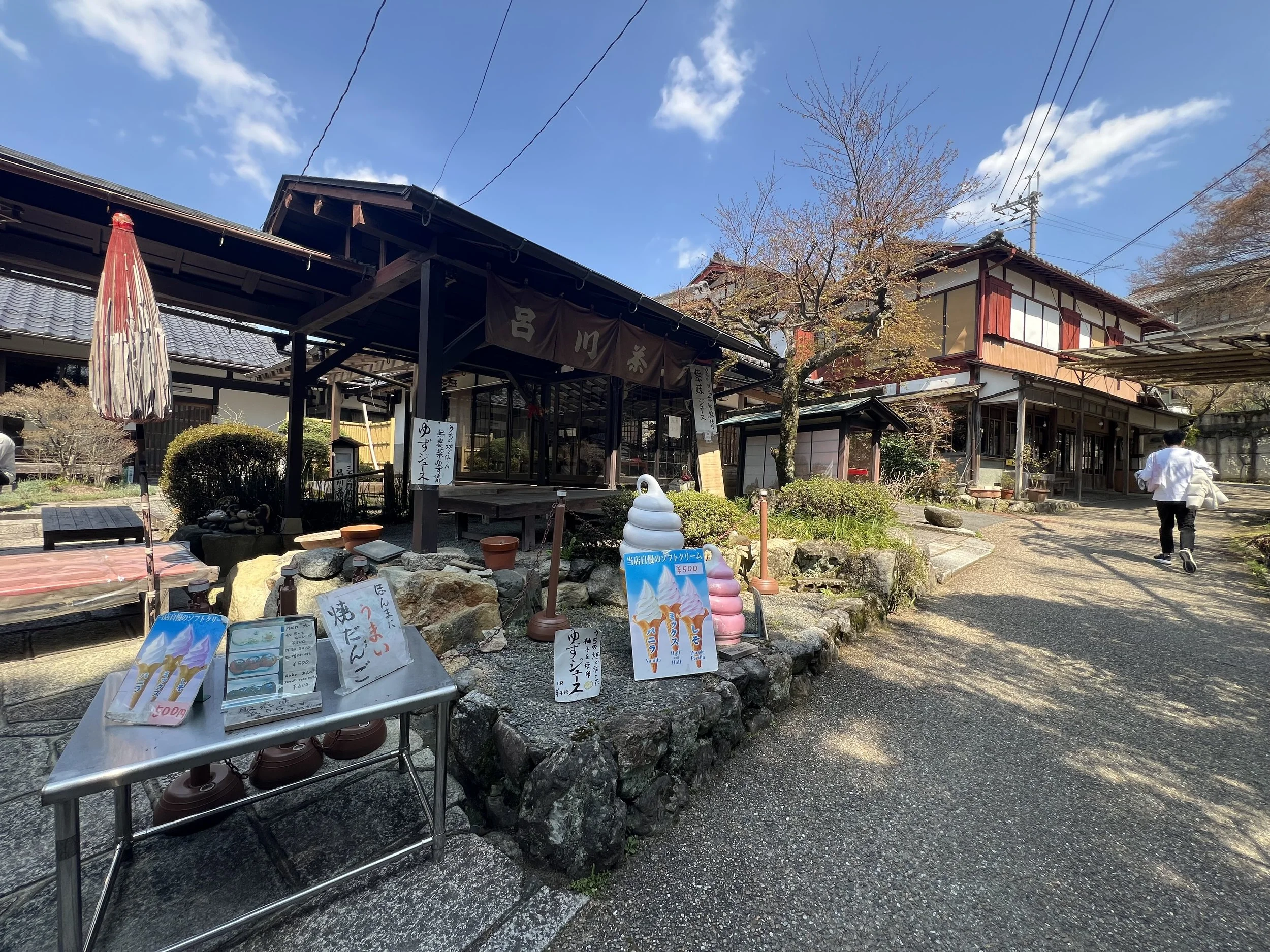
From Ohara bus station, you can cross the main road at the traffic signal and head in the direction of Ohara’s main temples. The walk is very enjoyable, as you follow a lovely path going upward alongside the Ryogawa river, passing by several small shops and souvenir boutiques. I bought unique souvenirs that I hadn't found anywhere else, and you can also taste and buy food products like tsukemono (pickled vegetables), which are famous in the area. You will also find several cafes and restaurants along the main walkway, where you can have a lunch break before or after visiting the temples.
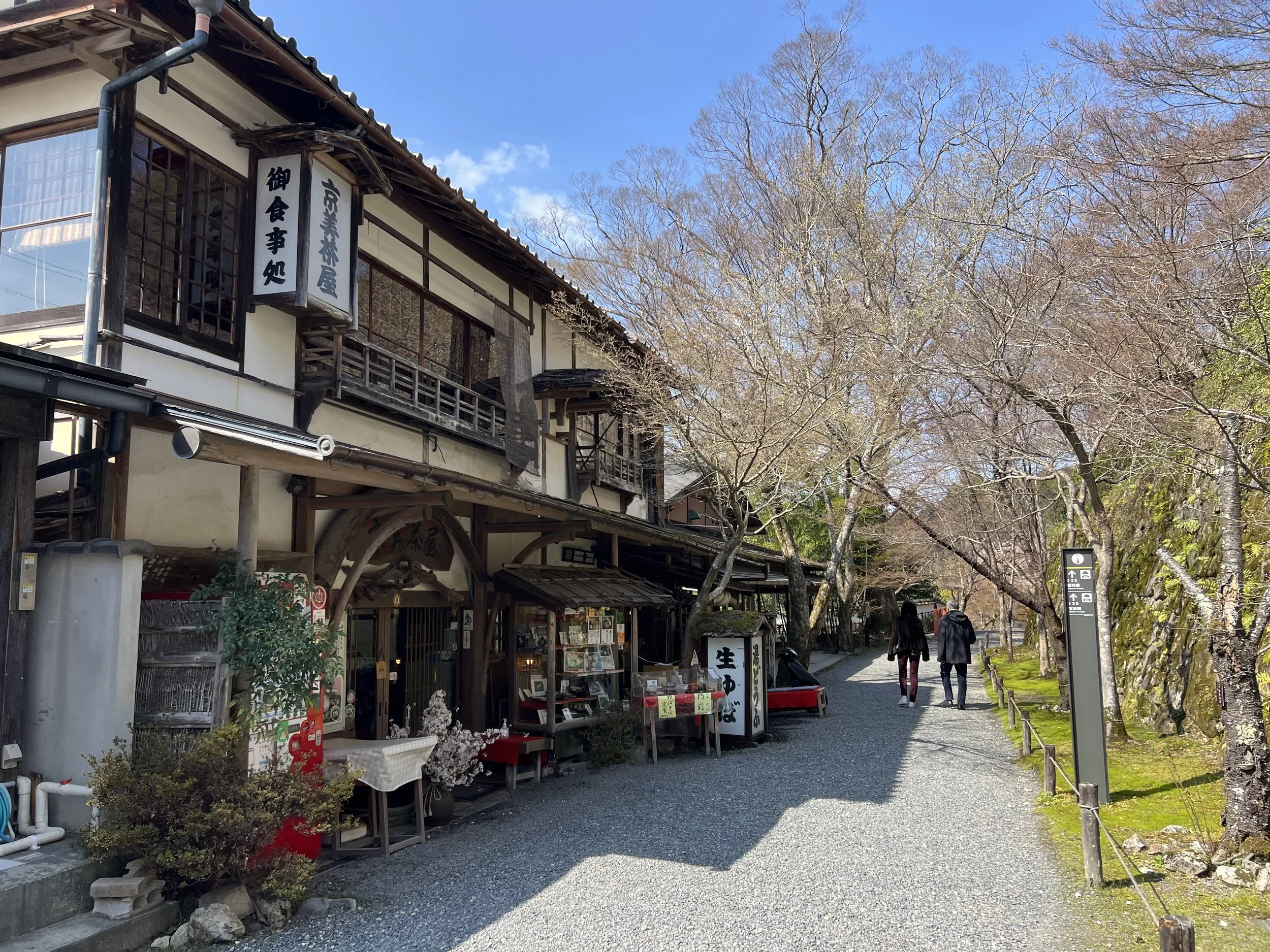
Explore Ohara’s Temples
As a temple lover, I had such a fantastic time visiting Ohara’s Buddhist temples. I wanted to explore as many as possible and loved discovering the unique features of each one, not forgetting to collect goshuin (you can check out my guide on goshuin if you don’t know what they are).
Explore Sanzen-in, Ohara’s Main Temple Complex
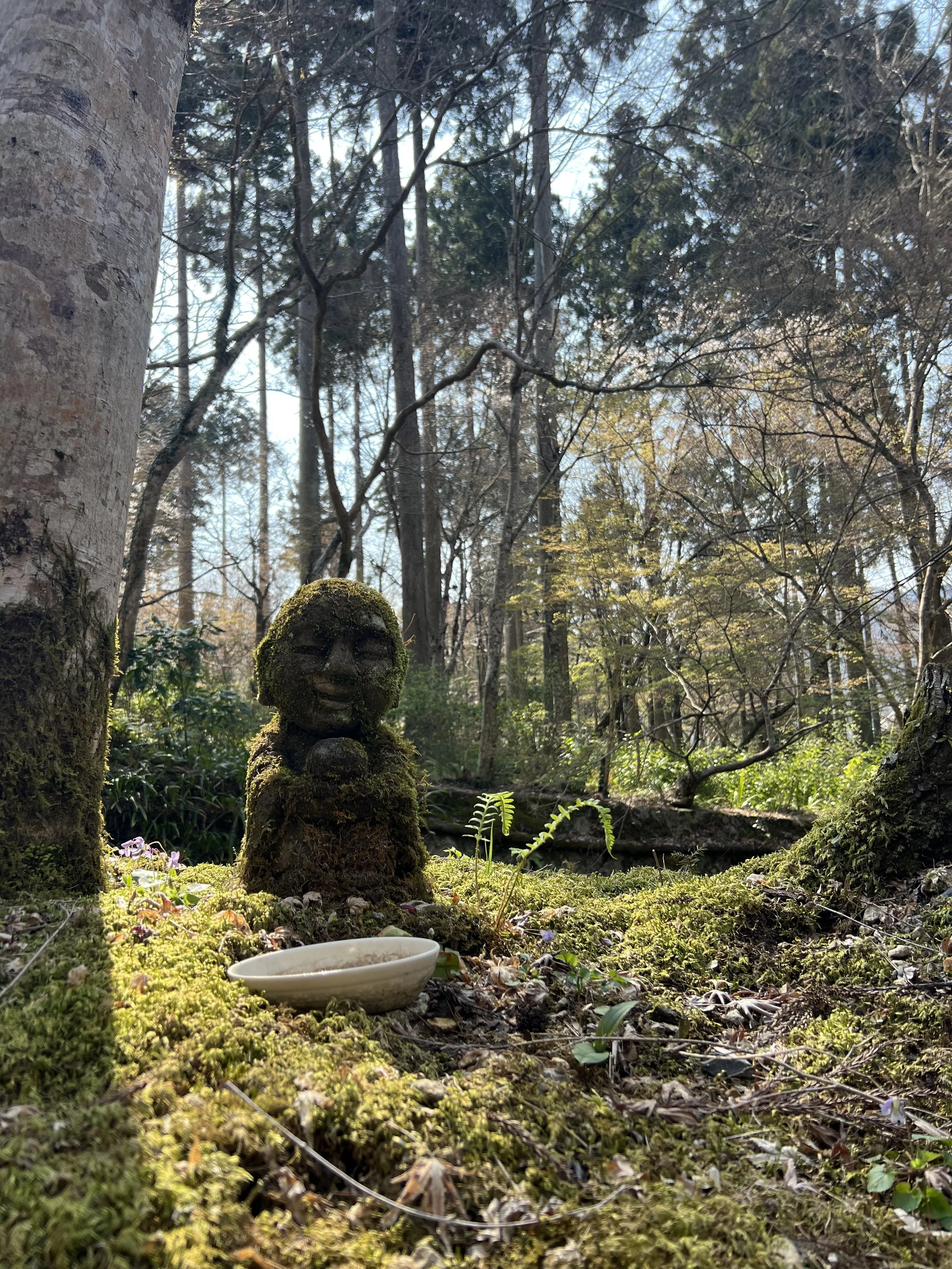
Statues of Warabe-jizo in Sanzen-in temple
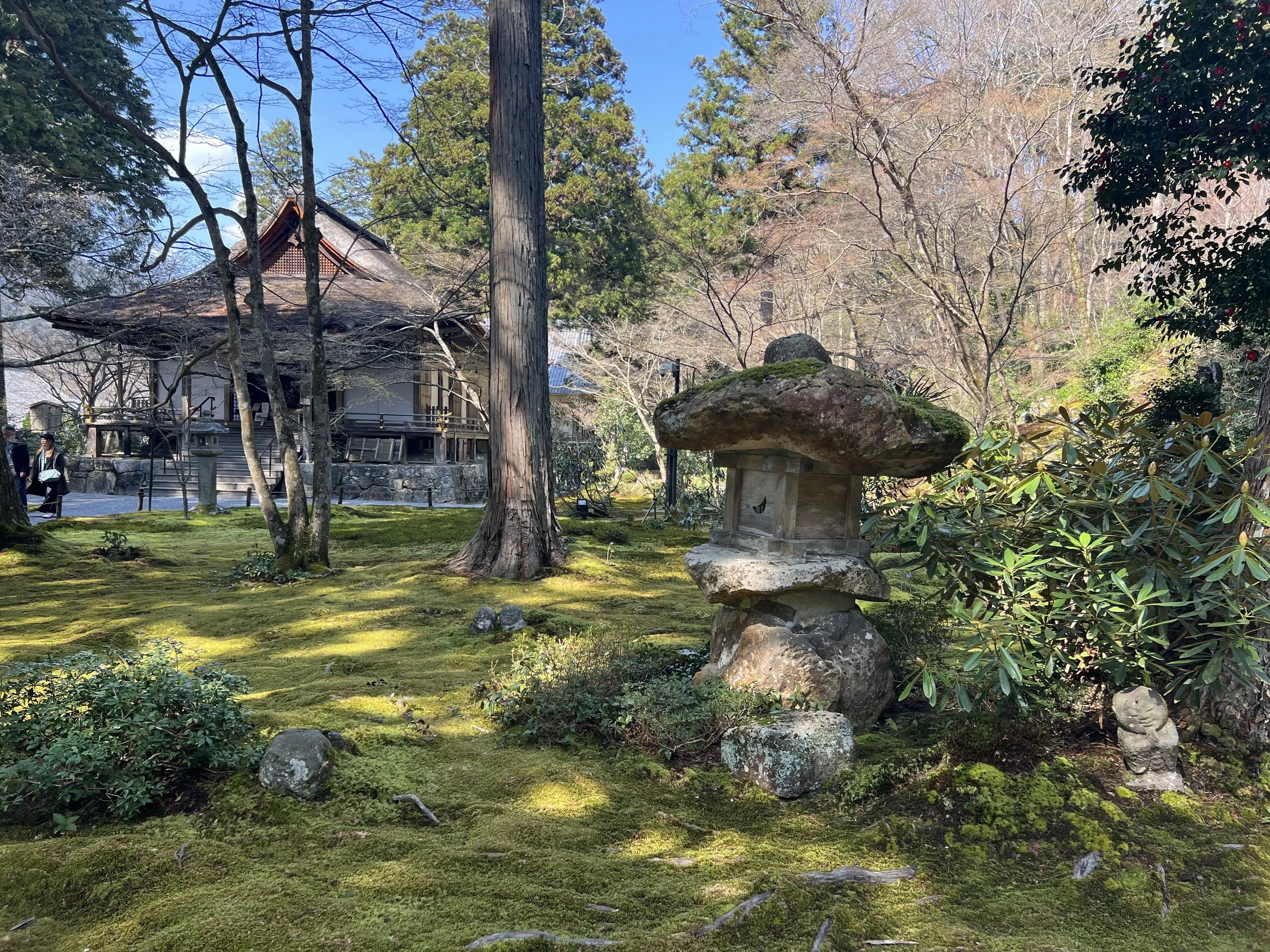
Sanzen-in Temple (三千院) is the most famous temple in Ohara and a must-see. The temple was founded over 1200 years ago, in 804, by the monk Saicho who introduced Tendai Buddhism to Japan. It is renowned for its beautiful moss gardens, charming Jizo statues and seasonal colors. The temple is especially popular in autumn for its vibrant foliage (reaching its peak between mid- and late November), but is also very beautiful throughout the rest of the year. You can admire cherry blossoms and azaleas in spring, hydrangeas and lush vegetation in summer, or, with a bit of luck, see the garden covered in snow in winter. A teahouse, located by the Konjiki Fudo-do Hall, offers a relaxing place where you can enjoy a complimentary cup of tea and purchase local green tea.
It took me over an hour to leisurely explore the vast temple grounds, admiring every detail and enjoying the peaceful atmosphere. This visit was truly enchanting and one of the highlights of my stay in Ohara.
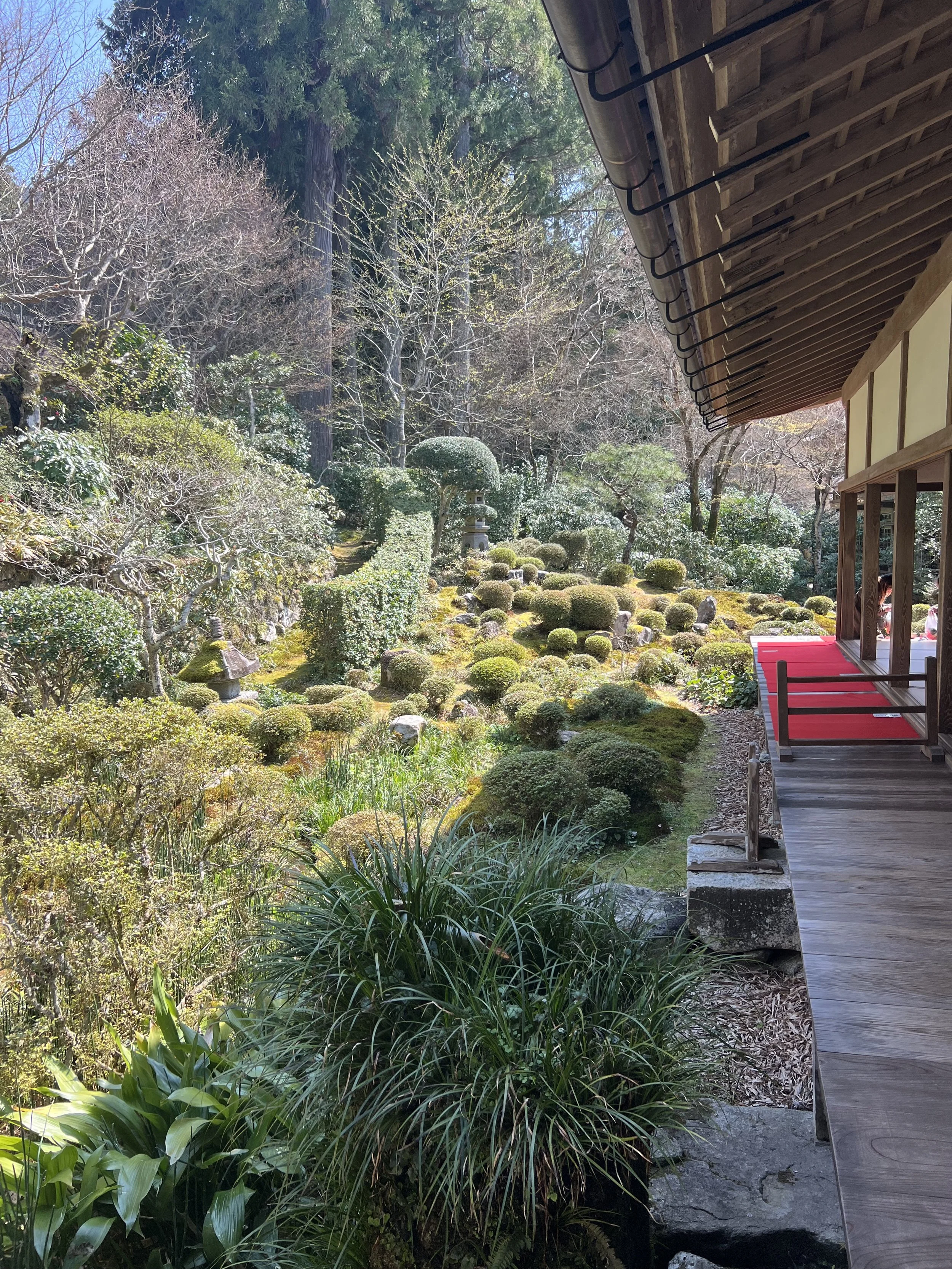
Shuheki-en Garden
🕒 Opening hours:
8:30am to 5pm from March to December 7th
9:00am to 4:30pm from December 7th to February
💴 Entry Price: ¥700 per person
Admire Jikko-in Temple’s Garden
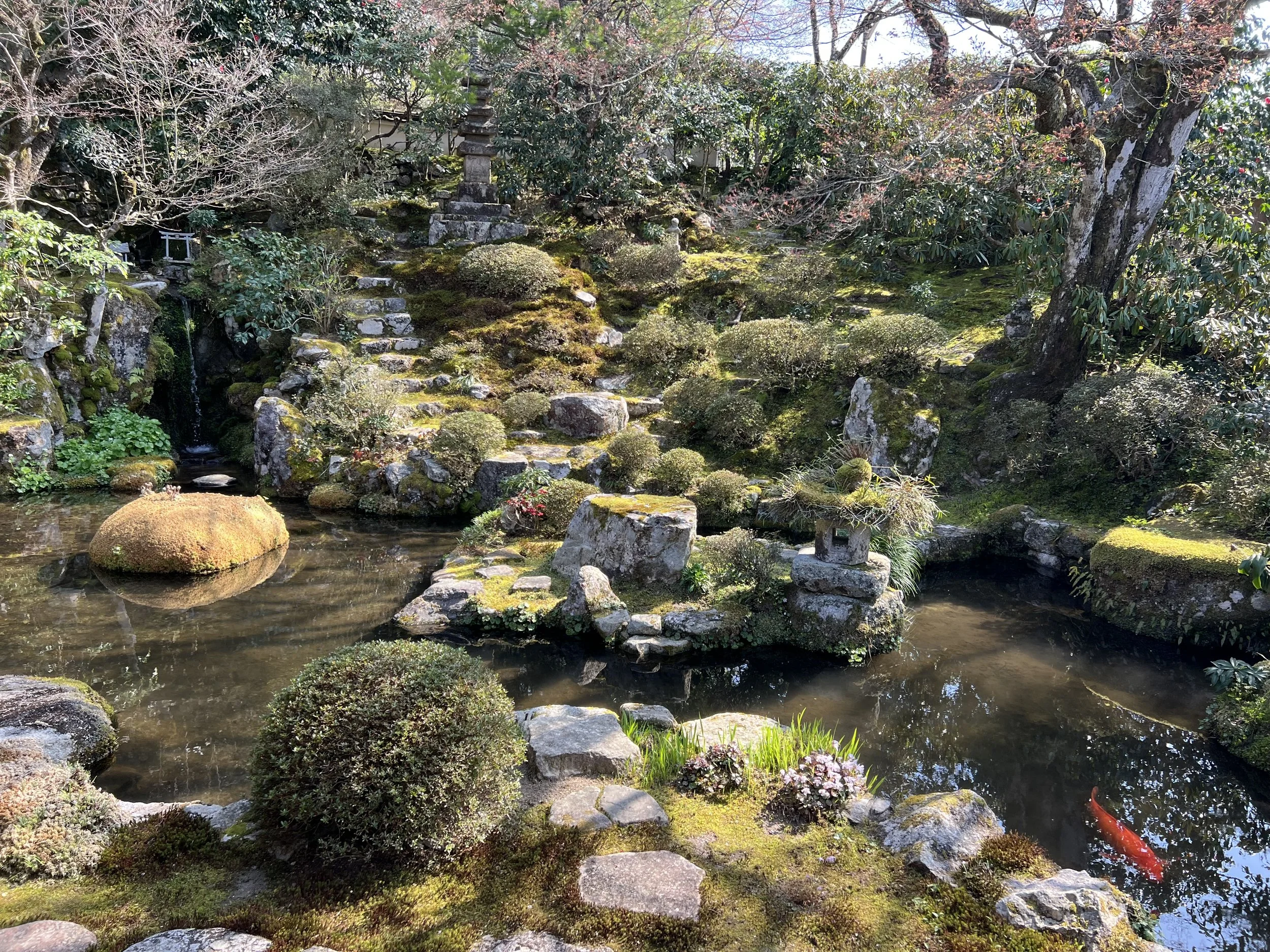
Keishin-en Garden at Jikko-in
Jikko-in Temple (実光院), located next to Sanzen-in and across from the mausoleums of Emperors Gotoba and Juntoku, is a small but charming buddhist temple with a lovely garden worth stopping by.
I was the only visitor when I visited Jikko-in, and could appreciate the splendor of the garden in all its serenity.
You can also enjoy a cup of matcha and a traditional wagashi sweet for a small fee.
🕒 Opening hours: 9:30am to 3:30pm
💴 Entry Price: ¥700 per person with tea and a sweet, or ¥500 without
Enjoy the Beauty and Serenity of Hosen-in Temple
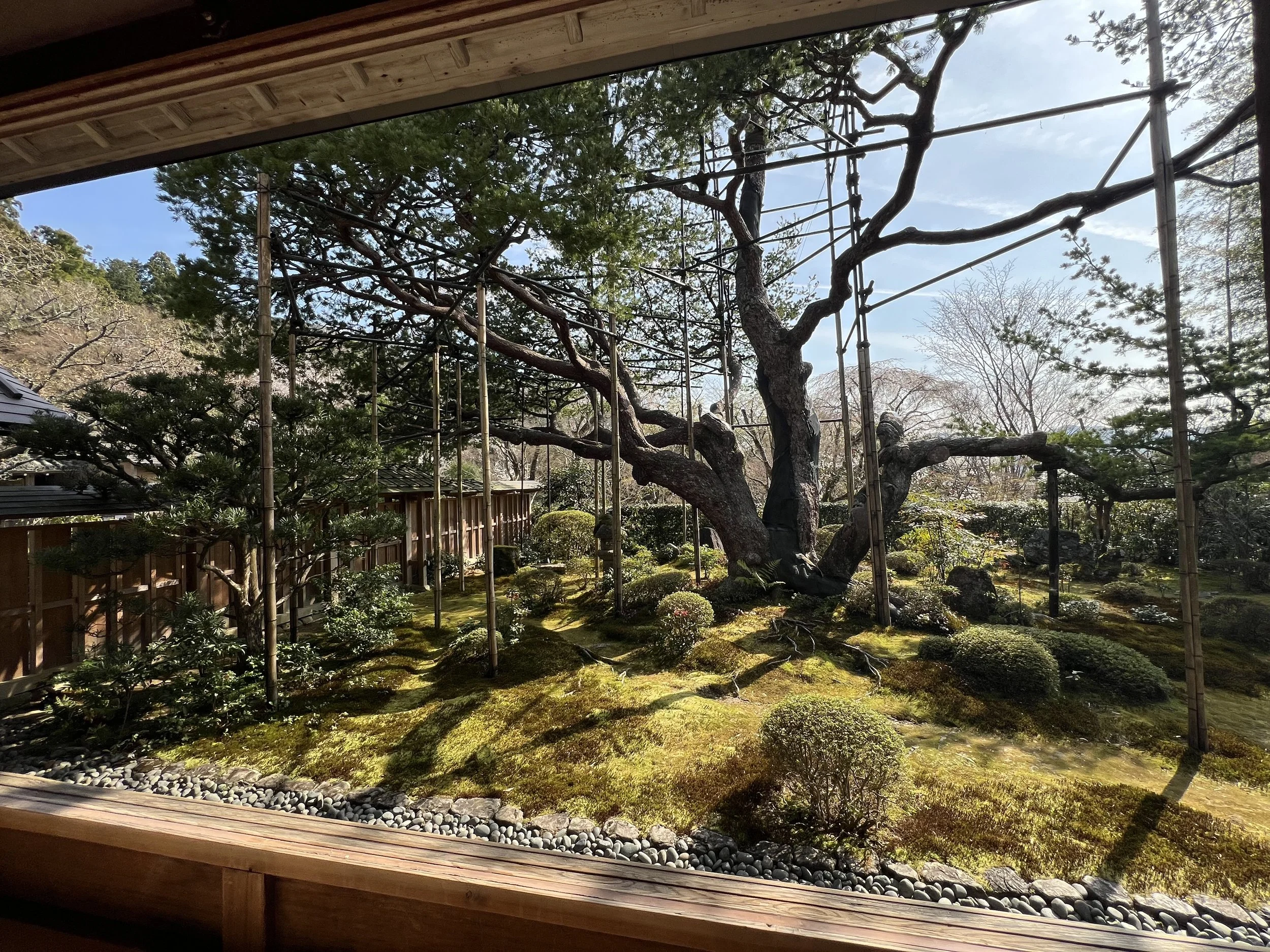
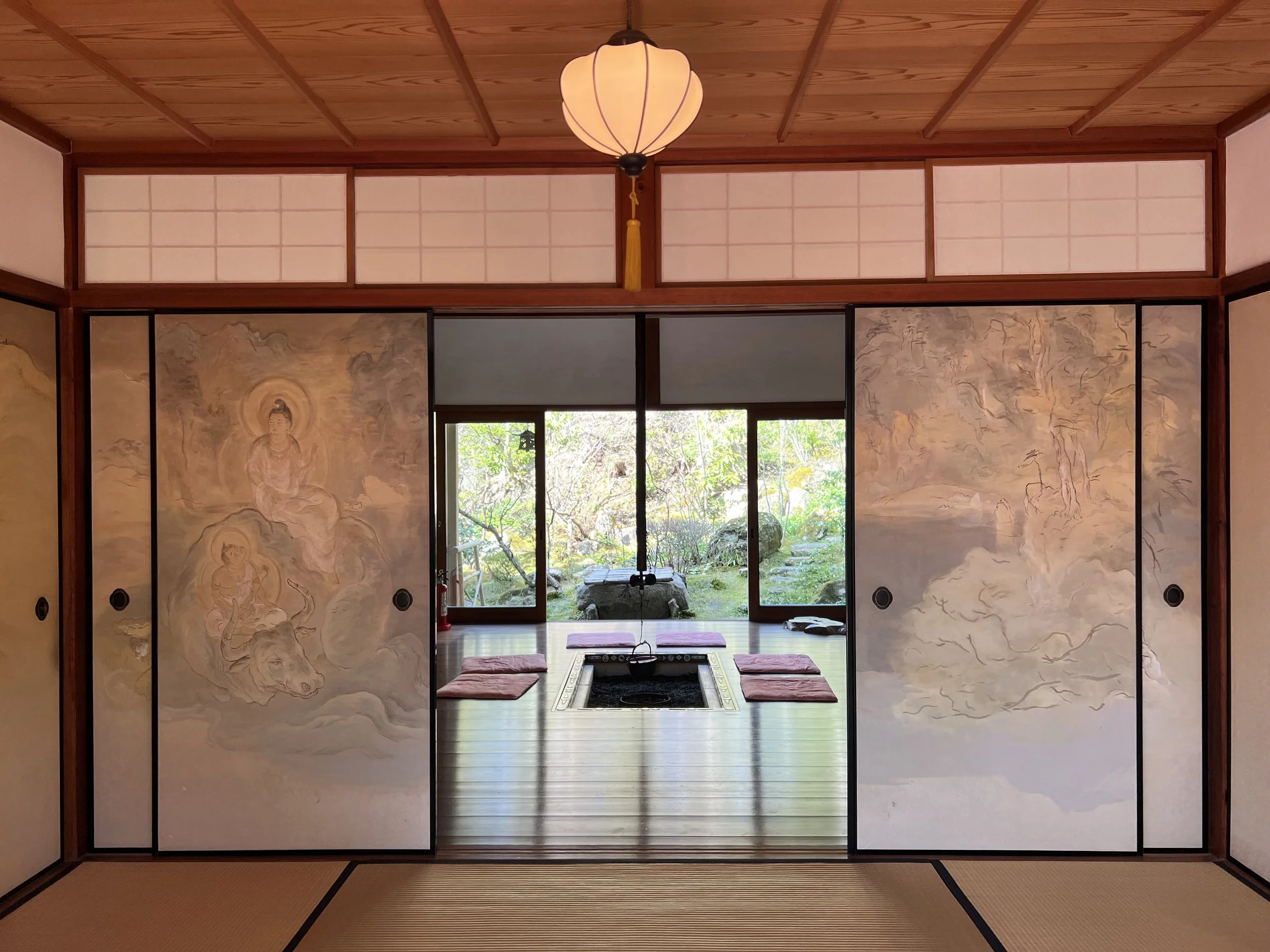
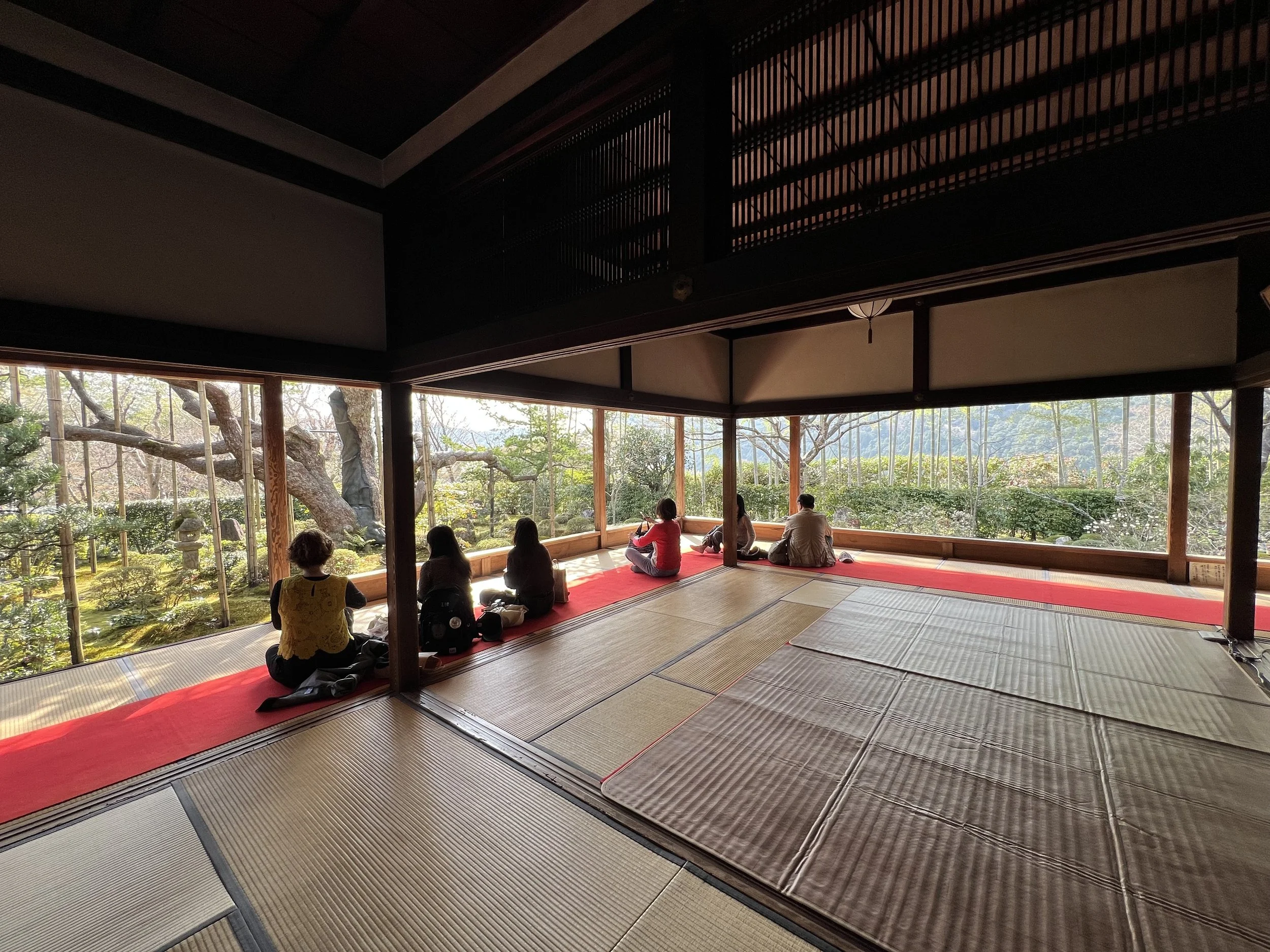
Founded in 1012, Hosen-in Temple (宝泉院) offers the opportunity to sit and enjoy a moment of relaxation while admiring its stunning garden and sipping a cup of matcha. The views of the garden, so perfectly framed by the building’s architecture, evokes a painting, with a majestic 700-year-old pine tree at its center. This place is an invitation to peaceful meditation.
I also recommend a stroll through the Horaku-en garden, near the entrance, which I found particularly beautiful. Hosen-in was my favorite temple of all those I visited in Ohara.
I didn’t know it at the time, but the temple also has a dark history: part of its ceiling is made of blood-stained wooden planks that were that were originally part of the floor of Fushimi Castle, where samurai committed seppuku during the siege of Fushimi Castle in 1600. I’ll check it out next time!
🕒 Opening hours: 9:00am to 5:00pm (last entry at 4:30pm)
💴 Entry Price: ¥1000 per person with tea and a sweet
Admire Shorin-in Temple’s Simple Elegance
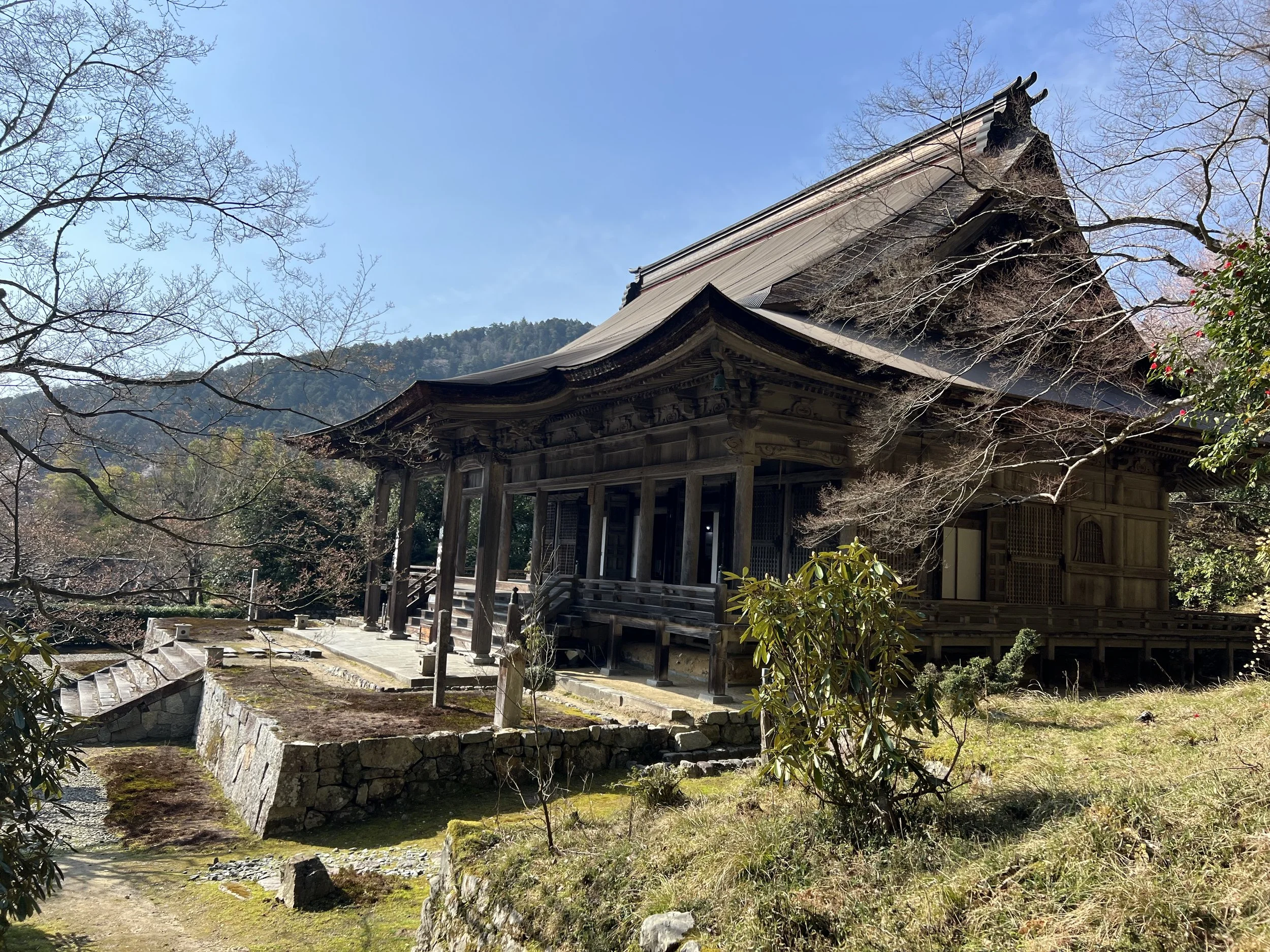
Shorin-in Temple (勝林院) is a small temple that doesn’t take long to visit, but its simplicity is part of its charm. The wood carvings and the golden statue of Amida Buddha in the main hall are spectacular. As with Jikko-in, I was completely alone during my visit, which contributed to the serenity of the place. I highly recommend visiting this temple if you have the time.
🕒 Opening hours: 9:00am to 5:00pm
💴 Entry Price: ¥300 per person (you can also get a combo ticket for both Hosen-in temple and Shorin-in temple)
Go Deeper in the Forest to Raigo-in Temple and Otonashii Waterfall
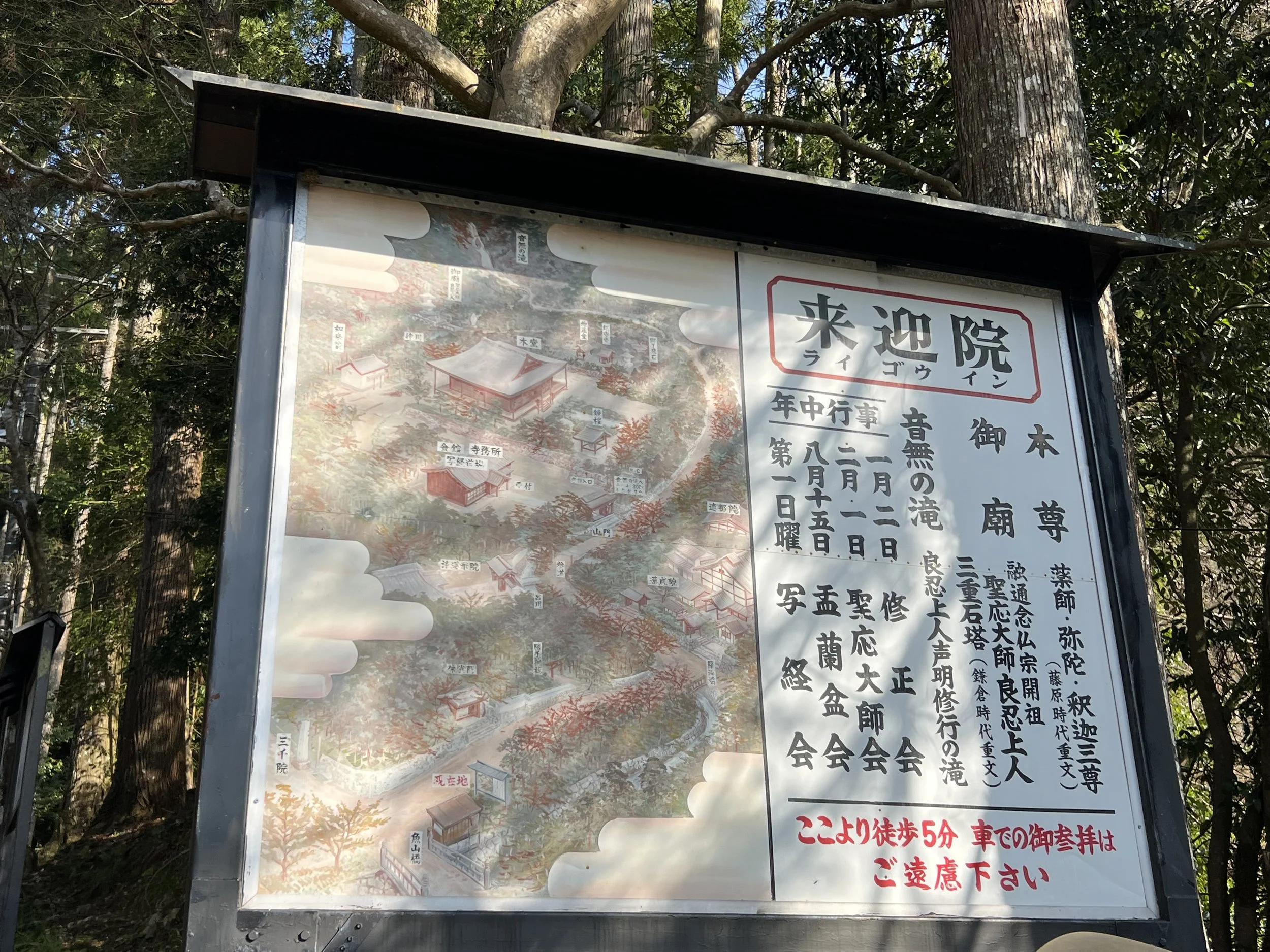
Raigo-in Temple (大原来迎院) and Otonashi waterfall (音無の滝) are two sites a bit further away from the main alleys. Situated on a hill nestled in the woods, they offer a pleasant and short hike: Raigo-in Temple is about a 5-minute walk from Sanzen-in Temple, and Otonashi Waterfall is 15 minutes away.
Unfortunately, due to the temples’ early closing time, I had to choose between visiting these two places or Jakko-in Temple (which I write about in the next section), and decided to skip them this time. But I will definitely go on my next visit to Ohara!
🕒 Opening hours: 9:00am to 4:00pm
💴 Entry Price: ¥400 per person
Take a Peaceful Stroll to Jakko-in Temple
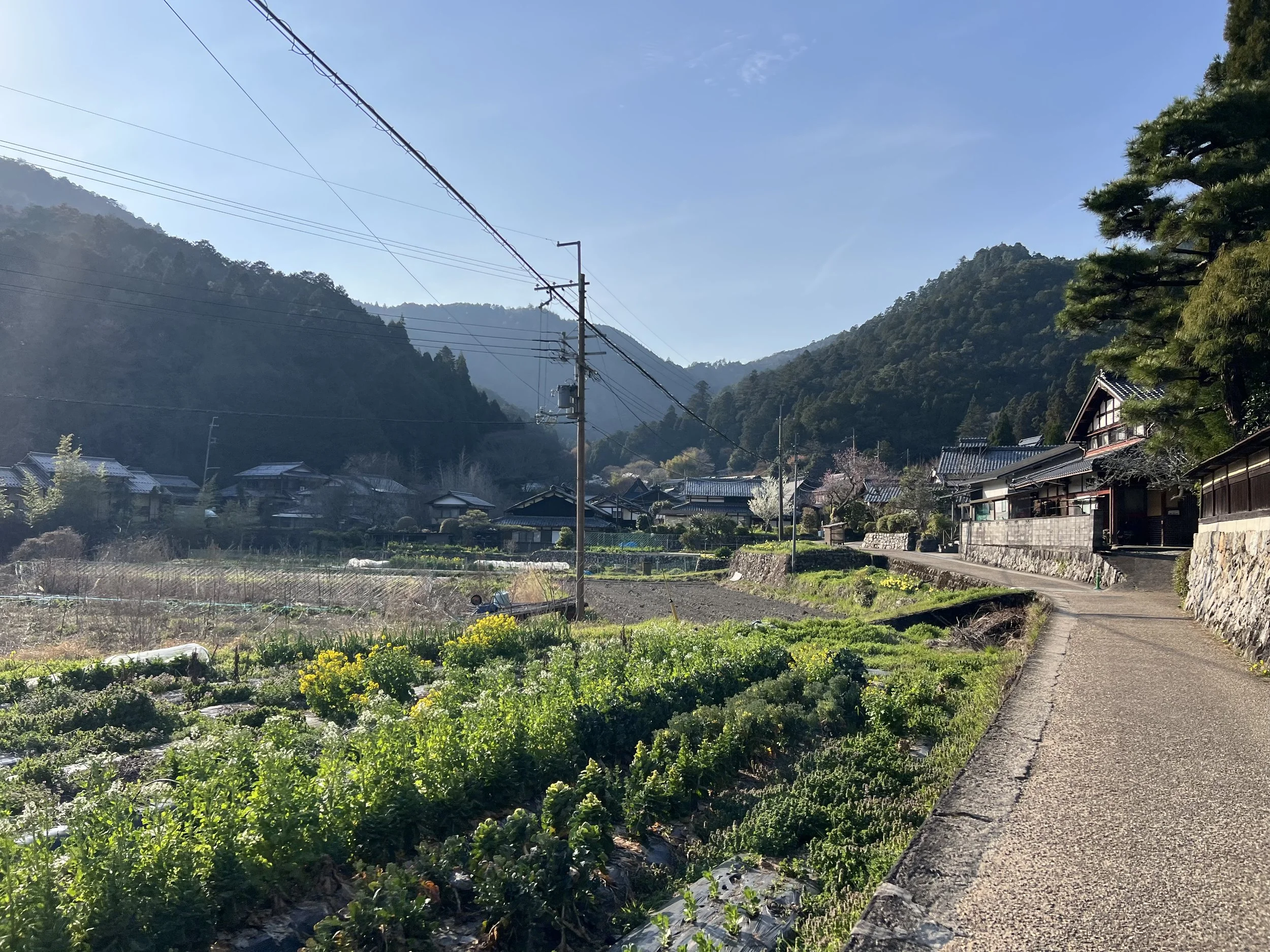
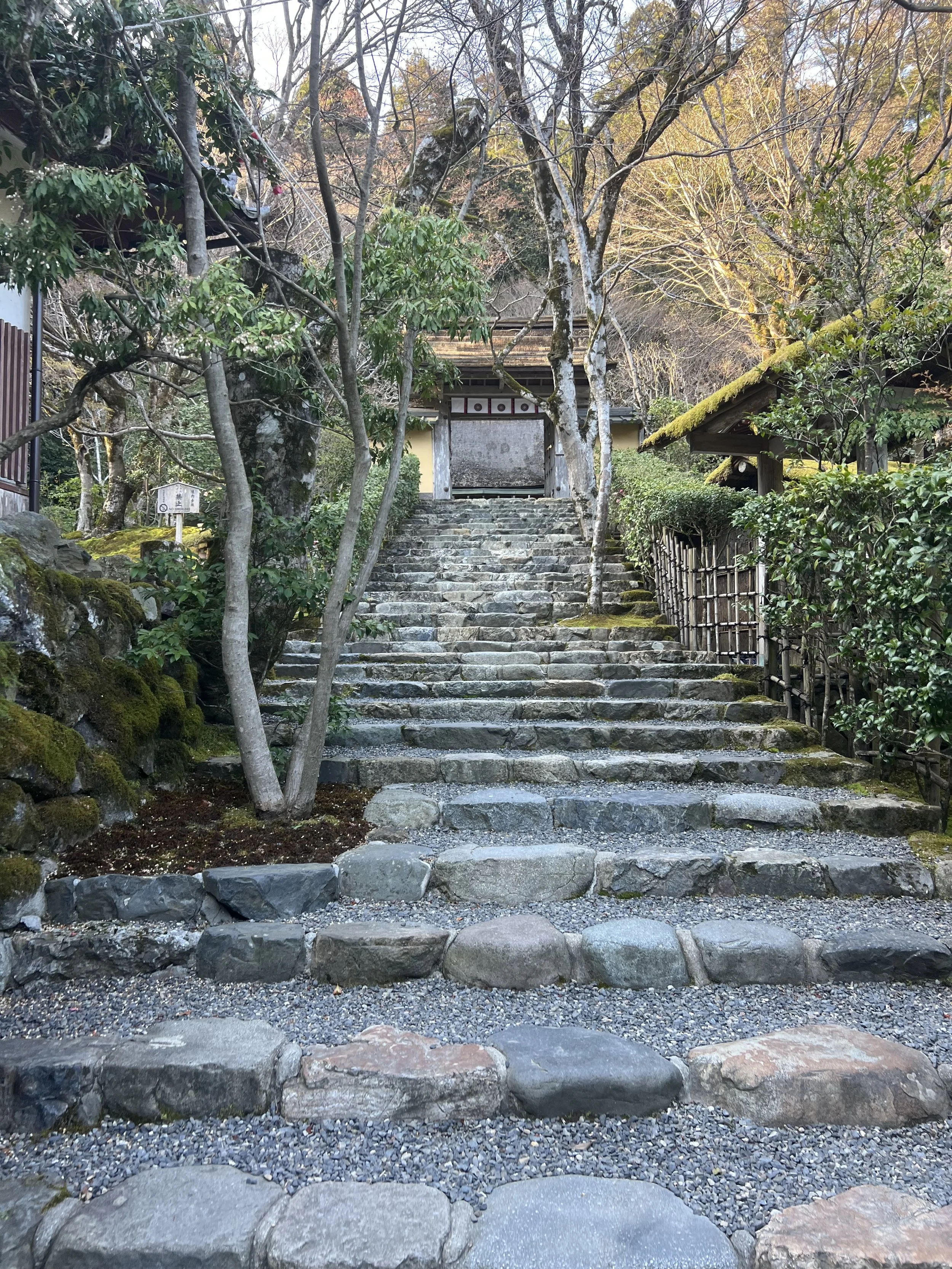
Jakko-in Temple (寂光院) is located at the opposite of Ohara’s main attractions. From the Ohara bus station, you can reach it after a lovely and photogenic 20-minute walk through the Japanese countryside, amidst fields and rural houses. For this peaceful walk alone, I would recommend visiting this temple!
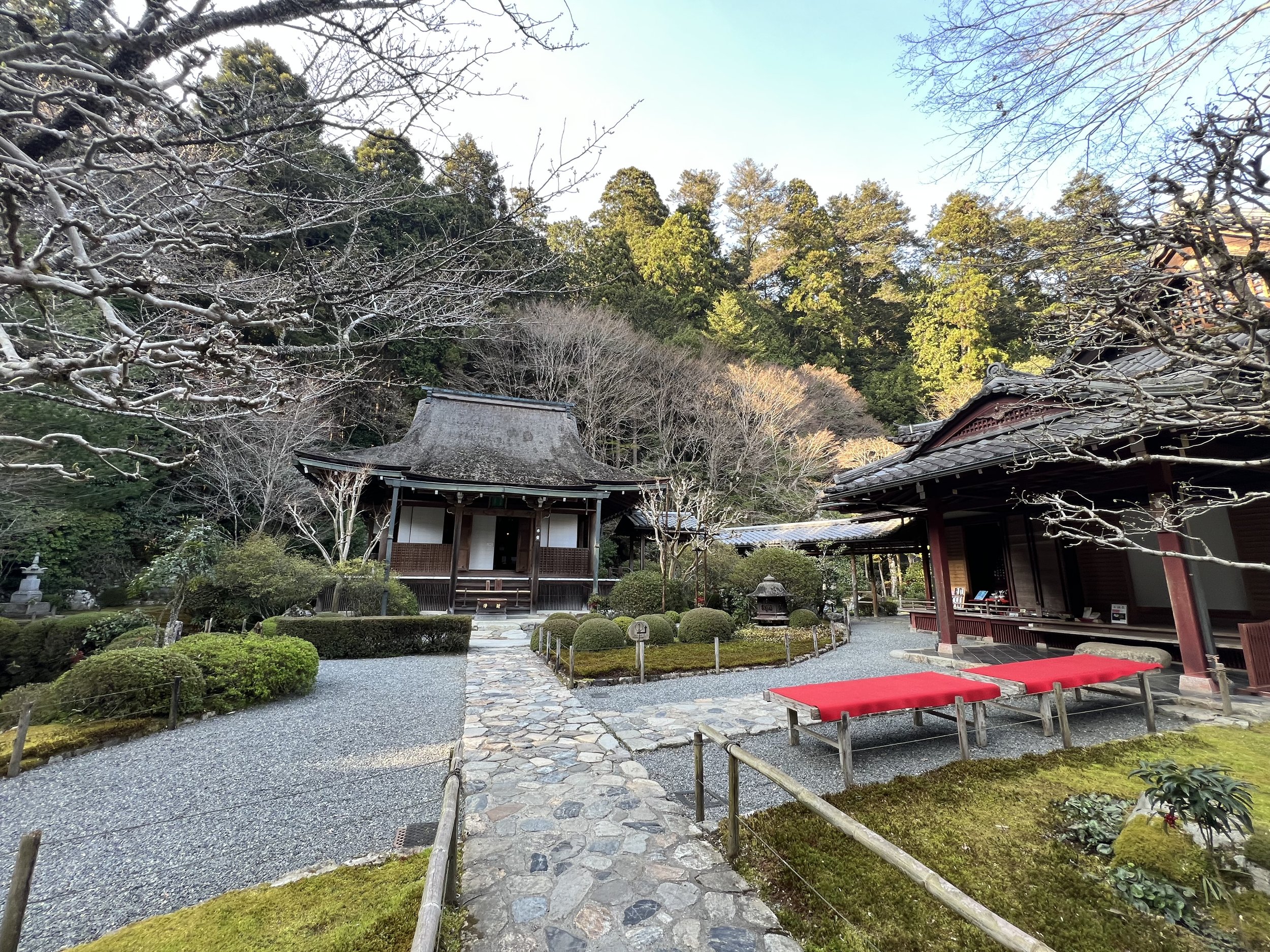
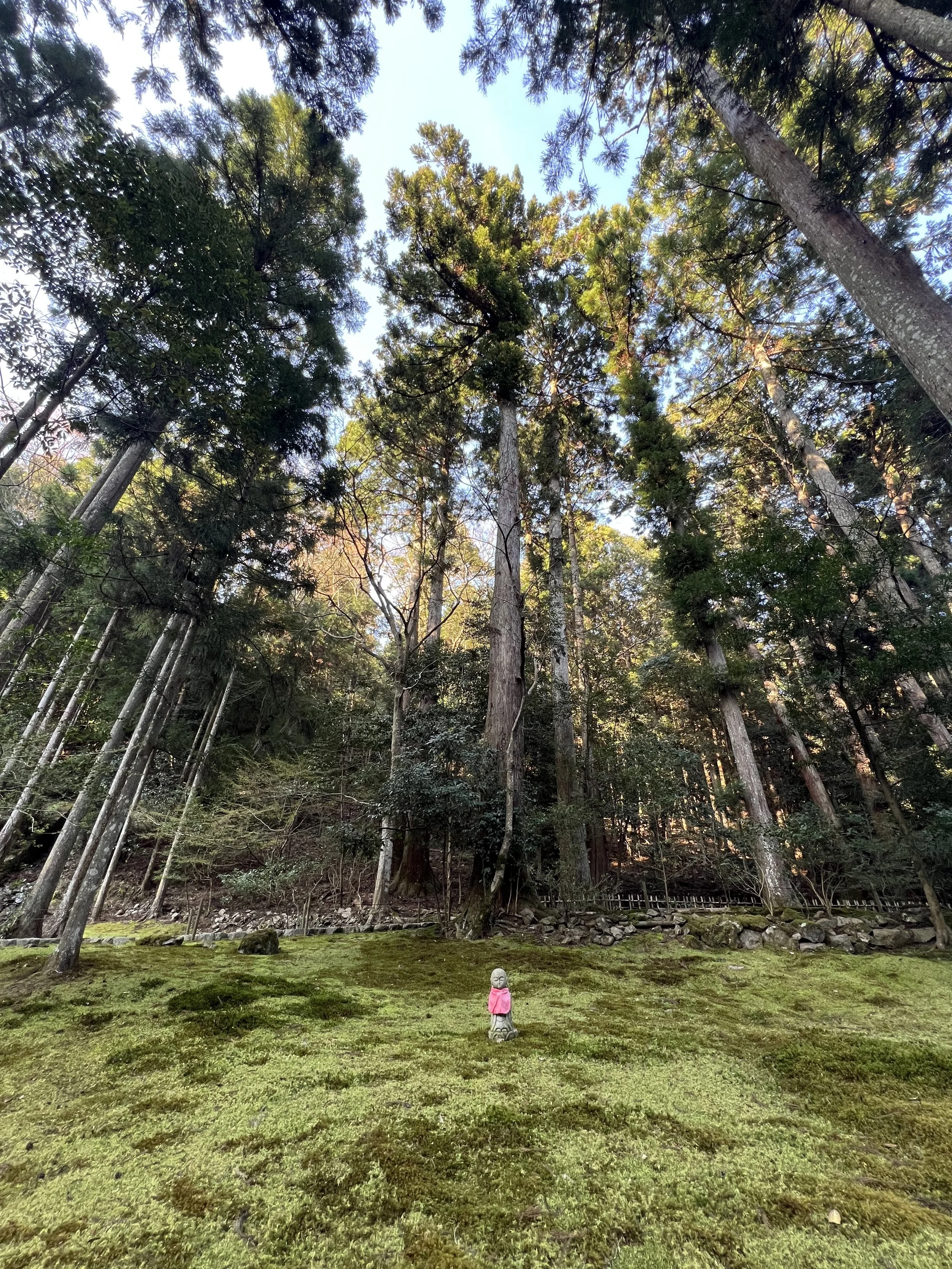
Beautiful and quiet, this temple was actually partially destroyed in 2000 by a large fire, and then restored. It was initially a Buddhist convent and it is known as the last residence of Kenreimon-in, the last member of the Taira clan that ruled over Japan until 1185. After her family's defeat, she retired as a nun and remained at the Jakko-in temple until her death, devoting herself to prayers, especially for her son, Emperor Antoku, who perished by drowning at the age of 6. Hence the presence of a Jizo statue, protector of children, in the same garden where her tomb is located.
During my visit, the cherry trees were not yet in bloom, but I could imagine how beautiful the landscape would be in a few days.
🕒 Opening hours:
9:00am to 5:00pm from March 1st to November 30th
9:00am to 4:30pm from December 1st to December 31st and from January 4th to February 29th
10:00am to 4:00pm from January 1st to January 3rd
💴 Entry Price: ¥600 per person
Stay Overnight in a Traditional Ryokan and Soak in an Onsen
There are several ryokans and minshuku in the area, which makes Ohara a great place to experience a traditional Japanese stay in a tranquil setting. That’s what I decided to do, and chose to stay at Kyo no Minshuku Ohara no Sato Onsen, which I thoroughly enjoyed and can warmly recommend.
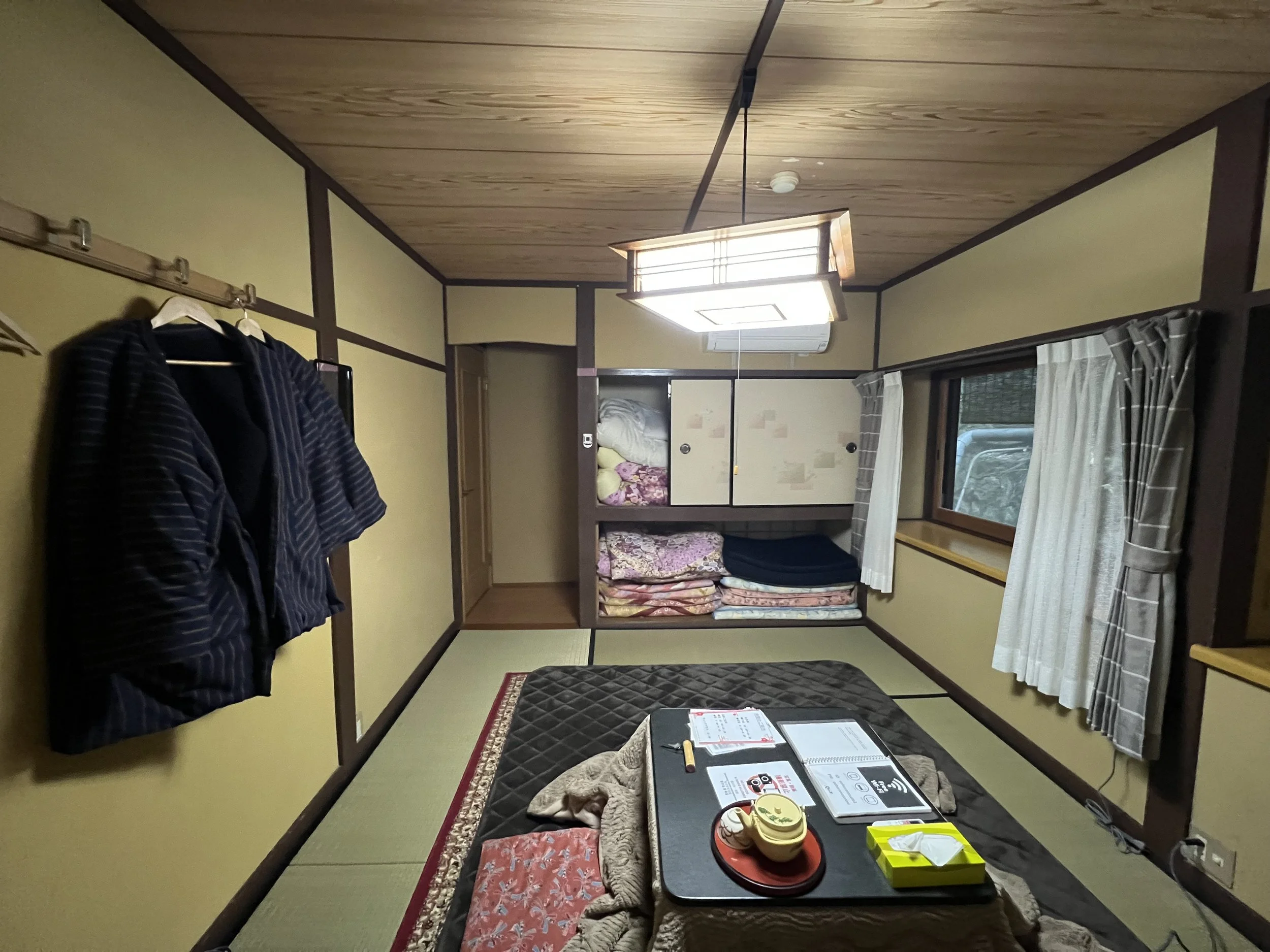
As soon as I arrived, I was welcomed by a very friendly staff member who showed me around the minshuku and guided me to my room while explaining how everything worked. Since this is a traditional minshuku stay (not a luxury ryokan), guests are expected to set up their own futons before going to bed, and the bathroom facilities are shared and located outside the rooms.
The room itself was comfortable and cozy, but the highlight for me was definitely the kotatsu. Honestly, I think kotatsu might be one of the greatest Japanese inventions, and I happily spent the next hour relaxing under its warmth. After changing into the yukata provided in the room, I headed to the dining area, where my table was already prepared for dinner.
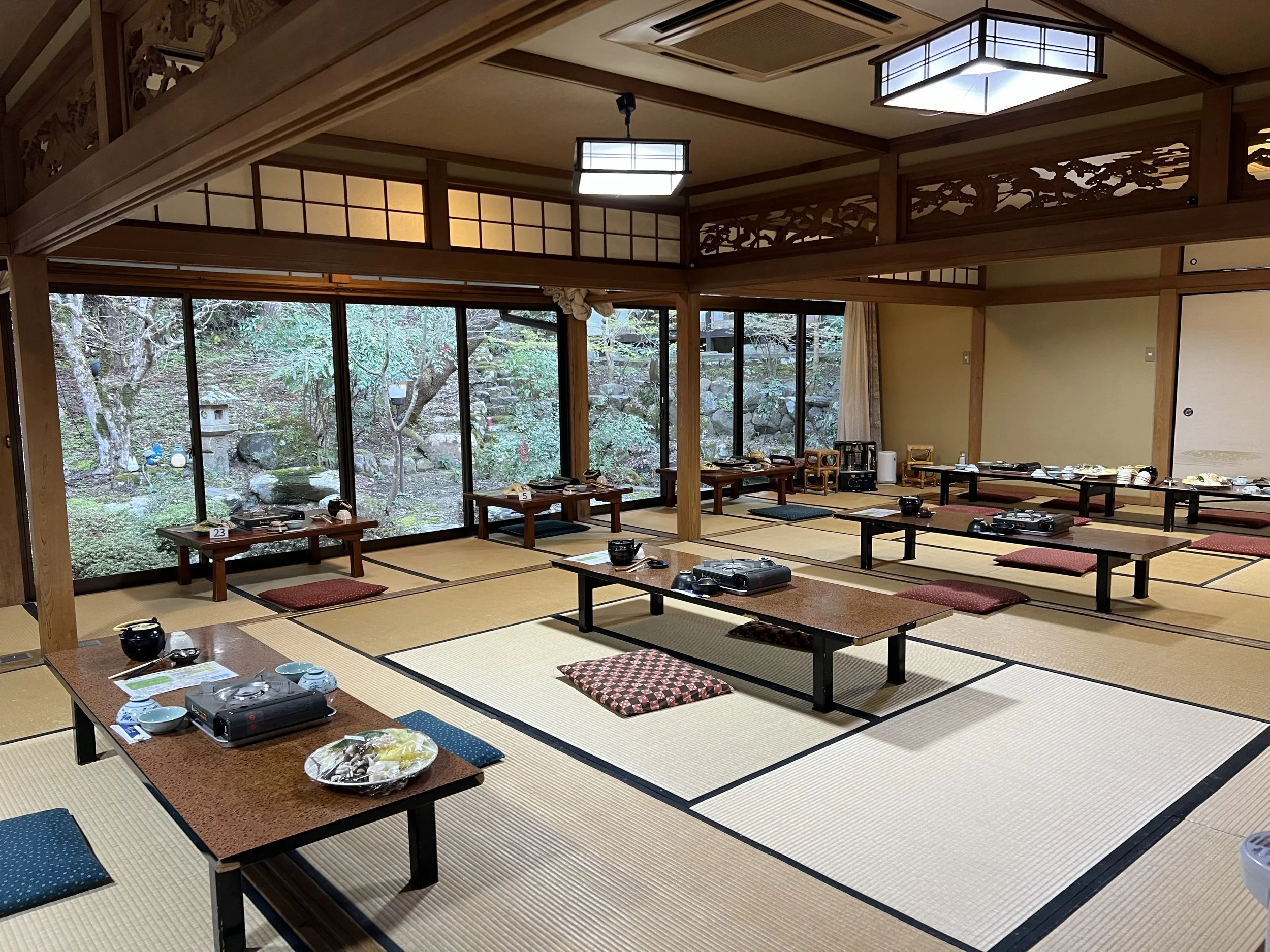
Dinner consisted of a delicious miso-based hot pot with local meat and vegetable that I cooked myself at the table. There was also a buffet area with rice, side dishes, miso soup, and several types of miso paste to try. The whole atmosphere felt especially relaxing, with views of the illuminated garden outside while guests quietly enjoyed their meals around the room.
After dinner, I went to try the onsen, which I enjoyed very much. There were both indoor and outdoor baths, including a small teacup-shaped bath tucked beneath the trees that could probably fit two or three people. The onsen itself was not very large, but that added to its authentic and peaceful atmosphere, and it was pleasantly uncrowded during my visit.
Between the delicious dinner and the soothing hot bath, I slept incredibly well that night. The traditional Japanese breakfast served the next morning was excellent as well.
Considering everything included, I found my stay at Kyo no Minshuku Ohara no Sato Onsen to be extremely good value for the price, and I can warmly recommend it.
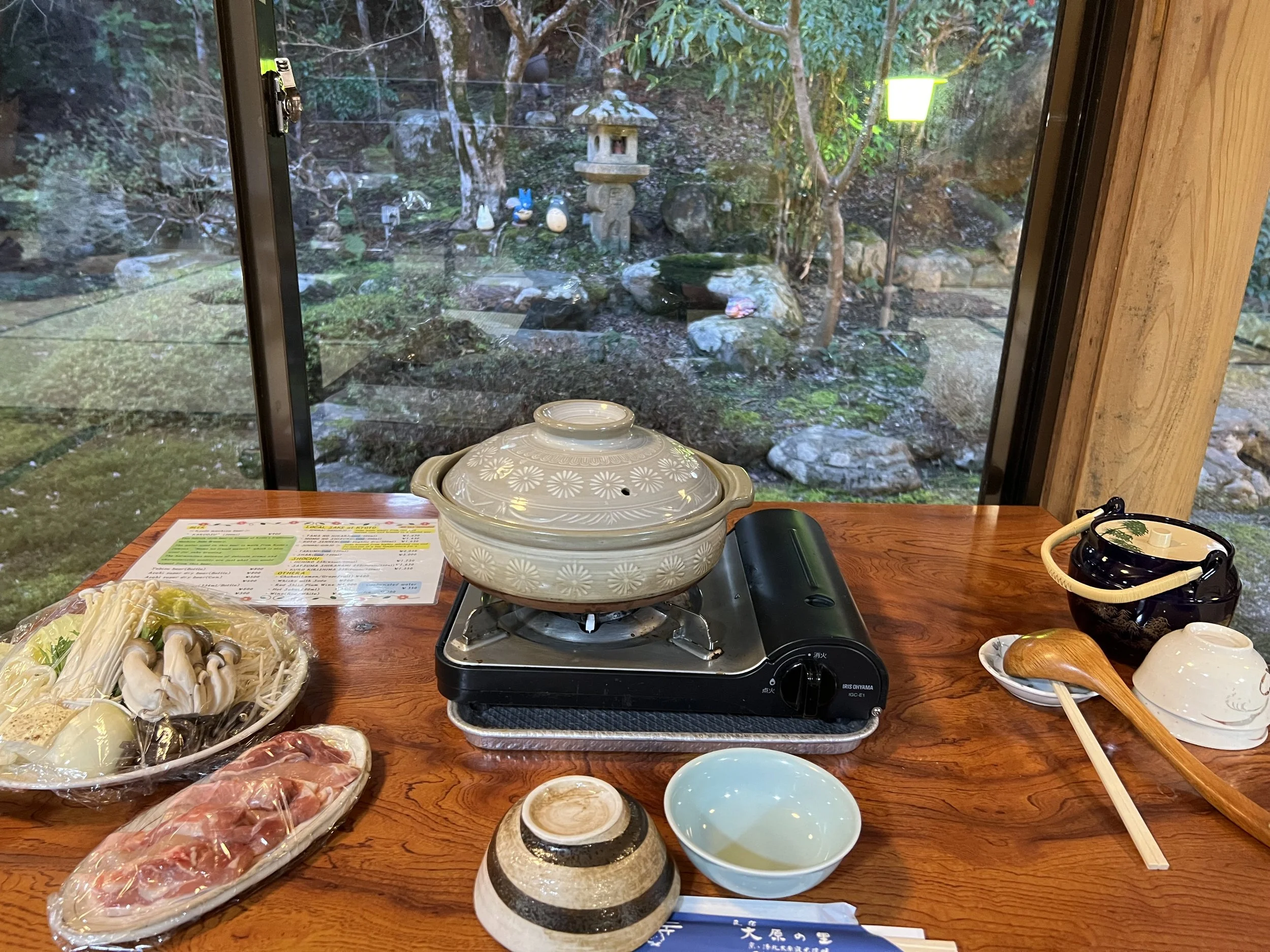
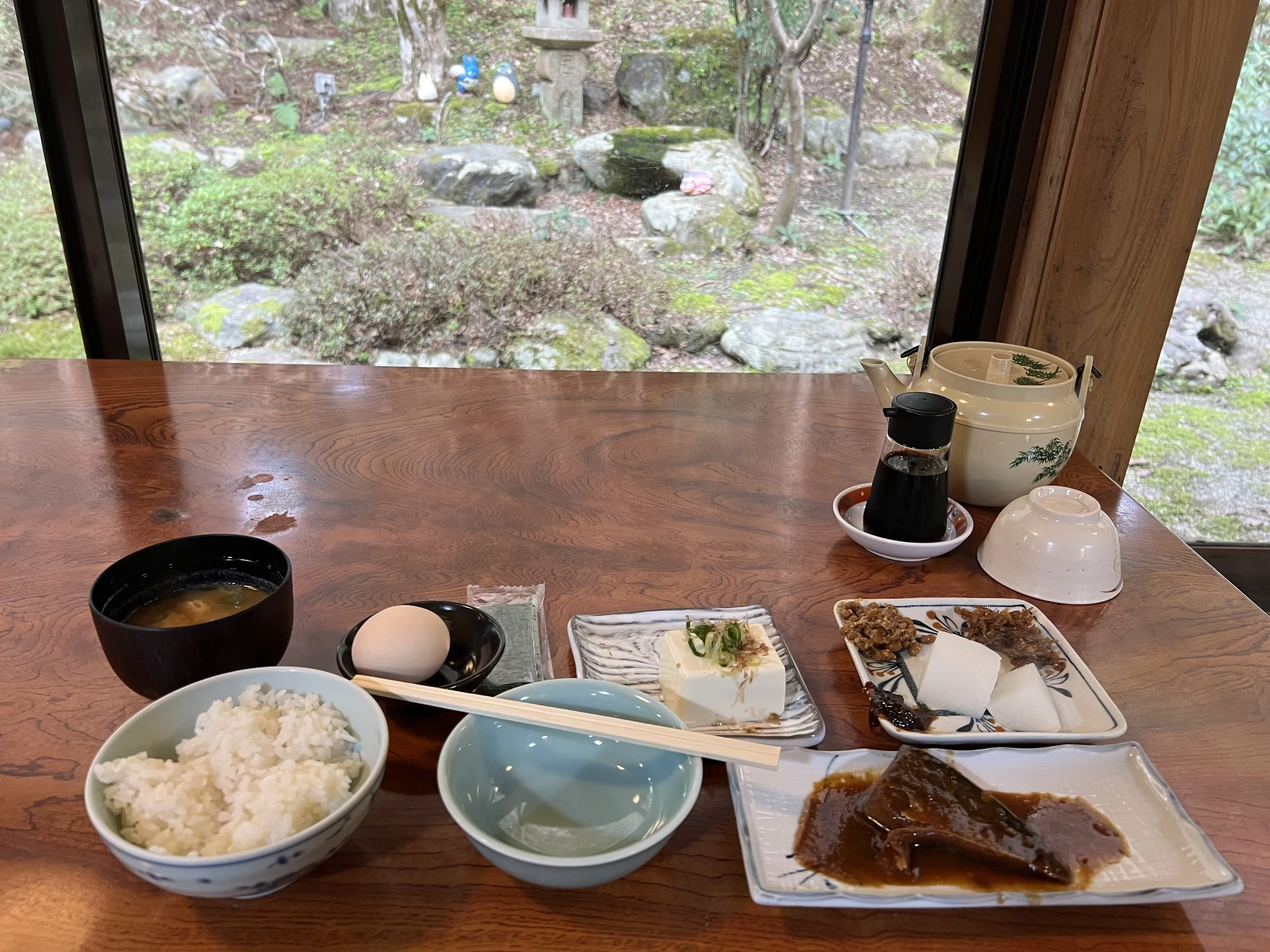
There are more options where to stay in Ohara, that can offer relaxing hot springs and authentic Japanese ryokan experiences. If I were to stay again and wanted to try a new place, based on reviews, I’d recommend:
For a higher-end stay: Yumoto Onsen Ohara Sansou for its peaceful mountain setting, traditional outdoor hot springs, and relaxing countryside atmosphere.
For a more budget-friendly stay: Ryoso Chatani for its warm family-run hospitality, authentic meals, and charming traditional Japanese rooms.
➡️ You can browse more accommodation options, from budget stays to luxury hotels, on platforms like Agoda, Booking, and Trip, making it easy to compare prices and find the best deal for your trip.
Feeling for Some More Exploring?
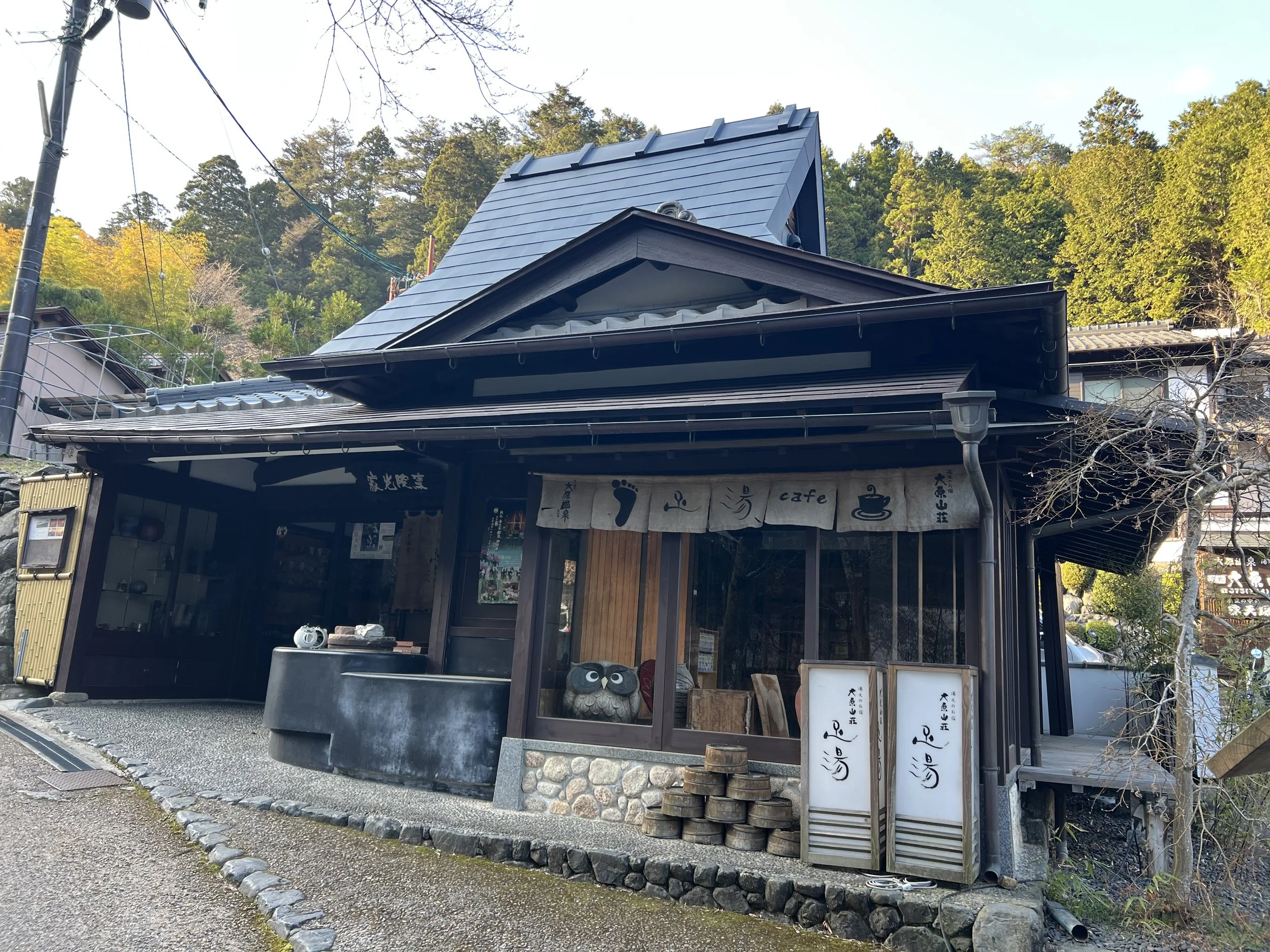
Ohara Sansou’s Foot Spa Cafe
Here are some additional ideas of things to do in Ohara if you have the time or depending on the weather.
Relax at Ohara Sansou’s Foot Spa Cafe (大原山荘足湯カフェ), located near Jakko-in
Try miso ice cream at Miso-an (味噌庵)
➡️ You might want to check available tours on platforms like GetYourGuide if you’d prefer joining a guided or organized day tour to visit Ohara.
Other Travel Tips to Plan Your Visit to Ohara
When to Go to Ohara
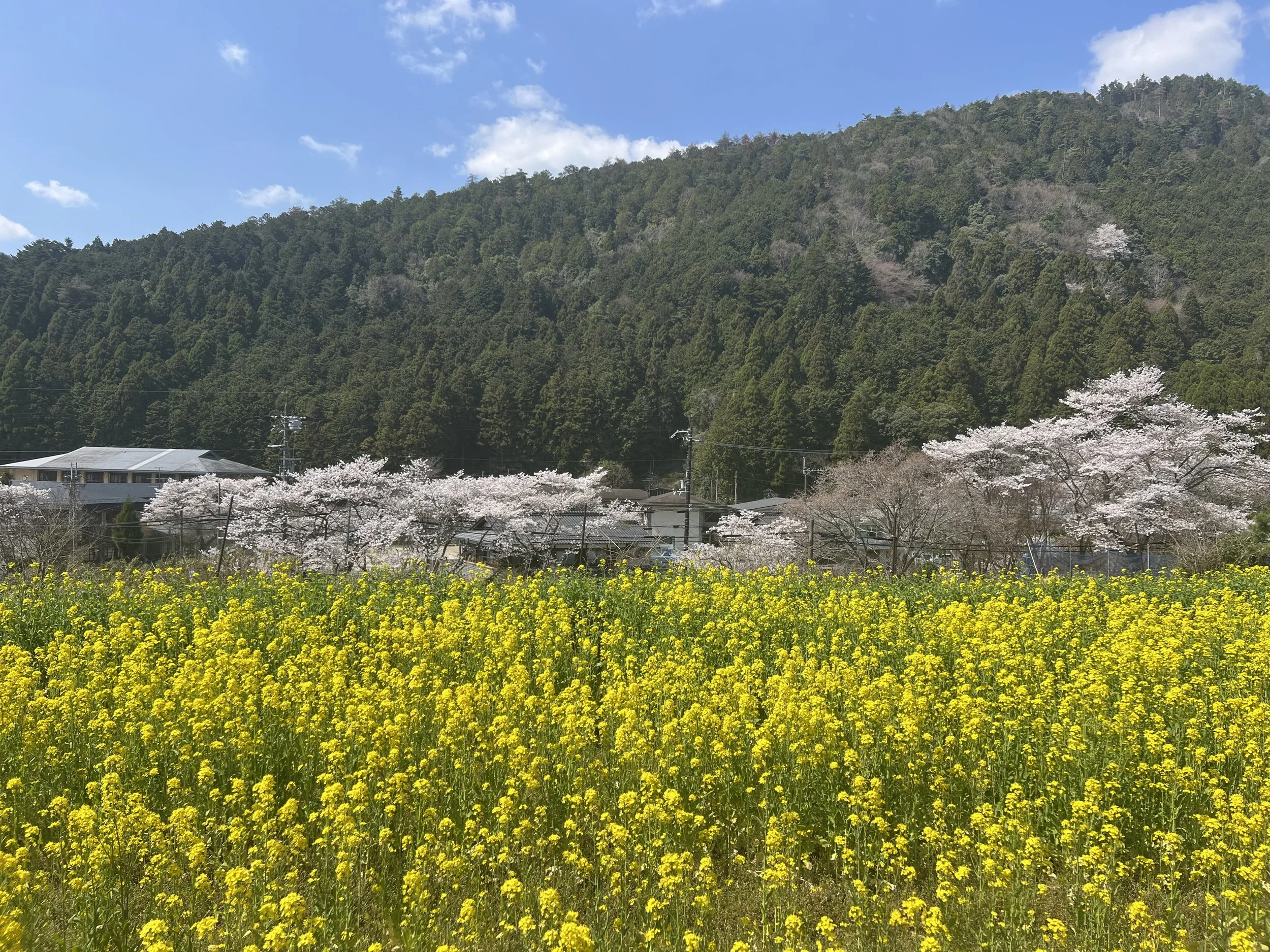
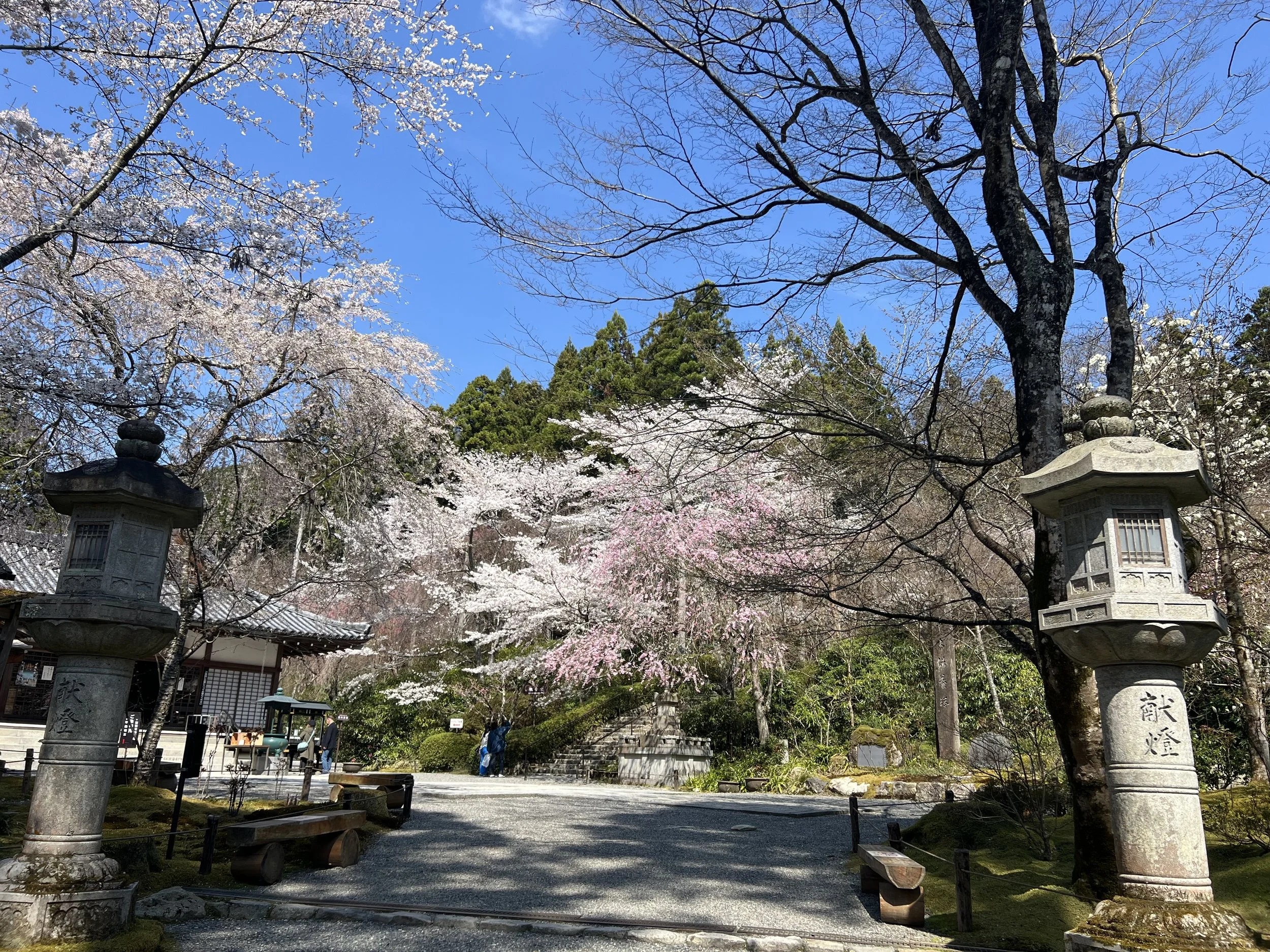
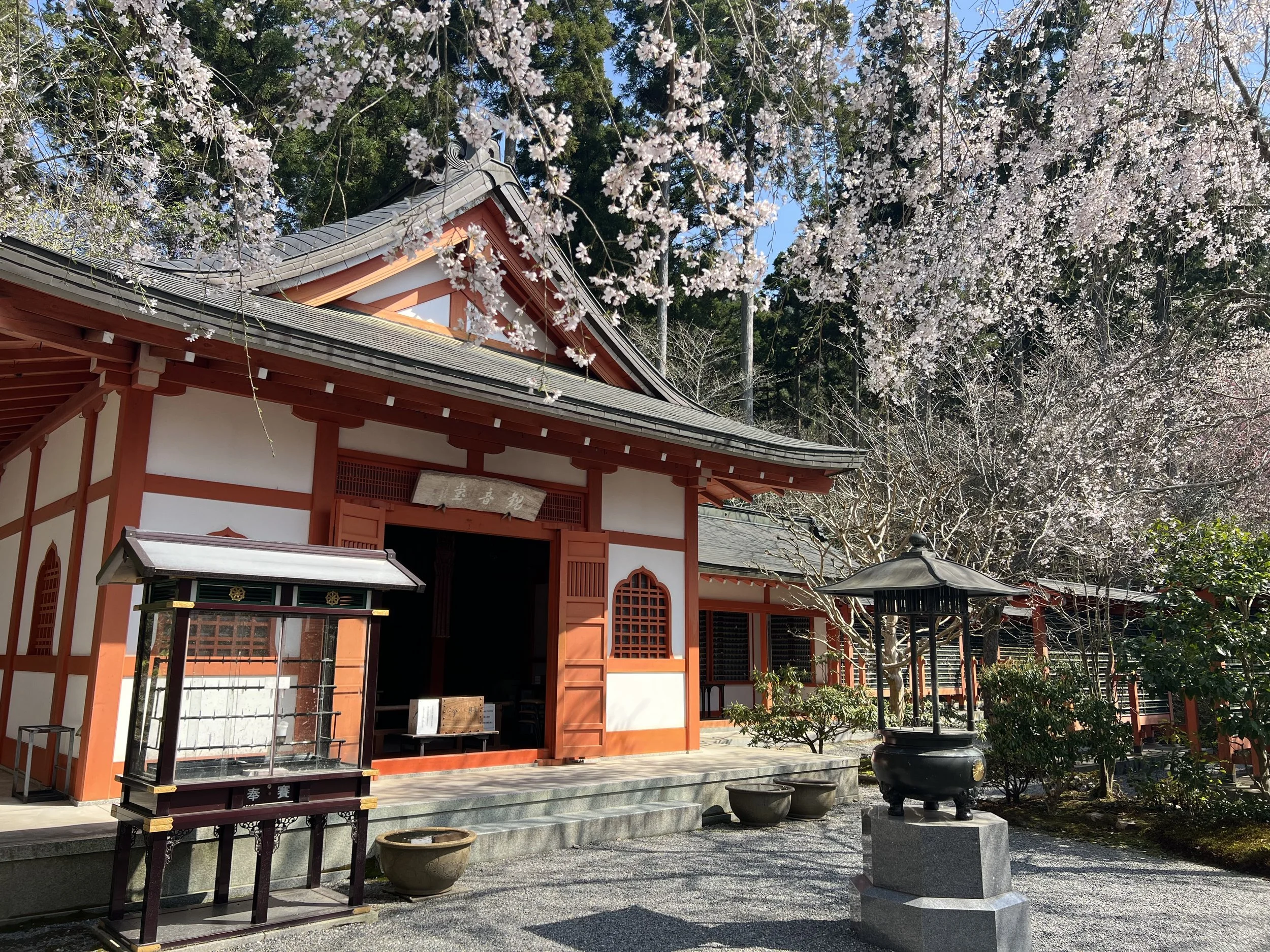
Ohara is a year-round destination, each season bringing its own unique charm. The mountain town is particularly popular in autumn for its magnificent fall colors, which also attract a large number of visitors. I personally visited Ohara in early April, before the cherry blossoms reached their peak in mid-April, and it was the perfect time to discover the village. Away from the crowds and with some cherry trees already in bloom, I was lucky to be able to appreciate both Ohara's springtime charm and serene atmosphere.
How to Get Around Ohara
Most of the main sights are within walking distance of each other. Once you arrive, it’s an easy and relaxing place to explore on foot.
How Long to Spend in Ohara
I recommend spending a full day in Ohara if you want to properly explore the area and visit several temples at a leisurely pace. Many of the temples close relatively early in the afternoon, so starting your day early will give you enough time to enjoy the peaceful atmosphere without rushing.
If you can, I’d highly recommend staying overnight to make the experience even more special. Ohara feels completely different once the day-trippers leave, and staying at a traditional ryokan with an onsen is one of the best ways to enjoy the quiet countryside setting.
✨ TRAVELY TIPS:
Temple closing times vary, so check them in advance and plan in which order you will visit the temples to avoid missing any spots you want to see.
If you plan to spend the night in a ryokan or minshuku located away from the bus station, especially near Jakko-in Temple, I advise against bringing a suitcase, as it can be cumbersome to carry to your hotel. Instead, I recommend taking only what you need with you in a back pack and leaving your suitcase in a luggage storage room or locker in Kyoto Station and retrieving it upon your return, or even having it delivered to your next destination. This way, you can explore Ohara freely.
As a temple lover, I would personally recommend to visit all of Ohara’s temples, as they all have their own specificities and distinct atmosphere. If you’re short on time and can only visit 1-2, I would recommend Sanzen-in temple and Hosen-in temple.
Where to Eat in Ohara
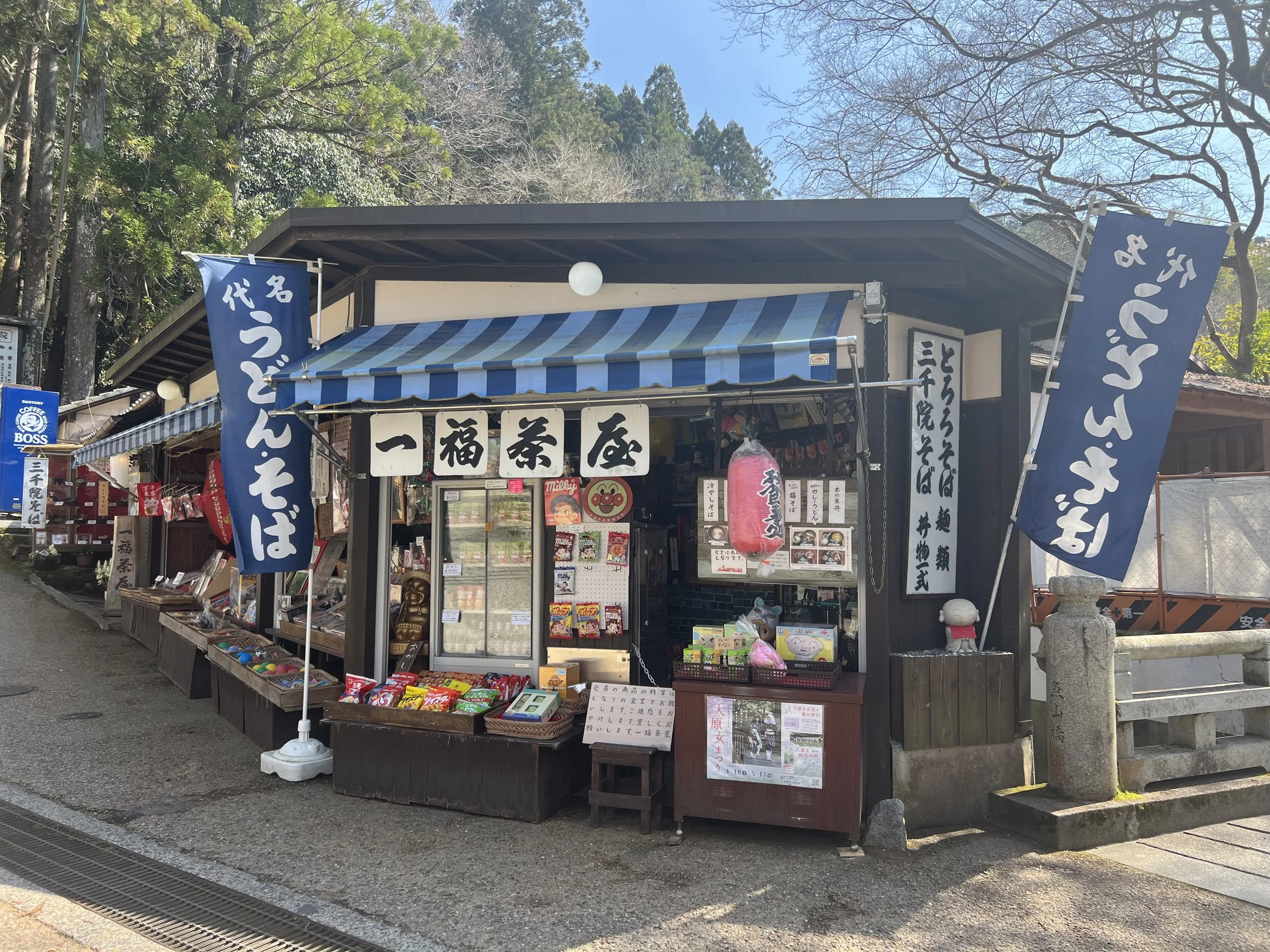
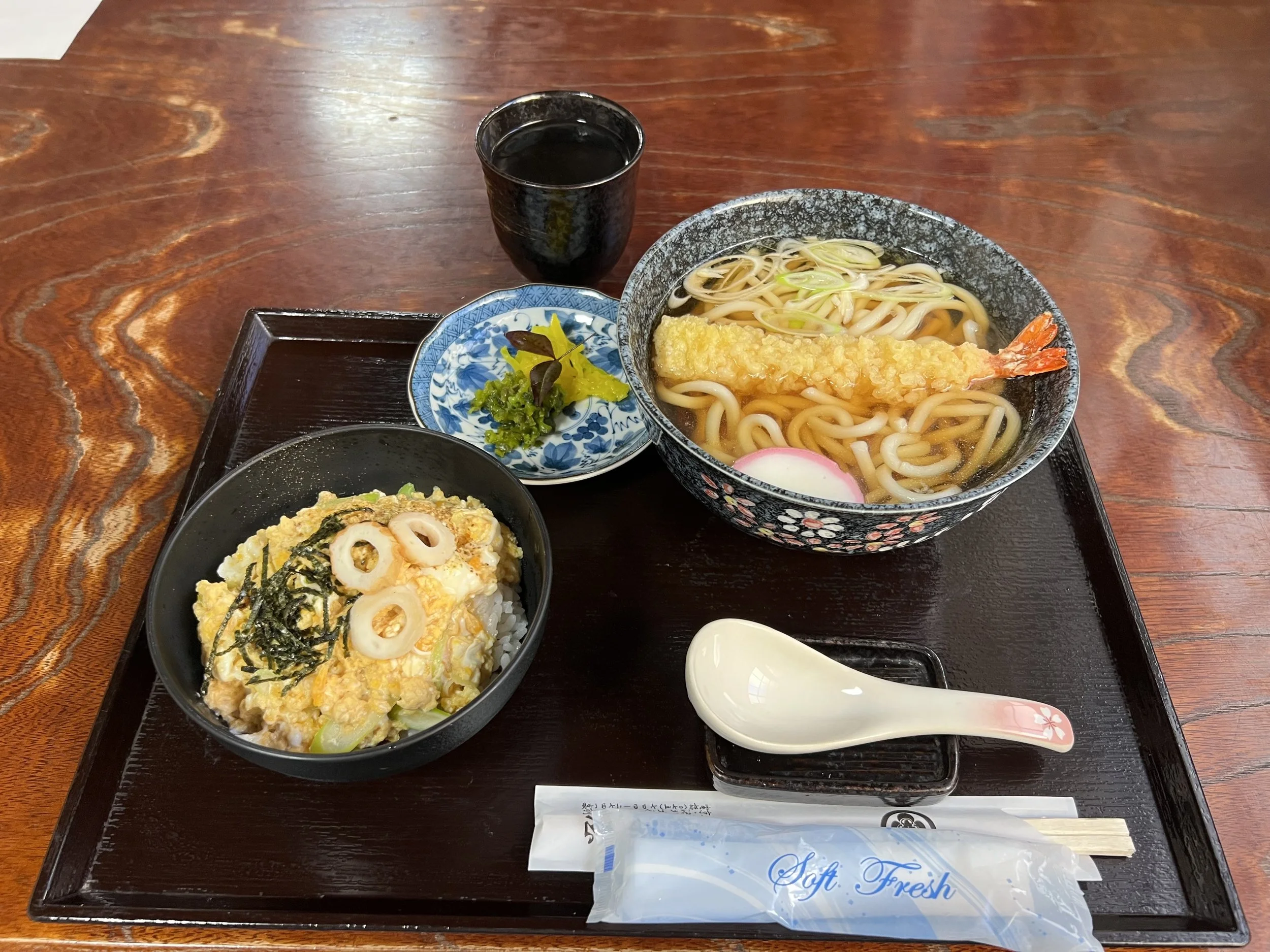
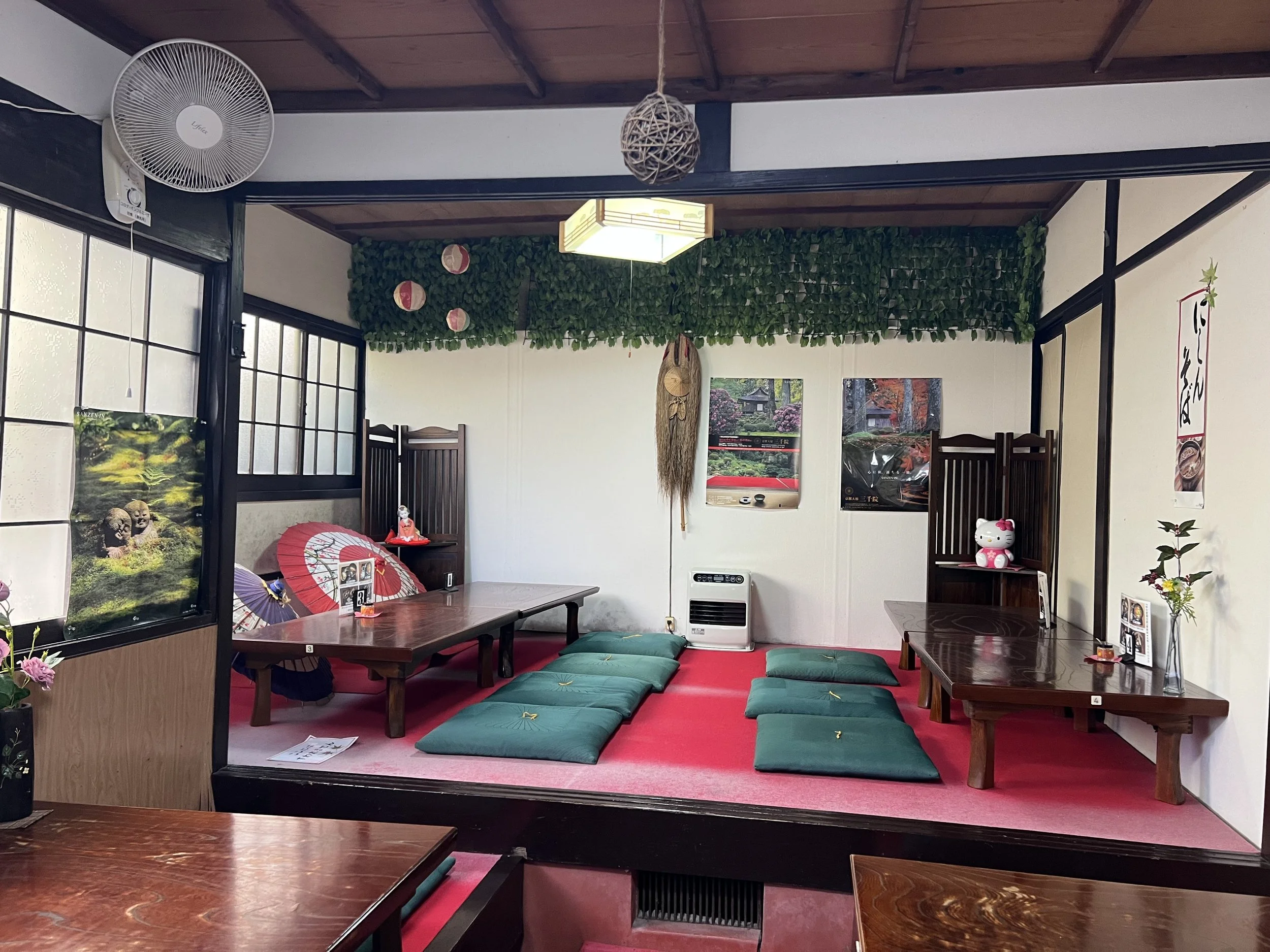
During my visit, I had lunch at Ippukujaya Teahouse (一福茶屋) and can warmly recommend it. The meals were nicely presented, very tasty, and generous in portion size while still being very reasonably priced. The teahouse itself had a cozy and traditional atmosphere, and the elderly lady serving the food was kind and friendly.
Another place that caught my attention is OHARA River side café KIRIN. Although I didn’t have the chance to visit this time, it looks like a lovely restaurant to stop by during a day in Ohara.
Other Things to Do in the Area
If you have extra time in northern Kyoto, there are other beautiful places to consider. One of my favorite experiences nearby is the hike between Kurama and Kibune, a peaceful trail through the forest connecting two charming mountain villages.
➡️ I shared all the details about this great hike in my Kurama to Kibune Hike Guide.
You can also check out more of my Kyoto travel guides, including articles on Higashiyama, hidden nature spots, seasonal destinations and events, and peaceful day trips beyond the usual tourist areas. I hope you’ll find plenty of inspiration there!
Final Thoughts
Ohara ended up being one of the highlights of my recent trip to the Kansai region, and it’s a place I would genuinely love to return to. Much like Yufuin in Kyushu, it feels like Ohara captures the essence of the Japanese countryside at its best: authentic, quiet, and deeply serene. I hope more international visitors discover this beautiful area, especially given how easily accessible it is from Kyoto.
Interested in exploring more of the Kansai Region? Check out my other guides and itineraries on Kyoto, Osaka and more.
Found this article helpful? Buy me a coffee. 😊
Want to stay in touch? Subscribe to my monthly newsletter (with latest articles, updates, travel tips and more...) delivered straight to your inbox. 📩
Some of the links in this Ohara Guide are affiliate links. At no extra cost to you, I may earn a small commission when you click on them and make a purchase. And if you do, thanks for your support! Purchasing through these links is a great way to support Travely Notes, as this helps with the costs of running my blog.

A place I would highly recommend visiting in the wintertime in Japan is Shibu Onsen in Yamanouchi, Nagano prefecture. Famous for its hot springs and historic buildings, Shibu Onsen is still steeped in the traditional atmosphere of its 1,300-year history.