
Power Spots in Japan: 16 Mystical Shrines and Temples Off the Beaten Path
Discovering shrines and temples is one of my favorite things to do in Japan. While many travelers focus on iconic landmarks such as Meiji Jingu and Senso-ji in Tokyo or Fushimi Inara Taisha and Kiyomizu-dera in Kyoto, I’ve always been drawn to the quieter, lesser-known sacred places scattered across the country.
Japan is home to tens of thousands of shrines and temples, and each has its own history, atmosphere, and subtle energy. While some travelers find them similar, in my case, even after years of living in Japan, I find that no two visits ever feel the same, and that’s what keeps me searching for the next one.
In this article, I’m sharing some of the most mystical power spots in Japan that I’ve visited and that left a lasting impression on me. These aren’t in general the most famous shrines or temples, but often lesser-known places I remember for their serenity, setting, and distinct atmosphere. If you’re looking to go beyond the typical itinerary and explore spiritual places in Japan off the beaten path, I hope this list will give you some inspiration.
Note: the places in this article are not listed by order of preference, but by region for simplicity. This list is subjective and by no means exhaustive, focused only on places that I have visited. I plan to update it regularly as I continue exploring Japan. Be sure to check back from time to time for new additions.
Tohoku Region
1. Shiogama Shrine, Miyagi Prefecture
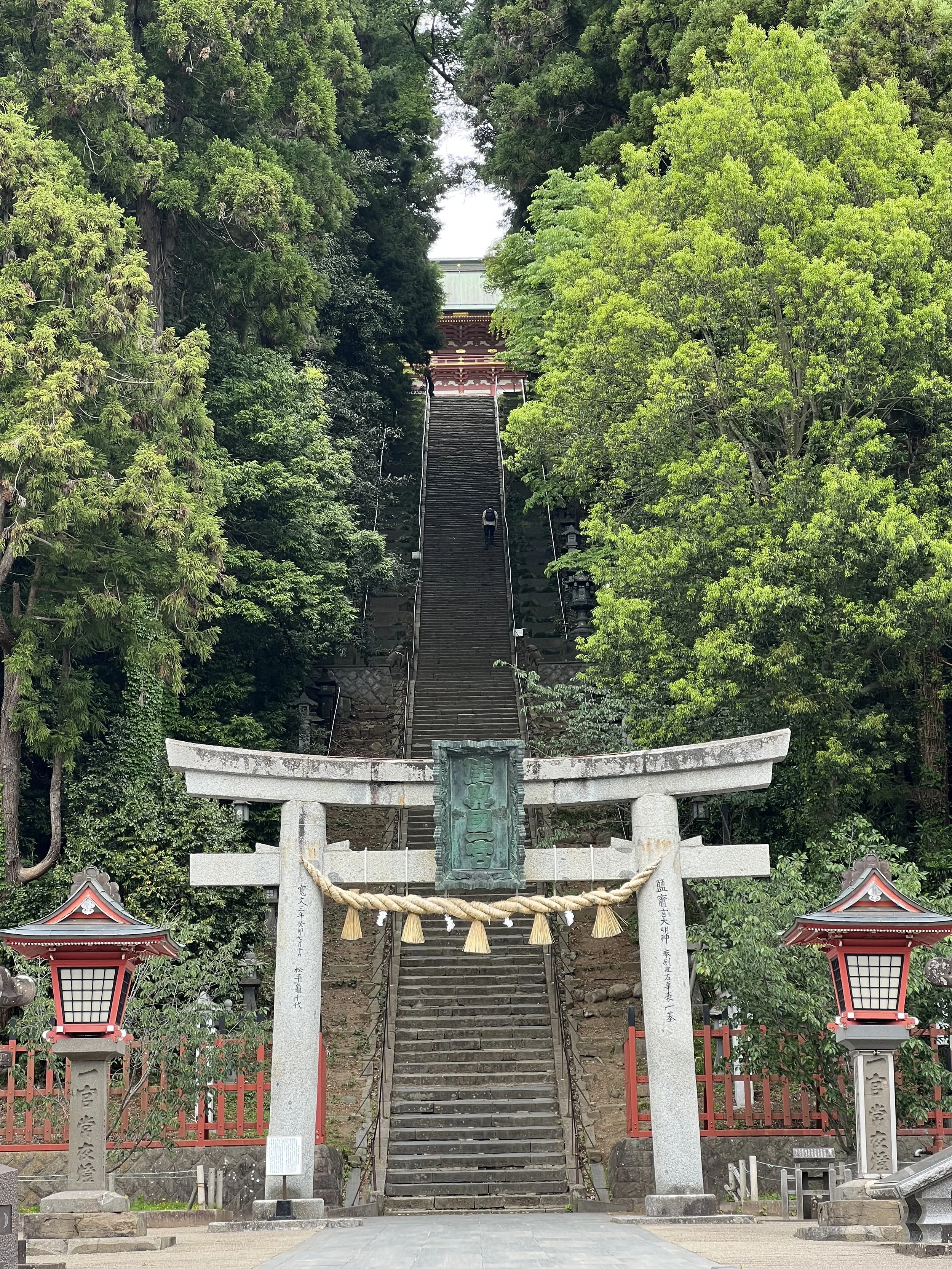
Located in the coastal town of Shiogama in Miyagi Prefecture, Shiogama Jinja (鹽竈神社) is the head shrine of several hundred Shiogama shrines across Japan. Originally established in the 9th century, the shrine complex includes 15 buildings designated as Important Cultural Properties.
I fell in love with the atmosphere and view of the stone staircase of 202 steps at the front approach to the shrine (called Omotesando), and the calm and dignified atmosphere of the shrine complex.
Beyond this shrine, Shiogama is a hidden gem I’d recommend if you’re traveling to Sendai. This fishing port town is known for having one of the highest densities of sushi restaurants in Japan, as well as several long-established sake breweries.
Shiogama is easy to include in a Tohoku itinerary. It can be added as a half-day trip from Sendai or combined with a visit to nearby Matsushima for a relaxed overnight stay by the bay.
➡️ I shared my full experience visiting Matsushima here.
🚃 Access: 15-minute walk from Shiogama station, or 7-minute walk from Hon-Shiogama Station on the JR Tohoku or Senseki-Tohoku Lines (approximately 20–25 minutes from Sendai Station).
2. Yamadera, Yamagata Prefecture
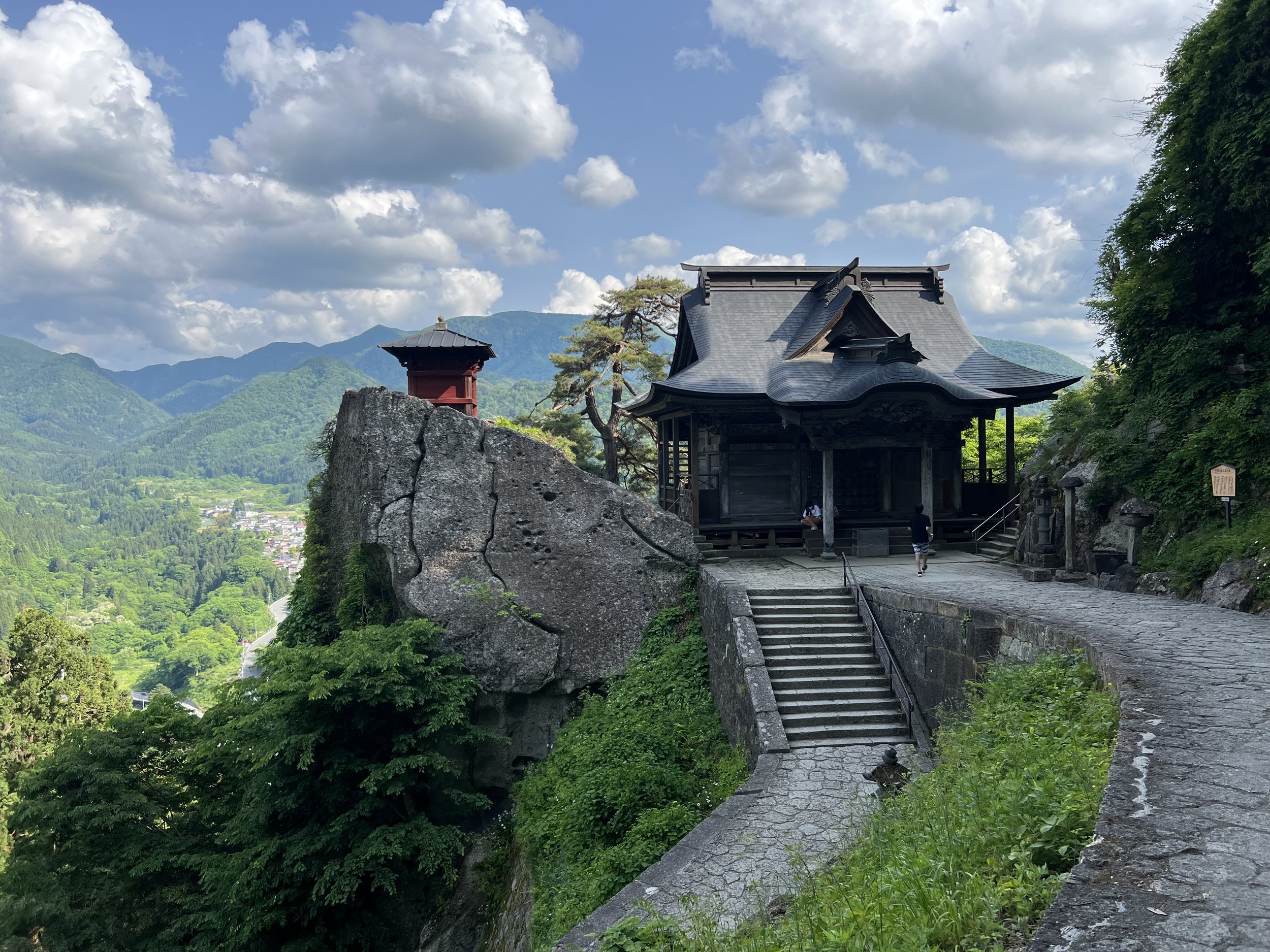
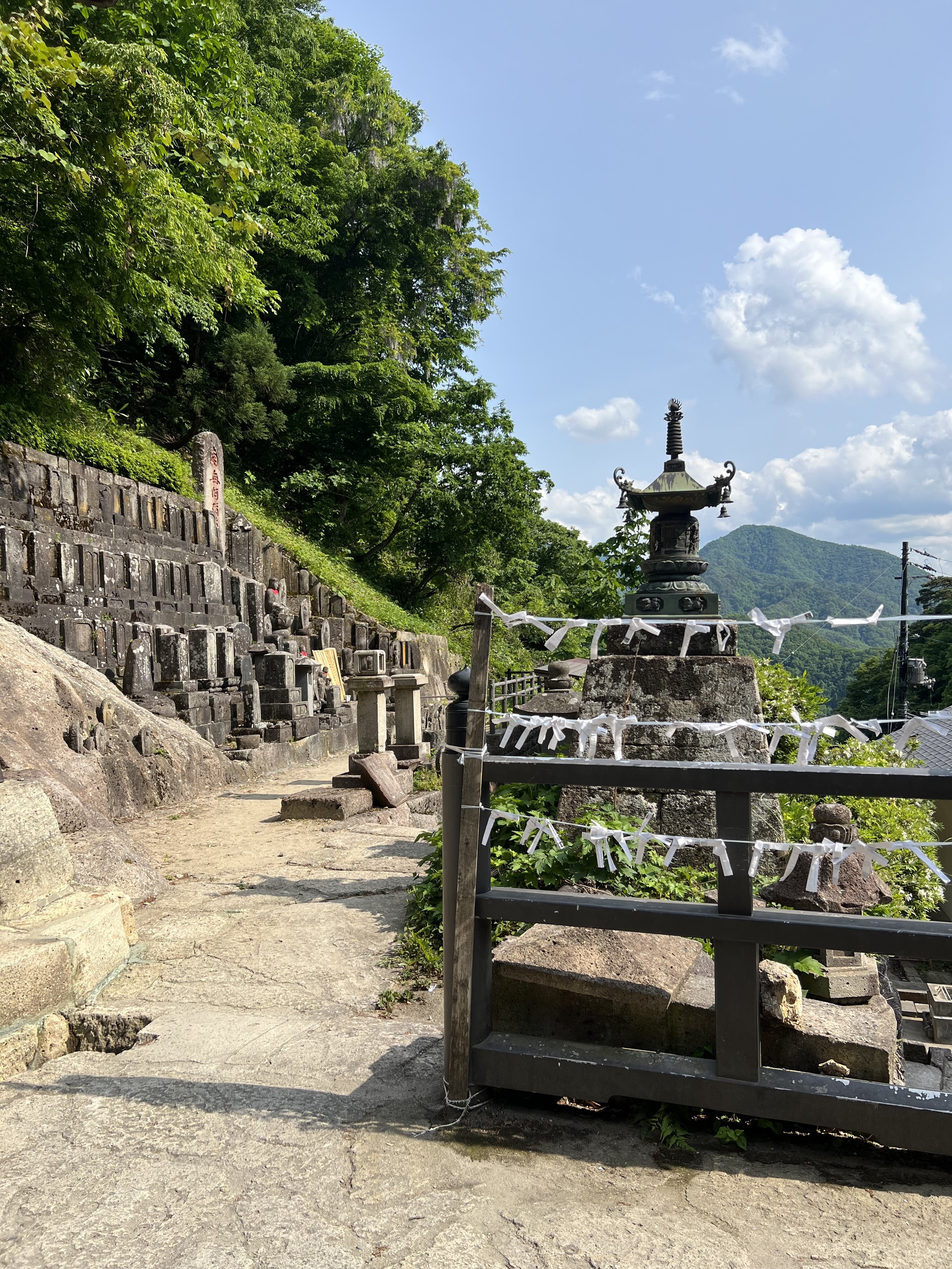
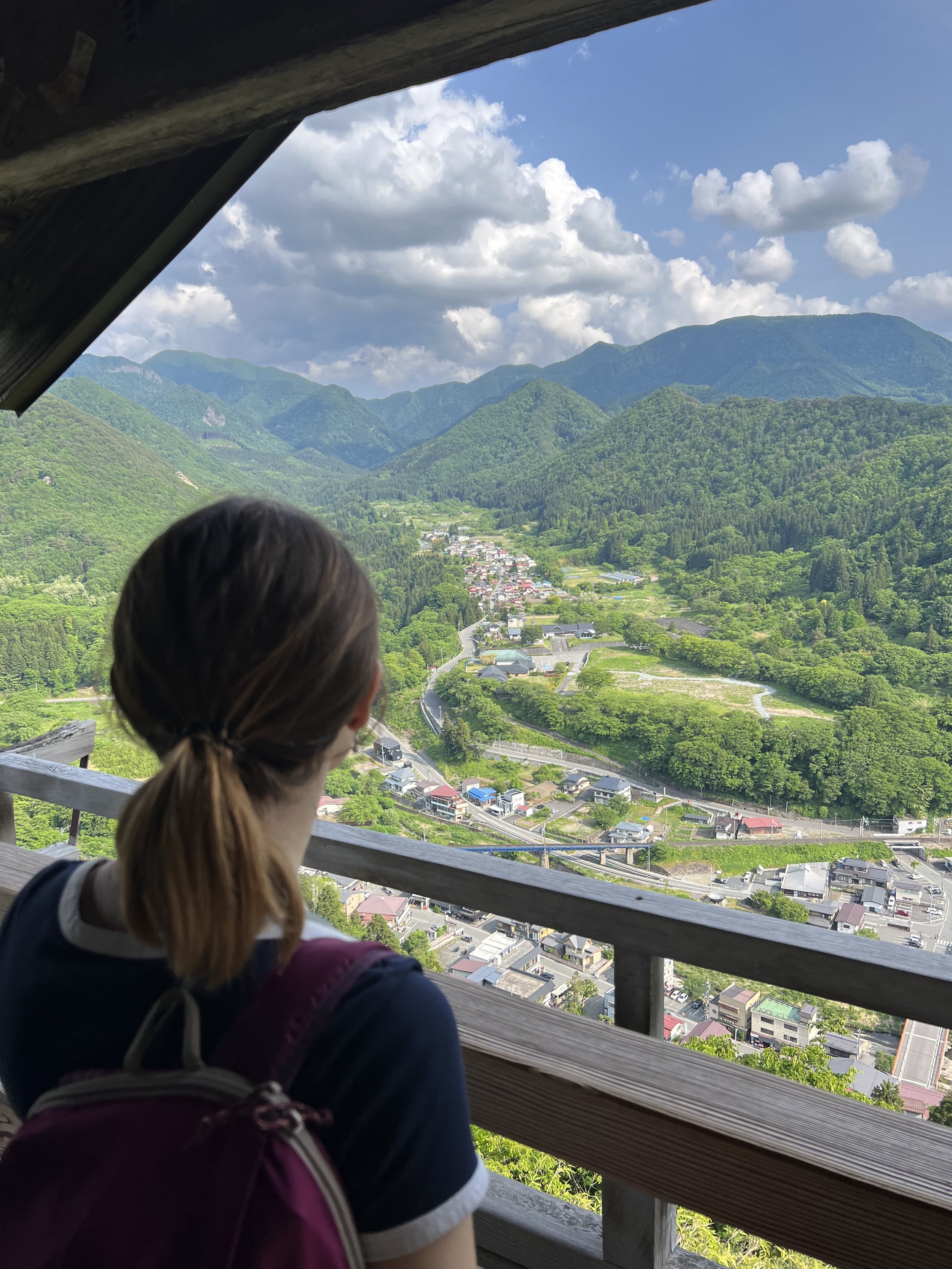
Yamadera, which literally means “Mountain Temple,” is officially known as Risshaku-ji (立石寺) and is among the most atmospheric temples I’ve visited in Japan. This Tendai Buddhist temple complex was founded in 860 and was built directly into the cliffs. Reaching the upper precincts requires climbing over 1,000 stone steps, and the ascent is very much part of the experience.
Despite its fame within Japan (especially during the autumn foliage season), Yamadera never felt overwhelming to me. I visited in May when the temple was surrounded by lush greenery and wild flowers, and I found the place absolutely enchanting.
➡️ You can read my detailed Yamadera hiking guide here for more details about the hike, access and travel tips.
Kanto Region
3.Todoroki Fudoson, Tokyo Prefecture
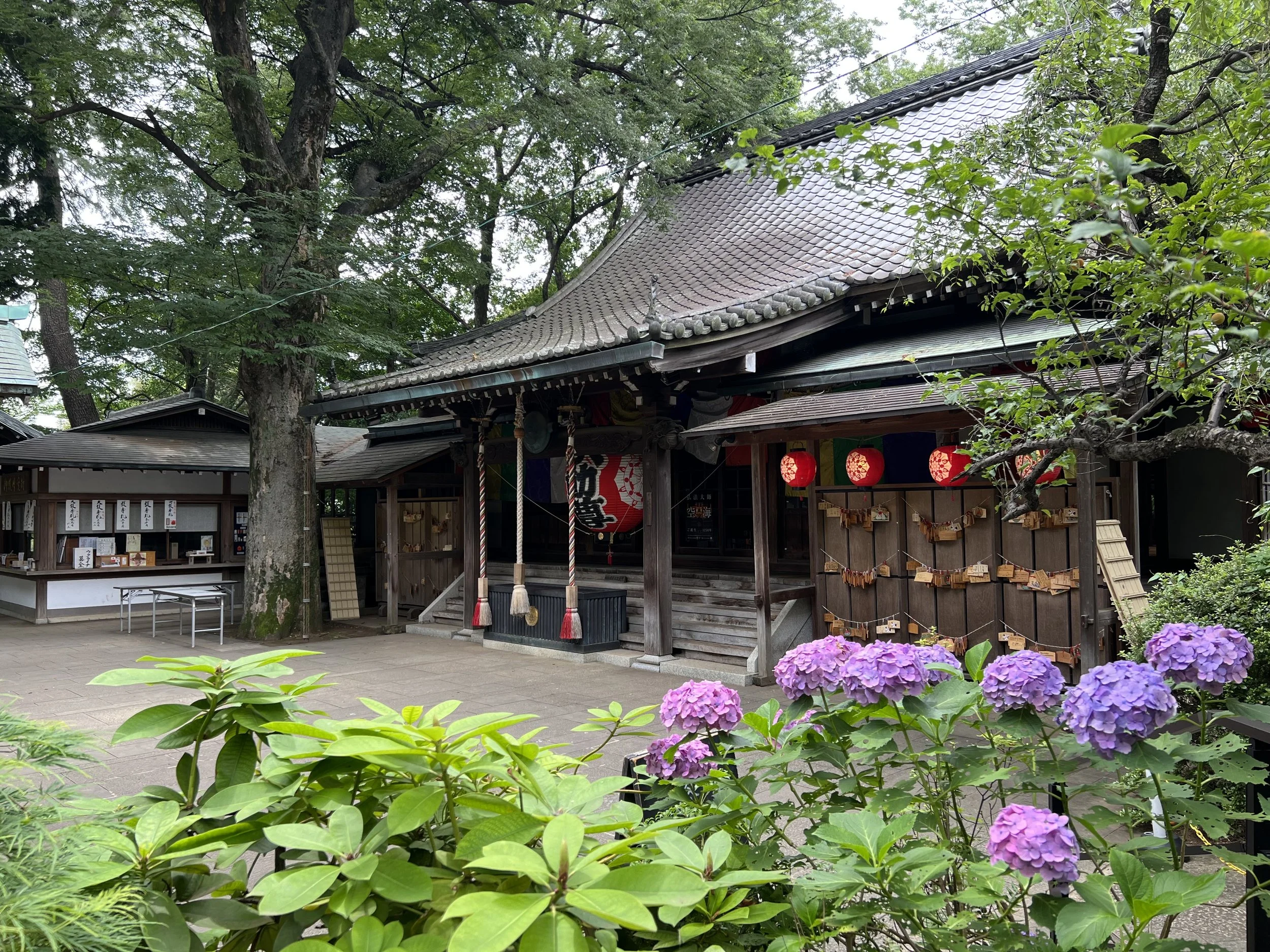
Todoroki Fudoson Temple (等々力不動尊 明王院), located in Todoroki Valley in Setagaya, is a peaceful Buddhist temple dedicated to the deity Fudo Myo, a protective deity associated with fire and purification. I used to live close to this temple and enjoyed seeing it transformed each season. It’s hard to believe that this temple is in Tokyo, and it always felt like entering a different world away from the city noises. If you’re based in Tokyo and looking for a quieter, nature-filled shrine or temple without leaving the city, this is an easy and rewarding escape, especially in autumn.
🚃 Access: A short walk from Todoroki Station on the Tokyu Oimachi Line in western Tokyo.
➡️ For more hidden gems in Tokyo, check out my dedicated article with my all my favorite off-the-beaten-path spots in Japan’s capital.
Chubu Region
4. Shirahama Shrine, Shizuoka Prefecture
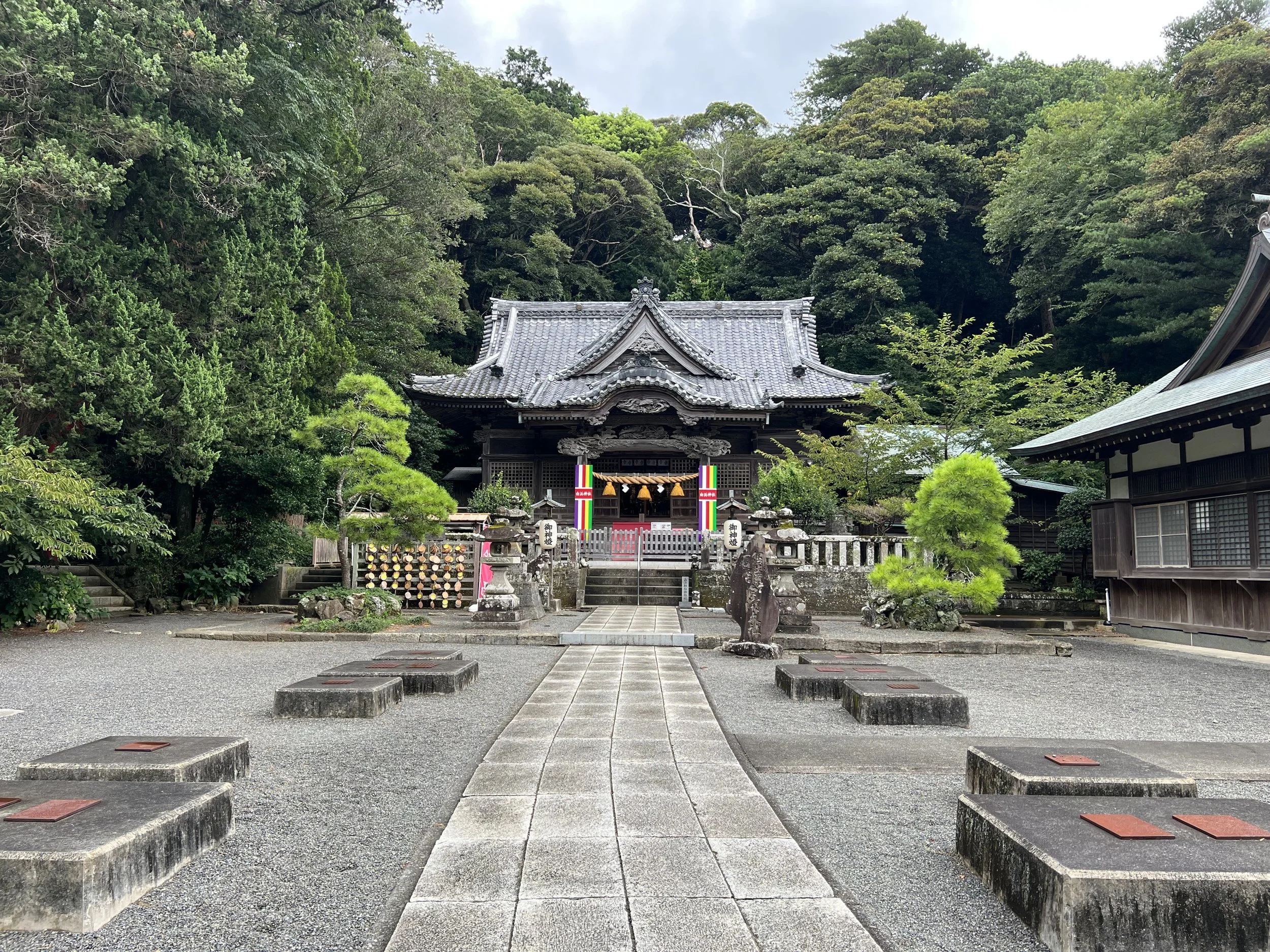
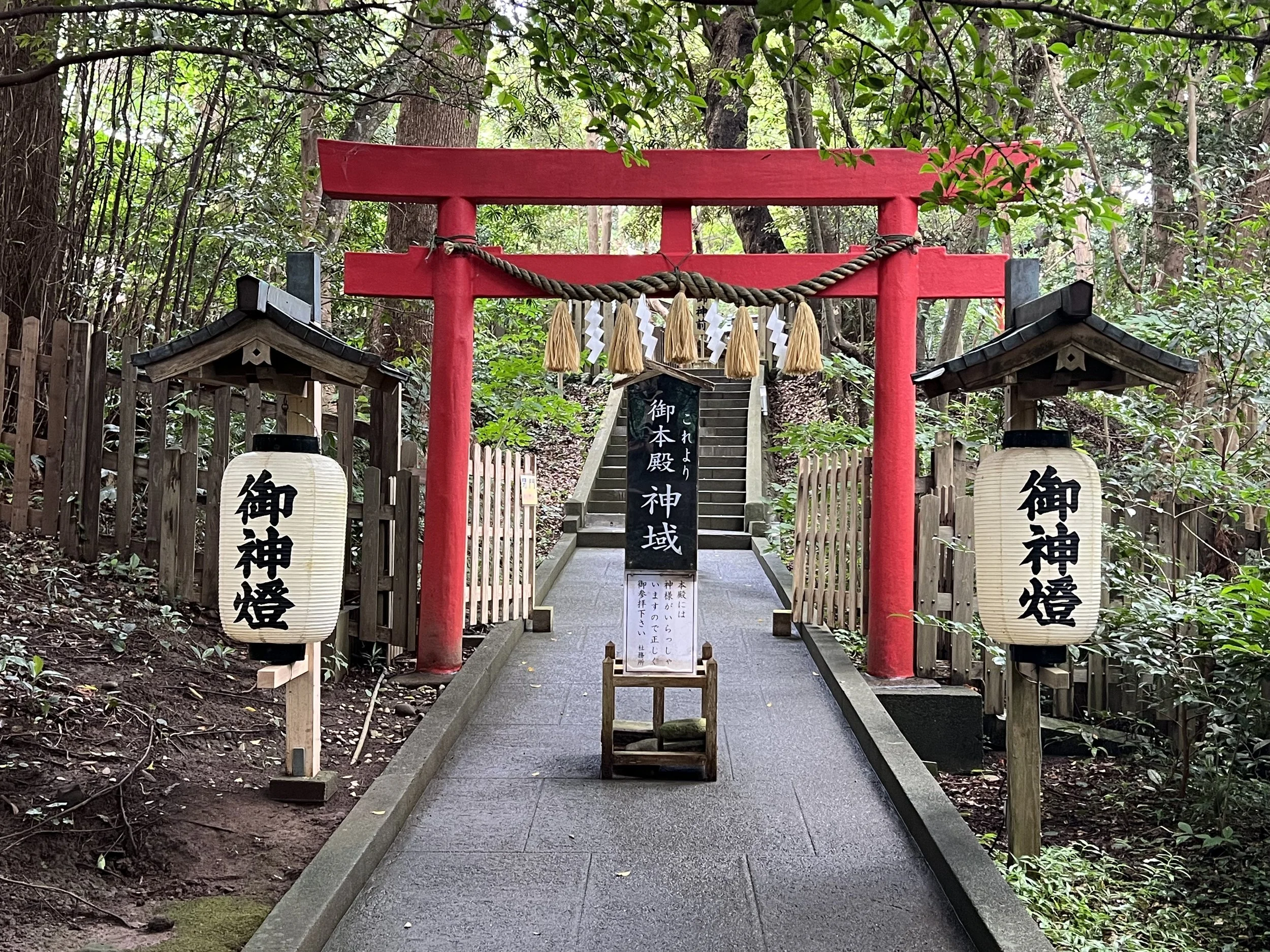
Standing quietly by the coastline in Shimoda, Shirahama Shrine (伊古奈比咩命神社) is the oldest shrines in the Izu Peninsula, with a history said to date back over 2,400 years. I found the atmosphere of the shrine quite special, and what made the visit truly memorable for me were the unexpected little details such as the tiny crabs scuttling around the mossy grounds, and the striking red torii gate that stands facing the sea.
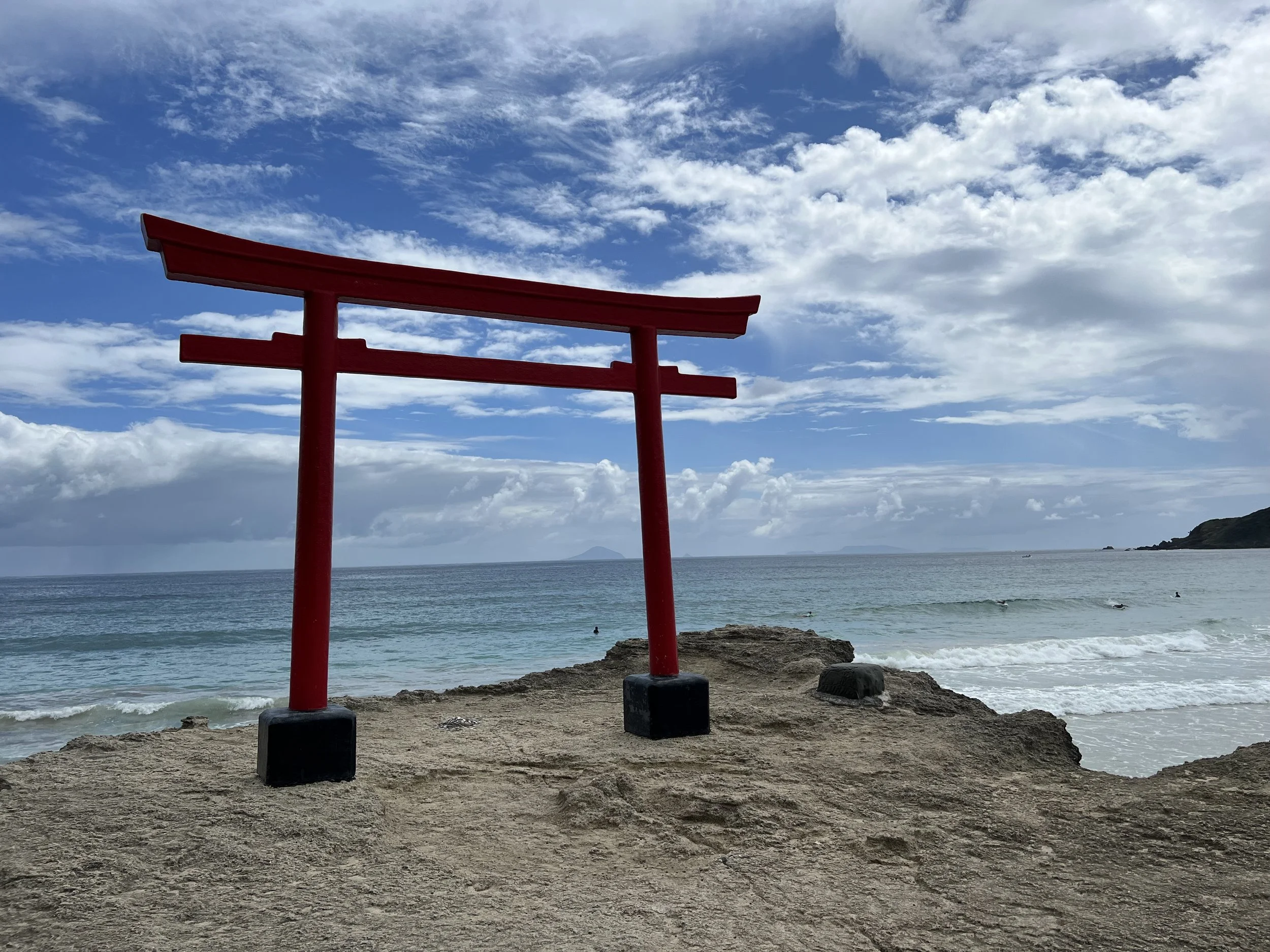
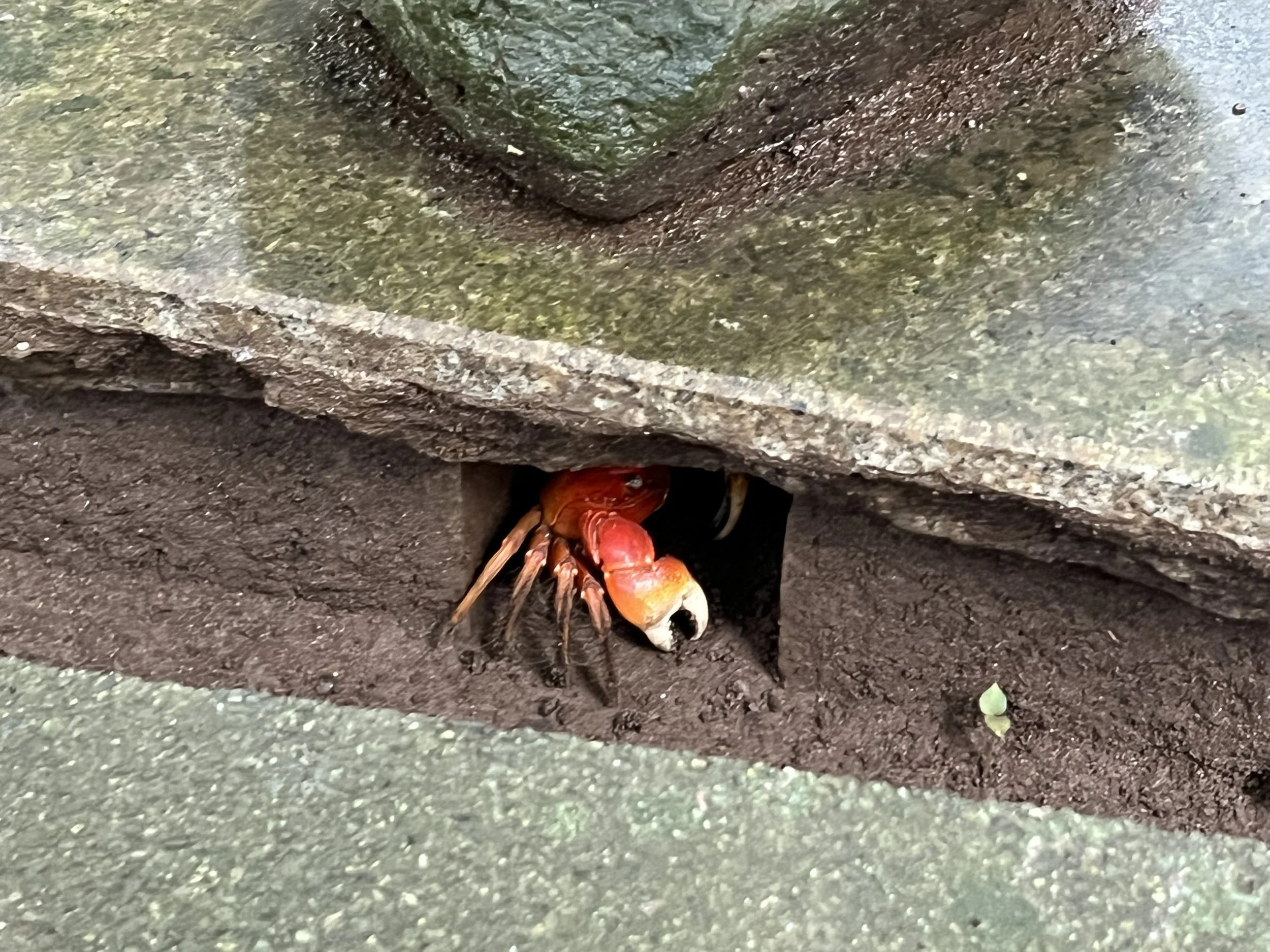
🚃 Access: From Izukyu-Shimoda Station, take a local bus toward Shirahama Beach (about 10–15 minutes), then walk a few minutes to the shrine. It’s also easily reachable by car if you’re road-tripping through Izu.
Shirahama Shrine is an easy addition if you’re exploring the Izu Peninsula, a destination I can’t recommend enough and have written a lot about. It pairs especially well with a relaxing seaside stay or a hot spring getaway in Shimoda.
➡️ You can read my detailed Shimoda Travel Guide, including best things to do and travel tips based on my experience.
5. Suwa Taisha, Nagano Prefecture
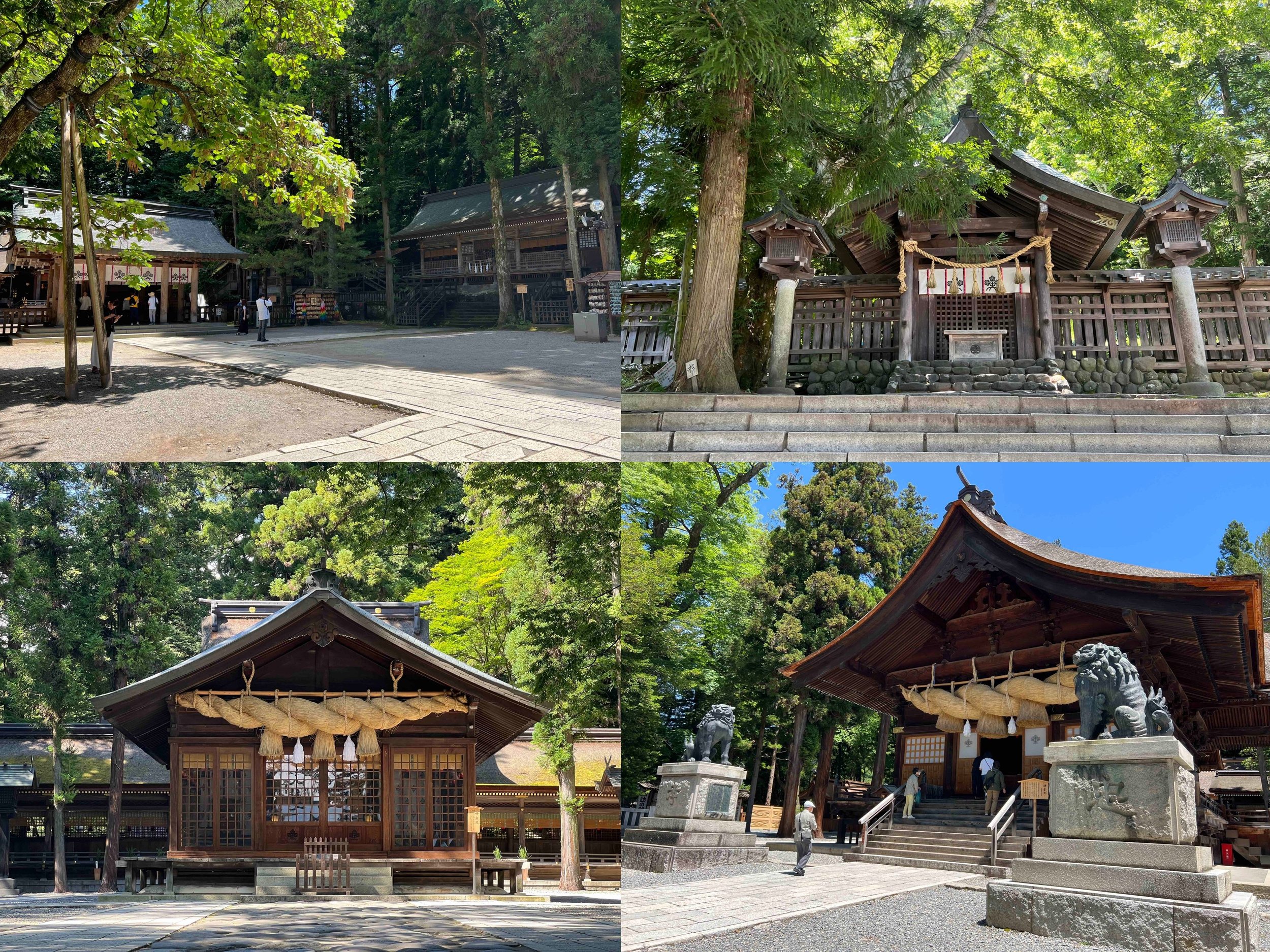
Overlooking Lake Suwa in Nagano Prefecture, Suwa Taisha (諏訪大社) is one of Japan’s oldest and most revered shrines, serving as the head shrine of over 10,000 Suwa shrines across the country. Rather than being a single shrine, Suwa Taisha is made up of four separate shrines scattered around the lake. These are the Upper Shrines, Kamisha Maemiya (上社 前宮) and Kamisha Honmiya (上社 本宮) in Chino city, and the Lower Shrines, Shimosha Harumiya (下社 春宮) and Shimosha Akimiya (下社 秋宮) in Shimo-Suwa.
I loved the unique atmosphere of each of the four Suwa Taisha shrines and walking between the shrines and collecting all four goshuin is one of the most memorable and rewarding experiences I’ve had while exploring this part of Japan.
If you’re traveling through Nagano Prefecture or looking for a quieter alternative to more famous shrine destinations, I’d highly recommend adding a visit to Suwa Taisha combined with time around Lake Suwa and an overnight stay at one of Suwa’s ryokans (I’ve stayed at Hama no Yu Onsen and highly recommend it).
🚃 Access: The four shrines are spread around Lake Suwa. They can be accessed by local trains and buses from Kami-Suwa or Shimo-Suwa stations.
➡️ You can read my complete guide and itinerary to plan your trip to Suwa based on my 10-day stay in this area.
➡️ You can also learn more about goshuin in my article: “A Guide to Goshuin: the Perfect Souvenir for Temple and Shrine Lovers in Japan”.
6.Shirayama Hime Shrine, Ishiyawa Prefecture
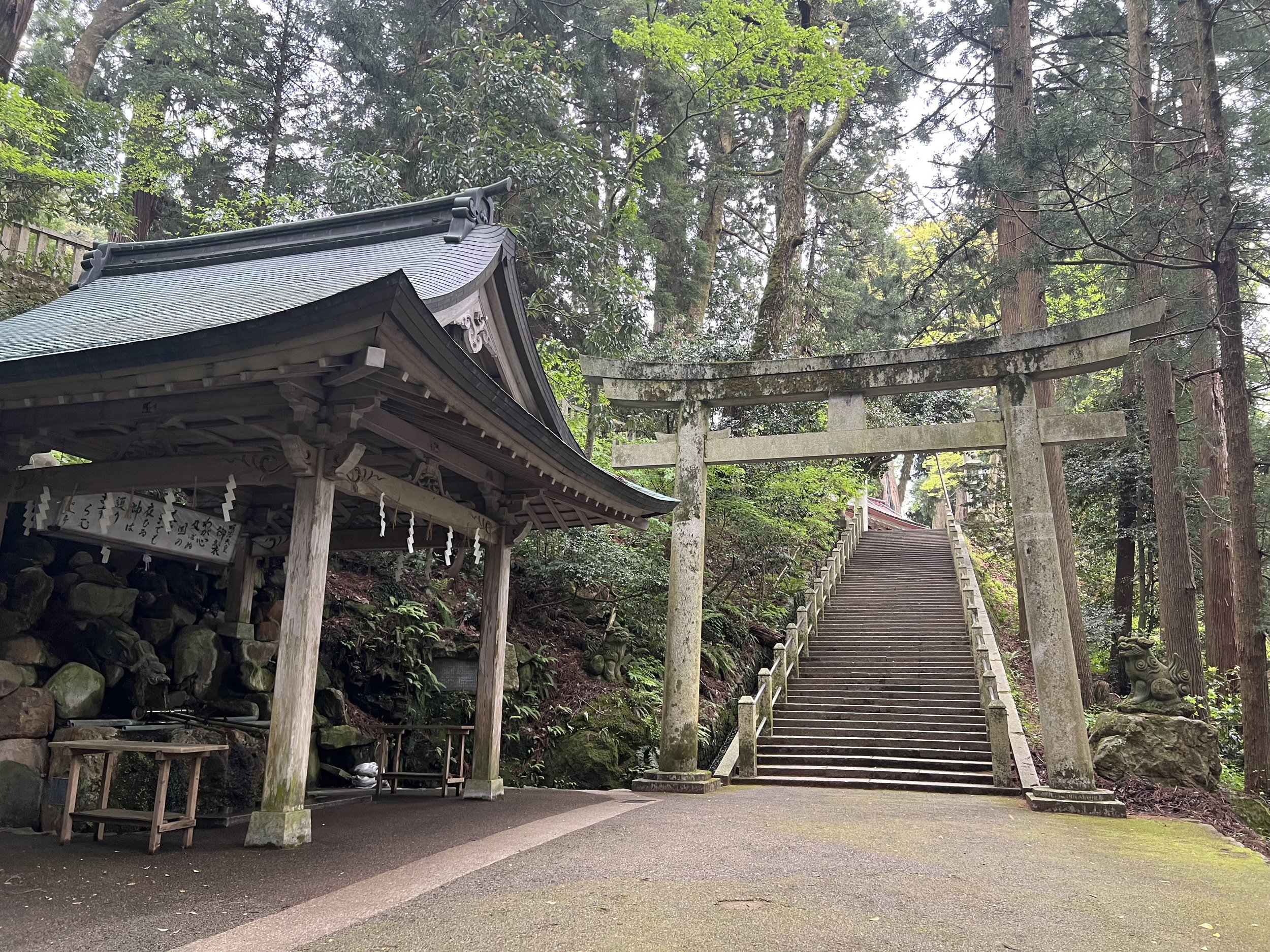
Located in Tsurugi in Ishikawa prefecture, Shirayama Hime Jinja (白山比咩神社)is said to have been originally built over 2,100 years ago and now serves as the main shrine for over 3,000 Hakusan and Shirayama shrines throughout the country, dedicated to the sacred mountain Hakusan. It is also known as the grand shrine that protects the Hokuriku region and is affectionately nicknamed Shirayama-san. The atmosphere was so eerie and serene and I particularly enjoyed the long walkway to the temple lined with sugi cedar, zelkova, and maple trees. You can easily visit Tsurugi as a day trip from Kanazawa. That’s what I did!
➡️ You can read my detailed one-day itinerary to make the most of a day in this little-known but super fun destination.
Kansai Region
7. Yasui Kompiragu Shrine, Kyoto Prefecture
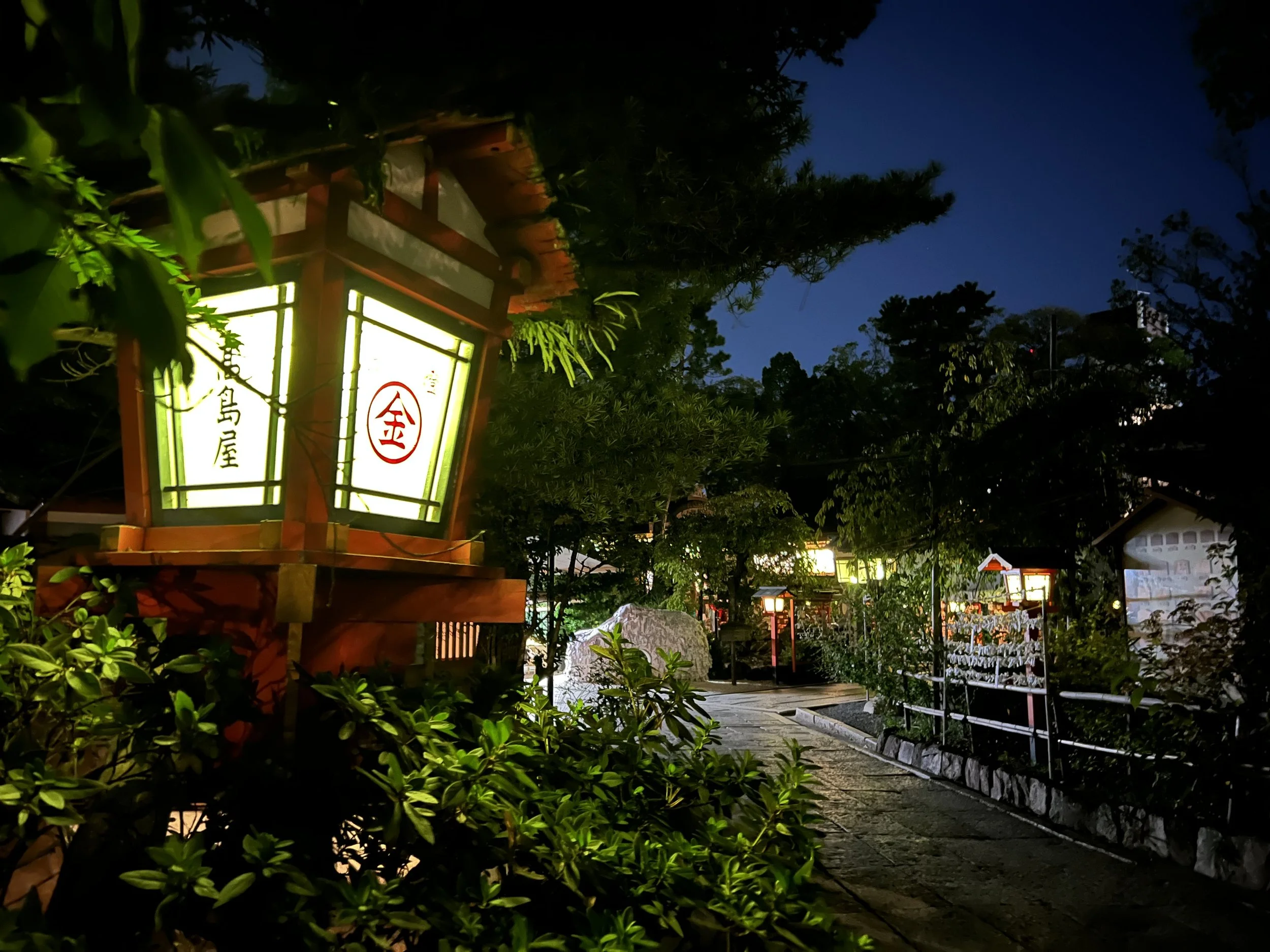
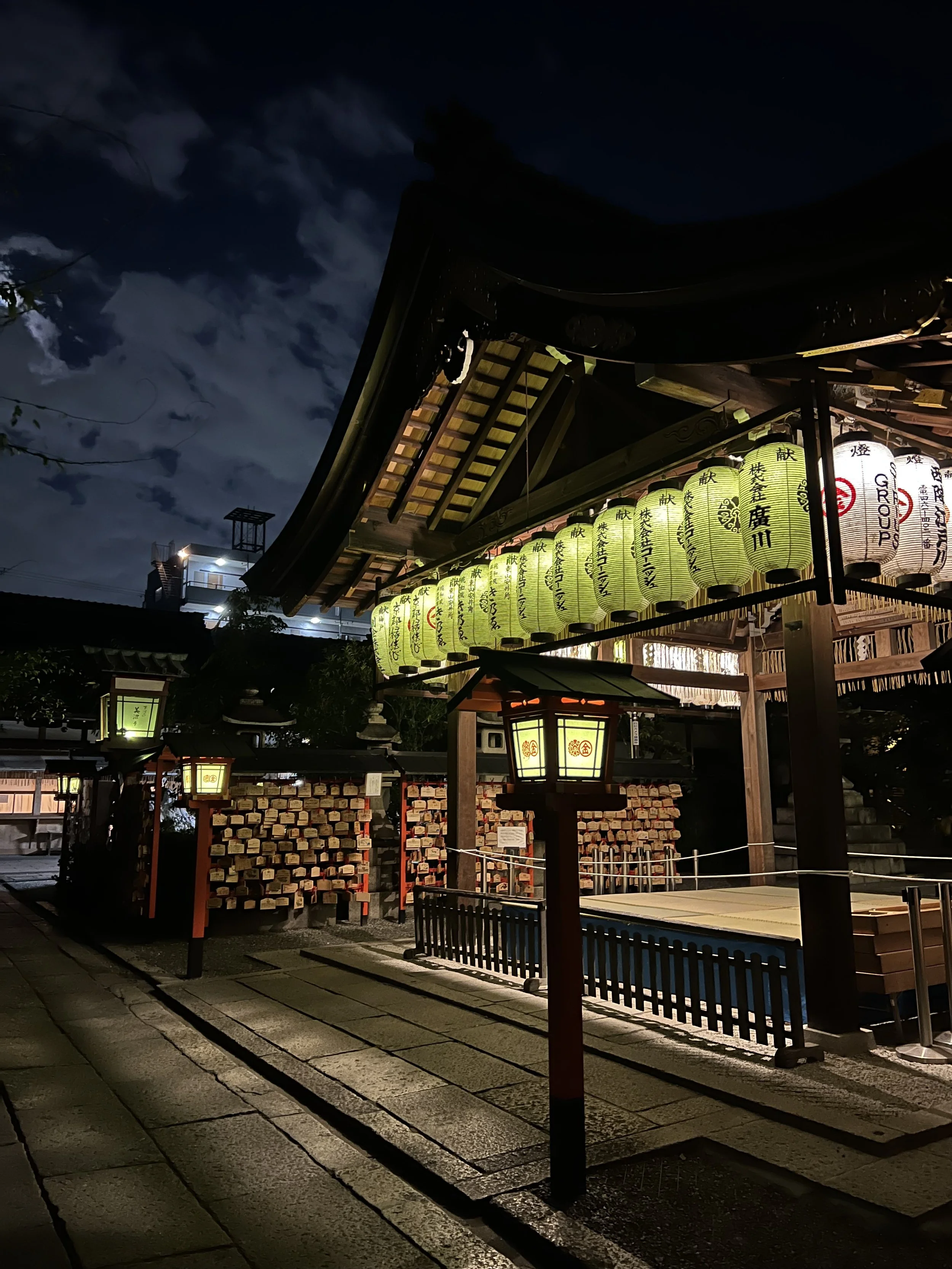
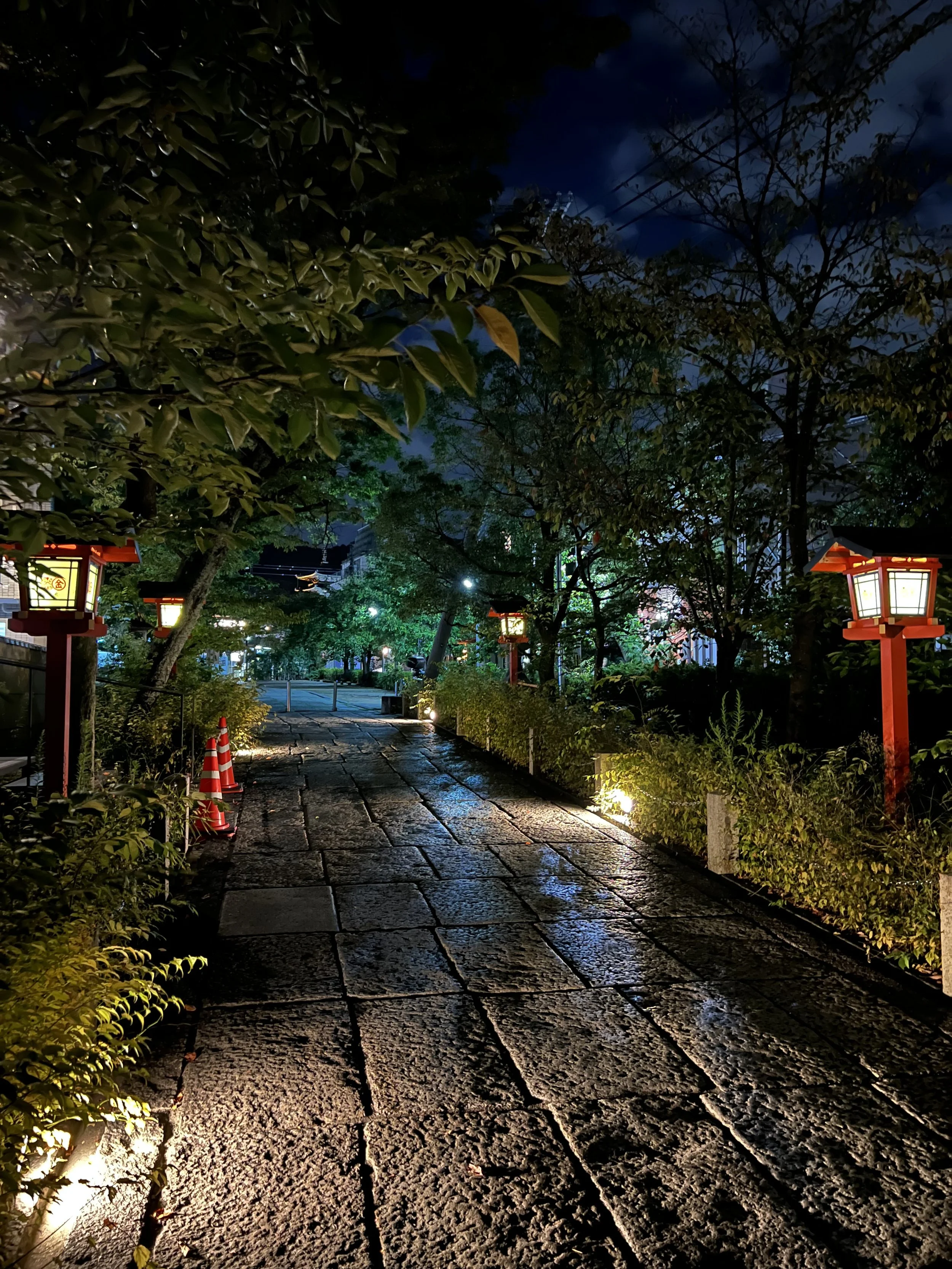
Yasui Kompiragu Shrine (安井金比羅宮) is a peculiar little shrine in Kyoto known for its unique approach to relationships: unlike many shrines that focus on good fortune or protection, this one focuses on visitors hoping to cut ties with negative influences and start fresh.
Despite its central location, the shrine remains relatively quiet compared to Kyoto’s major sights, especially at night. It was nearly empty when I visited and I found the illuminations around the shrine very pretty. It’s a short but memorable stop to add to your itinerary if you’re exploring nearby spots like Kiyomizu-dera or wandering through the streets of Gion.
🚃 Access: 8-min walk from Gion-Shijo station.
➡️ You can check out more of my Kyoto guides here.
8. Sumiyoshi Taisha, Osaka Prefecture
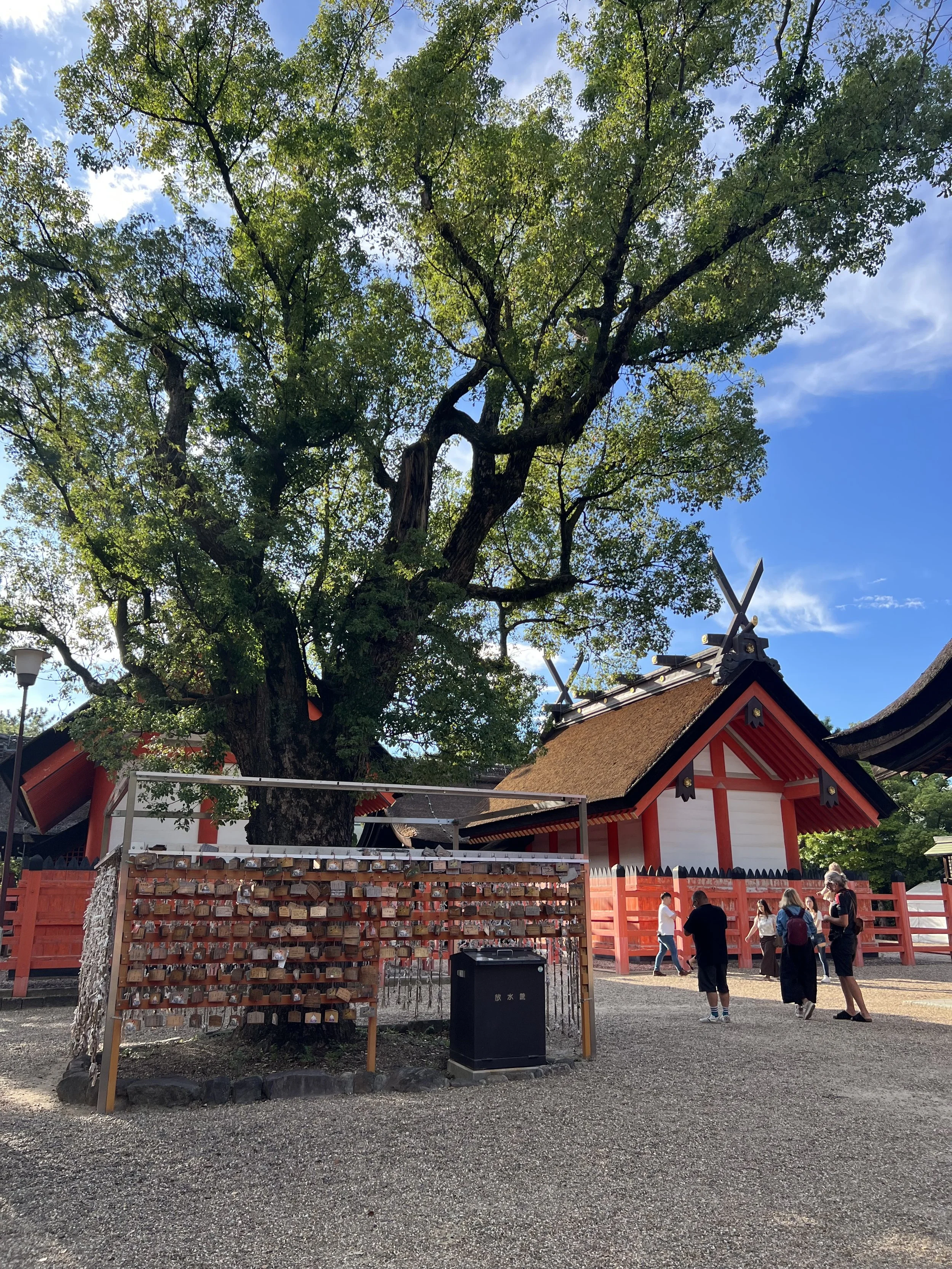
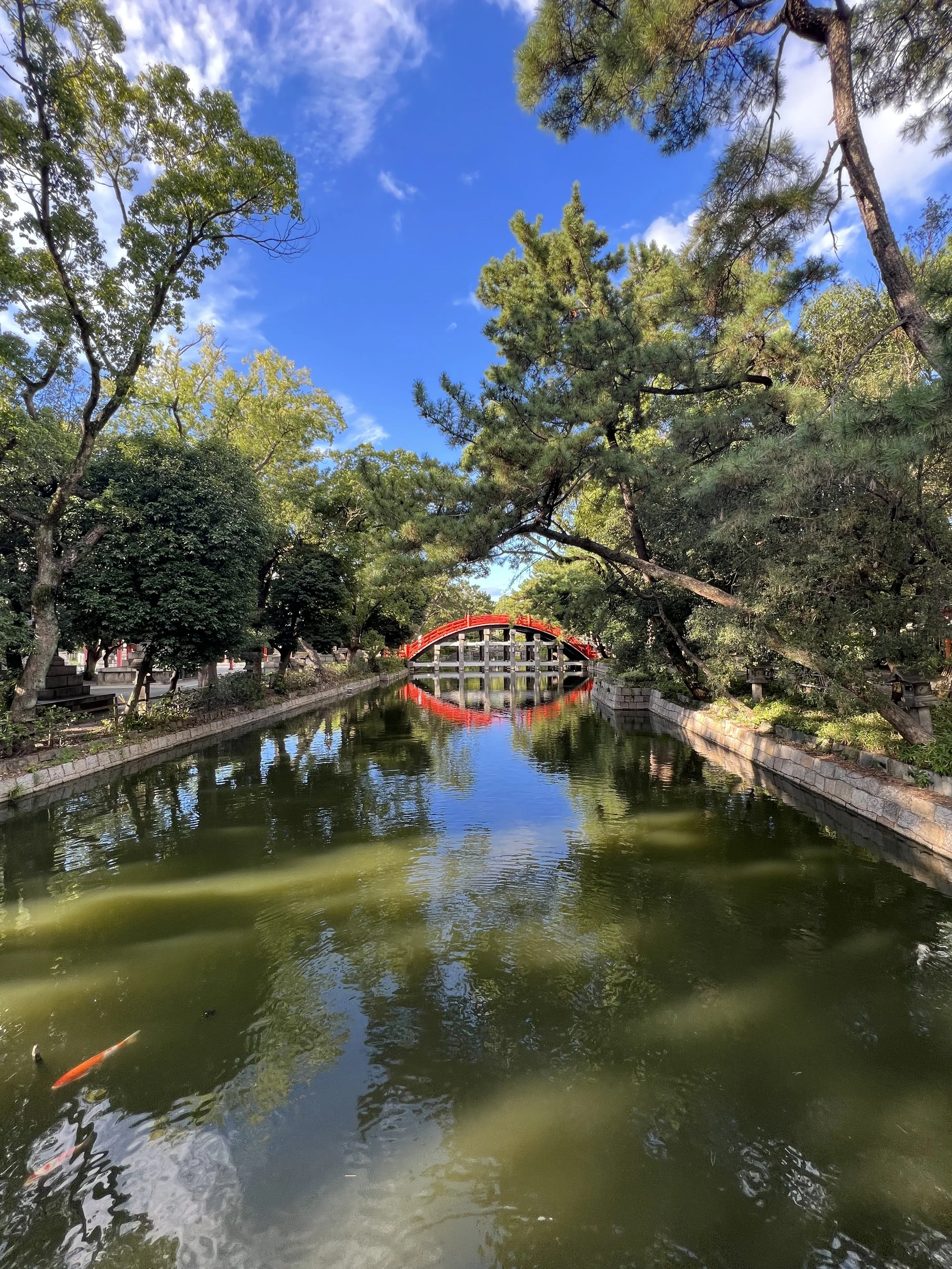
Sumiyoshi Taisha (住吉大社) is one of Osaka's most important shrines, easily accessible via the Nankai Line. It’s one of Japan’s oldest shrines and was founded in the 3rd century. The shape and size of Sorihashi Bridge (反橋), which is one of the most famous parts of the shrine, is truly impressive, and the reflection in the pond is just lovely. You can easily spend a hour exploring the shrine and enjoying its peaceful atmosphere, with different buildings to see, ponds where you can admire koi fish and turtles, and cats relaxing on the ground.
🚃 Access: A short walk from Sumiyoshi Taisha Station on the Nankai Main Line, or Sumiyoshitorii-mae Station on the Hankai tram line.
9. Futami Okitama Shrine, Mie Prefecture
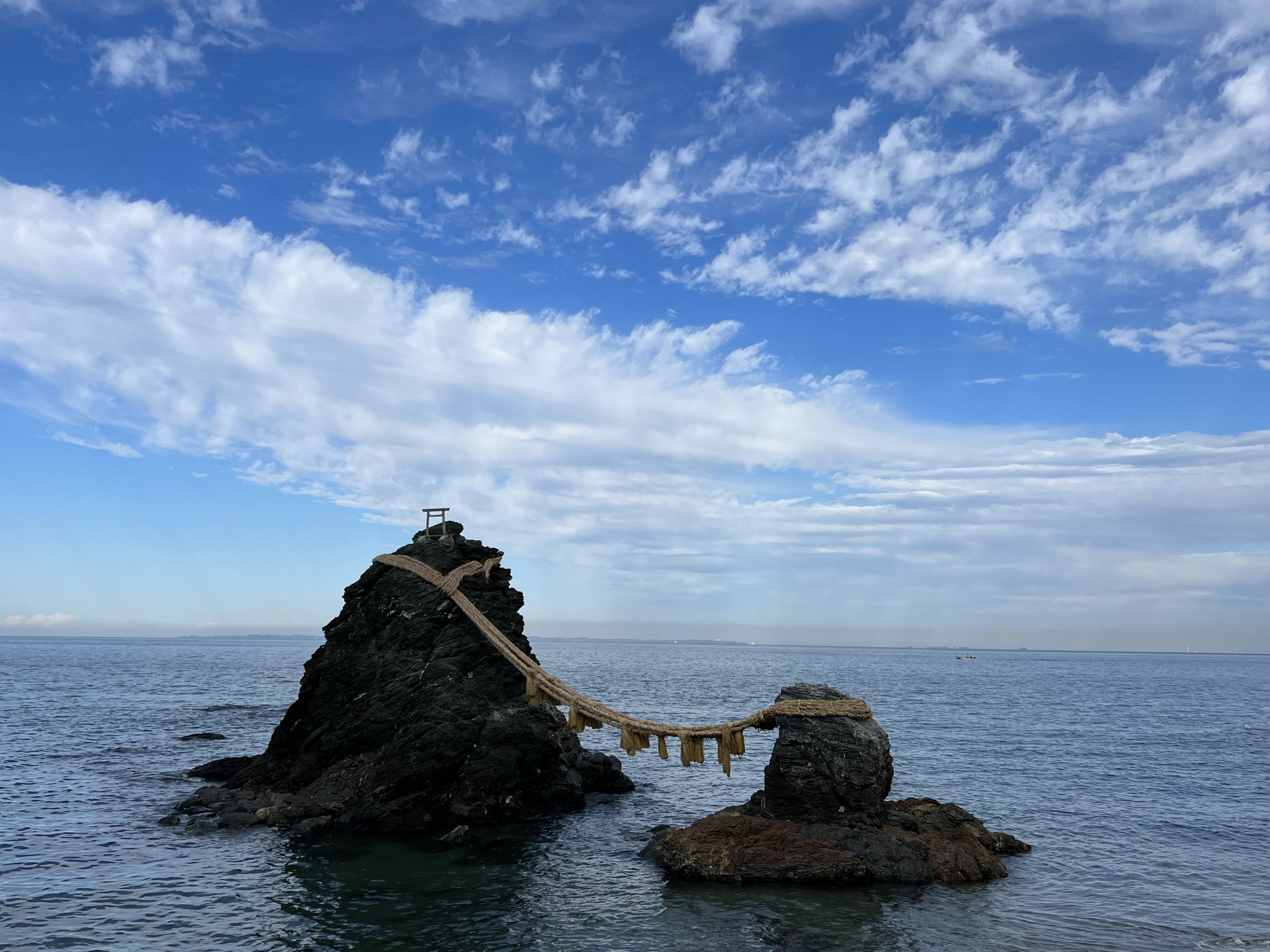
Futami Okitama Shrine (二見興玉神社) is best known for its view of the iconic Meoto Iwa, the “wedded rocks” tied together by a sacred rope, rising from the sea just by the shore. I visited this shrine as a stop on a road trip I did to explore Mie and Wakayama prefectures, and was so happy I did! The walk by the sea is refreshing and the shrine itself is intriguing with its many frog statues, said to symbolize safe returns.
It’s an easy place to spend a relaxed hour and you can combine a visit to the shrine with a stop at the nearby Ise Meotoiwa Shopping Plaza and ISE Sea Paradise aquarium. After visiting the shrine, I’d also recommend browsing the small souvenir shops nearby, and if you spot it, trying the local sea salt ice cream.
🚃 Access: About a 15-minute walk from Futaminoura Station on the JR Sangu Line. Futami Okitama Shrine can easily be combined with a visit to Ise (see my next recommendation, Futaki Okitama Shrine is actually the starting point of the Ise Pilgrimage) or Toba, a must-visit for travelers interested in Japanese pearls.
10. Ise Jingu, Mie Prefecture
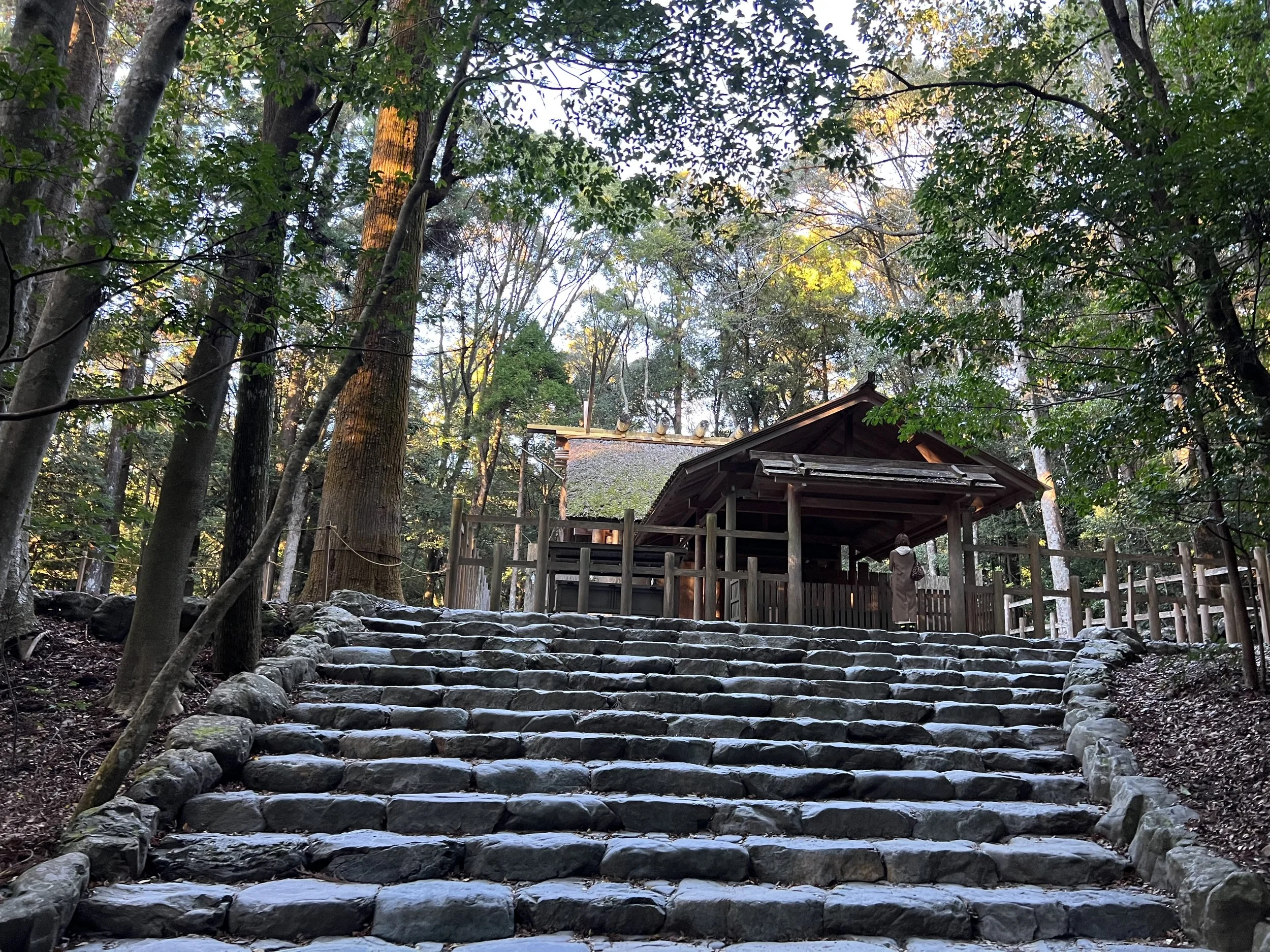
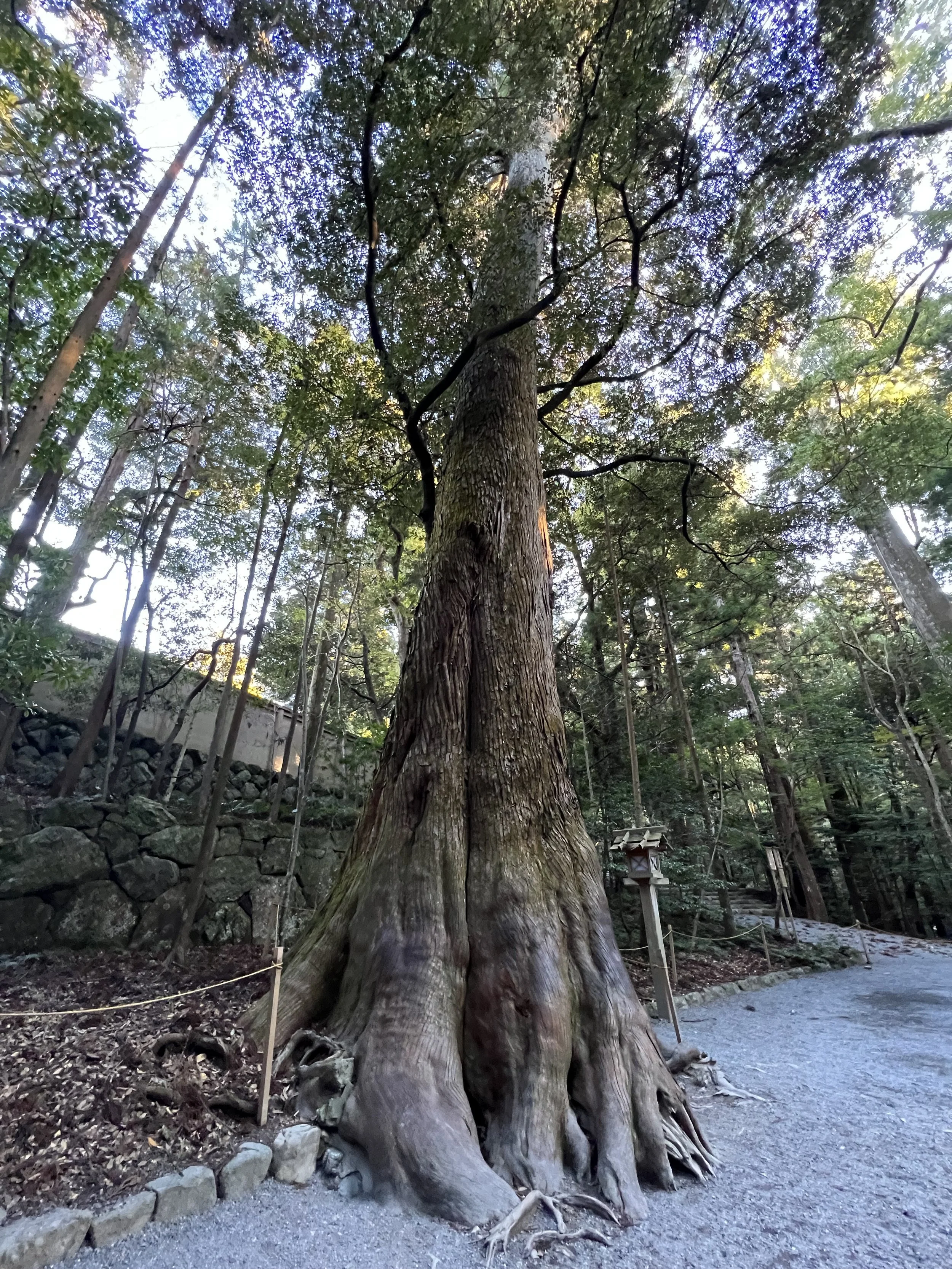
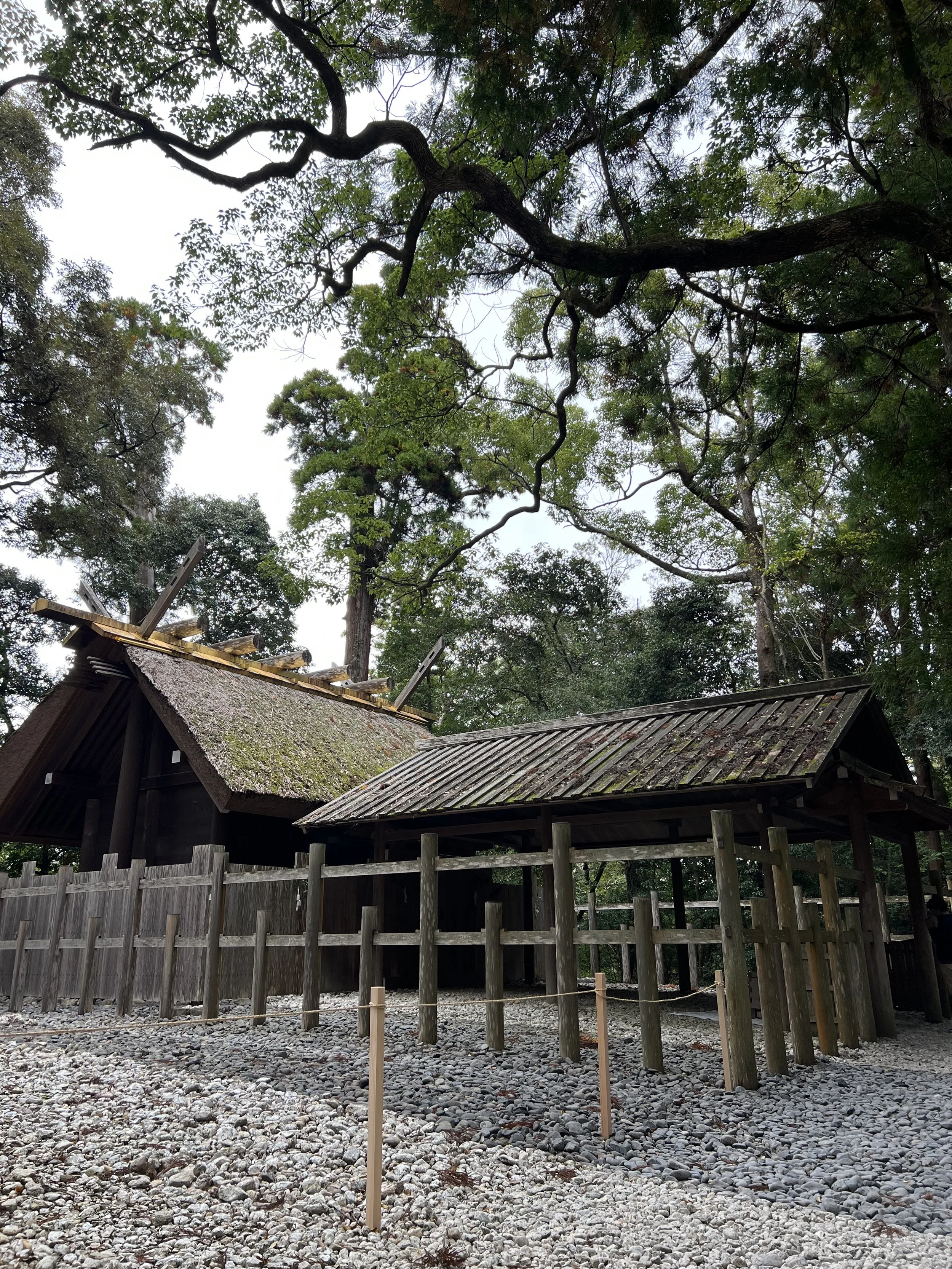
Considered the most sacred Shinto site in Japan, Ise Grand Shrine (東宝殿), or Ise Jingu, has been a place of pilgrimage for centuries. Rather than a single shrine, it is centered around two main sites: the Inner Shrine (Naiku) and the Outer Shrine (Geku), each set within a vast, forested landscape.
What struck me most wasn’t just its importance, but the atmosphere that permeates the entire area, with no minimalist decoration and a quiet sense of order and purity that sets the tone for the shrine’s solemn atmosphere.
🚃 Access: The Outer Shrine is about a 5-minute walk from Iseshi Station on the JR and Kintetsu lines. The Inner Shrine is located around 10–15 minutes away by bus from either Iseshi Station or Ujiyamada Station. Buses run frequently, making it easy to visit both shrines in one trip.
➡️ I’ll be writing a detailed guide to Ise in the future, so you can sign up for my free monthly newsletter to stay updated on new posts.
11. Kumano-Nachi Grand Shrine and Seiganto-ji, Wakayama Prefecture
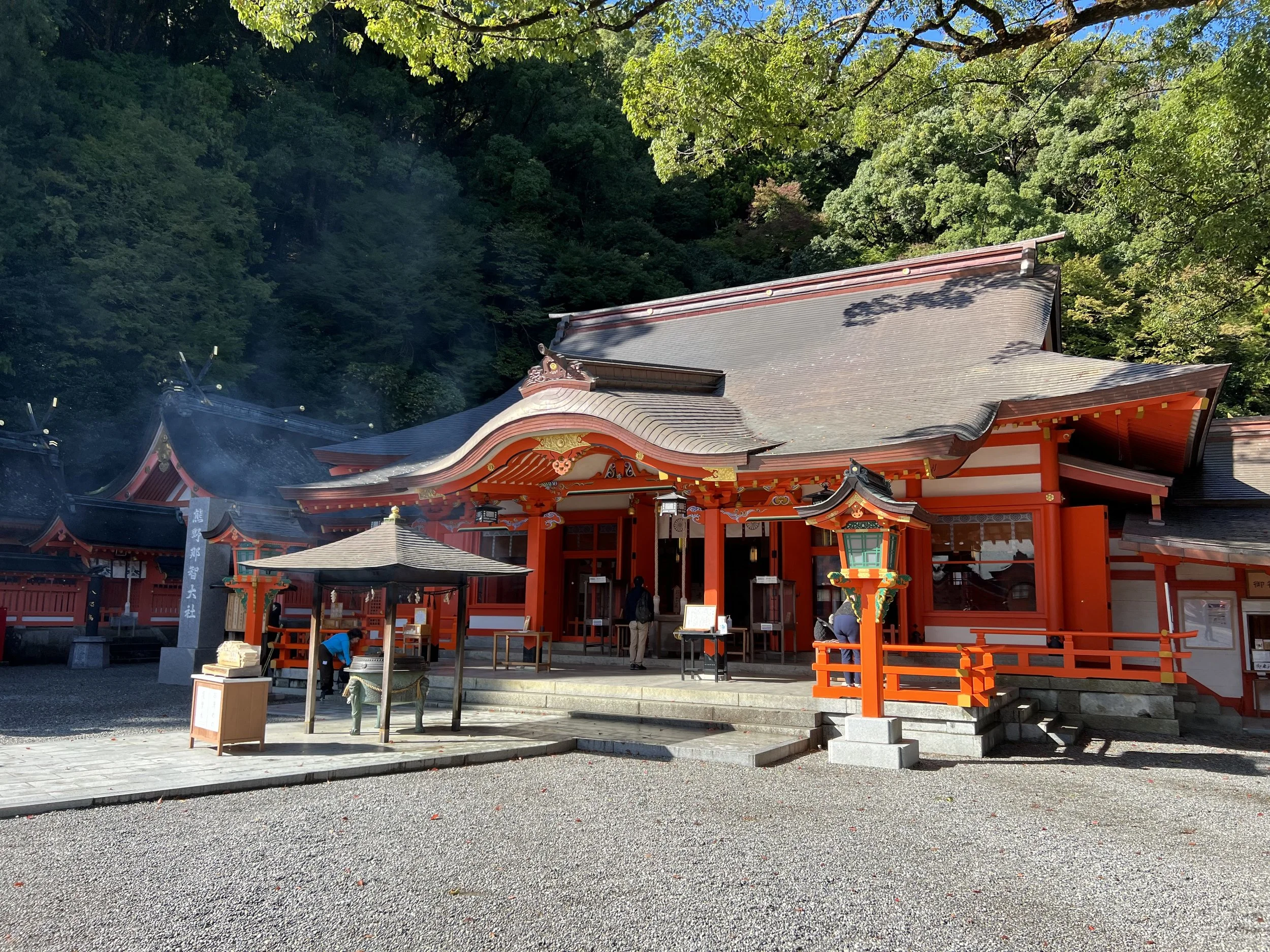
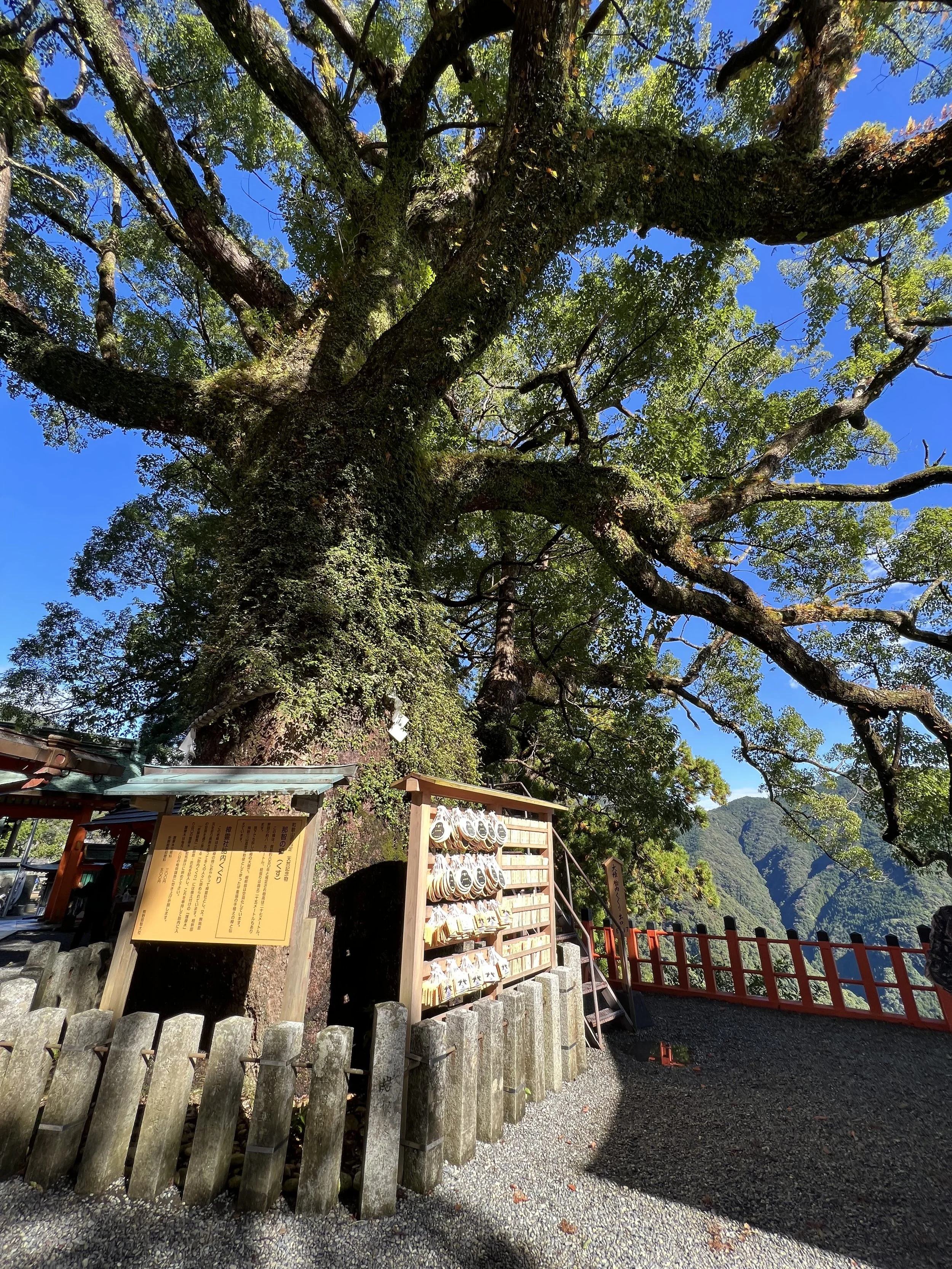
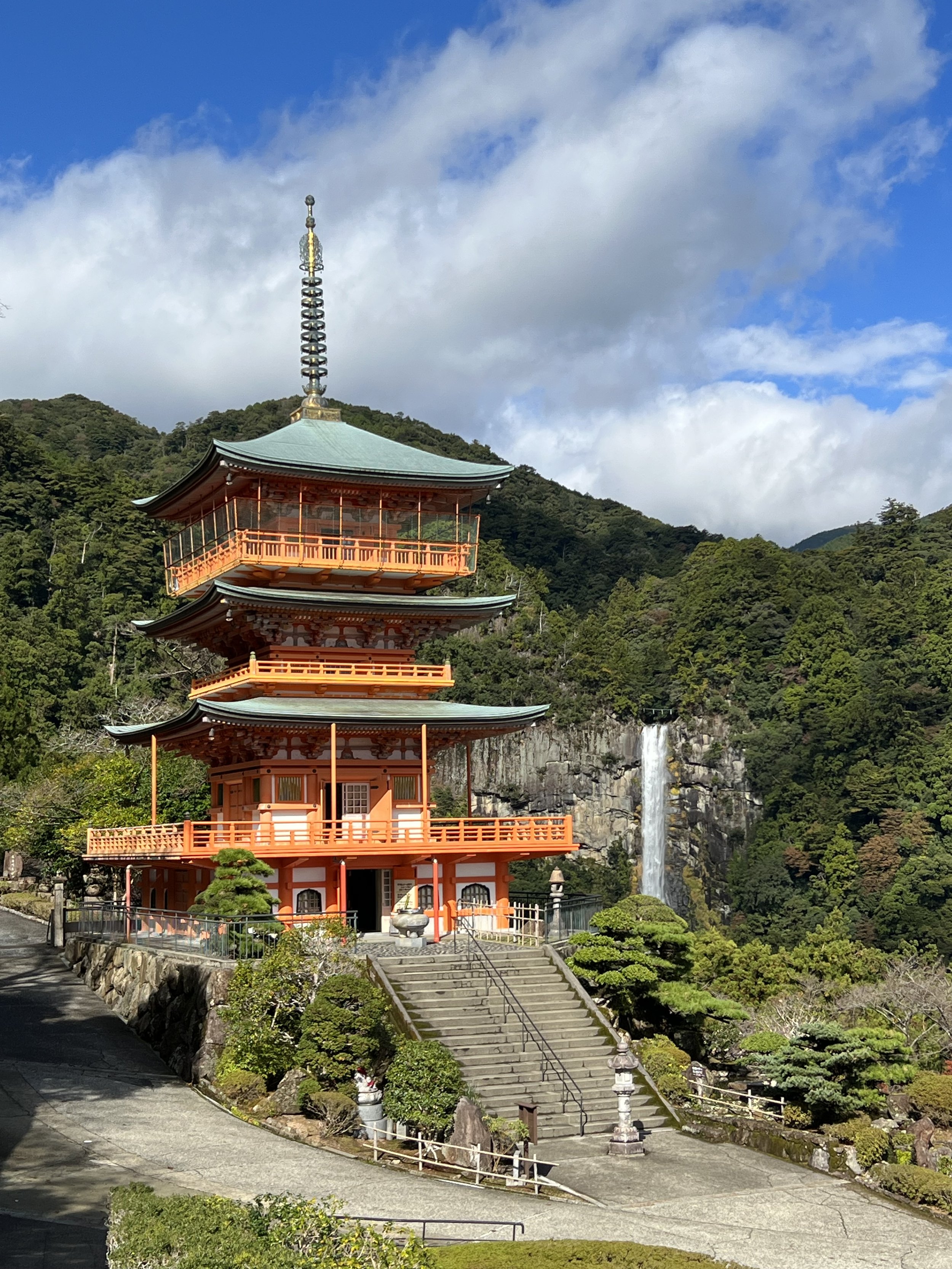
Set in the mountains of the Kumano region, Kumano Nachi Taisha (熊野那智大社) and Seiganto-ji (青岸渡寺) sit side by side overlooking Nachi Falls, one of the most well-known waterfalls in Japan.
There is so much to this area beyond the iconic view of the pagoda and the waterfall in the background. The walk up to the shrine through the forest is part of the experience, and once you reach the top, exploring the religious complex and admiring the combination of the pagoda, the surrounding mountains, and the height of the waterfall really stand out.
🚃 Access: From Kii-Katsuura Station, take a bus to Nachi-no-Taki-mae (about 30 minutes), then walk up to the shrine and temple complex. If you can, I’d recommend traveling by car, as it’s the easiest and most flexible way to explore the Kumano region. In that case, you can park at Daimonzaka Parking Lot and walk part of the Kumano Kodo Nakahechi Daimonzaka Route to reach the shrine.
Shikoku Region
12. Kompira-San, Kagawa Prefecture
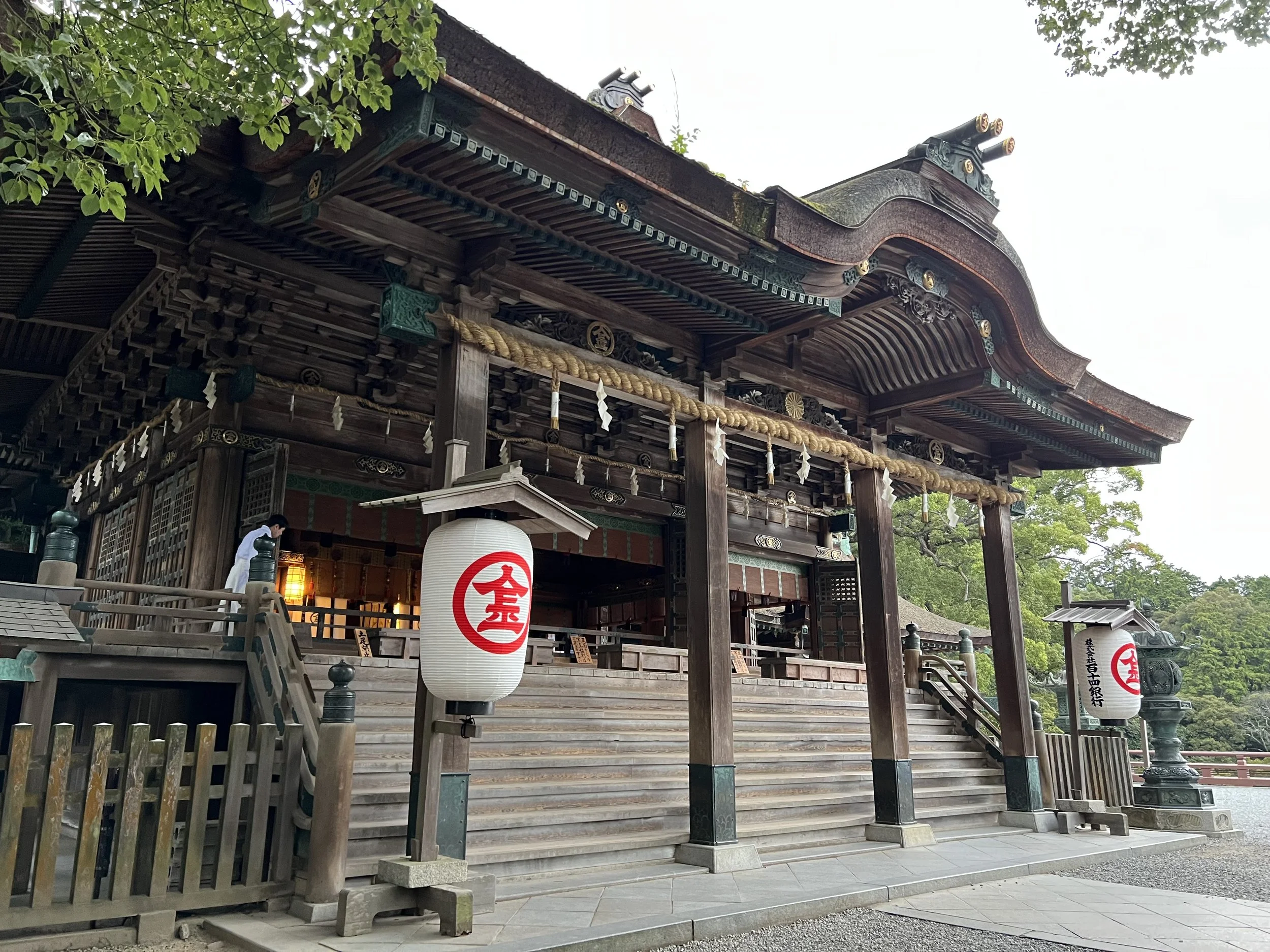
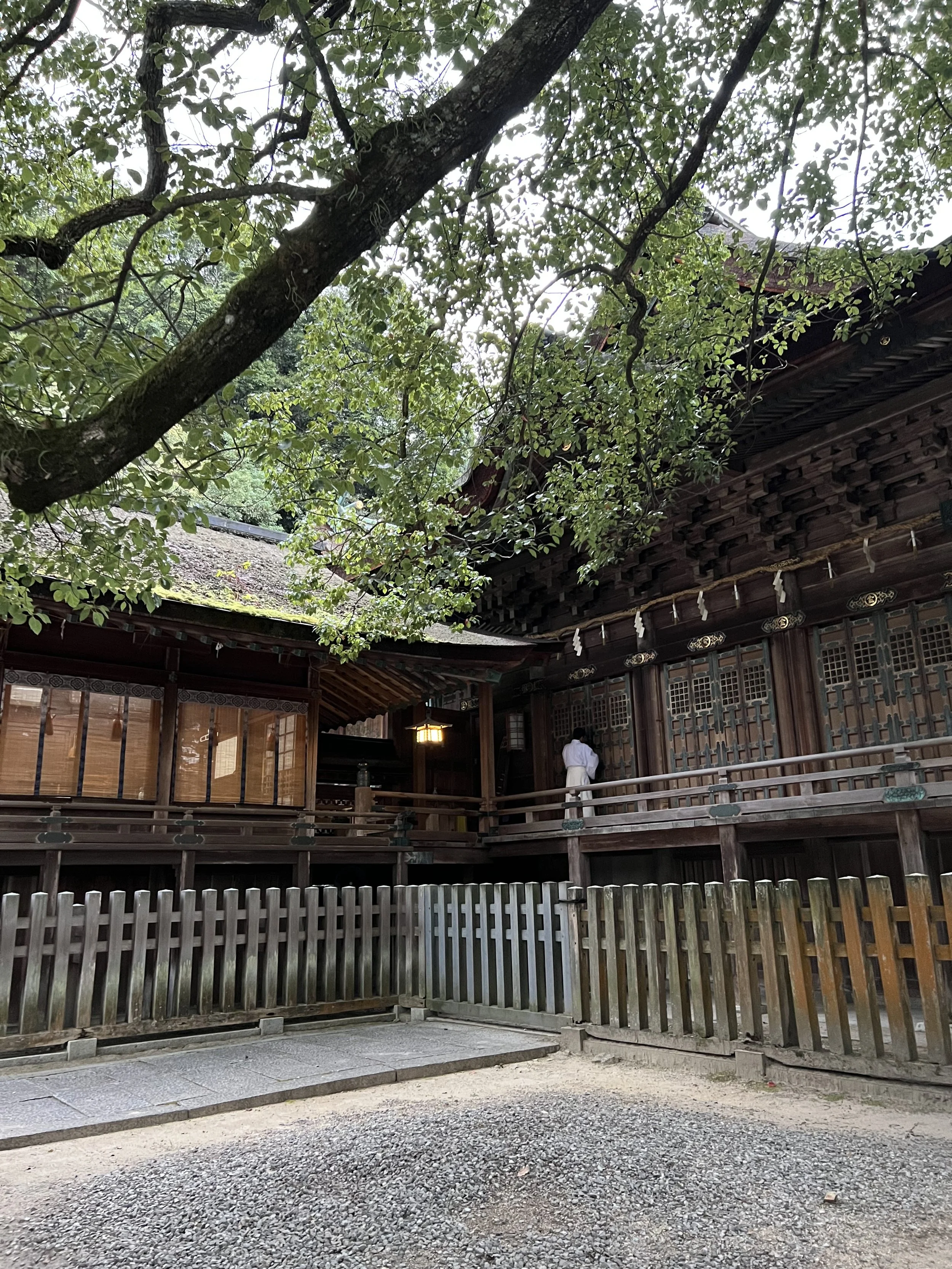
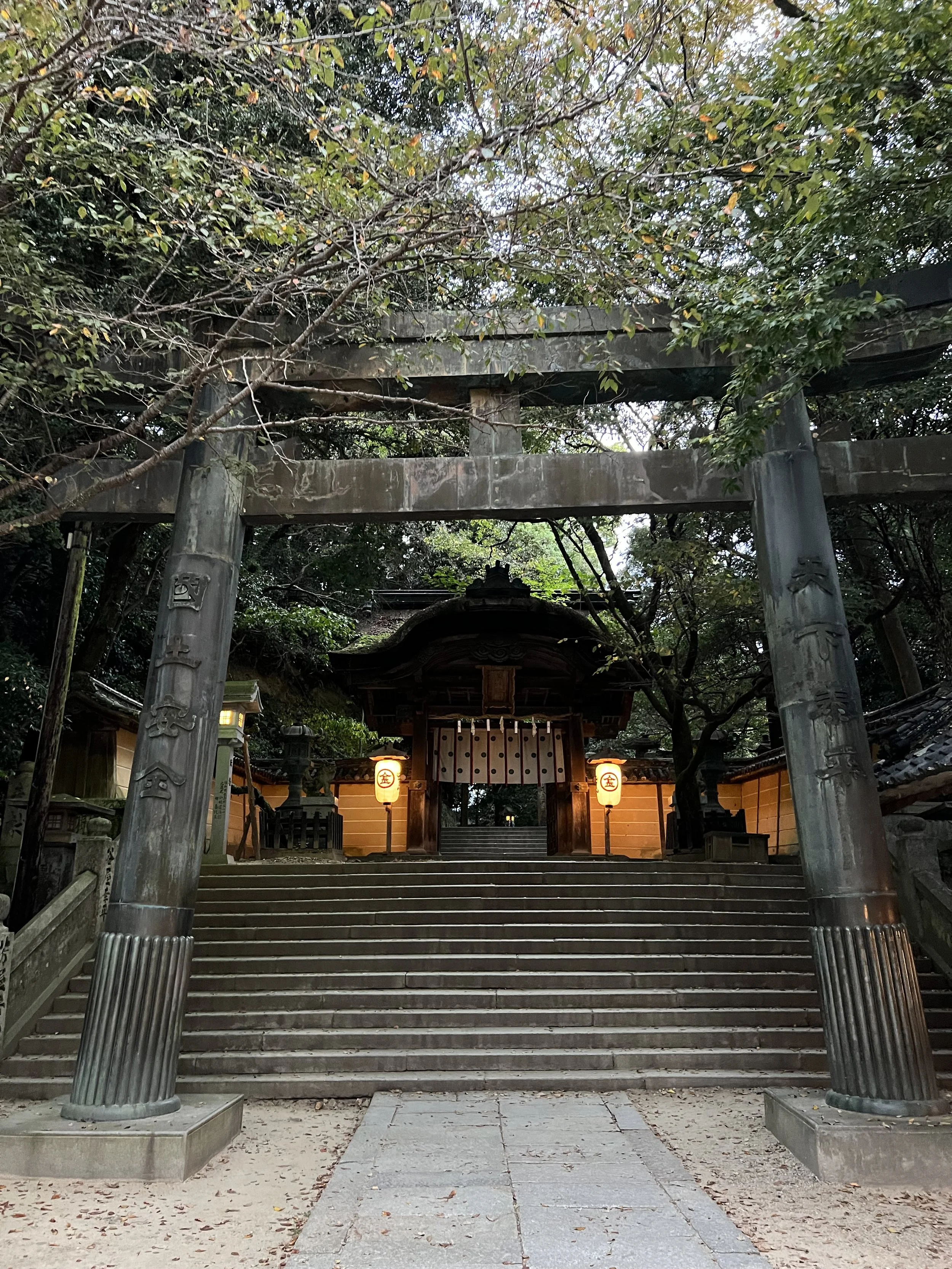
Located in the town of Kotohira, Kotohira-gu Shrine (金刀比羅宮), commonly known as Kompira-san, is one of the most well-known pilgrimage sites in Shikoku. The walk up to the shrine is beautiful as many of the steps after passing the entrance gate are surrounded by forest, giving it a mystical, almost otherworldly feel. I had a fantastic experience visiting Kompira-san in the late afternoon before the shrine closed (which is at 6pm), as it was almost empty and the atmosphere was quite special with the lanterns and lights coming on as night fell.
➡️ I’ve shared a full guide to visiting Kotohira and Kompira-san, including what to expect along the climb and tips to make the most of your visit, which you can read here.
If you’re traveling through Shikoku, this is a place that’s easy to include in your itinerary and pairs well with a visit to nearby Takamatsu.
13.Unpenji Temple, Tokushima Prefecture
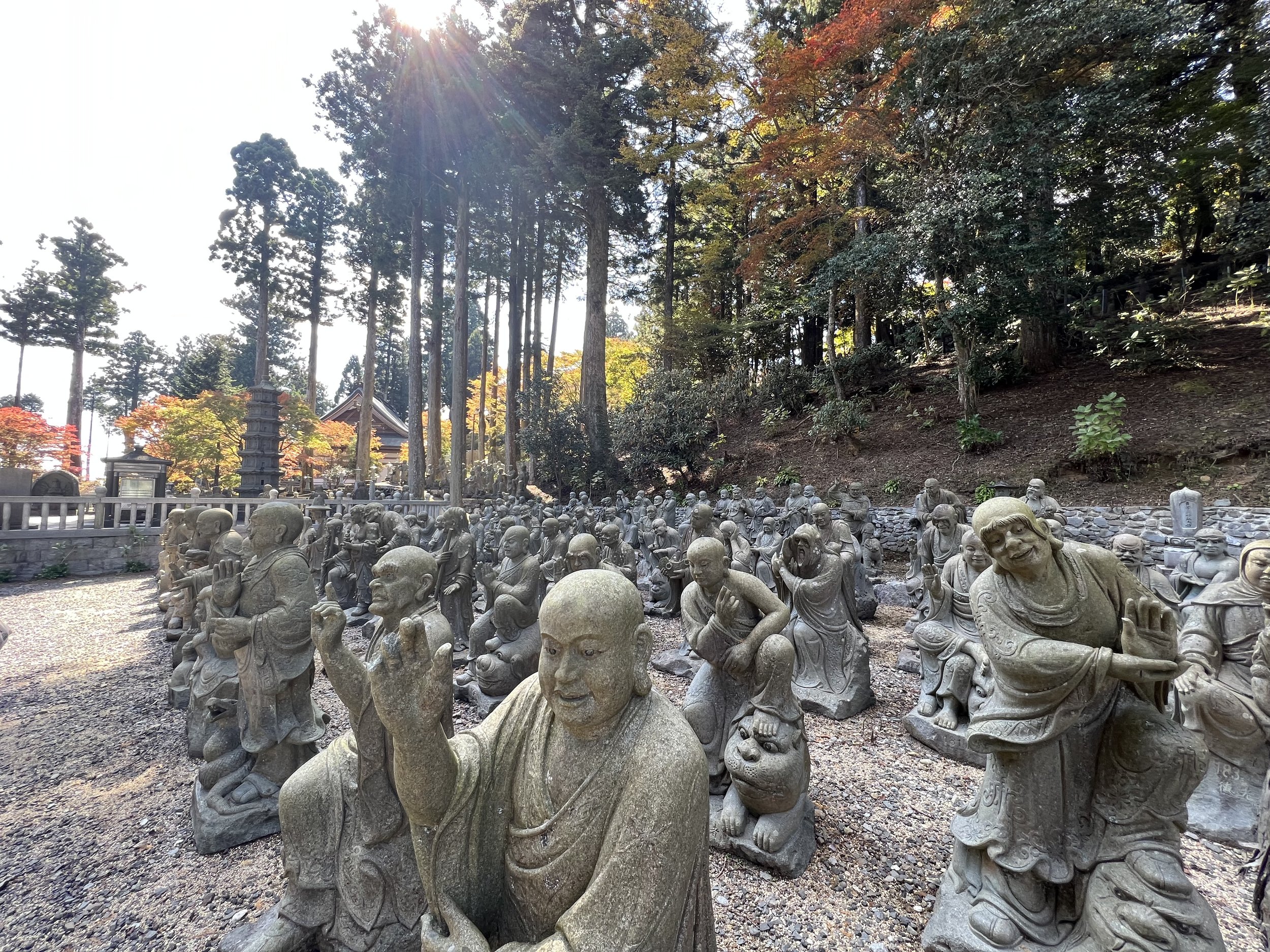
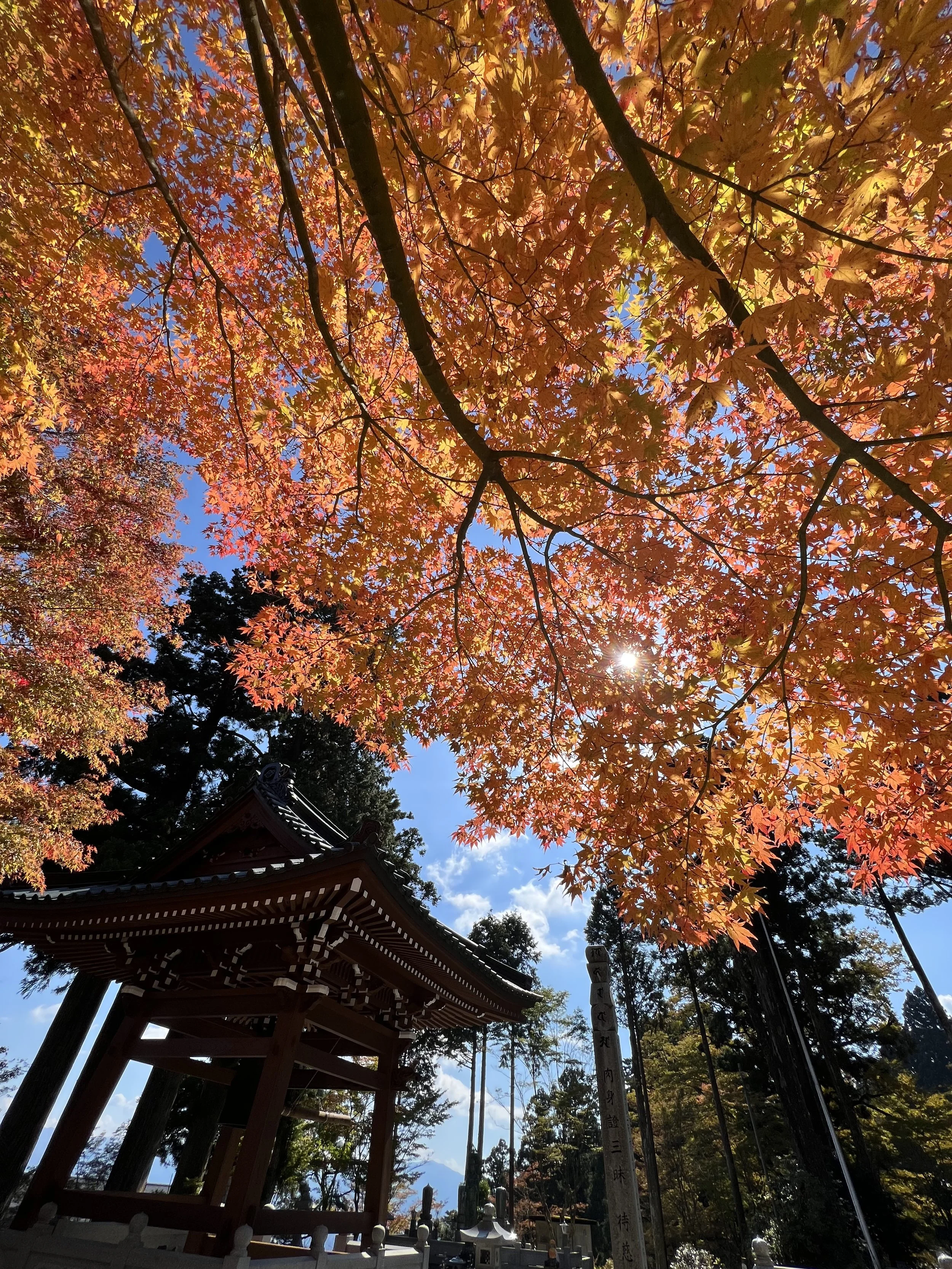
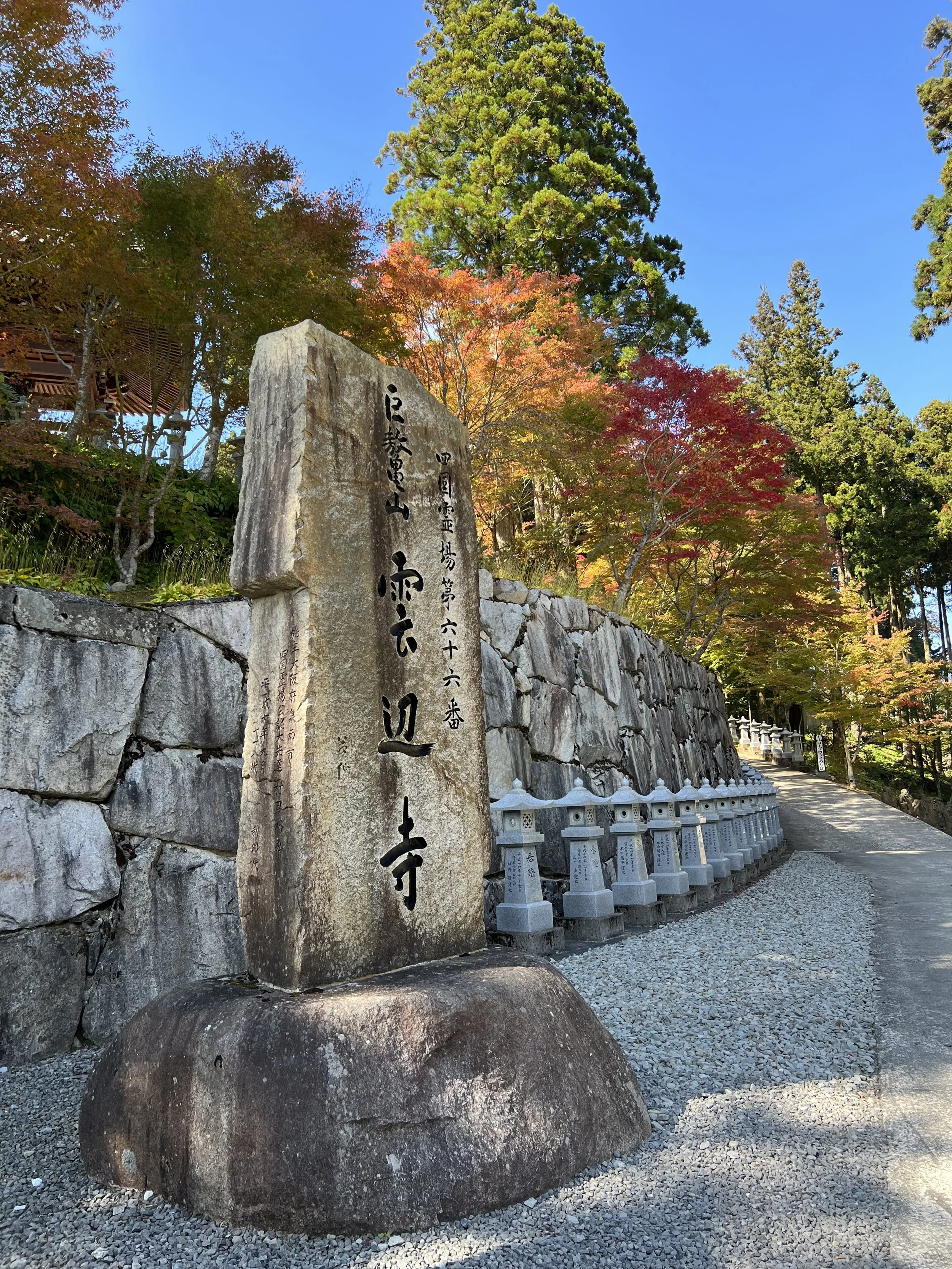
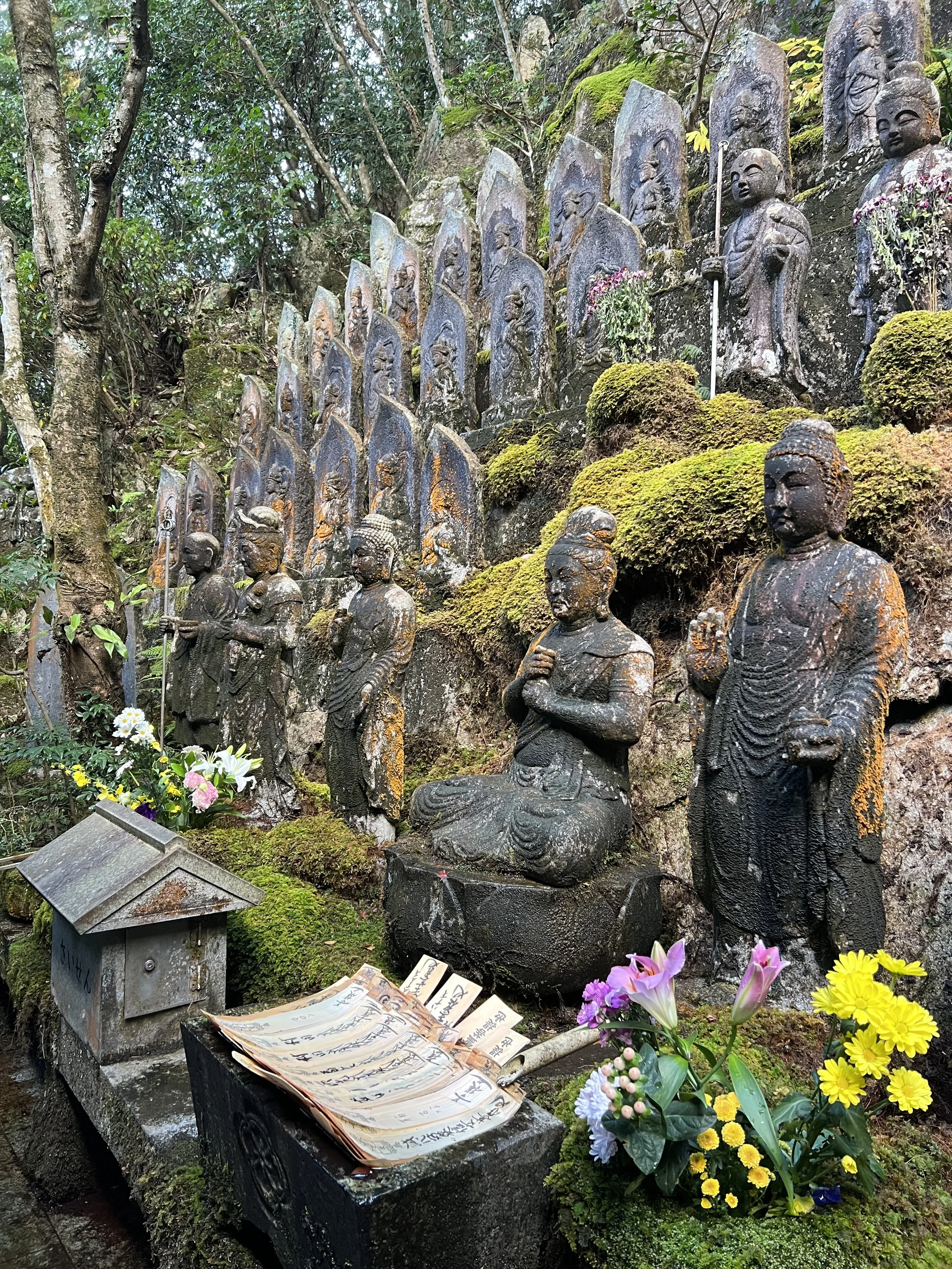
Unpenji (雲辺寺) is the 66th temple of the Shikoku 88 temple pilgrimage. Among the 11 temples of the pilgrimage I visited during my trip in Shikoku, this was my favorite temple. Between the ropeway trip to access the temple, the hundreds of statues on its grounds and the stunning view of Kagawa and Tokushima prefectures and the Seto Inland Sea, it’s really an hidden gem.
Access: The Unpenji ropeway is accessible only by car. You can also access Unpenji temple directly by car or hiking.
Chugoku Region
14.Mitaki-Dera, Hiroshima Prefecture
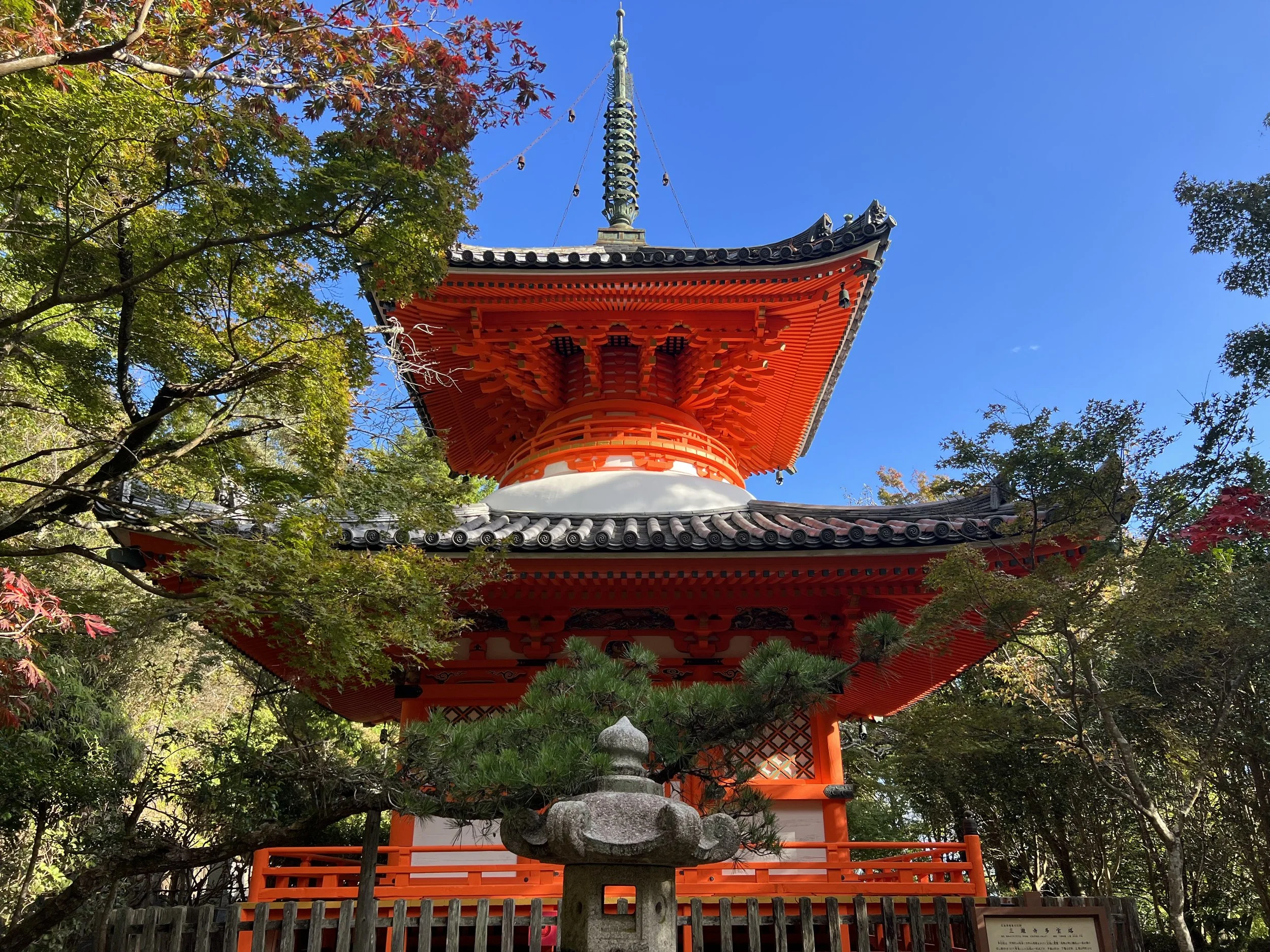
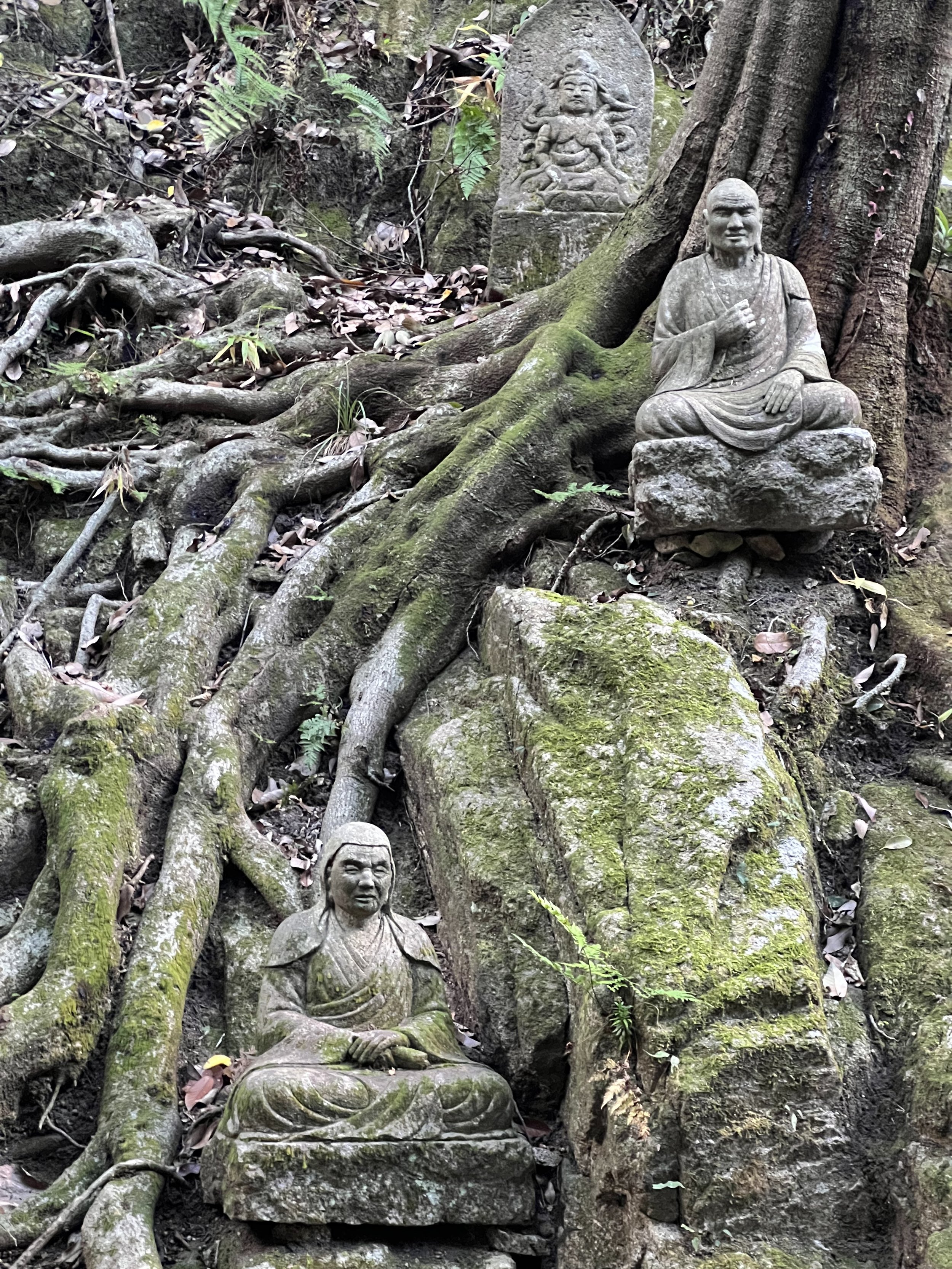
Mitaki-dera (三瀧寺) is a quiet temple complex in the north-west of Hiroshima. The temple is named after the three waterfalls located on its grounds. Particularly beautiful in autumn and spring, this atmospheric temple nestling on the forested slopes of Mount Mitaki is an ideal nature getaway from Hiroshima.
I spent a couple of hours exploring Mitaki-dera and was deeply touched by the serenity and beauty of this place. If you’re looking for hidden gems near Hiroshima, Mitaki-dera is definitely a place not to miss!
➡️ Check out my dedicated article to learn more about this beautiful temple, access and more travel tips.
Kyushu Region
15.Takachiho Shrine, Miyazaki Prefecture
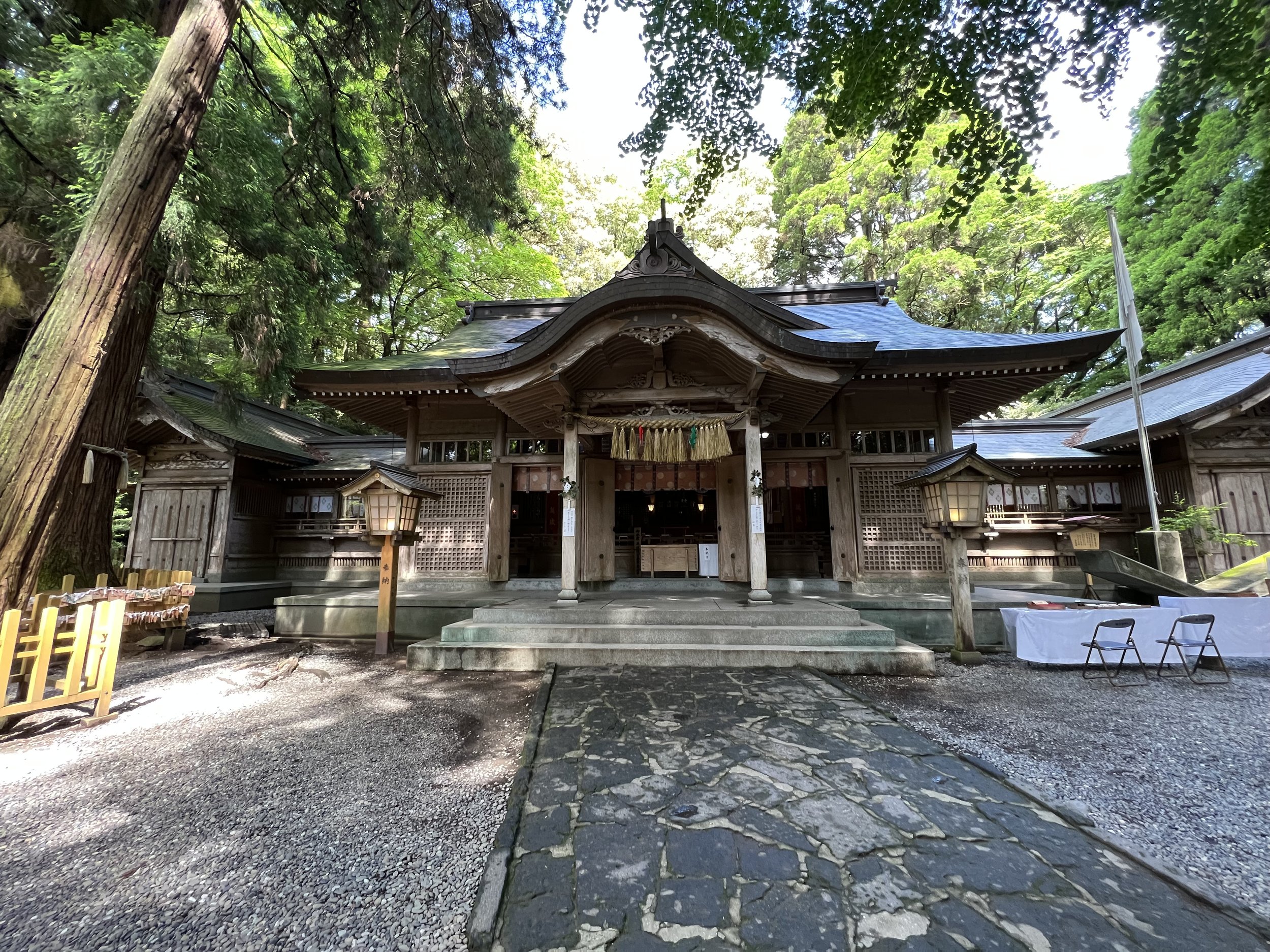
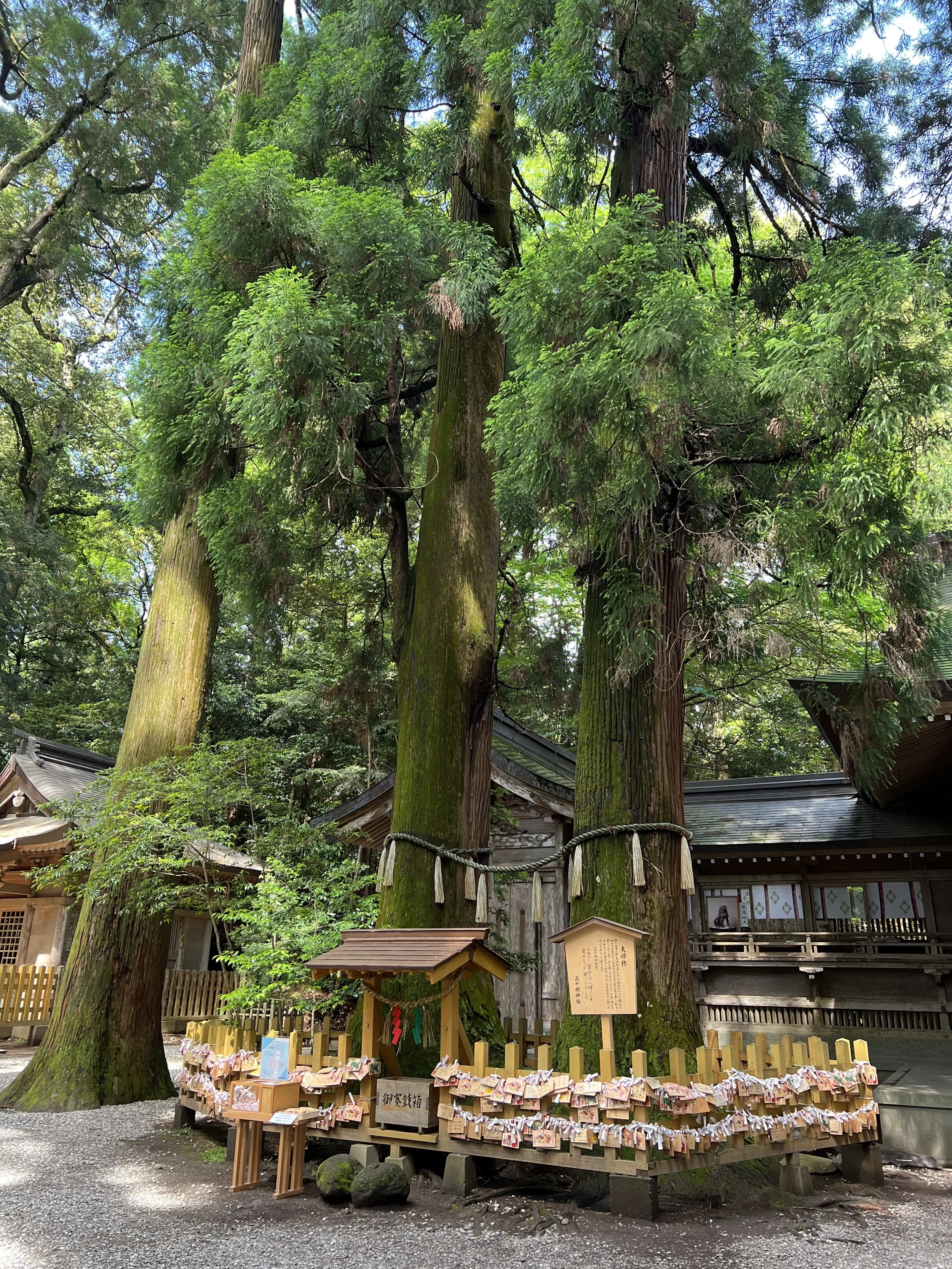
Located in the rural town of Takachiho (known for its Takachiho Gorge), Takachiho Shrine (高千穂神社) is surrounded by tall cedar trees and a quiet, almost secluded atmosphere. I remember the shrine’s charming grounds, with towering trees and soft light filtering through the forest.
This shrine is one of the main spiritual sites in the area and is closely tied to Japanese mythology. If you visit in the evening, you can also attend a traditional Takachiho Kagura dance performance held at the shrine (every night at 8pm). You can find more information about the performance and reservation options on Takachiho Tourist Association website.
Access: Takachiho is best reached by car. From Kumamoto or Miyazaki, the drive takes around 2 to 3 hours. Highway buses also run from Kumamoto.
16. Kamishikimi Kumanoimasu Shrine, Kumamoto Prefecture
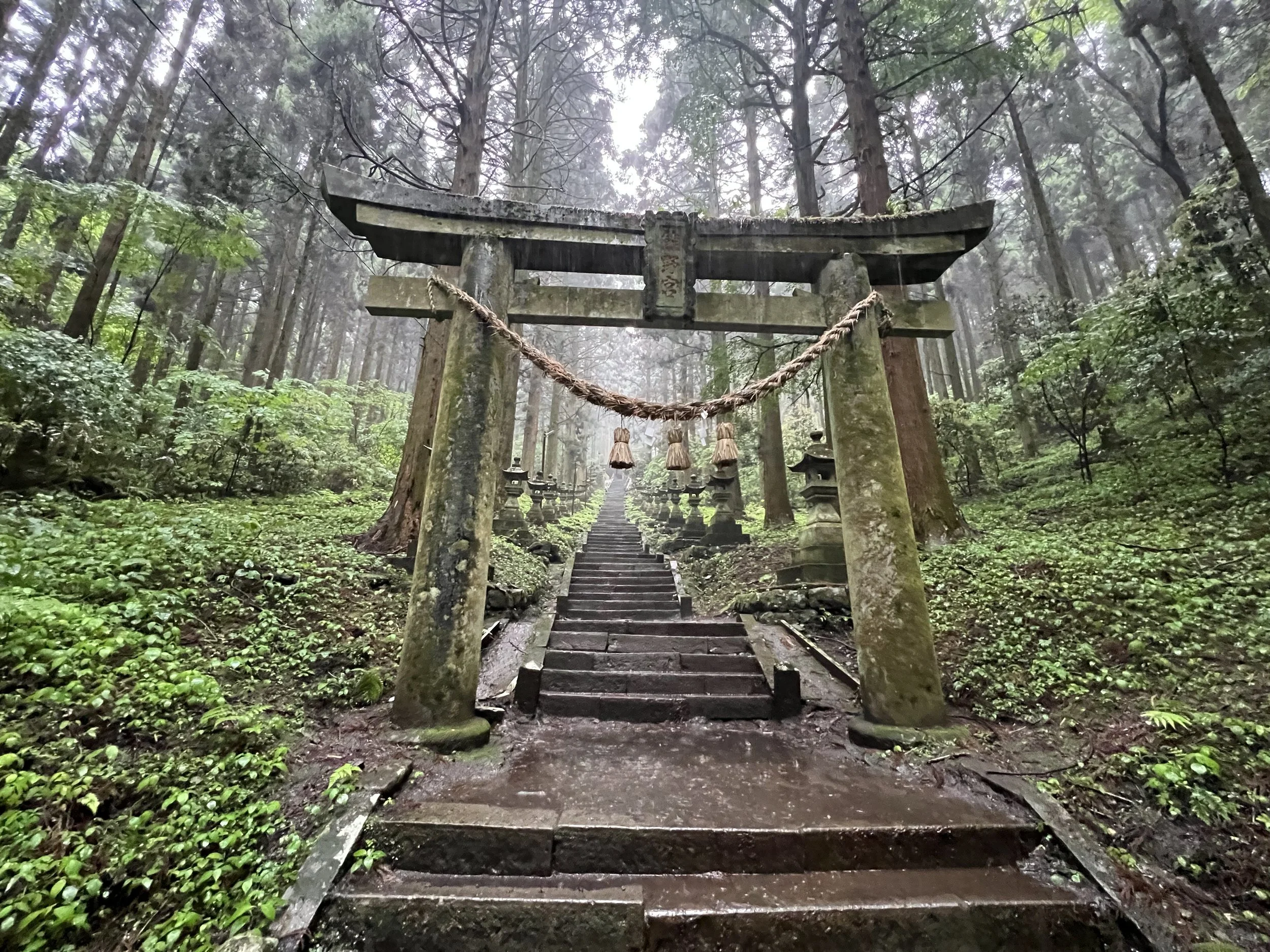
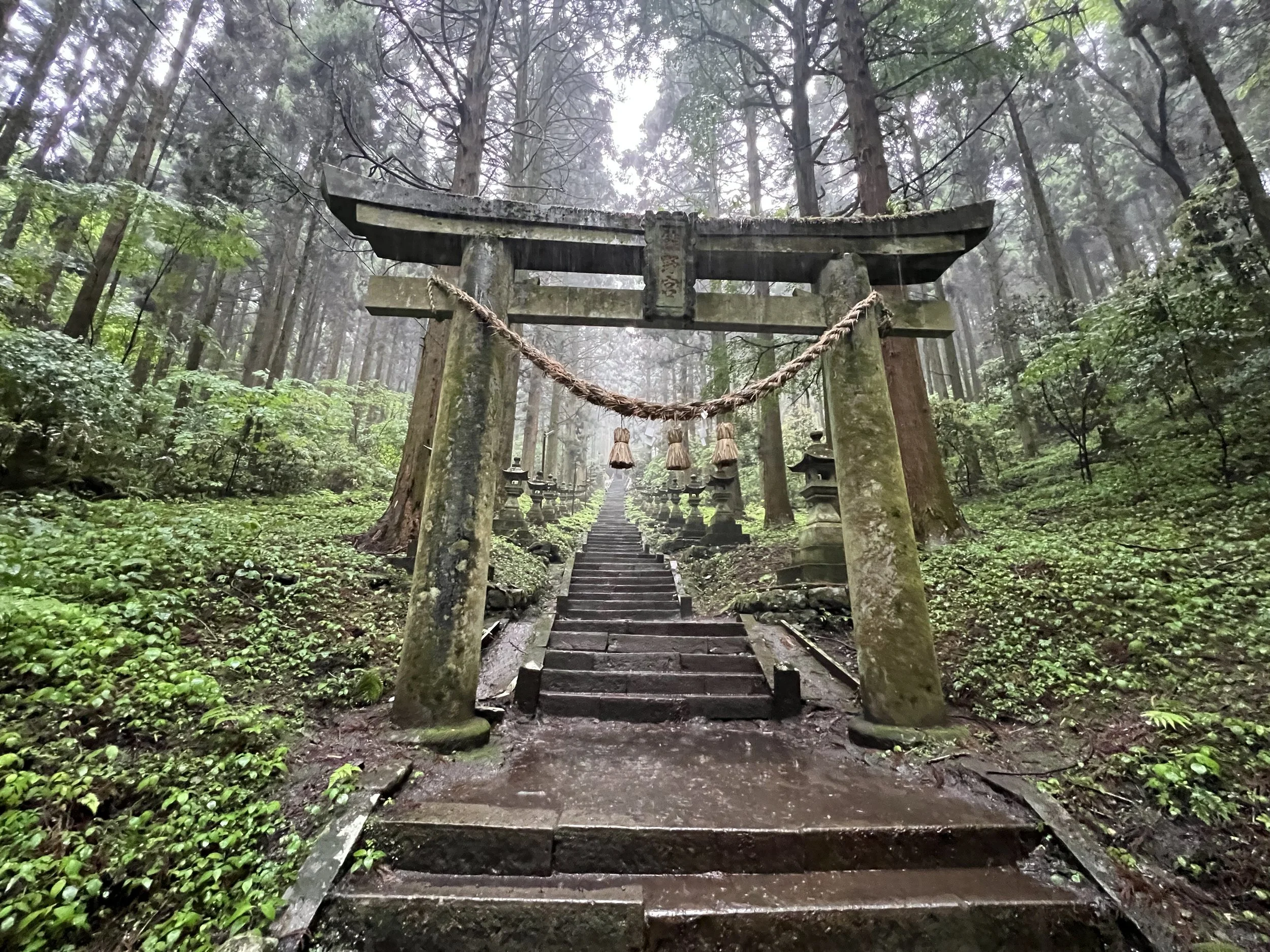
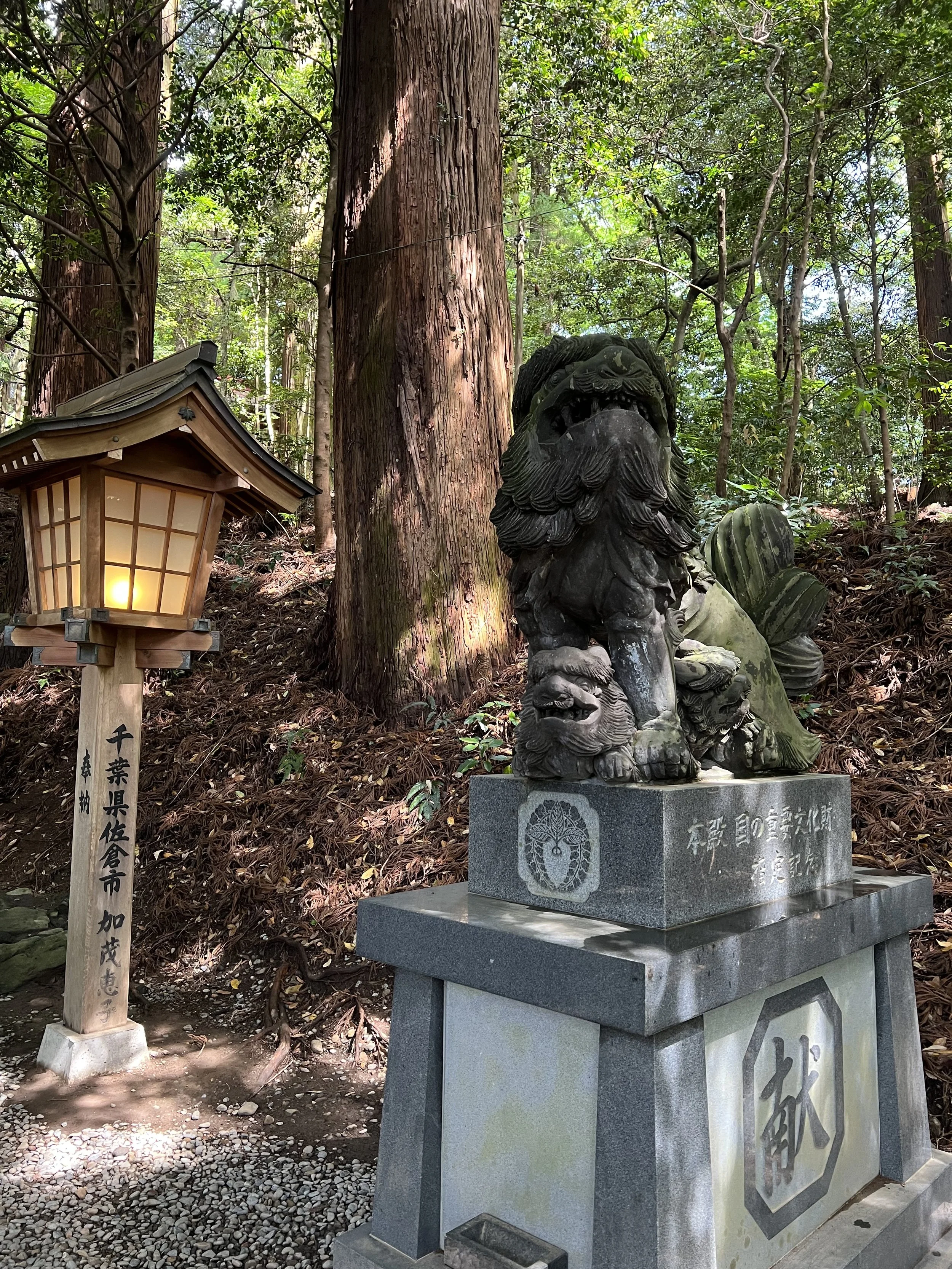
Hidden in the forests of Aso, the atmosphere at Kamishikimi Kumanoimasu Shrine (上色見熊野座神社) really felt special. From the entrance, a path lined with stone lanterns leads up through the trees, gradually becoming steeper and more atmospheric with each step. It was foggy and rainy when I visited which added to the almost otherworldly atmosphere.
I visited a few years ago and it seems like its popularity has grown online, but it still seems relatively untouched. If you’re exploring the Aso region, this is an easy and memorable stop to include alongside the surrounding landscapes.
Access: Best reached by car. From Kumamoto City, the drive takes about 1.5 hours. Parking is available near the shrine entrance.
To Conclude
Some of my favorite travel experiences in Japan have come from visiting places like these. Less crowded, often more connected to nature, and each with its own distinct atmosphere. If you’re planning your itinerary, consider adding a few lesser-known shrines or temples alongside the major sights. They’re often just as memorable, if not more. I’ll keep updating this list as I continue exploring. Stay tuned!
Found this article helpful? Buy me a coffee. 😊
Want to stay in touch? Subscribe to my monthly newsletter (with latest articles, updates, travel tips and more...) delivered straight to your inbox. 📩
Some of the links in this article are affiliate links. At no extra cost to you, I may earn a small commission when you click on them and make a purchase. And if you do, thanks for your support! Purchasing through these links is a great way to support Travely Notes, as this helps with the costs of running my blog.

As overtourism is affecting many of the country’s best-known places, I want to highlight lesser-known corners of Japan to inspire travelers to expand their exploration of this fascinating country beyond the popular “must-visit” spots. In this article, I wanted to bring together some of the places that have stayed with me the most, that I’ve found underrated, each with its own special charm and that has exceeded my expectations. They are also places I would happily recommend to friends and family looking to add something different and off the beaten path to their Japan itinerary.