
One Day in Snowy Takayama: My Walking Itinerary
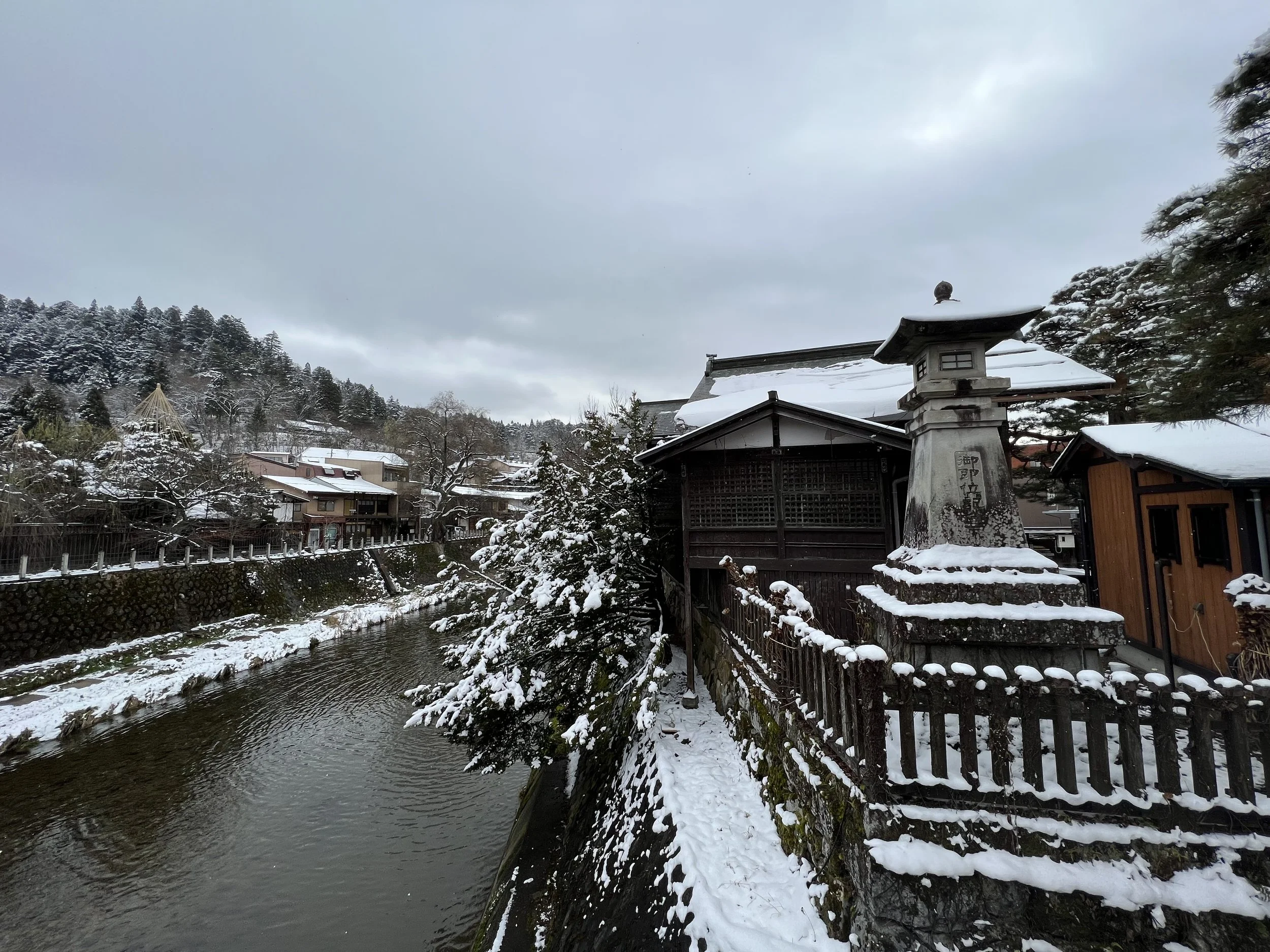
Takayama (高山市) is one of those places in Japan that took me completely by surprise and quickly became one of my top recommendations to include in a Japan itinerary, especially in winter. Tucked away in the mountains of Gifu Prefecture, this historic city still feels relatively under the radar, yet it offers a wonderful glimpse into Japan’s Edo-period, with beautifully preserved streets, traditional houses, and a slower pace of travel.
I only had one full day to explore Takayama, so in this article I’m sharing my one-day walking itinerary to help you plan your visit, together with some travel tips based on my experience. That said, if your schedule allows, I’d recommend staying longer, as Takayama has a lot to offer!
My One-Day Walking Itinerary to Explore Takayama
1. Visit Takayama Jinya
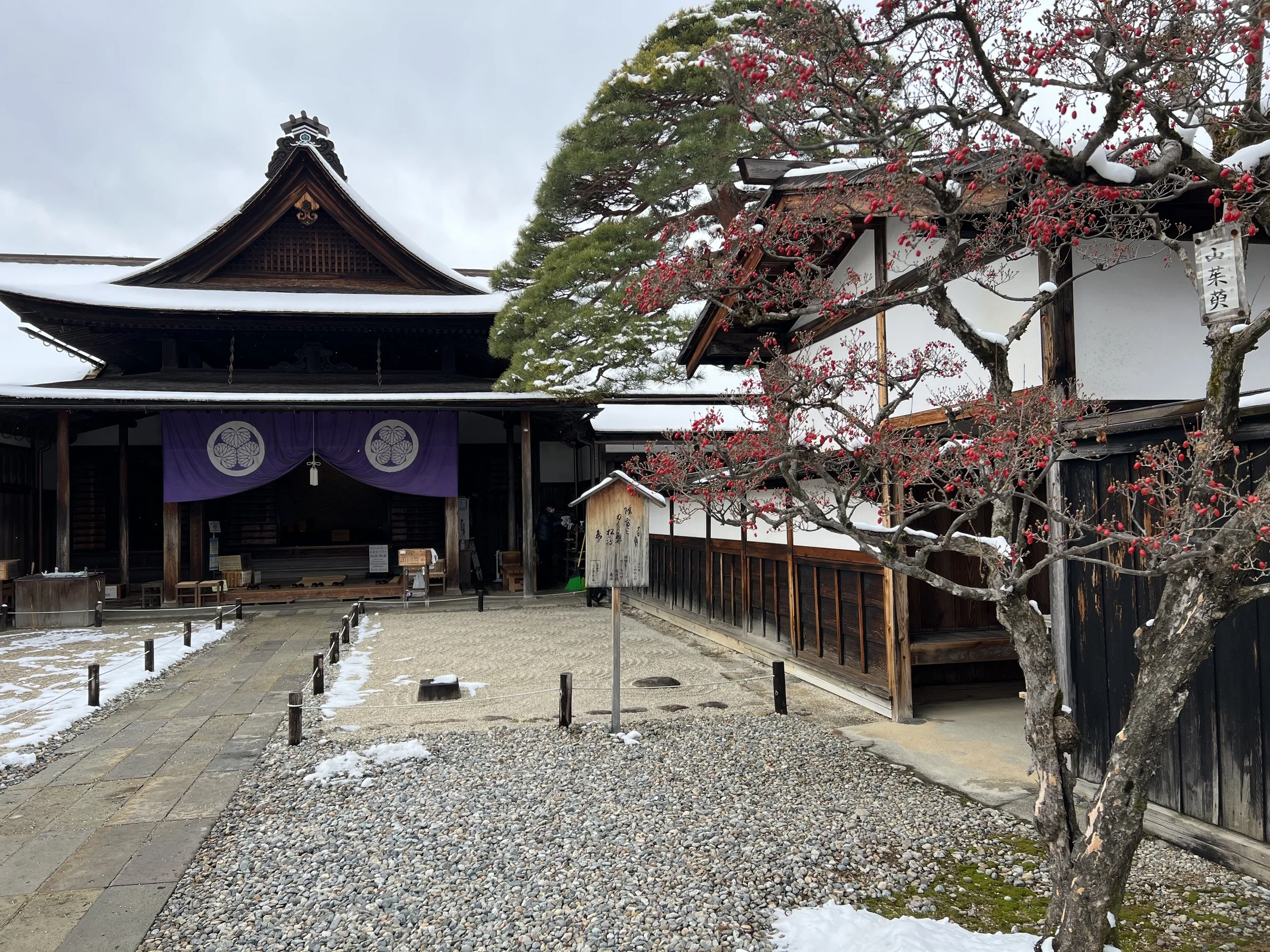
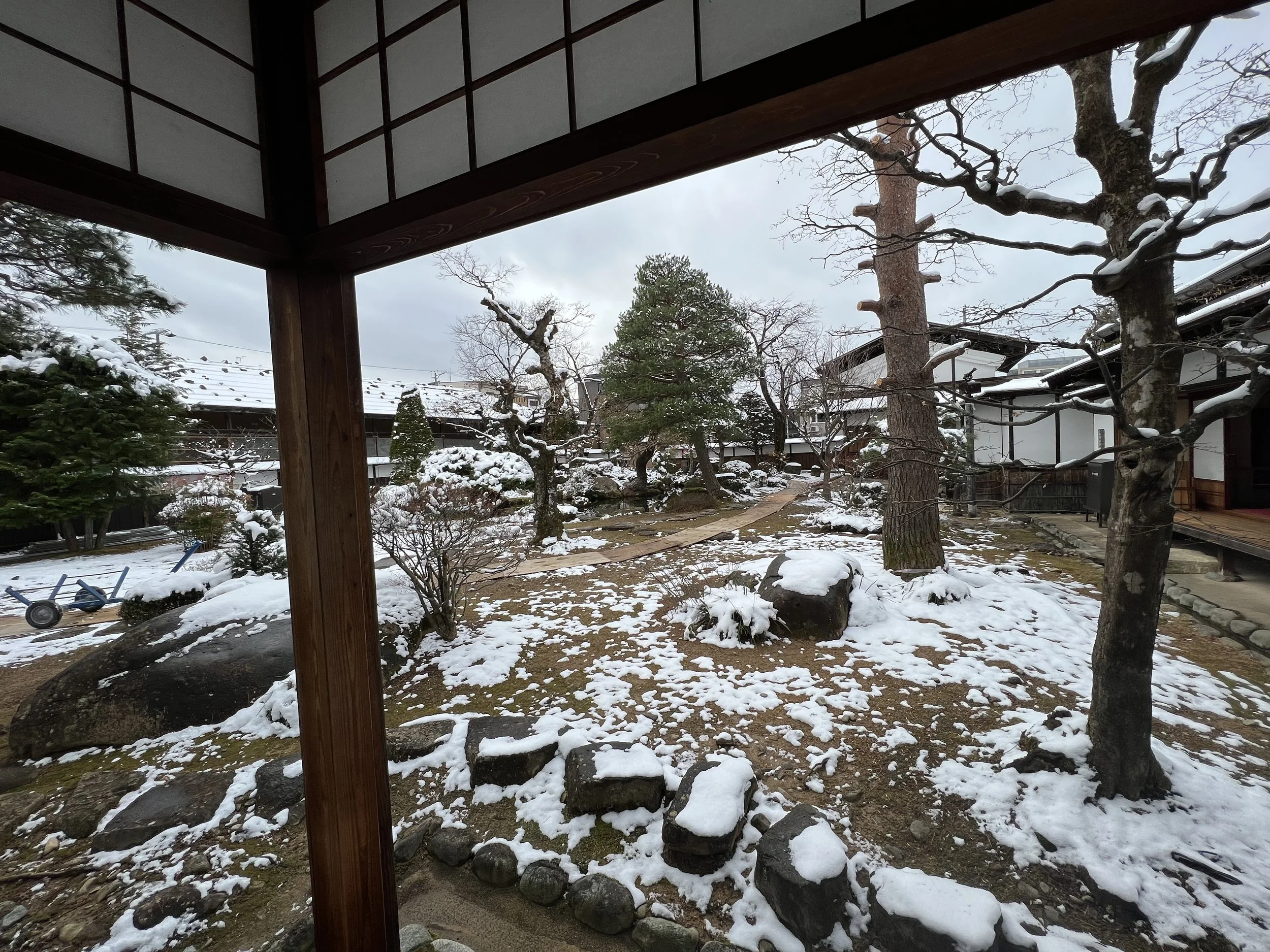
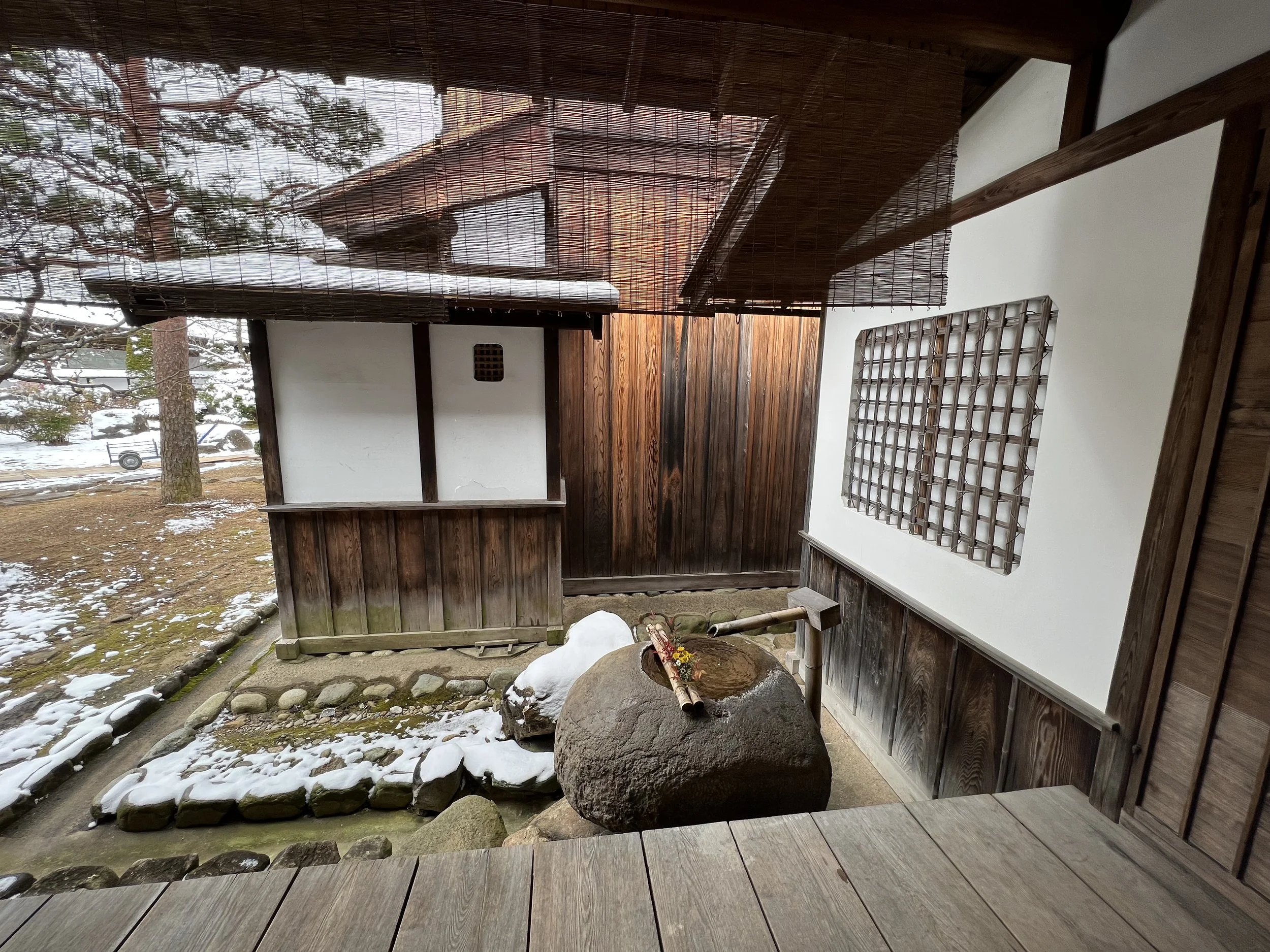
To start this day of exploring, I highly recommend Takayama Jinya (高山陣屋), located 10 min walk from Takayama station. This ancient traditional building used to be an office for provincial governor/magistrate during the Edo Period. Transformed into a museum, you can explore the entire house and barn for a small fee (I spent about 1 hour there and found it very interesting). It’s a great place to visit if you are interested in Japanese history.
Takayama Jinya is open from 8:45am to 4:30pm (to 5:00pm from April to end of October), and admission costs ¥440.
2. Explore Hida-Takayama Sanmachi Historic Area
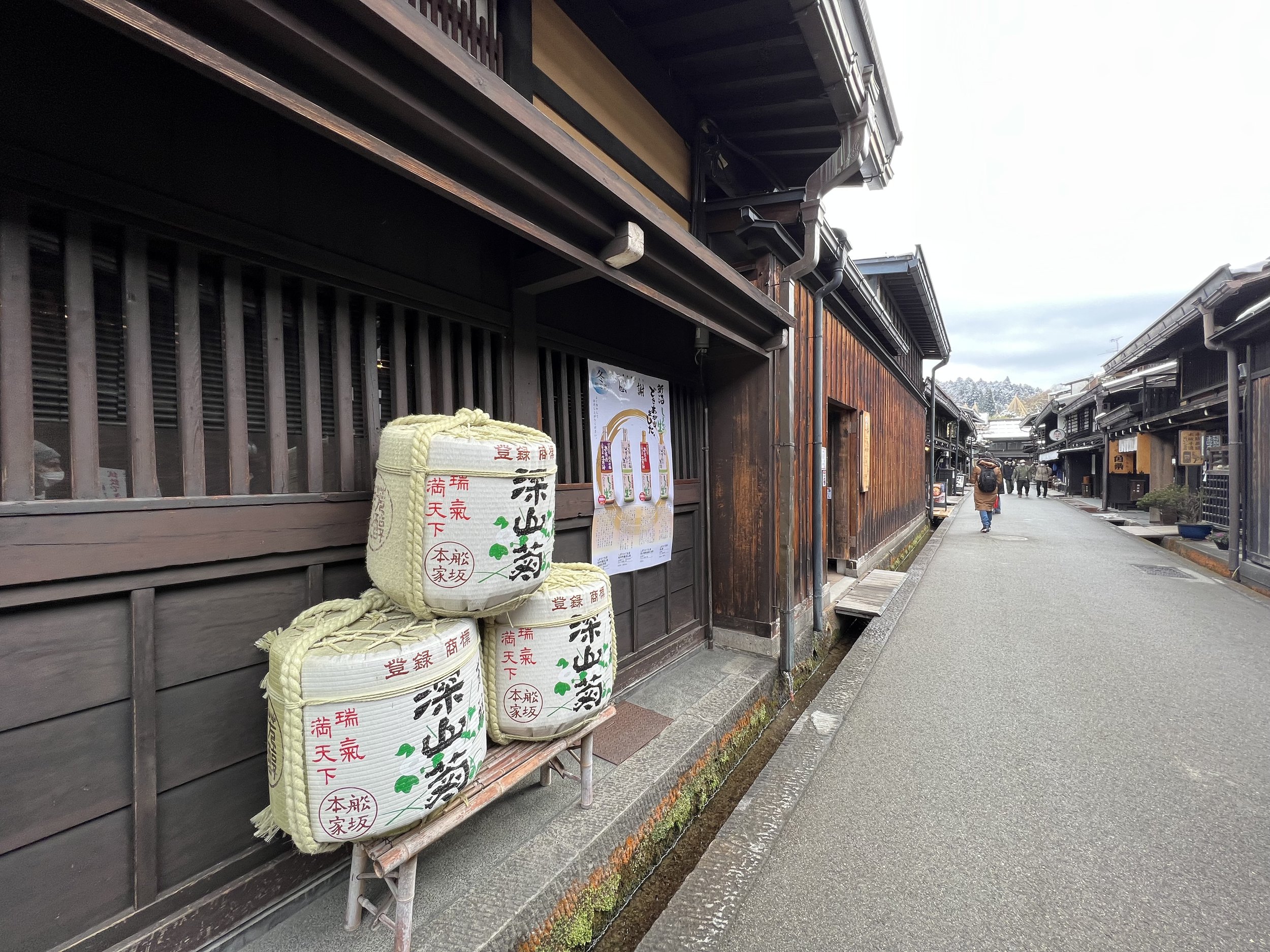
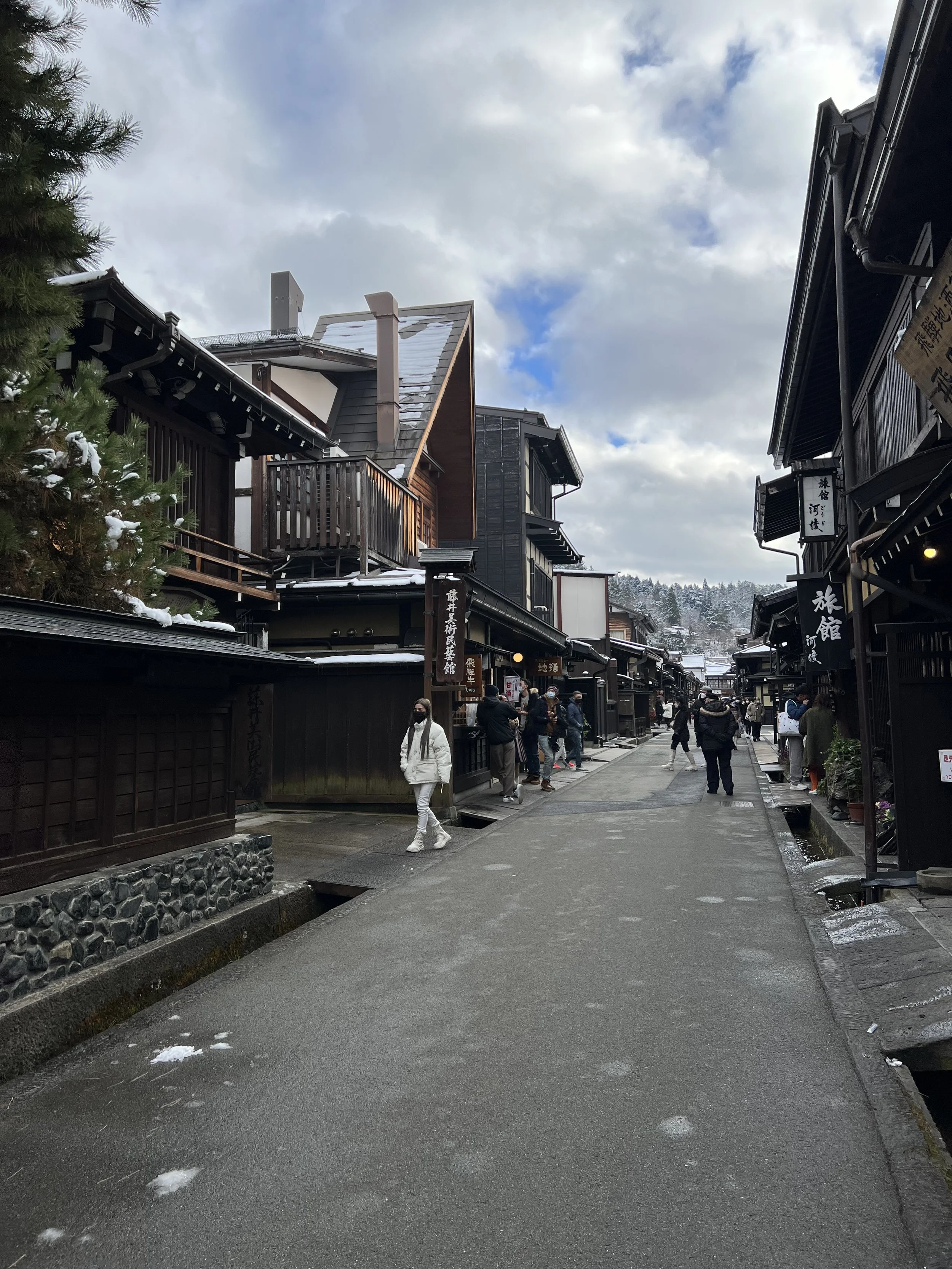
Hida-Takayama Sanmachi Historic District is an area of Takayama that makes you travel back in time. Also called “Little Kyoto”, this area retains its charm from the Edo period. You can spend time strolling the area, stopping at the numerous shops for tasty snacks to try and local souvenirs to buy. There are also several restaurants to choose from for a lunch break (in my case it was ramen).
If you’re interested in Japanese sake, I recommend stopping at Funasaka Sake Brewery (舩坂酒造店), which offers a fun self-tasting experience. How does it work? First, buy a small cup from one machine, then purchase tasting coins from another. These coins can then be used to sample different types of sake from the pouring machines. You also get to keep the cup as a souvenir!
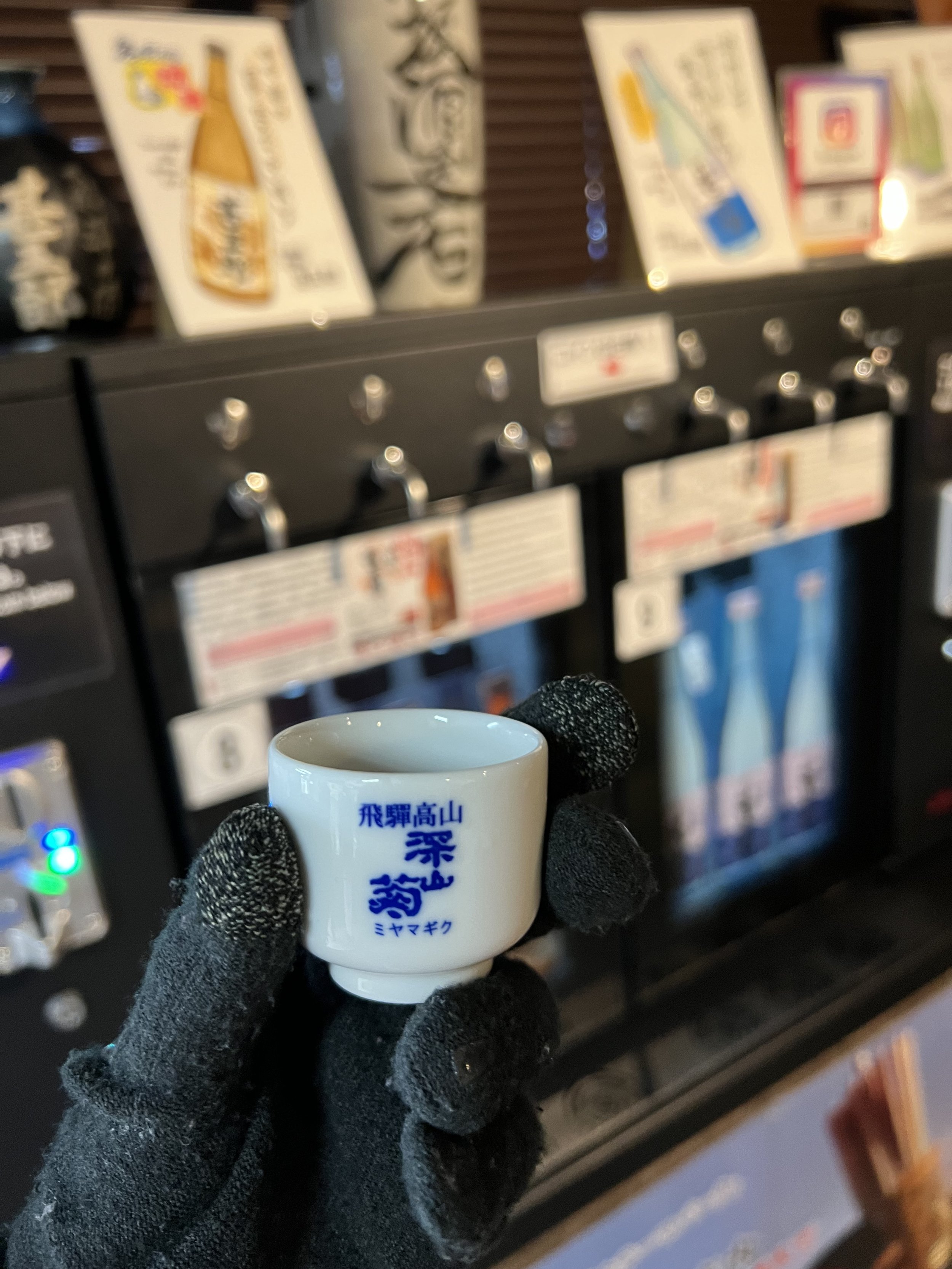
Sake tasting experience at Funasaka Sake Brewery
3. Stop at Takayama Showa-kan Museum
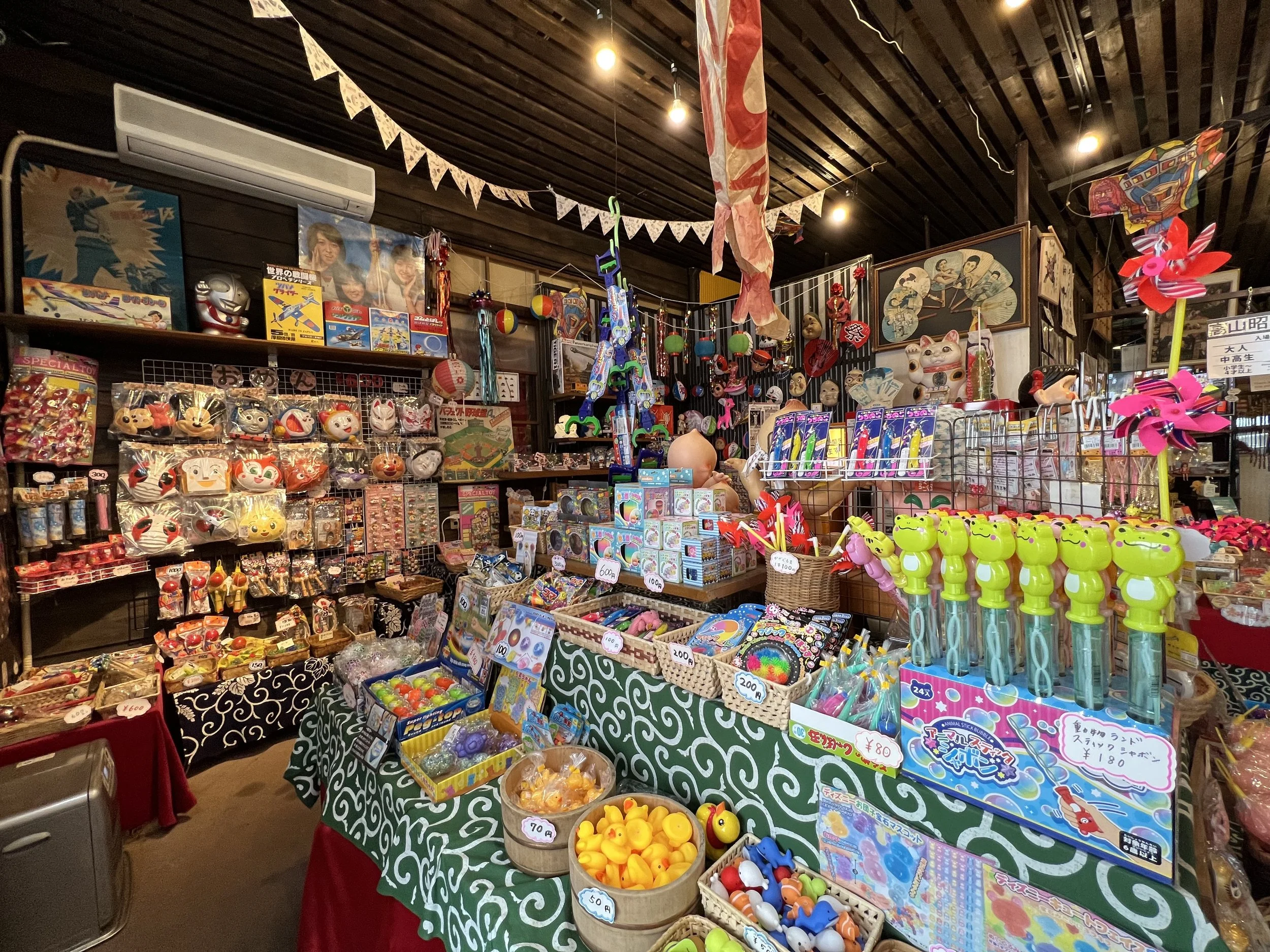
Next, you can head to Takayama Showa-kan Museum (高山昭和館), which offers the chance to learn more about life in Japan during the Showa period. I only entered the colorful shop at the front, full of fun snacks, candies and toys, and loved the retro vibes. I would like to visit the interior of the museum next time!
➡️ You can purchase your entrance ticket in advance on KKday.
4. Explore More of the Old Town and Enjoy the Retro Atmosphere
I particularly enjoyed leisurely walking around Takayama’s Old Town. Its historic, retro atmosphere is especially photogenic, with traditional wooden houses lining narrow streets and small, cute canals running alongside them. As I wandered away from the main streets, I was struck by how quiet it became, making this part of town perfect for a slow walk and unplanned photo stops.
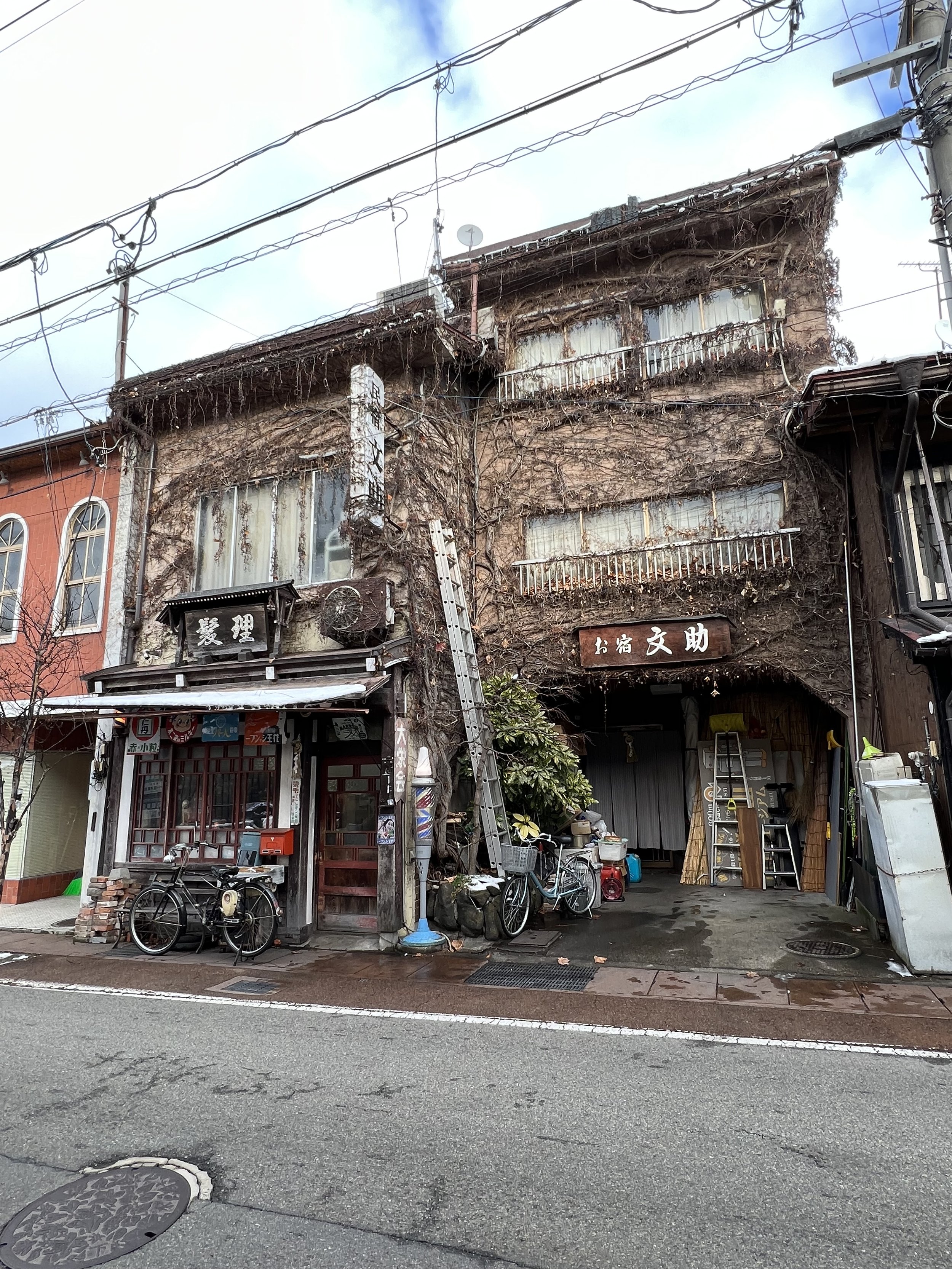
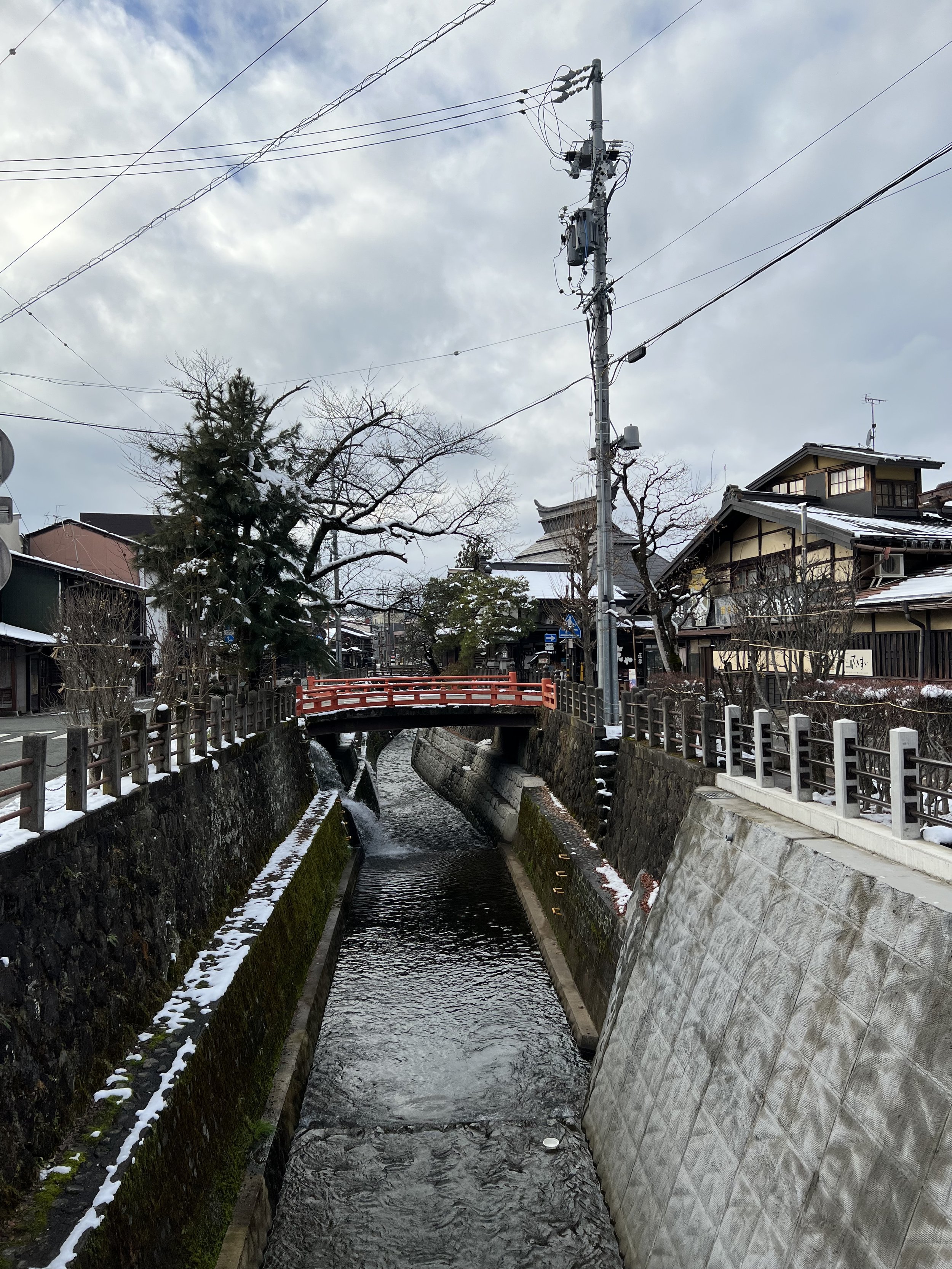
As you walk north, you will cross a small canal (東山遊歩道) and walk by historic houses like the Yoshijima Traditional House (吉島家住宅) and the Kusakabe Traditional House (日下部民芸館). I only admired them from outside, but you might want to add them to your itinerary and visit their interior as well.
5. Pay Your Respect at Sakurayama Hachimangu Shrine
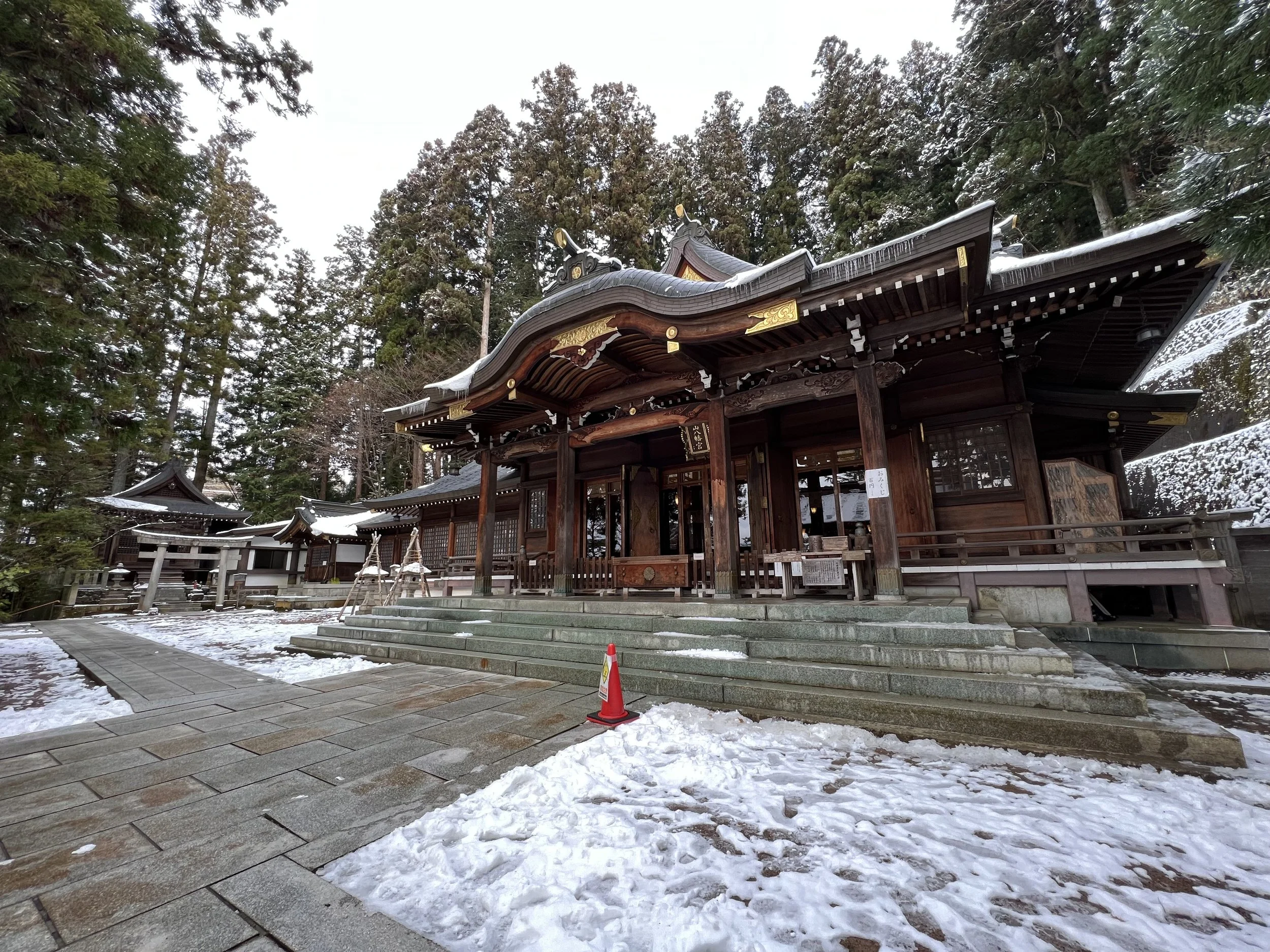
Next, make your way to Sakurayama Hachimangu Shrine (櫻山八幡宮), whose origins date back to the 5th century. The shrine was covered in snow at the time of my visit, giving it a quiet, almost dreamy atmosphere, and it quickly became one of my favorite places in Takayama.
The shrine is also closely tied to the Takayama Matsuri, considered one of the most beautiful festivals in Japan and known for its elaborate, beautifully crafted floats. The festival takes place twice a year: during the Spring Festival on April 14th and 15th, and the Autumn Festival on October 9th and 10th.
If you’re visiting outside these dates, you can still learn more about the festival and see some of the floats at the Takayama Matsuri Yatai Kaikan (高山祭屋台会館), located right next to the shrine. The museum is open from 9:00am to 5:00pm between March and November, and from 9:00am to 4:30pm between December and February.
6. Follow the Higashiyama Walking Course, Takayama’s Peaceful Historic Trail
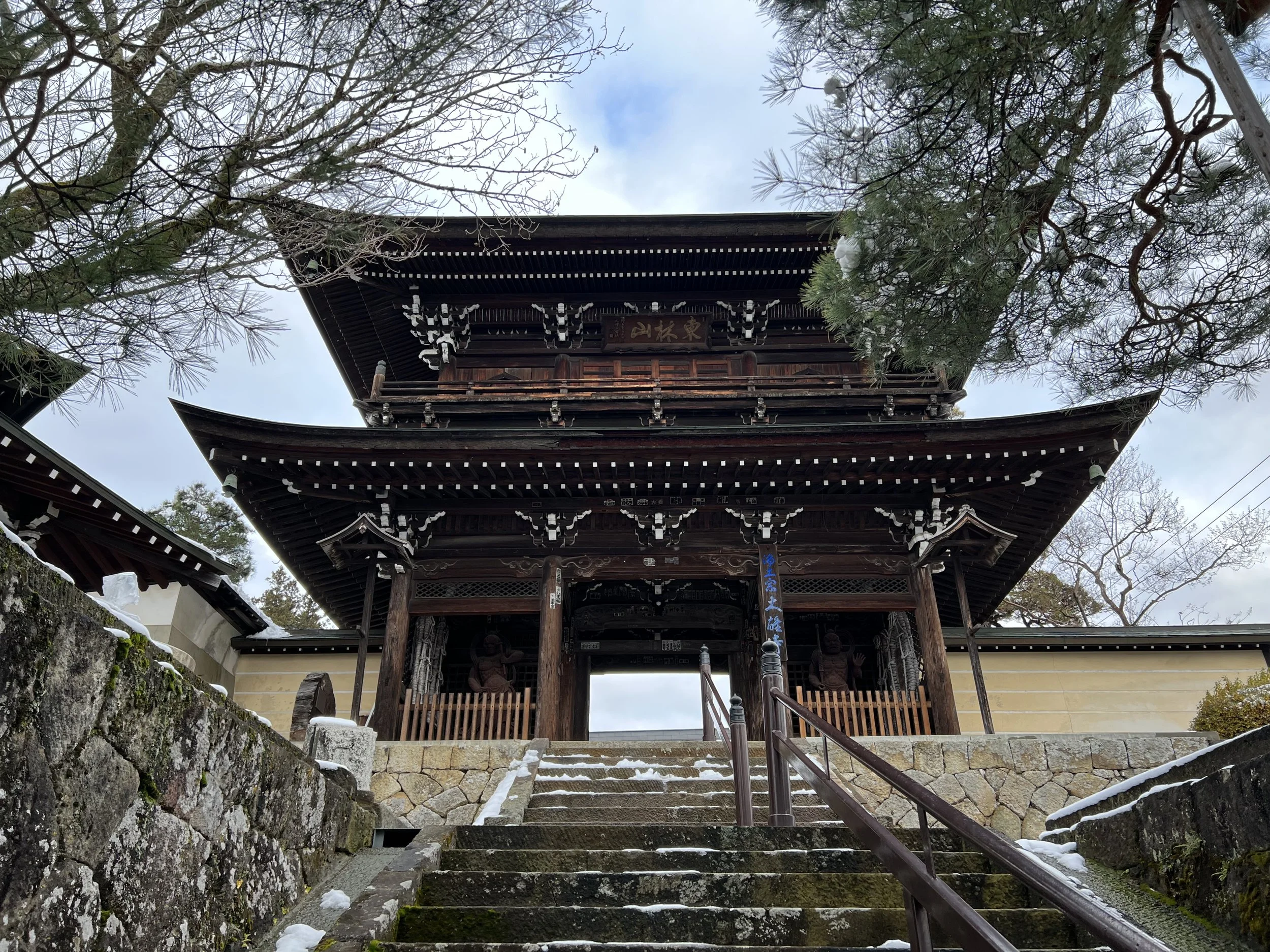
Entrance to Daiohji Temple (大雄寺)
The Higashiyama Walking Course is a 3.5-kilometer trail that loops through a dozen of shrines and temples in Takayama’s temple district, known as Teramachi, and Shiroyama Park area, where you can find the Takayama Castle Ruins.
The walk begins near Unryu-ji Temple (曹洞宗雲龍寺) and leads uphill through a forested area to Higashiyama Hakusan Shrine (東山白山神社), passing quietly through a hillside cemetery along the way. When I visited, the entire area was covered in snow and we were completely alone, which made the walk feel especially peaceful.
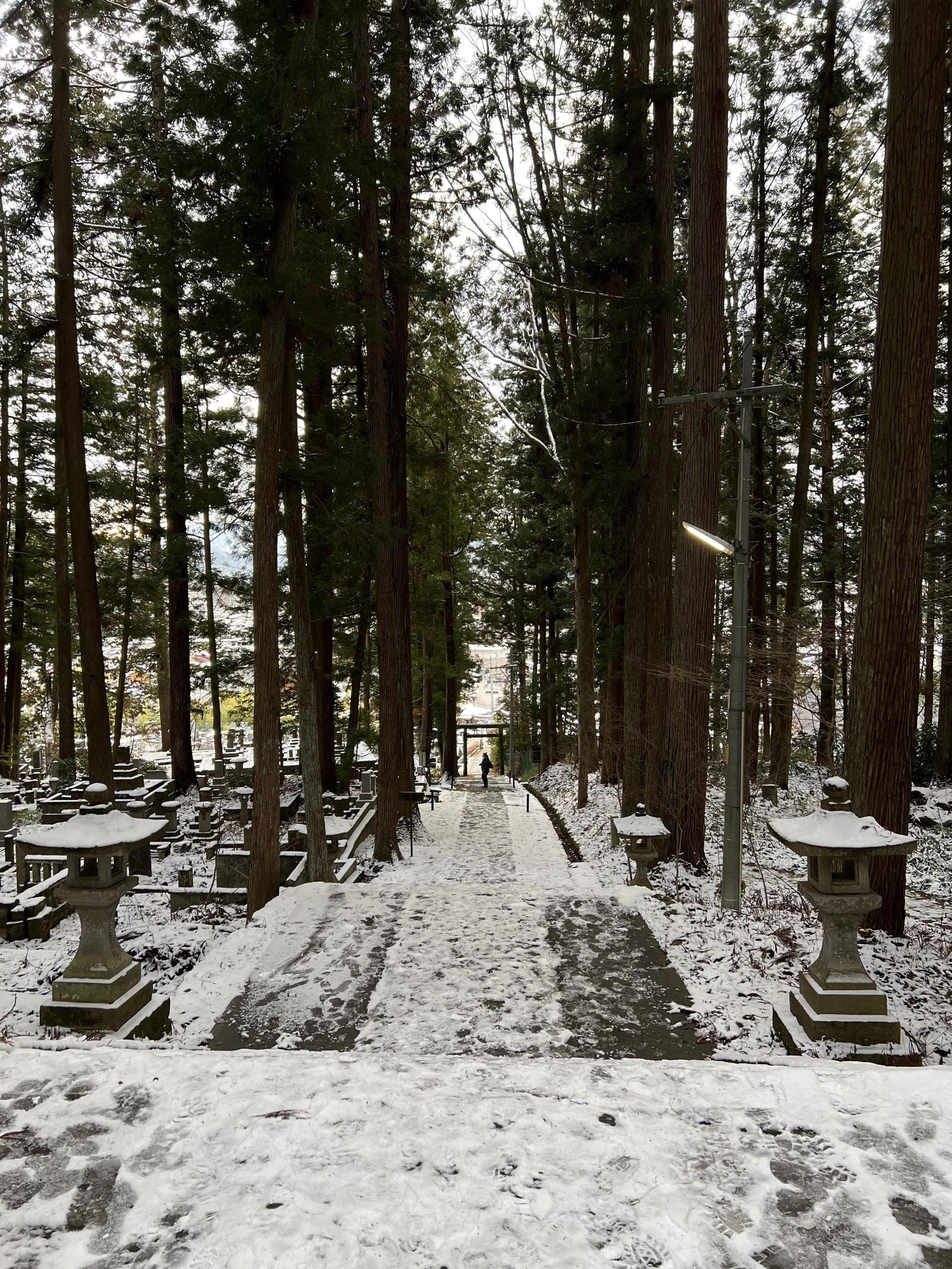
Path to Higashiyama Hakusan Shrine
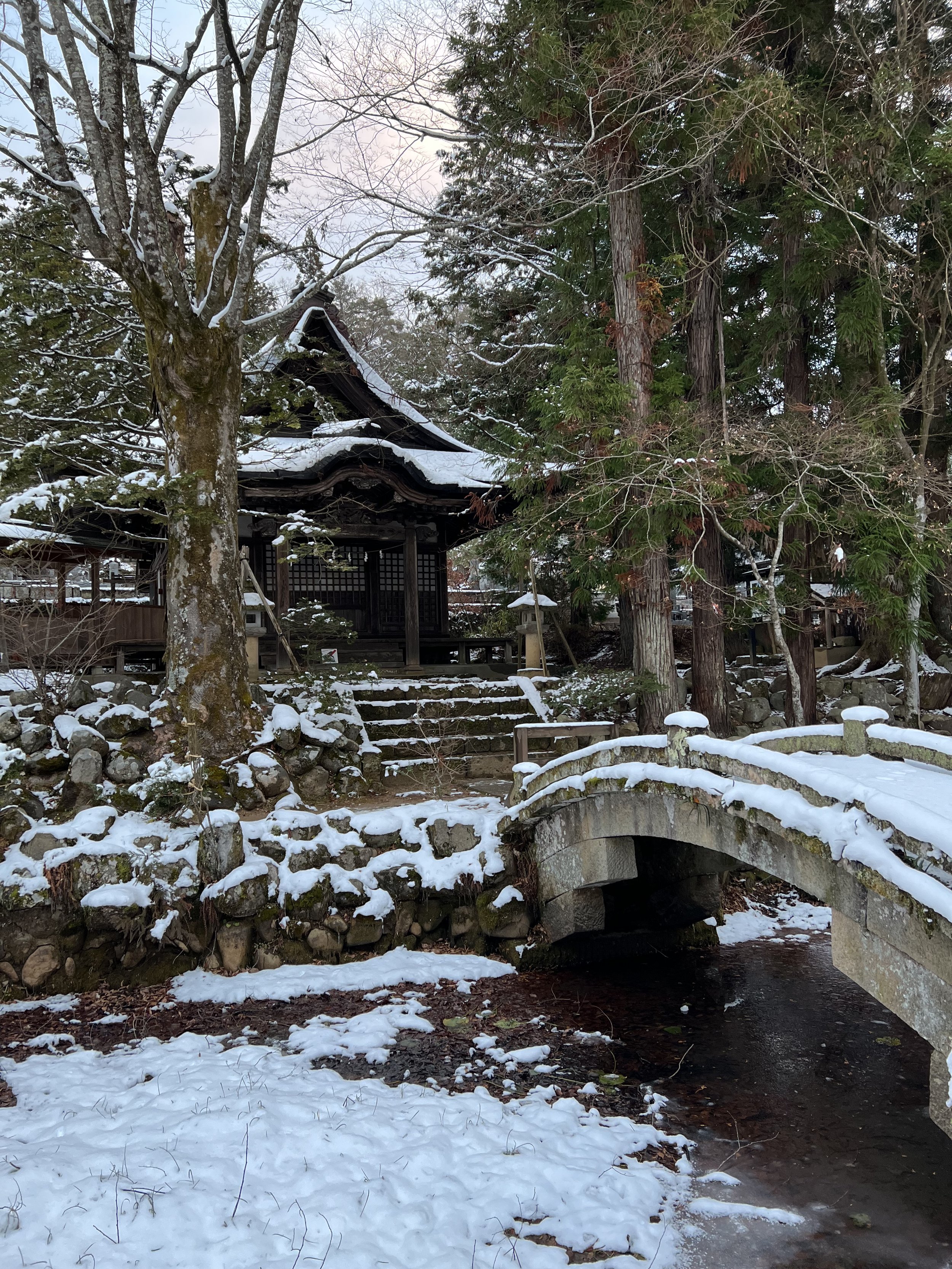
Hokke-ji Temple
On the way back down, the trail passes by several temples and shrines located close to one another, each with its own distinct atmosphere, including Daioh-ji (大雄寺), Koryuzan Sogen-ji (曹洞宗素玄寺), Tensho-ji (天照寺), Hokke-ji (法華寺), Zenn’o-ji (善応寺), and Soyu Hondo Temple (宗猷寺 本堂). It was getting dark and I was turning into an ice cube due to the cold, so I decided to skip the second part of the walk around Shiroyama park.
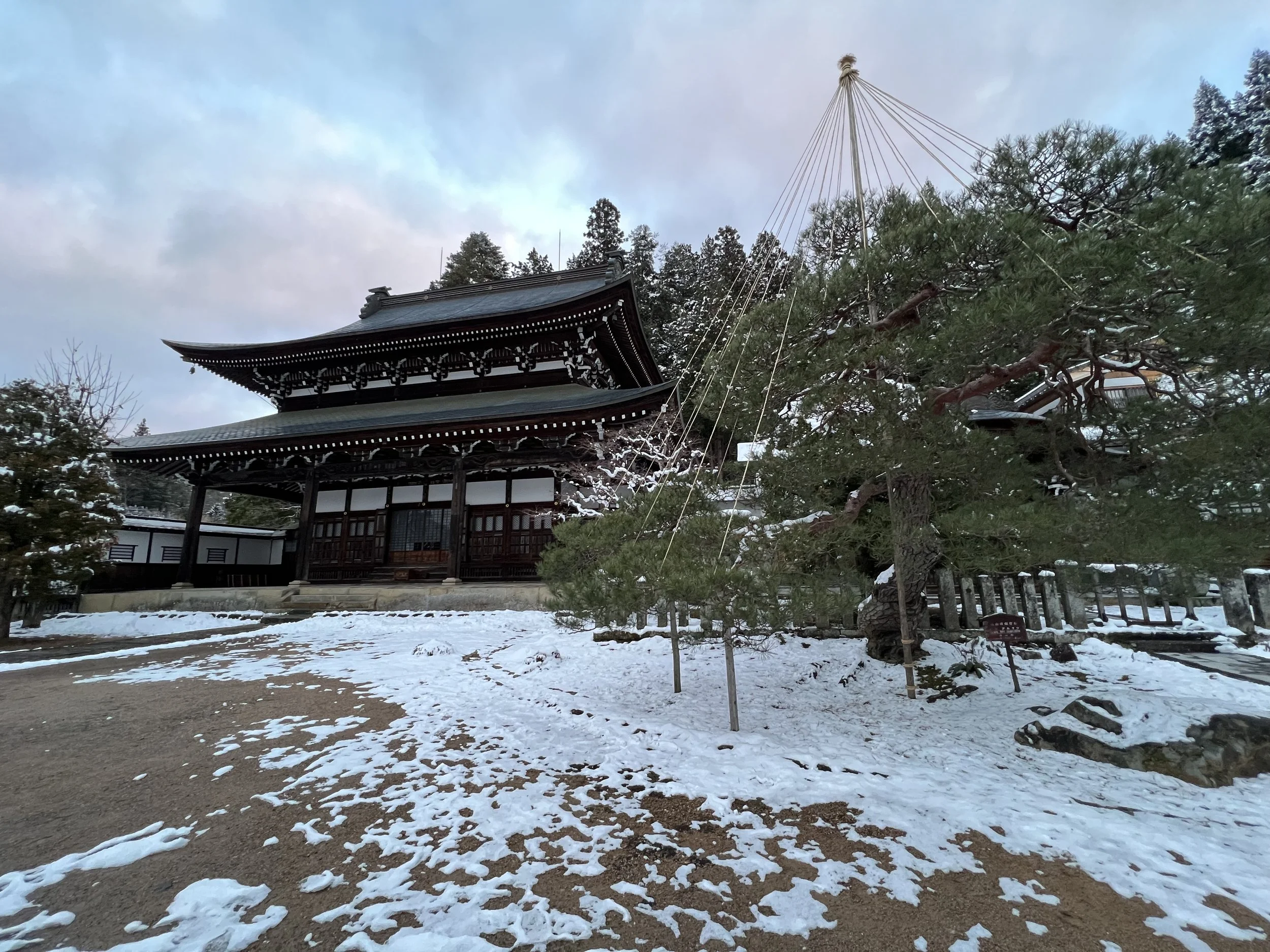
Soyu Hondo Temple
The walk is easy, well-marked and offers a quieter side of Takayama. When I visited, only a few local residents passed by, and it quickly became the highlight of my time in this city. I loved the atmosphere in the middle of winter, but I can easily imagine the trail being just as beautiful in other seasons, with fiery autumn colors or lush greenery in summer.
7. Finish the Day Warming Up in a Cosy Café
Takayama has plenty of great coffee spots, where to slow down with a warm cup after a day of exploring. It’s what I did, and I had a wonderful time at Ranka Coffee (藍花珈琲店), an elegant café with a lovely retro interior and delicious pastries and drinks. It was the perfect way to finish this day of exploring.
For reference, I started my walk from my hotel near Takayama station at 11am, and finished my day at Ranga Coffee at around 5pm.
Other Things to Do in Takayama
On my next visit to Takayama, I’d love to explore Hida no Sato folk village (飛騨の里), an open-air museum featuring over 30 traditional buildings, including gassho-zukuri thatched-roof farmhouses. If you’re not planning to visit Shirakawa-go, or if you’d prefer a quieter, less crowded alternative, Hida no Sato could make a great addition to your itinerary. If you planning to follow my walking route, it could work well as a morning visit, as the village opens early from 8:30 am.
While in Takayama, I also chatted with a local resident who warmly recommended a small archery range (半弓道場) located in the Asahimachi area. It’s a place where you can try traditional archery in a casual setting, and it sounded like a fun, unique experience, especially as a relaxed activity after dinner or to end the day.
Other Experience Ideas in Takayama
Travel Tips to Enjoy Your Time in Takayama
Best Time to Visit Takayama
I loved visiting Takayama in winter, when it transformed into a quiet, snowy retreat. The streets were peaceful, and temples and shrines looked especially serene under a blanket of snow, making it a wonderful time for photography or simply enjoying a slower pace. That said, each season brings its own charm, with the two Takayama Matsuri, held in mid-April and early October, being highlights of spring and autumn.
Where to Stay in Takayama
Takayama offers a wide range of accommodations, catering to all budgets and preferences, from modern hotels to charming traditional ryokan.
During my visit, I stayed at Residence Hotel Takayama Station, which I can recommend without hesitation as an affordable and very convenient option. It’s located just a two-minute walk from Takayama Station and the Nohi Bus Center. I was part of a group of 4, and the Deluxe Suite we chose was perfect for our group: spacious and offering the comfort of an apartment, with a kitchen, a washing machine, and even a balcony. If you’re traveling with a small group or planning to stay in Takayama for a few days, it’s a great choice!
Looking for more accommodation options in Takayama? If I were to stay again and try a new place, based on reviews, I would recommend:
Ryokan Oyado Koto No Yume for a traditional ryokan experience, with its traditional and elegantly decorated rooms and indoor and outdoor onsen areas.
K's House Takayama Oasis, a casual and well-reviewed hostel that makes a great budget-friendly option.
➡️ To find the best accommodation options in Takayama, I recommend checking Agoda and Booking to easily compare prices and locations.
How to Get to Takayama (by Public Transport)
Takayama sits deep in the mountainous Hida region of Gifu Prefecture. It’s not the fastest destination to reach, but that’s part of its charm, especially if you enjoy scenic train rides.
From Tokyo to Takayama
If you are planning to travel by train, there are two main routes:
Via Nagoya: Take the JR Tokaido Shinkansen from Tokyo Station to Nagoya (around 1 hour 40 minutes), then transfer to the JR Hida Limited Express bound for Takayama (about 2 hours 30 minutes). The total journey is roughly 4 to 4.5 hours.
Via Nagano and Toyama: Take the JR Hokuriku Shinkansen from Tokyo to Nagano or Toyama, then continue by limited express or local trains to Takayama. This route takes longer overall but works well if you’re already exploring the Hokuriku region.
➡️ Both routes are fully covered by the JR Pass, which makes Takayama an easy addition to a longer Japan itinerary.
✨ TRAVELY TIP: If you’re traveling directly from Tokyo, I recommend breaking up the journey with an overnight stop (around Nagoya for instance if you’re traveling from the south, or Nagano or Toyama from the north). On my own trip, I stopped in Nagano and Shibu Onsen on the way to Takayama.
From Kyoto or Osaka to Takayama
If you’re coming from the Kansai region, you have two main options:
Via Nagoya (fastest option): Take the Shinkansen from Kyoto or Shin-Osaka to Nagoya, then transfer to the JR Hida Limited Express to Takayama.
Via Kanazawa: Travel first to Kanazawa, then continue to Takayama via Toyama by train, or switch to a bus route.
➡️ Check out my Kanazawa Guide here.
By Bus (Budget-Friendly Option)
If you’re traveling on a budget, long-distance highway buses are another option. Buses connect Takayama with Tokyo, Nagoya, Kyoto, Osaka, and Kanazawa. Travel times are longer than by train, but prices are usually much cheaper. From Kanazawa, you could also consider making a stop at Shirakawa-go along the way.
Getting Around Takayama
One of the things I really enjoyed about Takayama is how walkable the city is. Takayama Station is centrally located, and most of the main sights, especially around the Old Town, are easily reached on foot. Of the places mentioned in this article, only Hida no Sato is a bit further out, requiring either a short bus ride from Takayama Station (about 10–15 minutes) or a 20-minute walk.
Other Things to Do Around
Takayama also works very well as a base or stopover when traveling through the Japanese Alps, especially between Kanazawa and Nagano. If you’re planning a multi-stop itinerary in this region, there are several worthwhile places to explore nearby.
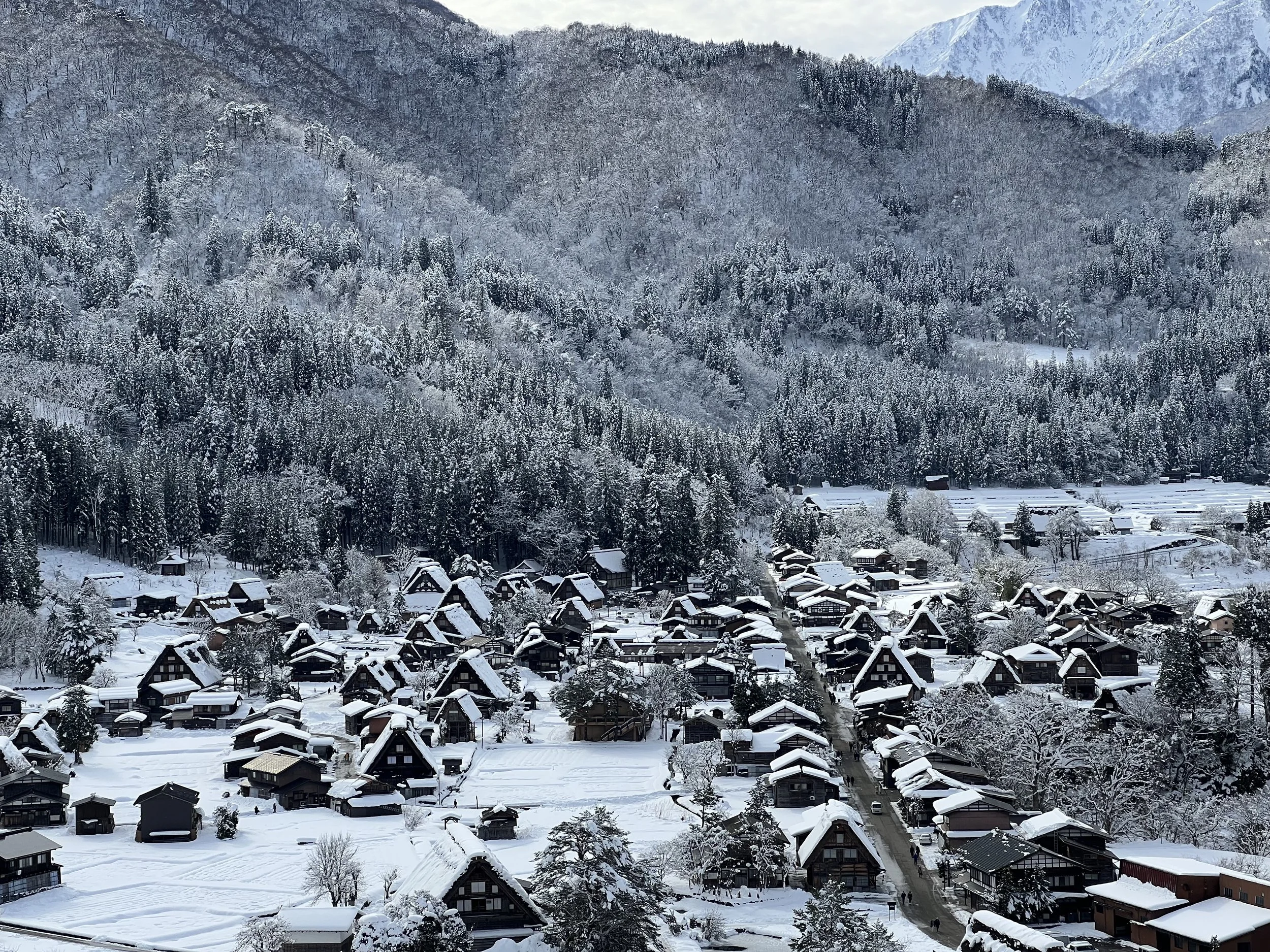
One of the most popular is Shirakawa-go, a UNESCO World Heritage village famous for its gassho-zukuri thatched-roof farmhouses. It’s easily reached by bus from Takayama and makes for a great half-day or full-day trip, particularly in winter when the village is covered in snow.
I’ve written two dedicated guide to Shirakawa-go, which you can pair with Takayama for a scenic and well-paced Alps itinerary.
To Conclude
Whether you’re passing through the Japanese Alps or using it as a base to explore the region, Takayama is a destination that I’d highly recommend. With its beautifully preserved old town, its quiet temple walk, and its surrounding alpine scenery, I fell in love with Takayama’s charm and would happily visit again to experience more of it.
Found this article helpful? Buy me a coffee. 😊
Want to stay in touch? Subscribe to my monthly newsletter (with latest articles, updates, travel tips and more...) delivered straight to your inbox. 📩
Some of the links in this Takayama Guide and Itinerary are affiliate links. At no extra cost to you, I may earn a small commission when you click on them and make a purchase. And if you do, thanks for your support! Purchasing through these links is a great way to support Travely Notes, as this helps with the costs of running my blog.



Matsumoto is one of my favorite destinations in Nagano Prefecture: it’s a compact, walkable city surrounded by mountains, full of museums, culture, and of course one of Japan’s most iconic castles. This guide is based on my own trip to Matsumoto and includes personal tips, practical advice, and ideas for day trips if you want to explore more of Nagano.