
Best Hikes in Japan: My 15 Favorite Trails
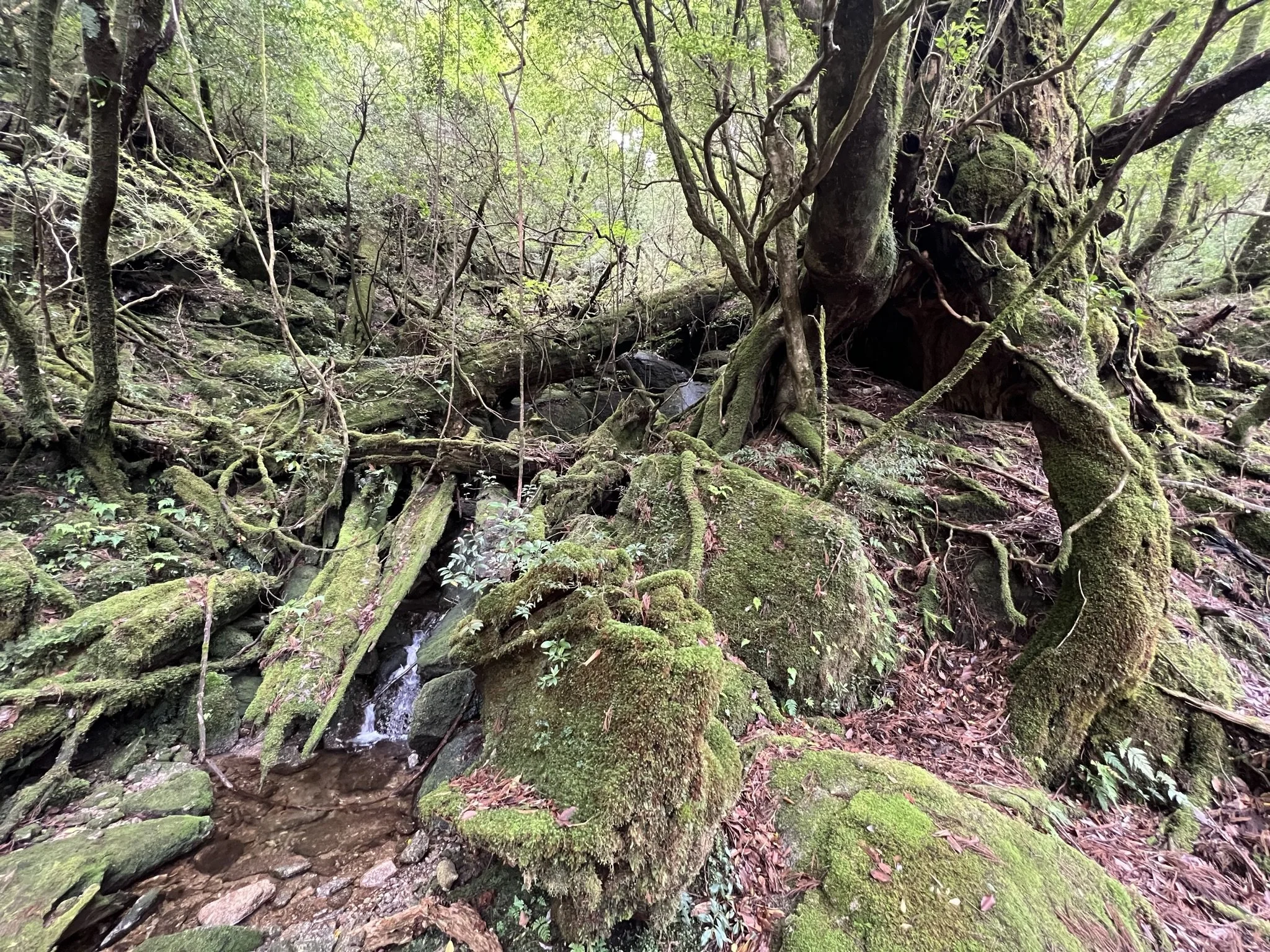
Japan is an incredible destination for hikers. After hiking in different parts of the country for four years, I’ve put together a list of my 15 favorite hikes in Japan with the trails I’ve enjoyed most and would warmly recommend to other fellow hikers looking for inspiration for their next adventure in Japan.
This article brings together some of my favorite hiking experiences, from iconic mountain routes to lesser-known trails, with options for different landscapes, seasons, and levels of experience. For most hikes, you can also follow the link to my detailed hiking guide, where I share everything you need to know to plan your own adventure.
Note: this list is non-exhaustive and is not ranked by preference. There are still so many hikes I’d love to tackle across Japan, and I’ll continue updating this article as I discover new trails and unforgettable hiking experiences.
1. Mt Fuji, Japan's Ultimate Mountain Adventure

Sunrise from the top of Mt Fuji
I hiked to the top of Mt Fuji (富士山) many years ago. This adventure was on my bucket list and remains a very special memory. At the time, it was still possible to hike to the top at night without having to stop to sleep at a hut, so with a few friends, we hiked through the night under a clear sky full of shooting stars, and waited at the top to admire a stunning sunrise above a sea of clouds. I was young and not well-prepared, and had underestimated how cold it would be at the top. I remember buying cans of hot coffee from vending machines at the summit of Mount Fuji to ward off the cold while waiting for the sunrise.
If you wish to create your own memories of this fantastic adventure to the summit of Japan's iconic mountain, you will need to go during the summer months and prepare accordingly for this demanding hike (unlike what I did).
IMPORTANT: For the past two years, Japanese authorities have introduced new rules to address the problems of overtourism and environmental preservation. All climbers must pay a mandatory ¥4,000 fee (whichever of the four climbing trails you choose). Furthermore, to limit overcrowding, there is a daily limit of 4,000 climbers on the most popular Yoshida trail. Climbers are now required to make prior reservations or register their details to climb Mt. Fuji via an online system.
🗓️ Best time: early July to early September, during the official climbing season
🔥 Difficulty: Challenging
🥾 Duration: Around 10-12 hours round trip, depending on route chosen and conditions
⚠️ Good to know: Weather and altitude make this much more demanding than its popularity might suggest. Climbing Mt Fuji requires good preparation and equipment, so be sure to check out the official Mt Fuji Climbing Website which contains all the information you need.
2. Nokogiriyama, a Hike to a Giant Buddha Statue and Stunning Views
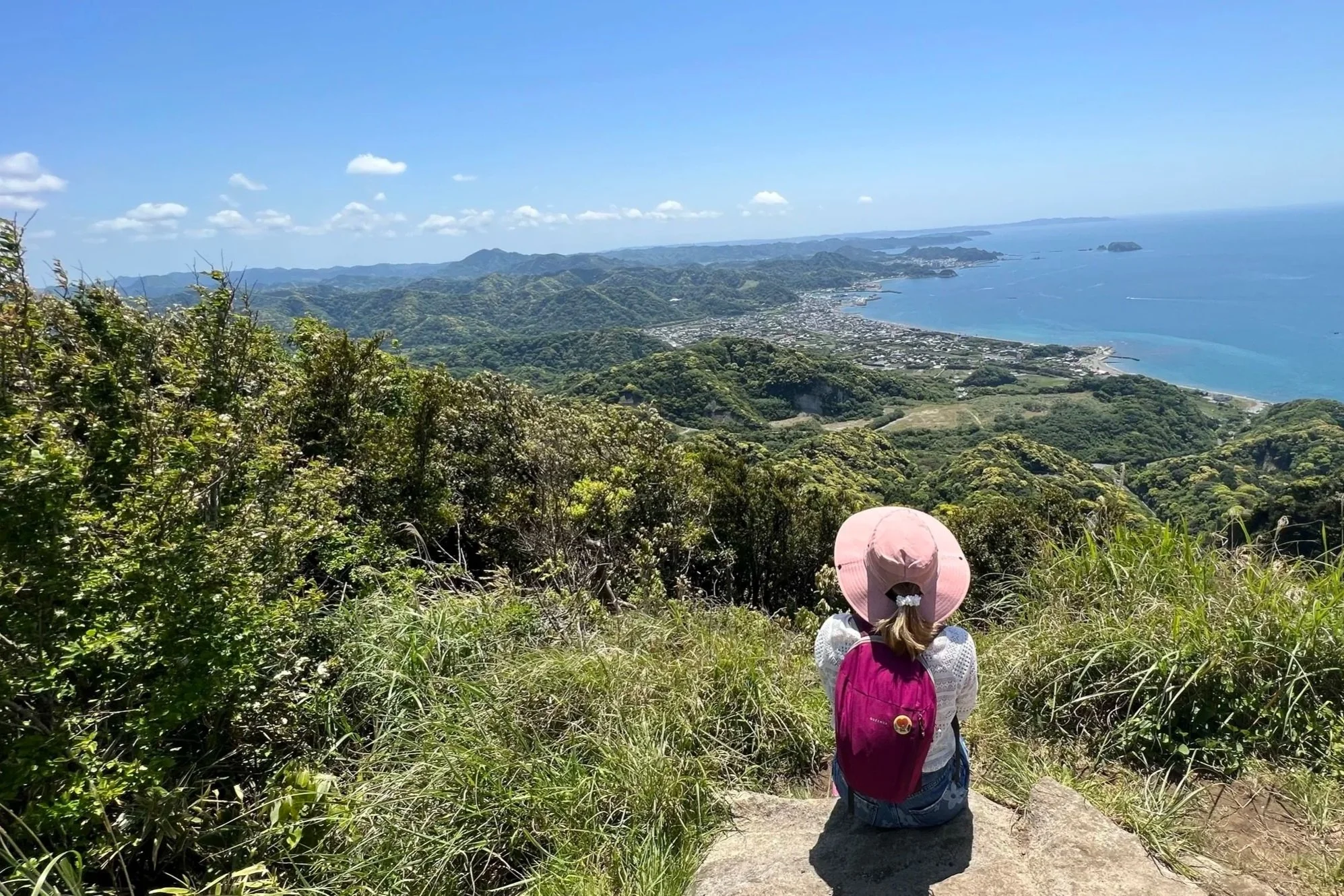
Nokogiriyama (鋸山) is one of my favorite day hikes near Tokyo, combining forest trails, dramatic rock formations, panoramic views of Tokyo Bay and the Boso Peninsula, and the enormous Nihon-ji Daibutsu. This day trip from Tokyo is not well-known to foreigners, or even to Japanese. This is all the more surprising as it concentrates many things to see and do: a ferry crossing of Tokyo Bay, a nature hike, beautiful views, a dose of culture and history, the largest stone-cut Buddha statue in Japan and a cable car. Highly recommended!
🗓️ Best time: This hike can be done year-round, but I would recommend autumn or spring for a more comfortable experience when the temperatures are mild (the two times I’ve done this hike was in May and it was the perfect temperature). Best is to do this hike on a sunny day to be able to enjoy the stunning views.
🔥 Difficulty: Moderate (include some steep sections and some uneven stairs).
🥾 Duration: Count a full day for the whole journey from Tokyo, including transportation, the hike (approx 3 hours round trip) and sightseeing on the way.
➡️ Want to hike Nokogiriyama yourself? Check my complete guide for a fantastic Nokogiriyama day trip from Tokyo.
3. Mt Mitake, A Forested Mountain Escape from Tokyo
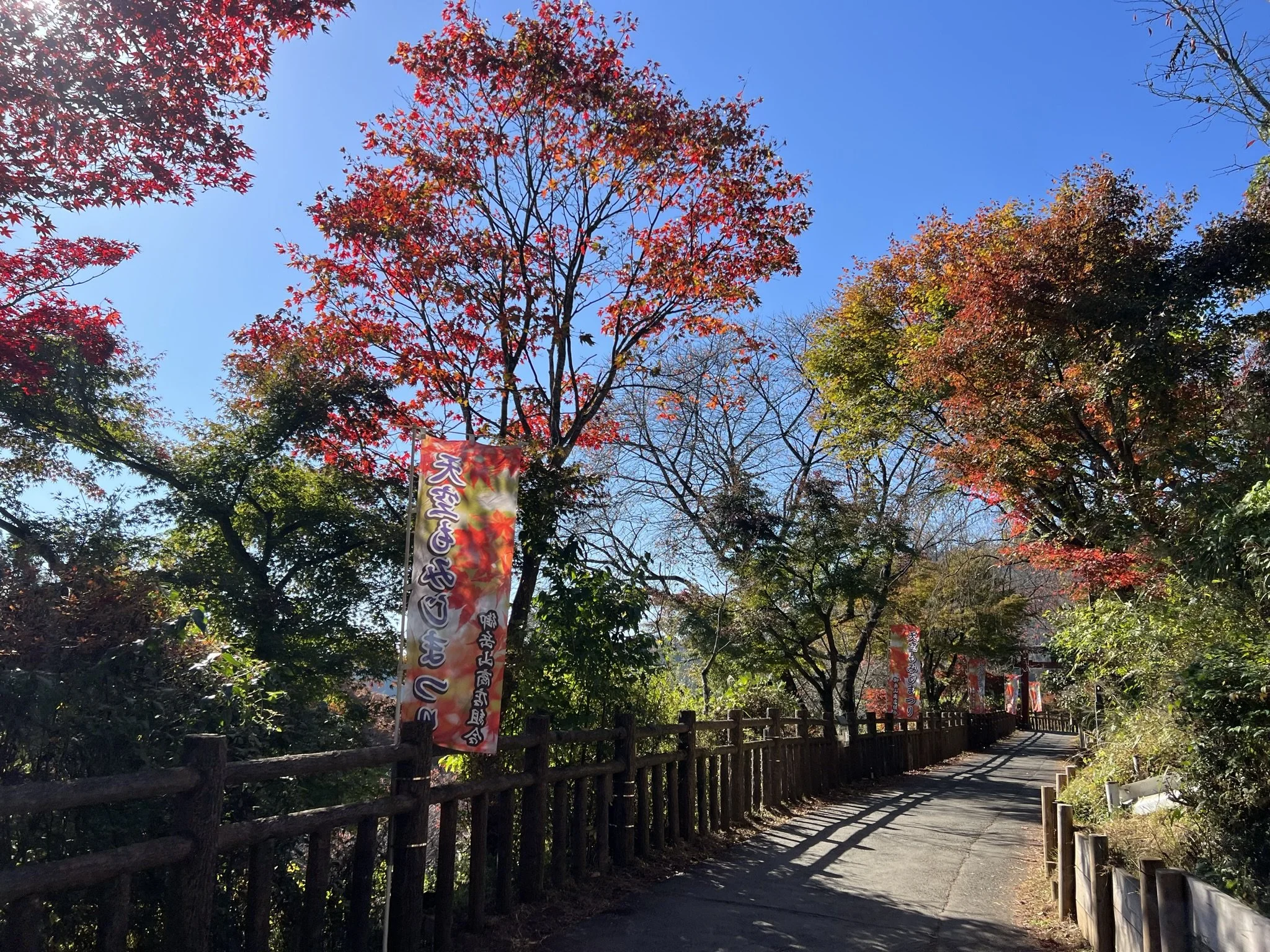
Mt. Mitake (御岳山) is another fantastic hike that’s easily accessible from Tokyo. Like Mount Takao, it’s a favorite escape for Tokyoites looking to trade the bustle of the megacity for fresh mountain air and a little time in nature.
There’s plenty to discover around Mitake: sweeping views across the Kanto region, a peaceful mountain village, a large 2,000-year-old shrine complex, lush forests, and the atmospheric Rock Garden. I also warmly recommend exploring the gorge below Mitake, with its river, rocky landscapes, and tranquil trails offering another way to explore the area.
🗓️ Best time: This hike can be done year-round; I visited in early November during the fall foliage season (typically between late October and late November) and it was stunning!
🔥 Difficulty: Easy to moderate
🥾 Duration: Plan a full day to enjoy Mt Mitake and Mitake gorge. There are several hiking trails with different durations. The Rock Garden trail is an easy trail that I highly recommend (takes about 1.5h, and is a loop trail starting and ending at Musashi-Mitake Shrine).
➡️ Interested in exploring Mt. Mitake in one day? Read my detailed guide with my recommended route, practical information and the best places to stop along the way.
4. Jogasaki Coast, A Lovely Coastal Hike on the Izu Peninsula
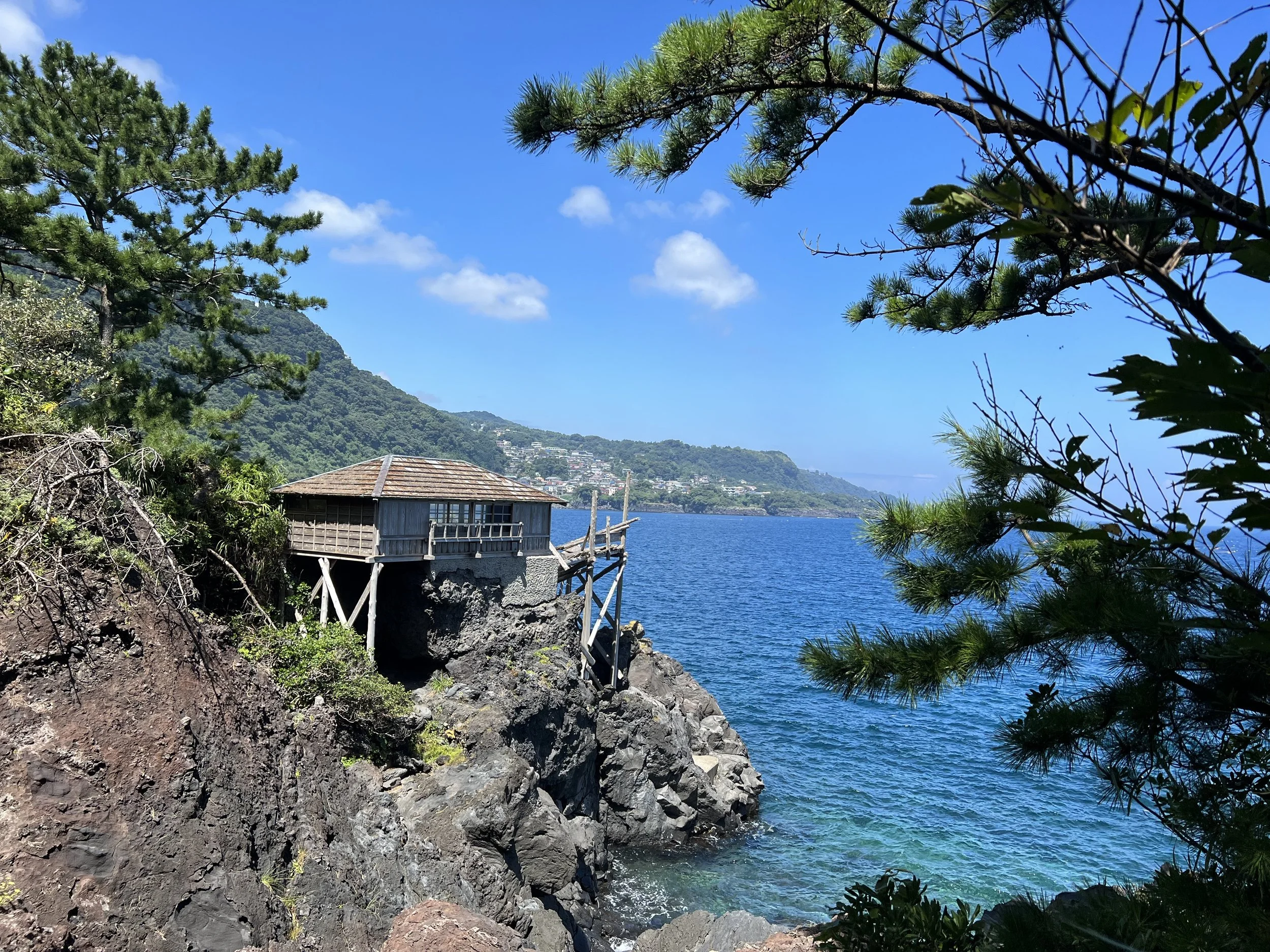
The Jogasaki Coast (城ヶ崎海岸), or Jogasaki Kaigan, is a picturesque volcanic coastline along the eastern side of the Izu Peninsula, an underrated nature gem easily accessible from Tokyo. You can walk along the 9km trail offering beautiful views of the Sagami Bay. As part of the Fuji-Hakone-Izu National Park and the Izu Peninsula Geo Park, this rugged stretch of coastline was formed by the cooling molten lava from a volcanic eruption about 4,000 years ago. It is an easy and rewarding hike not to miss on a Izu Peninsula itinerary!
🗓️ Best time: All-year round as each season brings a different atmosphere and colours.
🔥 Difficulty: Easy
🥾 Duration: 2 to 2.5 hours at a leisurely pace
➡️ Want to learn more about this hike? Read about this amazing day trip idea combining this hike and another stunning nature spot on the Izu Peninsula.
5. Oku-Nikko, One of Japan's Best Hiking Area
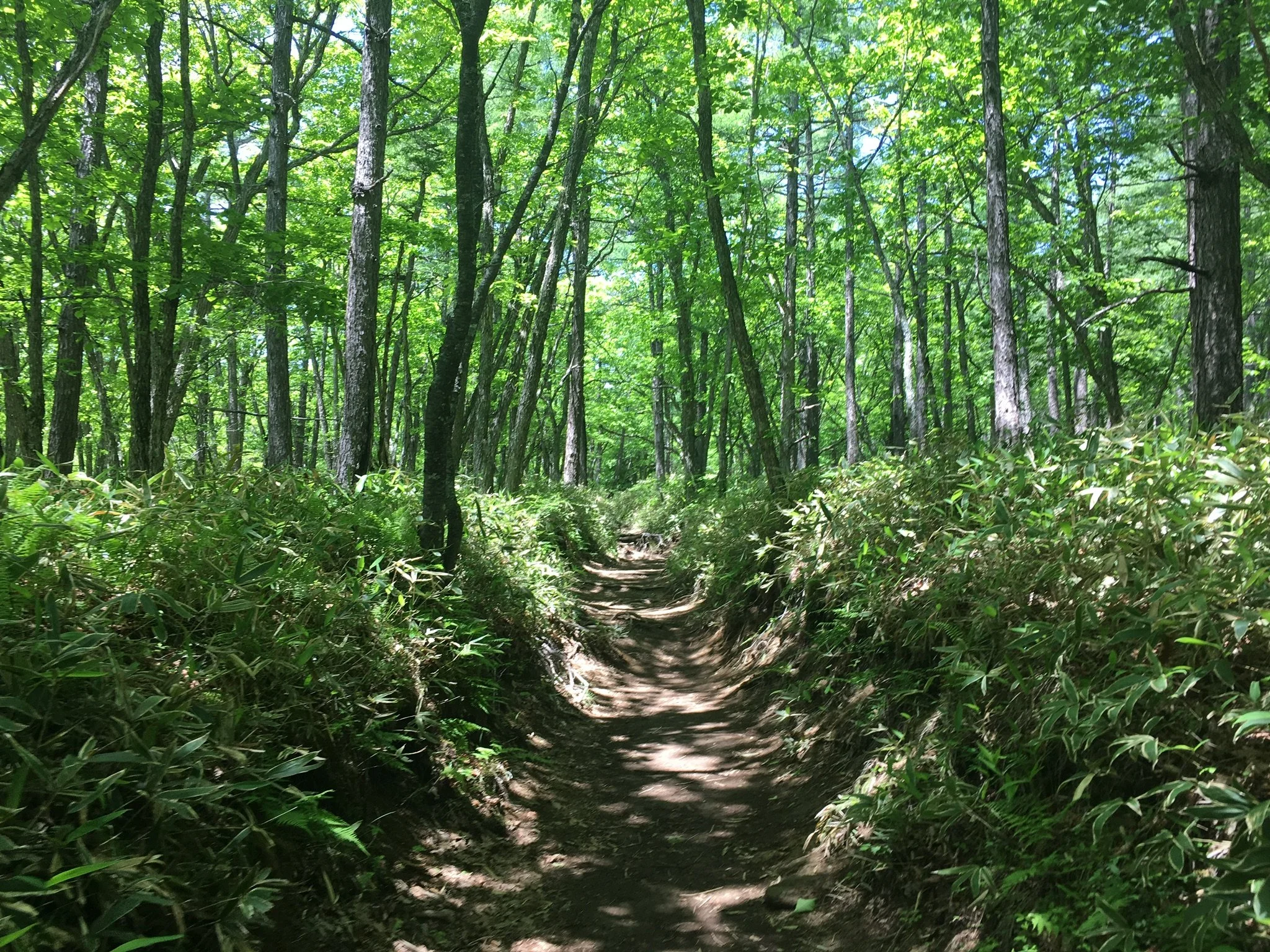
The Oku-Nikko area (奥日光) is a whole collection of hiking routes in Nikko National Park, located in Tochigi Prefecture. From an easy walk across Senjogahara marshlands to more demanding mountain hikes such as hiking to the top of Mt Nantai, there's a route here for almost every kind of hiker.As a nature lover, I fell in love with this region for its lush forests, magnificent waterfalls and the breathtaking setting of Lake Chuzenji. The area is particularly beautiful in autumn, and the higher altitude makes it also very suitable for hiking in summer.
🗓️ Best time: You can hike all year-around but I would personally recommend May to November (you can also visit in winter if you like snowshoe hiking); October is particularly spectacular for autumn colors (but also more crowded).
🔥 Difficulty: Easy to challenging, depending on route
🥾 Duration: From around 2 hours to full-day hikes
➡️ Planning to explore Nikko? Read my complete Nikko guide. I will write a dedicated hiking guide to my favorite hikes in Oku-Nikko in the future, so don’t hesitate to subscribe to my free monthly newsletter to be informed of my latest posts.
6. Yamadera Hike, 1,015 Steps to a Sacred Mountain Temple
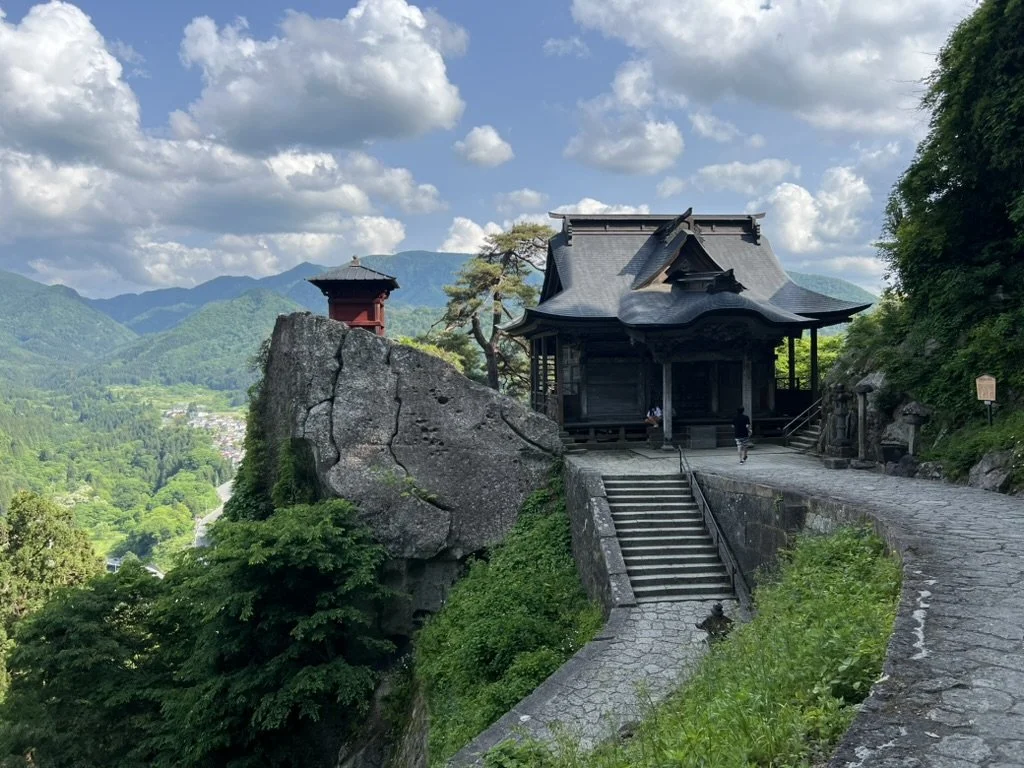
Another hike that was particularly memorable was the climb to Yamadera (山寺), a mountainside temple in Yamagata Prefecture (Tohoku region) that I did as a half-day trip from Sendai. This climb takes you up 1,015 stone steps through an atmospheric cedar forest, with temples, rock formations and increasingly impressive views appearing along the way.
🗓️ Best time: This hike can be done all-year round, but particularly spring (I visited in May when the temple was surrounded by lush greenery and wild flowers and loved it) and autumn; winter also seems beautiful but caution is required as the steps can be covered in snow and icy.
🔥 Difficulty: Easy to moderate
🥾 Duration: Around 1.5–2 hours for the climb and to explore the temple complex, 3 hours in total if you also spend time walking around the town of Yamadera.
7. Magome-Tsumago, Japan's Most Atmospheric Historic Trail
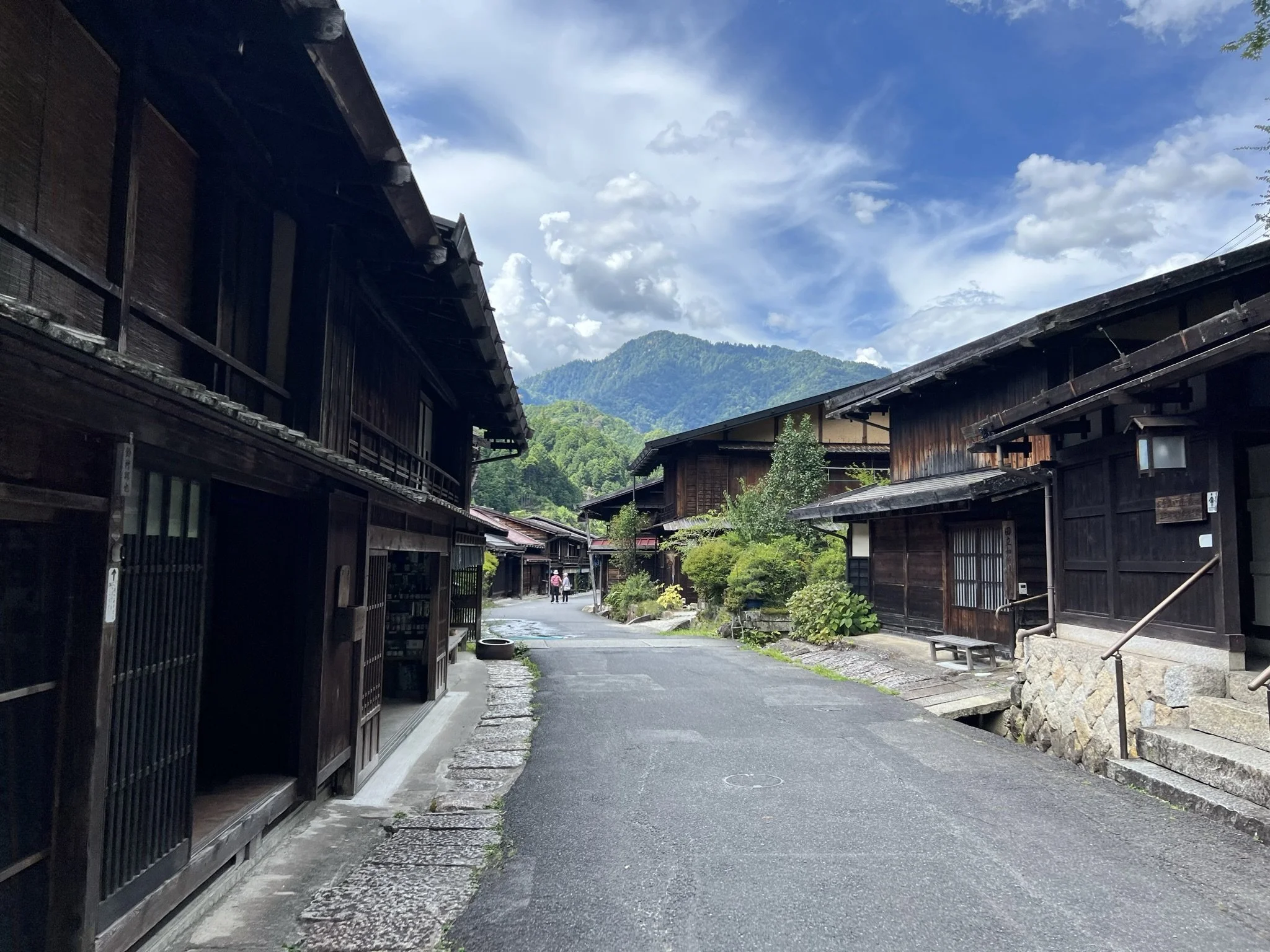
This is one of Japan’s most popular hikes (without being too crowded in my experience), and for very good reasons. The trail links the two historic post towns of Magome (馬籠) and Tsumago (妻籠) on the old Nakasendo road in the Kiso Valley (Gifu Prefecture). Well known for its well-maintained section of the Nakasendo, this hike is relatively gentle and takes you through a variety of landscapes, from forest (including cedar, cypress, Japanese maples and bamboos) to countryside, passing though beautiful rural villages and fields.
If I had to pick only one hike in this article as my ultimate favorite hike, it would be this one. The next time I do this hike, I would love to stay overnight in Magome or Tsumago/Nagisobefore or after the hiketo really take the time to appreciate this beautiful area.
🗓️ Best time: This hike can be done all-year round but I would recommend spring, summer and autumn. As the route winds through the forest most of the way, it is also possible to do this hike even in the Japanese summer heat (I did this hike in August and the heat was manageable).
🔥 Difficulty: Easy to moderate
🥾 Duration: About 8 km / 3 hours (or longer if you plan to explore the two post towns at a leisurely pace)
➡️ Read my detailed guide to the Magome-Tsumago hike, my favorite hiking trail in Japan.
8. Nakasendo Torii Pass, A Quieter Hike through Japan's Edo-era Past
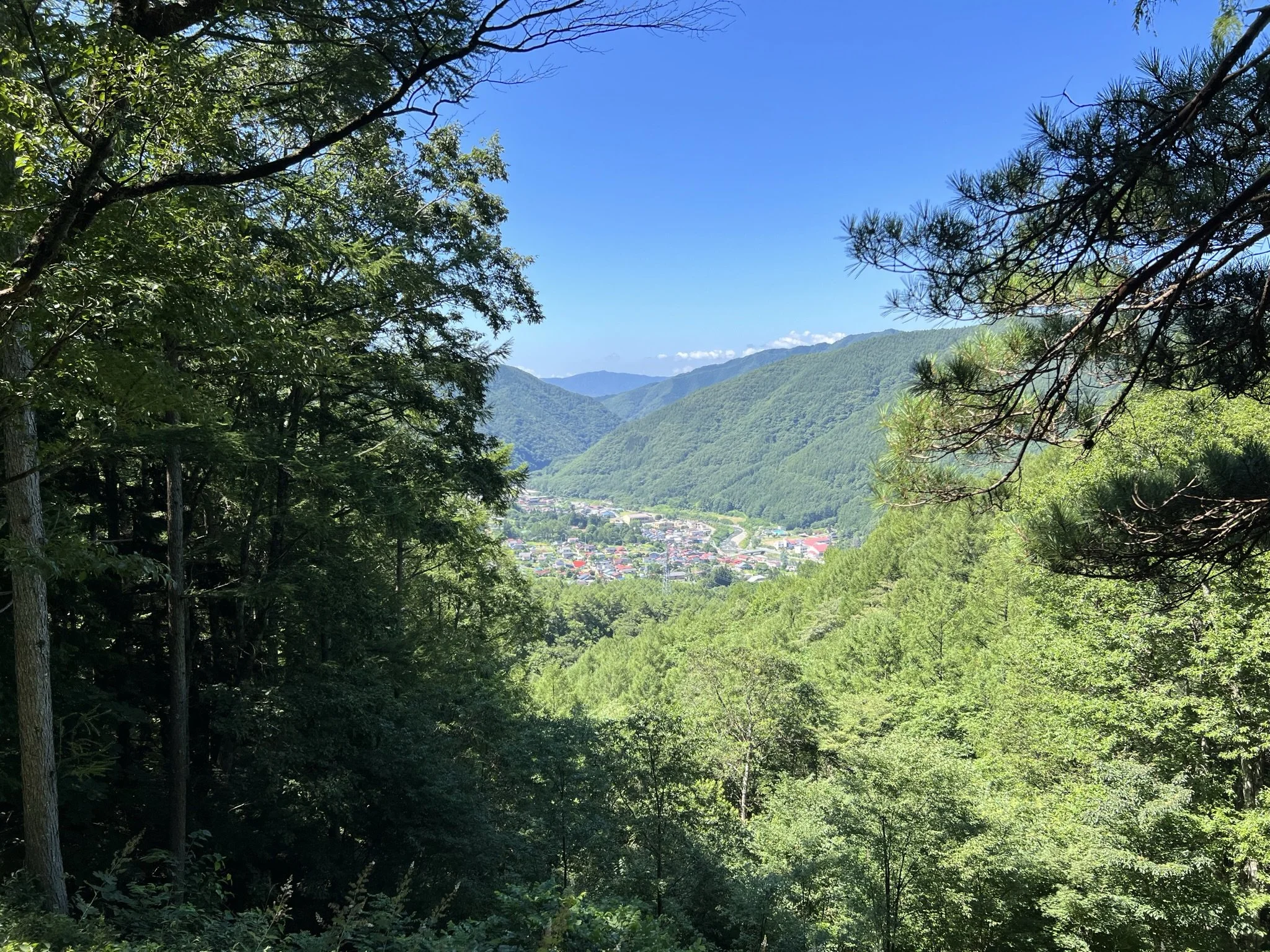
The Nakasendo is famous for the walk between Magome and Tsumago introduced above, but the lesser-known section over Torii Pass (鳥居峠) offers a completely different experience. The trail between Yabuhara and Narai climbs through forest to the historic pass before descending into Narai, a beautiful and very-well preserved historic post town. It’s a beautiful and enjoyable half-day walk, perfect for appreciating off-the-beaten-path Japan while getting some exercise on a quiet hiking trail.
🗓️ Best time: This hike can be done all-year round but I would recommend spring, summer and autumn; I enjoyed hiking in the summer because of the lush green forest.
🔥 Difficulty: Moderate (while the incline from Yabuhara to the top of the Tori Pass is steep, the path down to Narai is gentler)
🥾 Duration: About 8.5 km / 2.5–3 hours
➡️ Curious about one of the quieter sections of the Nakasendo? My detailed Torii Pass guide covers the route, logistics and what to expect along the way.
9. Kurama to Kibune Hike, A Lovely Mountain Walk Between Two Sacred Villages Near Kyoto
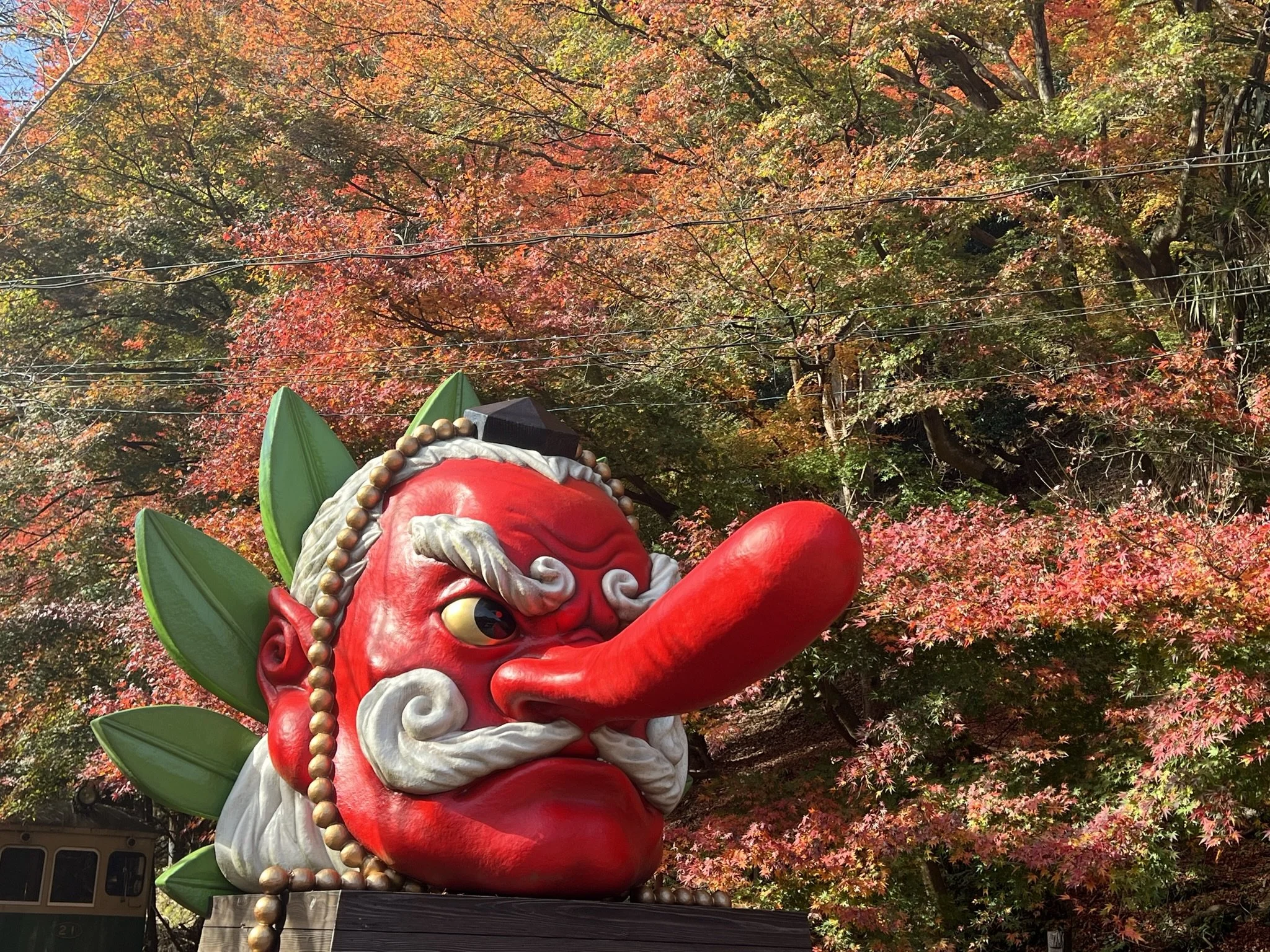
If you want to escape Kyoto's crowds without travelling far, I highly recommend the hike from Kurama (鞍馬) to Kibune (木船). This beautiful mountain trail connects two historic shrine and temple, offering the perfect nature escape from the city. I did this hike a few years ago in autumn and highly recommend it for the stunning seasonal colors and serene mountain atmosphere! It was one of the highlights of my Kyoto autumn trip.
🗓️ Best time: The trail is open all year. Autumn is particularly stunning, but I’d love to return again especially in late spring or early summer to enjoy the mountain scenery in its verdant colors.
🔥 Difficulty: Moderate
🥾 Duration: Around 3 hours including temple visits
➡️ You can read my detailed guide to the Kurama–Kibune hike with everything you need to know to plan your visit.
10. Akame 48 Waterfall Trail, A Trail Through a Spectacular River Valley
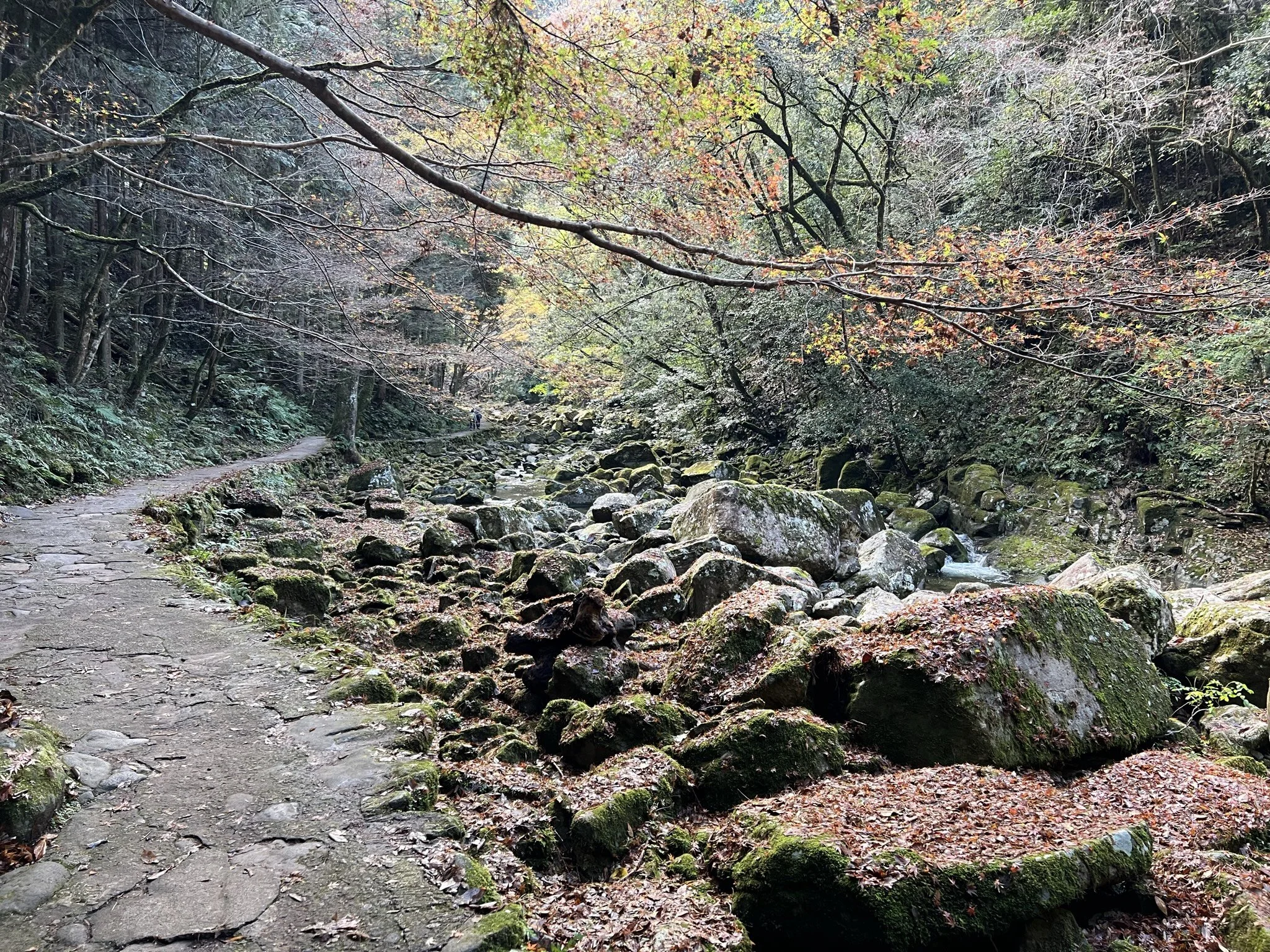
If you’re a nature lover wishing to explore lesser-known parts of the Kansai region, I highly recommend the Akame 48 Waterfalls trail (赤目四十八滝), a beautiful hiking trail in Mie Prefecture, known for its numerous waterfalls, lush moss-covered forests, and deep connection to ninja history. Despite the name, there aren't actually 48 waterfalls, but there are still plenty of them!
🗓️ Best time: You can do this hike all-year around as each season has its own charm.
🔥 Difficulty: Easy to moderate (a few steep sections and stairs)
🥾 Duration: Around 3–4 hours for the main waterfall route
➡️ Planning a visit to Akame 48 Waterfalls? Read my complete trail guide covering access to this hike, key parts of the trail and my hiking tips.
11. Magose Toge Pass, A Lesser-Known But Beautiful Section of the Ancient Kumano Kodo
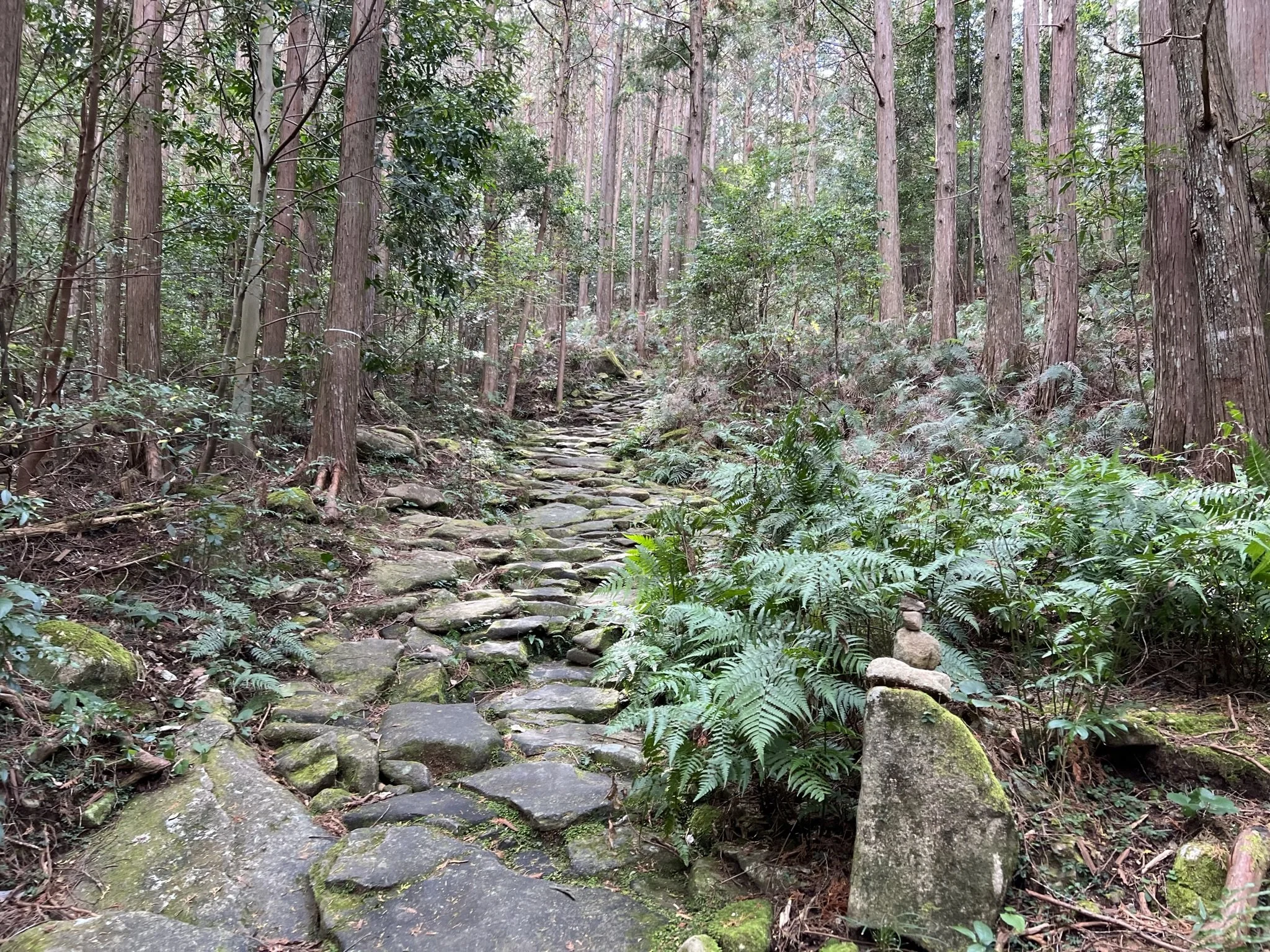
The Magose-toge (馬越峠) section of the Kumano Kodo Iseji pilgrimage route is a beautiful, manageable half-day hike, perfect for appreciating off-the-beaten-path Japan while getting some exercise on a quiet nature trail. Located in Mie Prefecture, the trail passes through dense forest and climbs over Magose Pass before descending towards the town of Owase, with beautiful sections of original stone paving along the way. It’s a peaceful walk that gives you a real sense of what ancient pilgrims might have felt as they made their way toward the sacred sites of Kumano.
🗓️ Best time: This hike can be done year-round, but I would recommend autumn or spring for a more comfortable experience (best to avoid rainy days as the path would be very slippery).
🔥 Difficulty: Moderate (some steep sections but nothing too technical although it can be quite slippery).
🥾 Duration: The full hike is about 4 to 5 kilometers long and takes 2 to 3 hours depending on your pace.
➡️ Check out my dedicated guide which covers the route, transport, difficulty and the practical details that are useful to know before you go.
12. Yamanobe no Michi Trail, Walk Through Japan's Ancient Countryside
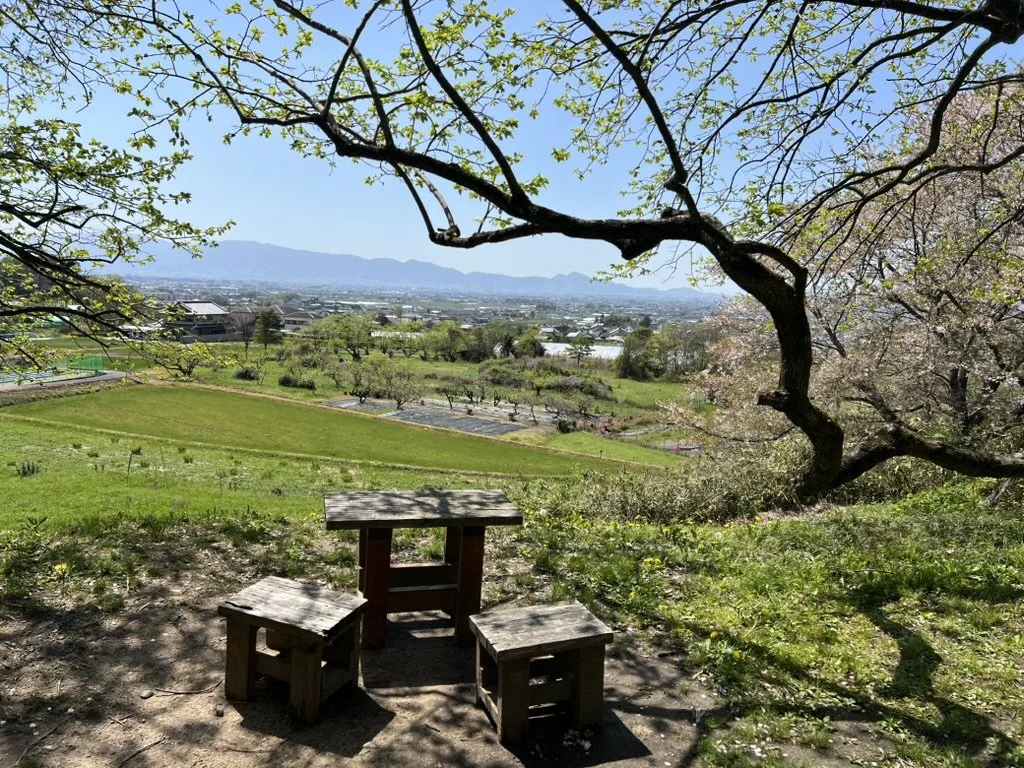
Yamanobe-no-Michi (山辺の道) is about experiencing a different side of Japan on foot. If you're looking for an off-the-beaten-path hike near Kyoto, Osaka, or Nara, I can't recommend this trail enough! Stretching for around 17 kilometers through the Japanese countryside, the route passes ancient shrines, peaceful temples, historic villages, and scenic farmland, far away from the crowds found at many of Kansai's more famous destinations.
🗓️ Best time: This hike can be done year-round, but I would recommend autumn or spring for a more comfortable experience. I visited in mid-April just after the peak sakura season and the scenery was enchanting.
🔥 Difficulty: Easy to moderate
➡️ My detailed Yamanobe-no-Michi hiking guide takes you through the route step by step, including the highlights, logistics and my favorite stops along the way.
13. Takaya Shrine, A Hike to One of Japan's most Dramatic Mountain Viewpoints
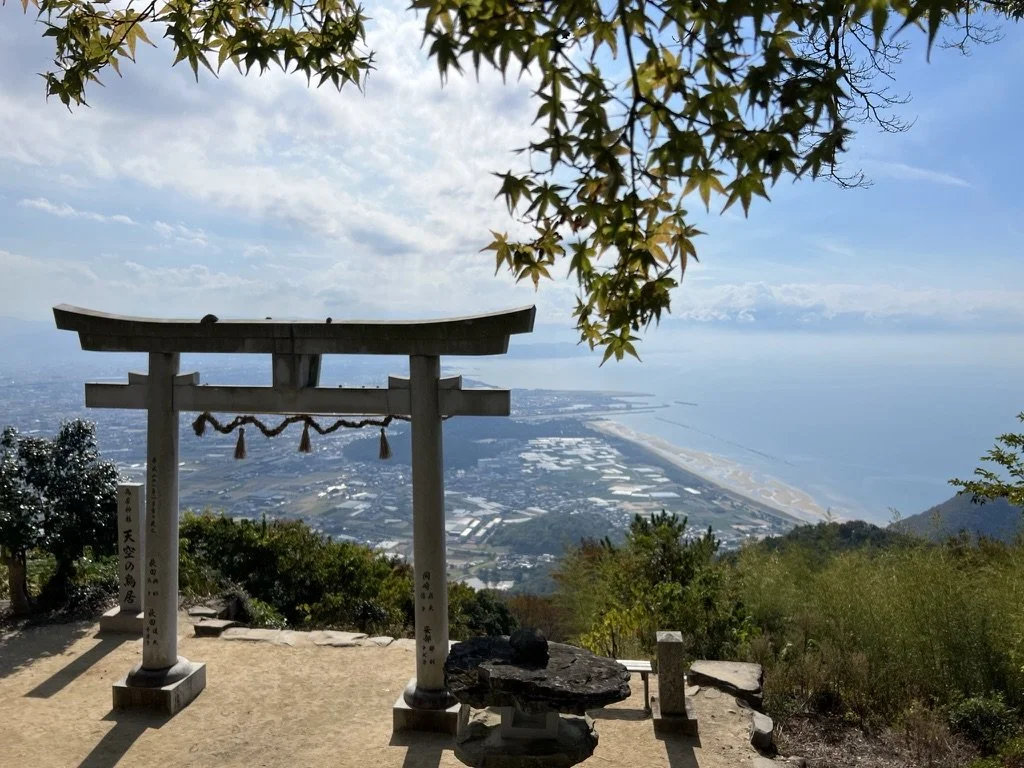
The hike to Takaya Shrine (高屋神社) in Kagawa Prefecture, Shikoku, is one of the most rewarding hikes I’ve done in Japan. The hike up to this hidden gem known as the “Torii in the Sky” is an adventure, with a little-known forest trail, a bit of a challenge, and a fantastic payoff at the top!
🗓️ Best time: The trail is open all year, but I would recommend spring and autumn when the weather is mild; early morning or late afternoon for the best light
🔥 Difficulty: Moderate (the trail is not long, but some sections are very steep and the path uneven)
🥾 Duration: Allow around 2 to 2.5 hours for the hike and to relax at the shrine and take in the stunning view
➡️ My Takaya Shrine Guide explains how to reach the trail, what the hike is like and more practical tips.
14. Shiratani Unsuikyo, Hike Through the Forest that Inspired Princess Mononoke
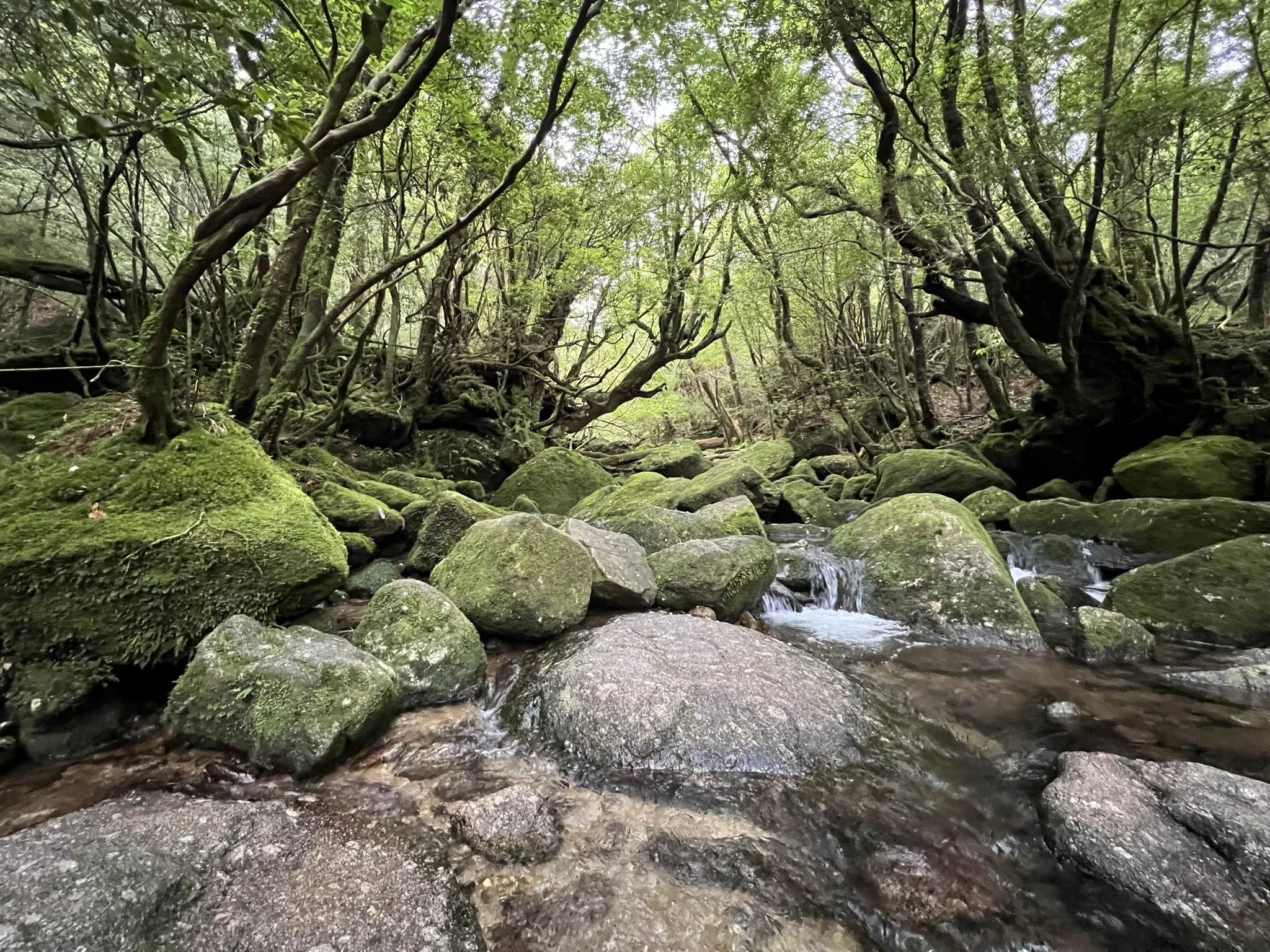
Shiratani Unsuikyo (白谷雲水峡) is the most beautiful natural place I’ve had the chance to visit. This hike in this ravine on Yakushima is trully magical. Filled with enormous cedar trees, lush moss and streams, this atmospheric forest is famously associated with the visual inspiration for Miyazaki’s Princess Mononoke. The trails range from shorter walks to more demanding routes deeper into the mountains.
🗓️ Best time: Spring through autumn; be prepared for rain at any time.
🔥 Difficulty: Moderate to challenging, depending on route
🥾 Duration: From 2 to 5-6 hours depending on route
➡️ Want to experience Yakushima's magical forest for yourself? Learn more about this breathtaking trail in my Shiratani Unsuikyo hiking guide.
15. Yakusugi Land, Walk Among Thousand-Year-Old Cedar Trees
Yakusugi Land is one of my favorite places on Yakushima for experiencing its enormous ancient cedar trees without committing to a full-day mountain trek. Walking through Yakusugi Land feels like stepping into a living forest museum, with well-maintained trails that lead past towering cedar trees and moss-covered rocks. There are several courses, ranging from easy walks to more demanding forest hikes.
🗓️ Best time: Spring through autumn; be prepared for rain at any time.
🔥 Difficulty: Easy to challenging, depending on route
🥾 Distance / time: Around 1–4 km / 30 minutes–3.5 hours
➡️ You can read about my experience hiking in Yakusugi Land in this article.
To Conclude
Japan offers such an incredible variety of hiking experiences. These 15 trails are some of my personal favorites, but they only scratch the surface of what there is to discover.
I hope this guide has given you some inspiration for your next adventure in Japan. Pick a trail that catches your attention, dive into my detailed hiking guide, and start planning your own journey on the trail!
Found this article helpful? Buy me a coffee. 😊
Want to stay in touch? Subscribe to my monthly newsletter (with latest articles, updates, travel tips and more...) delivered straight to your inbox. 📩
Some of the links in this Japan Hiking Guide are affiliate links. At no extra cost to you, I may earn a small commission when you click on them and make a purchase. And if you do, thanks for your support! Purchasing through these links is a great way to support Travely Notes, as this helps with the costs of running my blog.
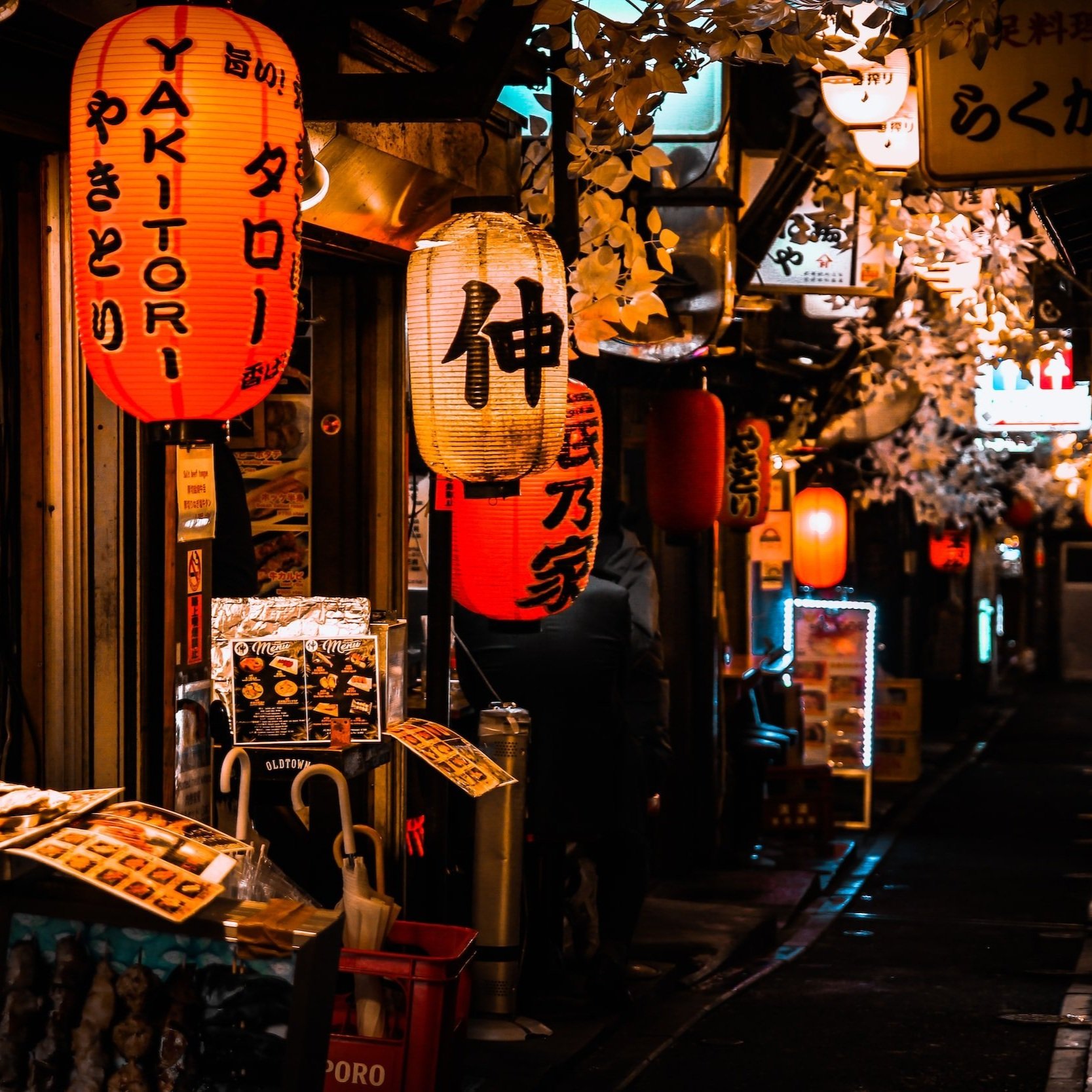
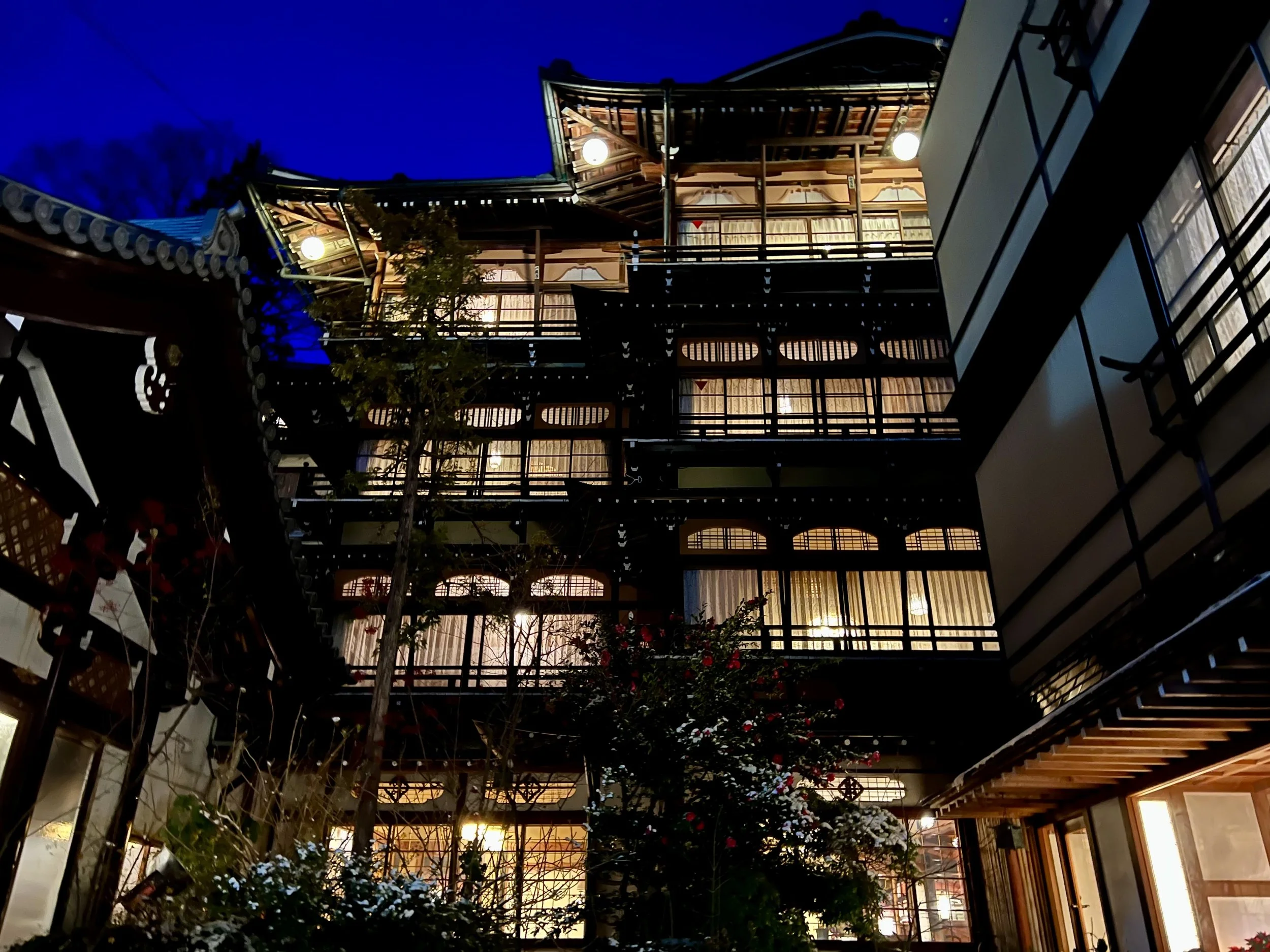

Japan is an incredible destination for hikers. After hiking in different parts of the country for four years, I’ve put together a list of my 15 favorite hikes in Japan with the trails I’ve enjoyed most and would warmly recommend to other fellow hikers looking for inspiration for their next adventure in Japan.