
11 Underrated Places in Japan I’ve Visited and Warmly Recommend
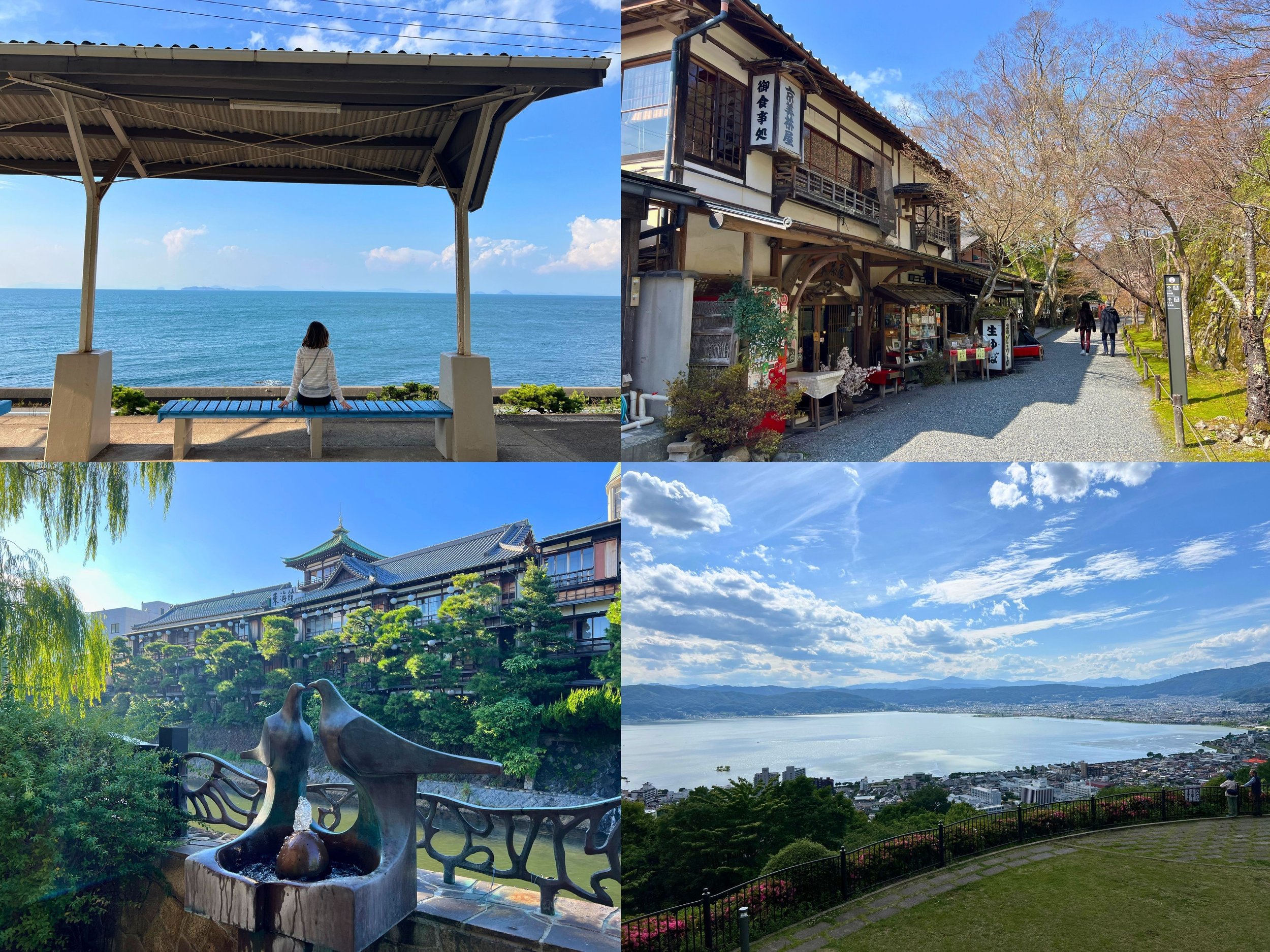
One of the main focuses of my Japan travel blog is to encourage travelers to look beyond Japan’s most famous destinations. As overtourism is affecting many of the country’s best-known places, I want to highlight lesser-known corners of Japan to inspire travelers to expand their exploration of this fascinating country beyond the popular “must-visit” spots.
In this article, I wanted to bring together some of the places that have stayed with me the most, that I’ve found underrated, each with its own special charm and that has exceeded my expectations. They are also places I would happily recommend to friends and family looking to add something different and off the beaten path to their Japan itinerary.
Some of these destinations make wonderful half- or full-day trips from larger cities, while others require a longer stay. Each one is linked to a dedicated article if you’d like to learn more about a particular destination in more depth.
This is by no means an exhaustive list; there are far too many underrated destinations in Japan for that! I’ll continue updating this article as I discover more places that I want to showcase here.
1. Ito and the Izu Peninsula
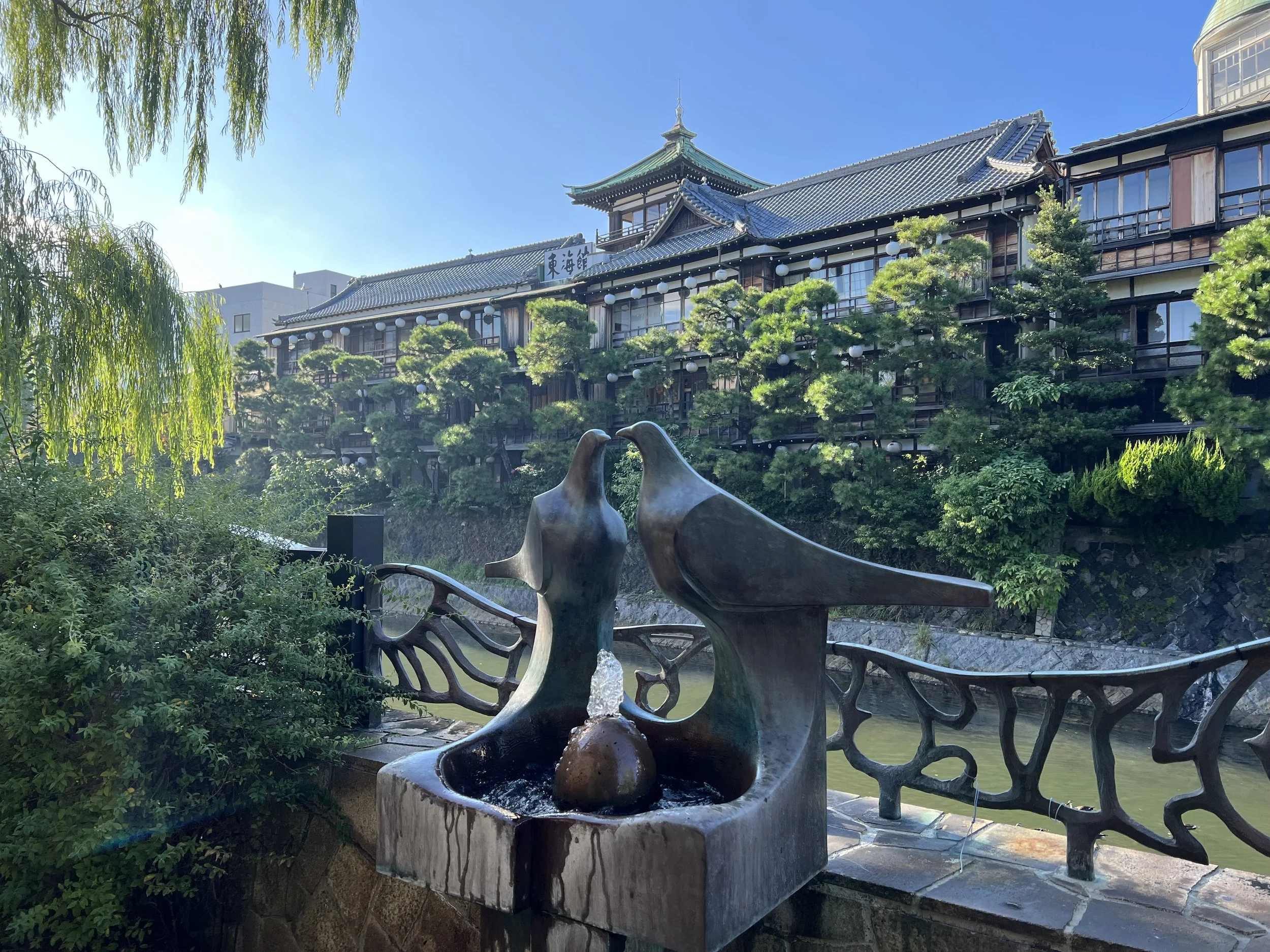
While towns such as Atami and Ito are well known among Japanese travelers, the Izu Peninsula is still generally overlooked by international visitors. Yet the peninsula is easily accessible from Tokyo and offers an incredible variety of landscapes and experiences: volcanic coastlines, beautiful beaches, traditional onsen towns, waterfalls, small fishing villages and spectacular views of Mount Fuji. For me, it’s one of the best choices for travelers who want to add a more relaxed and outdoors-focused experience to a Tokyo itinerary.
🚆 Access: From Tokyo, take the Tokaido Shinkansen to Atami and continue by local train toward Ito and the southern peninsula. Renting a car is useful for exploring the more remote parts of Izu.
⏳ How long to spend: At least 2 days, although 3–4 days (or even a week) would allow you to explore more of the peninsula at a relaxed pace.
🏨 Where to stay: Depending on how long you plan to spend and the parts of Izu Peninsula you plan to explore, Atami, Ito or Shimoda can be convenient bases on the eastern side of the peninsula. In Ito, I highly recommend K's House Ito Onsen, which has an amazing value for the money.
➡️ My articles:
A Nature Day Trip to Izu: Jogasaki Coast and Mount Omuro Itinerary
Kawazu Seven Falls: A Nature Lover’s Hidden Gem on the Izu Peninsula
Explore Shimoda, Japan: Top Things to Do, Where to Stay and Tips
A Relaxing Weekend Getaway in Atami: An Easy Onsen Escape from Tokyo
Yugawara Onsen Guide: Nature, Temples and Coastal Charm Near Tokyo
2. Suwa
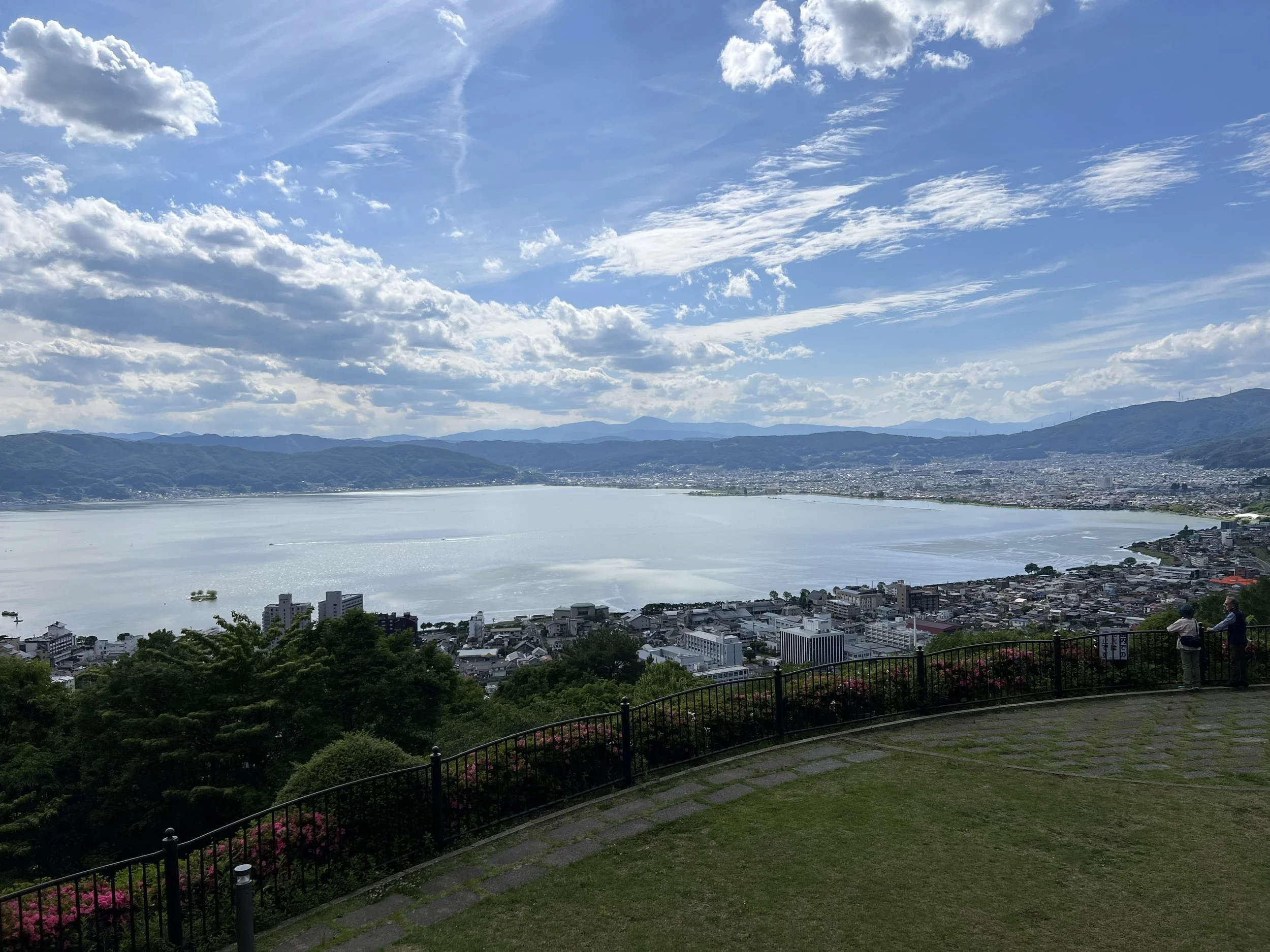
Suwa (諏訪) has become one of my personal favorite destinations in Japan. This peaceful area in Nagano prefecture which surrounds Lake Suwa is unknown to most international travelers, but it offers so much, from natural hot springs to stunning lake views and some of Japan’s oldest shrines, as well as a beautiful castle. This city has a quiet charm that I find truly special.
As an anime lover, I first came across Suwa because of its connection to the movie Your Name (or ‘Kimi no Nawa’), as Lake Suwa inspired the fictional Lake Itomori. After spending a weekend in Suwa and realizing how special this place was, I decided to return and stay there for a week to use Suwa as a base to explore more of Nagano prefecture and the Nakasendo trails, and it was just fantastic!
🚆 Access: From Shinjuku, the JR Chuo Line Limited Express takes around 2 hours 35 minutes to Kamisuwa Station.
⏳ How long to spend: At least 2 days, and more if you wish to use Suwa as a base to explore more of Nagano prefecture.
🏨 Where to stay: The two times I visited Suwa, I’ve stayed at Kamisuwa Onsen Hamanoyu (浜の湯), a large ryokan with hot spring facilities in Kamisuwa onsen, simply because I had a wonderful experience there. You can book your stay at Kamisuwa Onsen Hamanoyu or browse more accommodation options on Agoda, Booking or Trip.
➡️ My articles:
3. Matsushiro
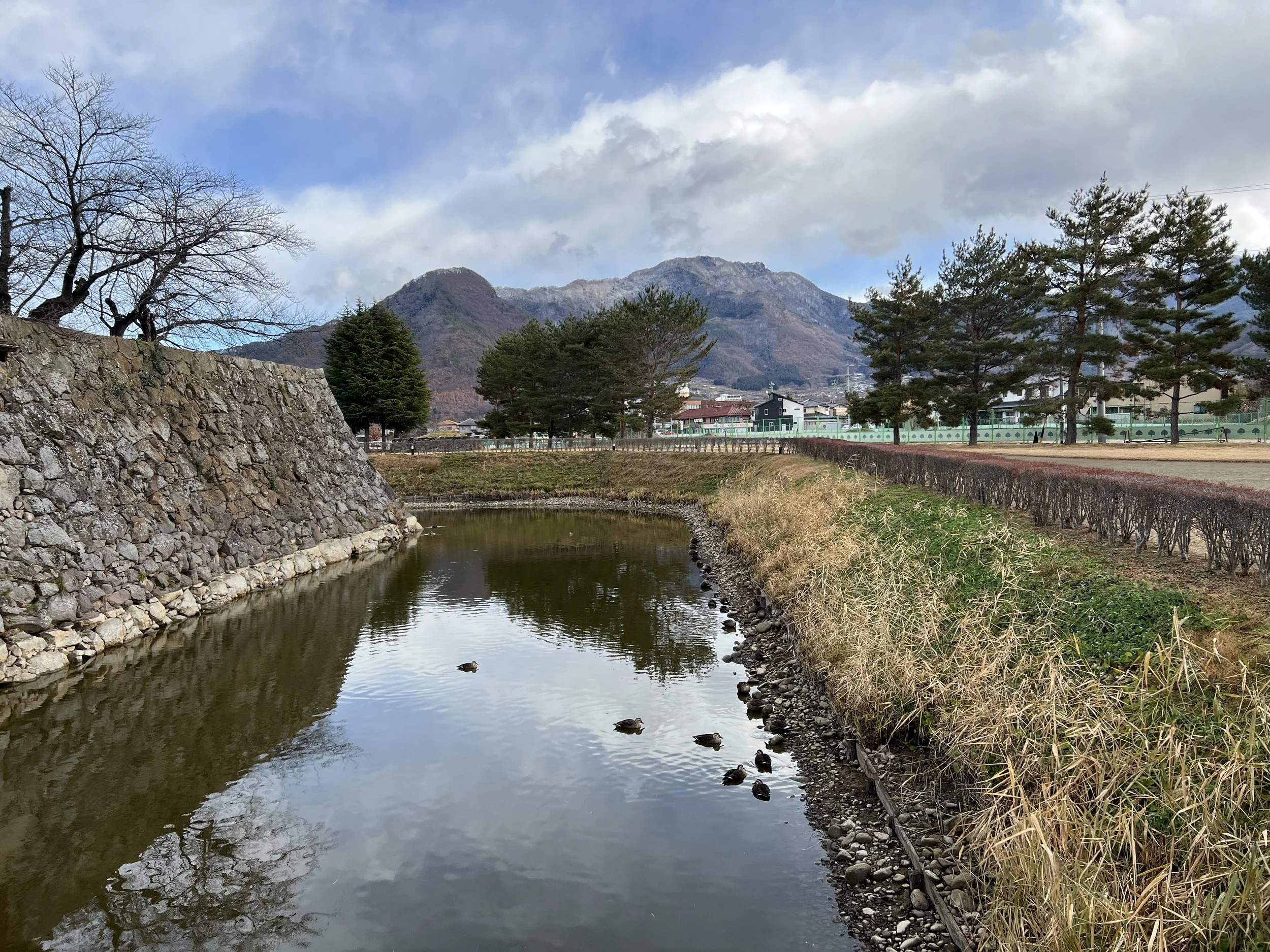
Just outside Nagano City, Matsushiro (松代) is a destination I think deserves much more attention from visitors already visiting Nagano. This former castle town was once an important stronghold of the Sanada clan, and today you can still discover beautifully preserved samurai residences, historic temples, gardens and the remains of Matsushiro Castle. Matsushiro is exactly the kind of place I like to promote on this blog: somewhere that has plenty of history and cultural interest but is completely off the radar of international visitors.
🚌 Access: From Nagano Station, local buses reach Matsushiro in around 30–40 minutes.
⏳ How long to spend: Half a day for the main sights, or a full day if you want to explore at a slower pace.
🏨 Where to stay: Nagano is the most convenient base for most travelers.
➡️ My article: A Half-Day Trip to Matsushiro, A Samurai Town in Nagano
4. Tsurugi and Hakusan
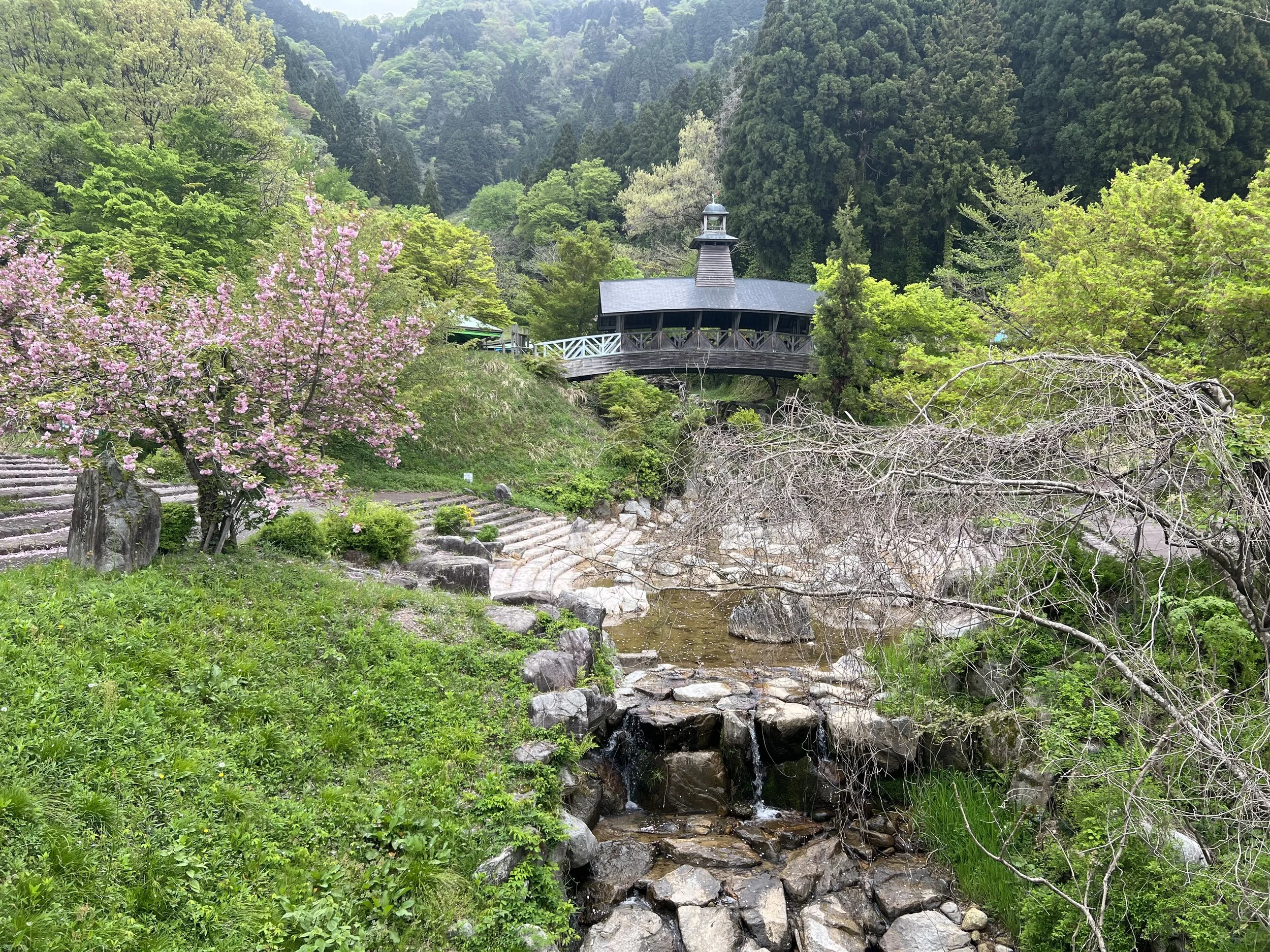
Tsurugi (鶴来) is a small historic town with a strong connection to Hakusan worship (Mount Hakusan being considered one of the three most sacred mountains of Japan). It’s a wonderful choice for travelers who are planning to visit Kanazawa and want to explore a hidden gem beyond the city. This town has a lot to offer: beautiful shrines, sake breweries, an insect museum, mountain gondolas where you can admire stunning views of the Sea of Japan on sunny days... If you are looking for a lesser-known destination in Ishikawa prefecture, I highly recommend Tsurugi!
🚆 Access: Tsurugi is around 30 minutes from Kanazawa by local train.
⏳ How long to spend: A full day for Tsurugi; 1–2 nights if exploring the wider Hakusan area.
🏨 Where to stay: I visited Tsurugi as a day trip from Kanazawa, but if I were to spend the night in Tsurugi to enjoy a special stay, based on reviews and location, I’d stay at Wataya (和田屋 岩魚・鮎・山菜料理), a traditional ryokan founded in 1865 located next to Shirayama Hime Jinja.
➡️ My article: Tsurugi, Hakusan - A Secret Gem and Fun Day Trip From Kanazawa
5. Takayama
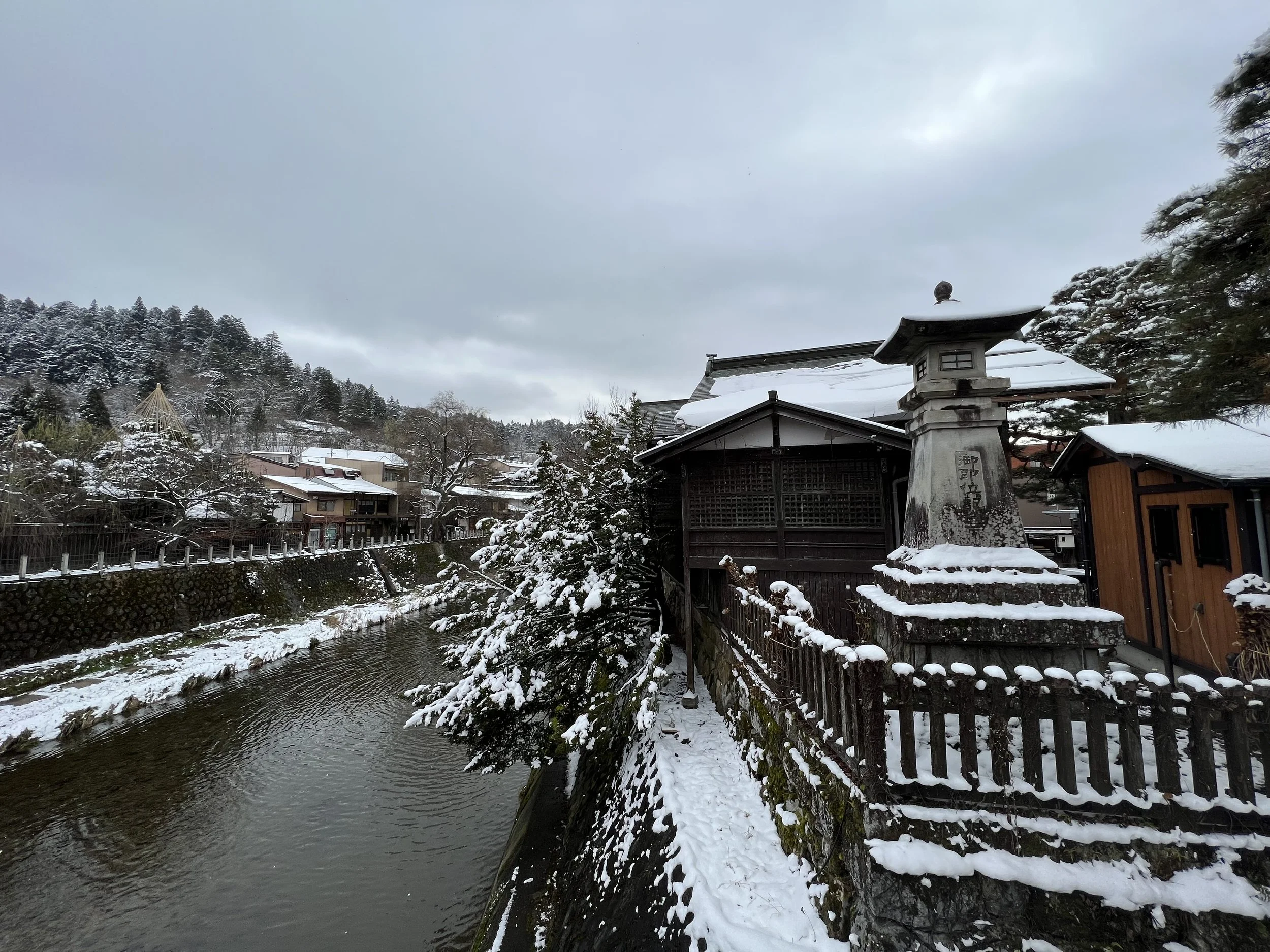
Takayama (高山) may seem like an unusual choice for a list of underrated destinations because it is certainly no longer a secret. However, compared with the enormous number of visitors heading to Tokyo, Kyoto and Osaka, I still think Takayama deserves a place here. The beautifully preserved old town, traditional wooden houses, excellent local food and mountain setting make it one of my favorite places in central Japan, especially in the wintertime.
🚆 Access: Takayama is most commonly reached by train from Nagoya (or via Nagano and Toyama) or by highway buses.
⏳ How long to spend: I’d recommend at least 2 nights.
🏨 Where to stay: Around the historic center or Takayama Station for convenience (I stayed at Residence Hotel Takayama Station and can warmly recommend it as an affordable and convenient option), or in an onsen ryokan for a more traditional experience. To find the best accommodation options in Takayama, I recommend checking Agoda and Booking to easily compare prices and locations.
➡️ My article: One Day in Snowy Takayama: My Walking Itinerary
6. Ohara
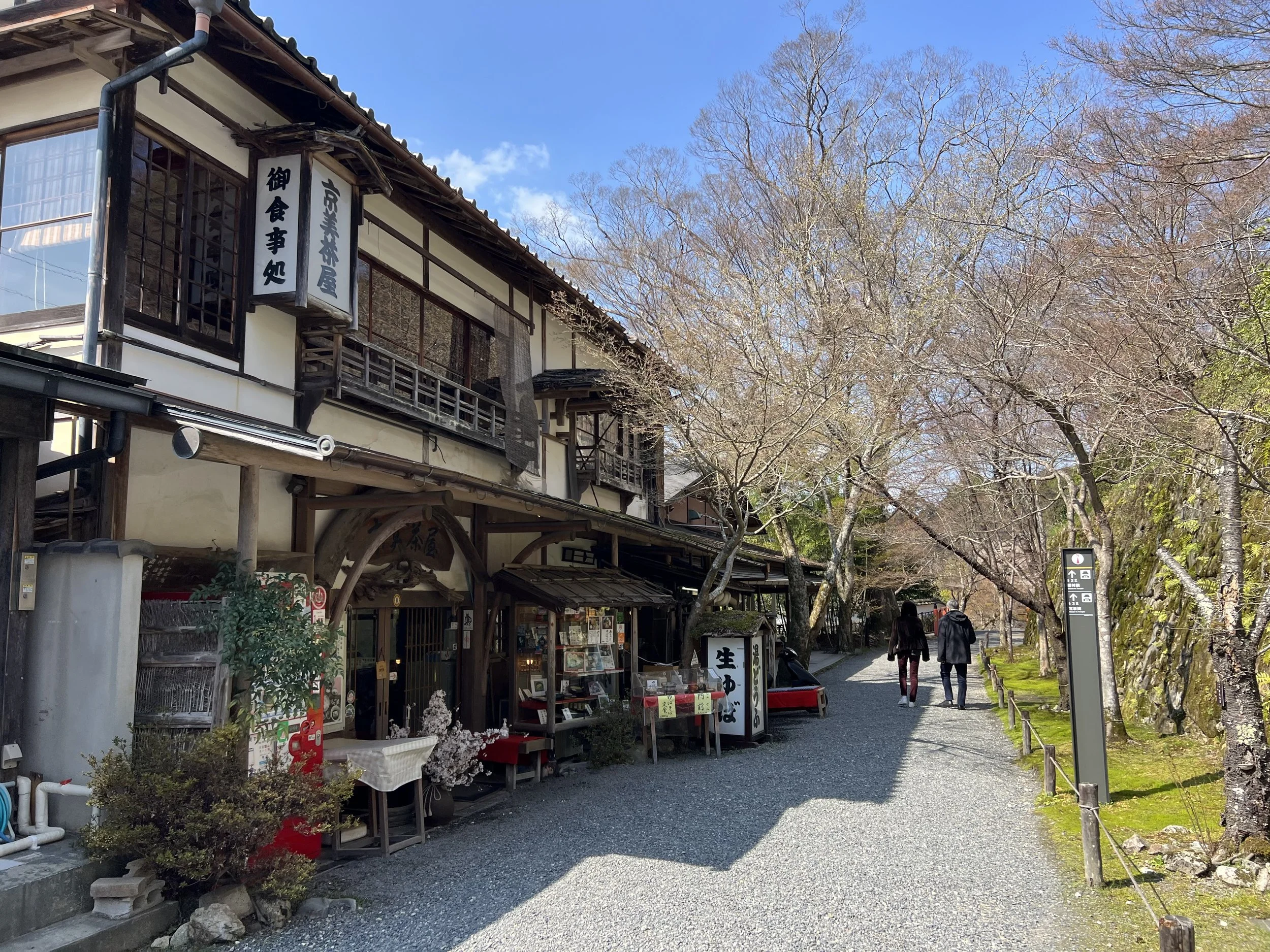
Ohara (大原) is my favorite recommendation for travelers who want to experience a quieter side of Kyoto without traveling far. Located in the mountains north of central Kyoto, this peaceful rural area is home to beautiful temples and gardens, and is the perfect place to experience Japan’s seasonal beauty, with cherry blossoms in spring, lush greenery in summer, colorful foliage in autumn and particularly serene atmosphere in winter. What I love most about Ohara is the contrast with central Kyoto: after navigating the crowds around the city's most famous temples, arriving in this mountain valley felt so refreshing!
🚆 Access: Buses from central Kyoto take roughly 1 hour, depending on the route and traffic. You can also take the subway to Kokusaikaikan station and continue by bus.
⏳ How long to spend: Half a day for the main temples, although I’d recommend a full day preferably. I would personally recommend to stay overnight, and stay in one of the minshuku or ryokans in the area.
🏨 Where to stay: Most visitors stay in Kyoto, but traditional inns are available in and around Ohara for those who want to stay overnight and experience a traditional Japanese stay. I’ve personally stayed at Kyo no Minshuku Ohara no Sato Onsen, which I thoroughly enjoyed and can warmly recommend.
➡️ My article: Ohara Itinerary: an Ideal Countryside Retreat from Kyoto
7. Iga
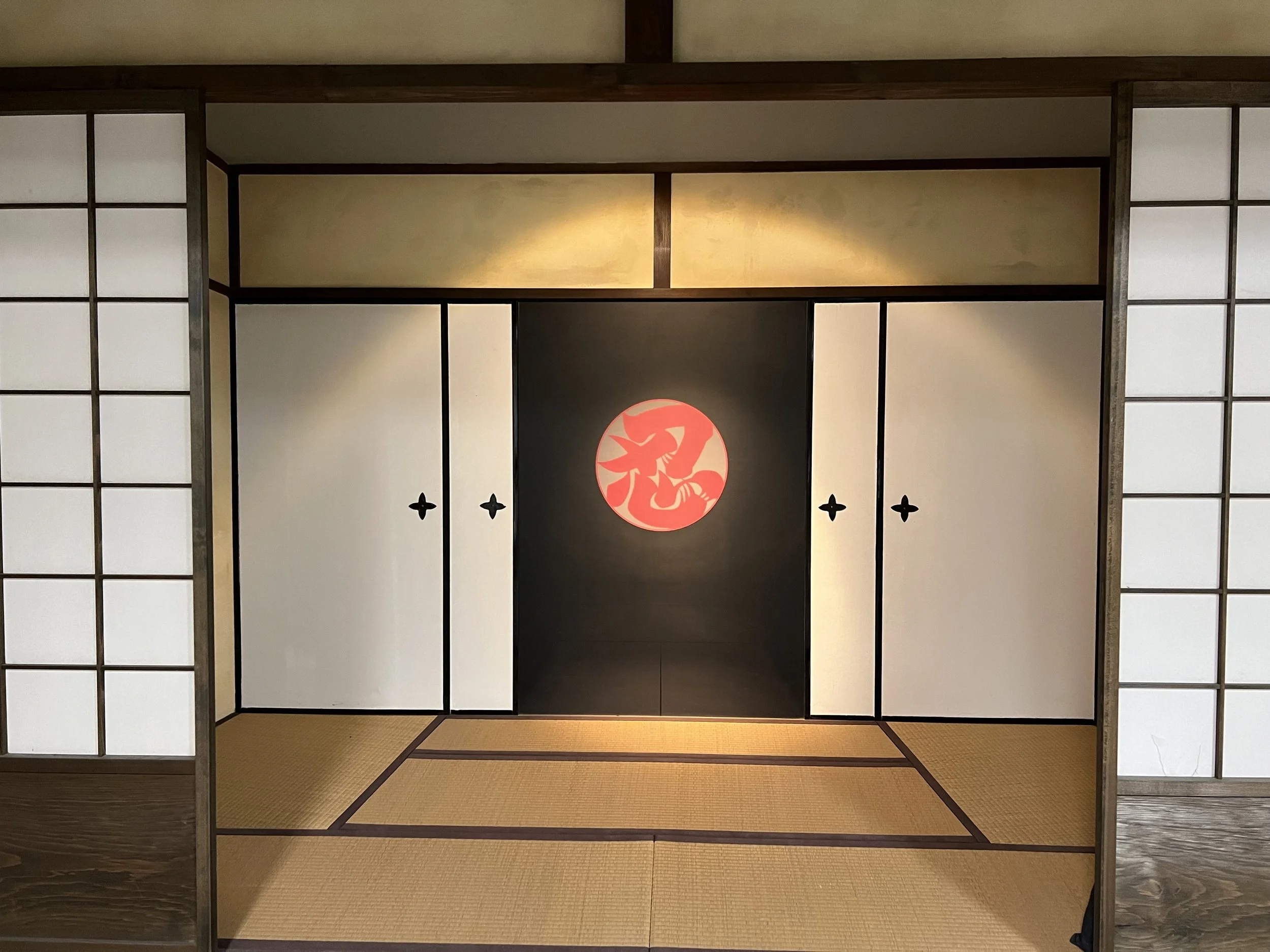
As a Naruto fan and someone fascinated by ninjas, Iga (伊賀) had long been on my Japan bucket list. This small city in Mie Prefecture is known as the birthplace of one of the most renowned school of ninjas, where real-life shinobis once trained in the art of espionage and assassination. Whether you're a history buff, a ninja enthusiast, or just looking for a unique cultural experience, Iga is a great destination to add to your travel itinerary in the Kansai region!
🚆 Access: Iga can be reached from both the Kansai and Nagoya areas by train, although routes vary depending on your starting point (between 1.5 to 2 hours).
⏳ How long to spend: Half a day to one full day for the main sights. Stay overnight if you want to explore the surrounding countryside, like the Akame 48 Waterfall trail.
🏨 Where to stay: During my stay in Iga, I spent a night at Hill Hotel Sunpia Iga (ヒルホテル サンピア伊賀) and had a very pleasant stay at this hotel. If you don't have a car, you can reach the hotel by bus in 20 to 30 minutes from Uenoshi station. If I were to stay again and try a new place, I’d recommend Nipponia Hotel Iga Ueno Castle Town, which offers guests the rare opportunity to immerse themselves in the past by staying in restored traditional houses and former shops in the center of Iga.
➡️ My article: Iga Travel Guide: Best Things to Do in Japan’s Ninja Town
8. Toba
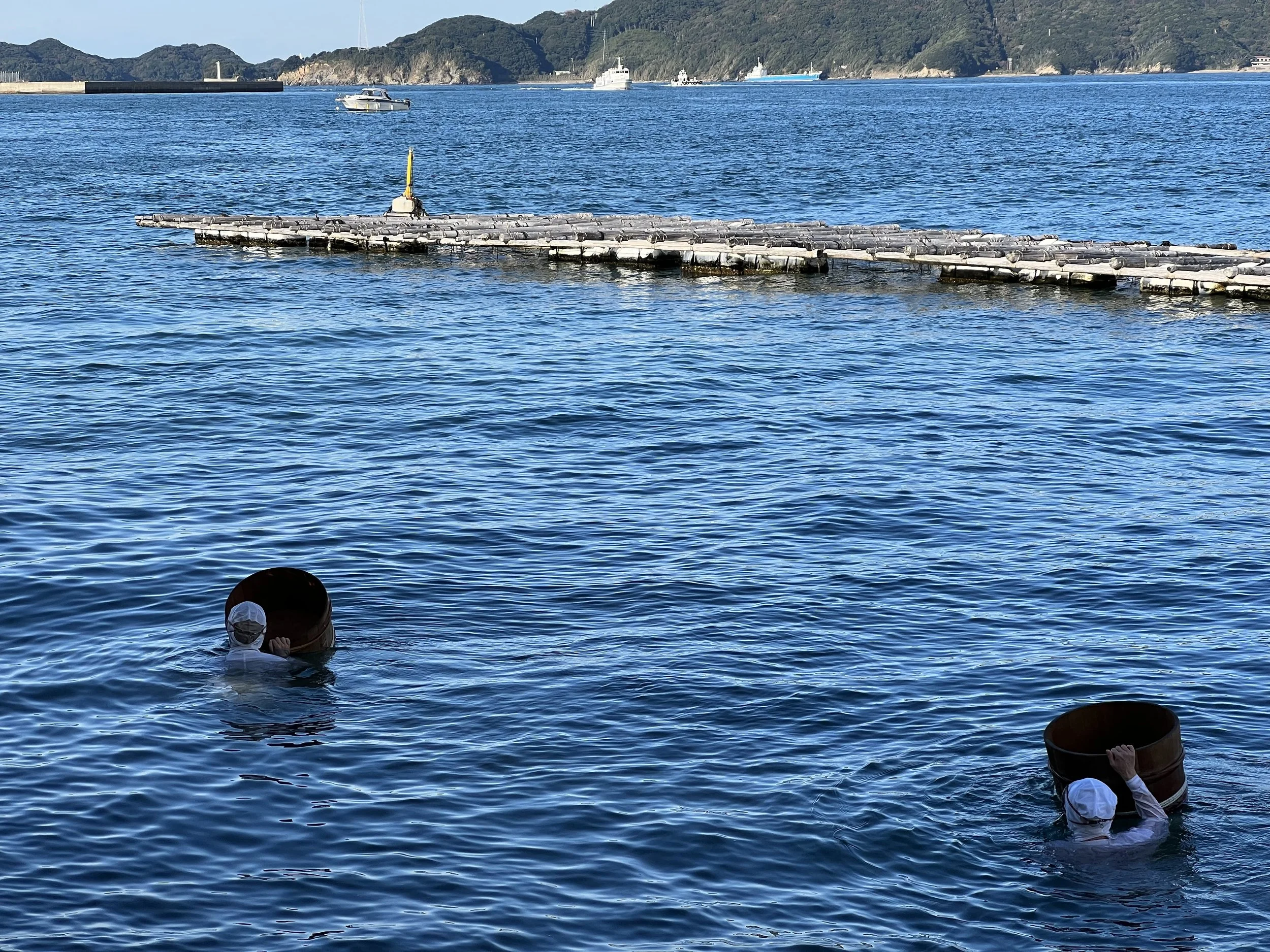
Toba (鳥羽) was another destination that really surprised me. Located on the Shima Peninsula in Mie Prefecture, it offers a very different experience from the more famous Ise Shrine area nearby. Toba is particularly known for its seafood, fishing and pearl cultures and connection to ama divers. If you’re interested in Japanese pearls, then you should definitely add to your Japan itinerary a visit to Toba’s Mikimoto Pearl Island.
🚆 Access: Toba can reached from Nagoya, Kyoto or Osaka by train and is only a short journey from Ise.
⏳ How long to spend: One day is possible, but I recommend staying one night to enjoy the coastal atmosphere, and combine your visit with other nearby sites like Ise or Futami Okitama Shrine.
🏨 Where to stay: Toba is particularly well suited to a ryokan stay, especially one with an ocean view and seafood-focused meals.
➡️ My article: Mikimoto Pearl Island, Toba: Discover Japan’s Iconic Pearl Destination
9. Nachi-Katsuura
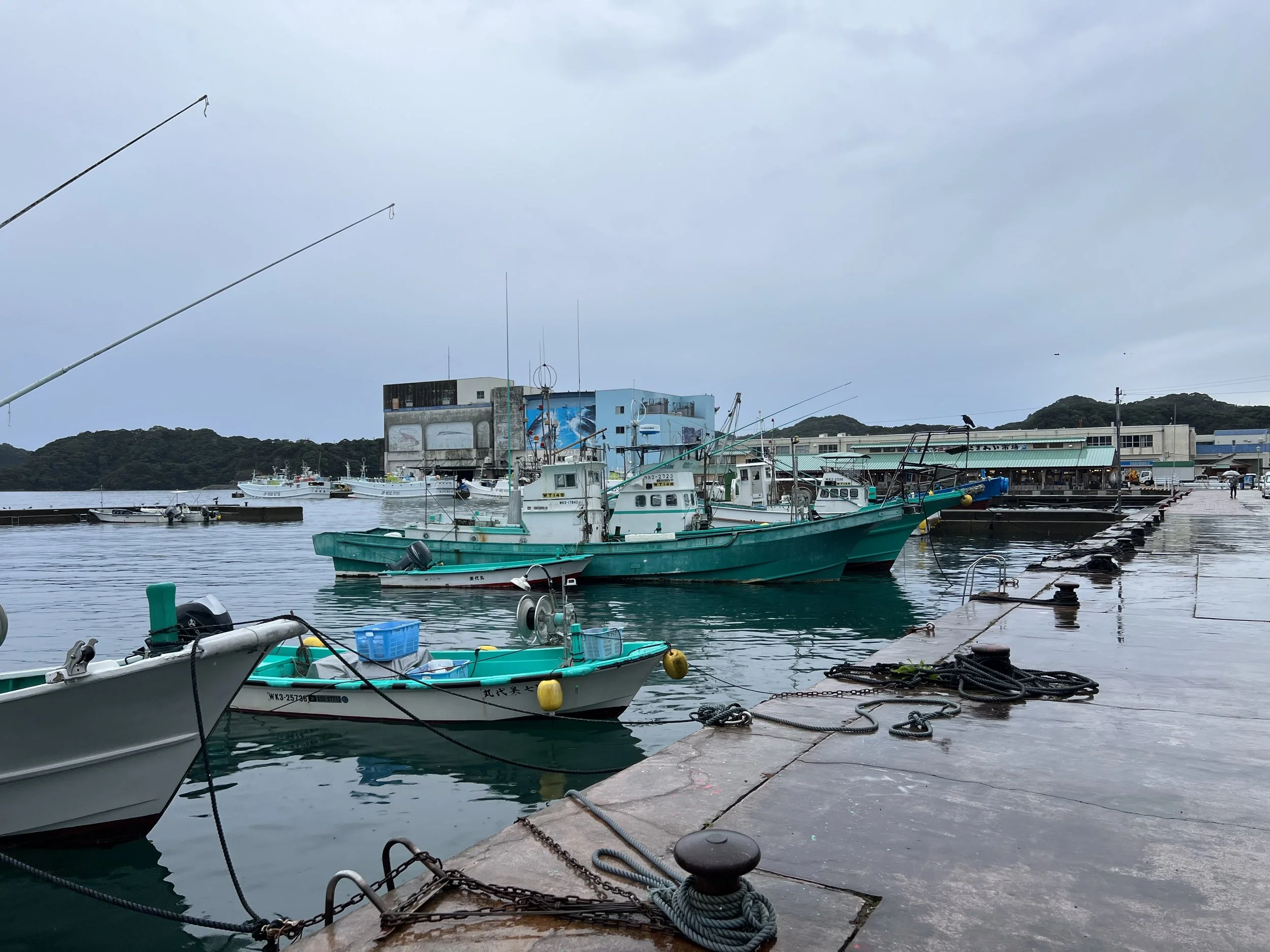
Nachi-Katsuura, or also known as Kii-Katsuura, is a fishing town on the Kii Peninsula, best known for its tuna fishing industry and proximity to Kumano Nachi Taisha and Nachi Falls. I was impressed by its authentic and distinctive atmosphere, marked by its strong connection to the ocean. With its early-morning tuna auctions, quiet harbor walks, and evenings spent soaking in hot springs overlooking the sea, Nachi-Katsuura is a coastal gem that flies completely under the radar of most international travelers.
🚆 Access: From Shin-Osaka, the JR Kuroshio Limited Express takes around 4 hours to Kii-Katsuura. From Nagoya, the journey takes around 3.5 hours. If you can, I’d recommend renting a car as it’s much more convenient if you plan to explore the main shrines of the Kumano Kodo.
⏳ How long to spend: 1 or 2 nights, particularly if combining Katsuura with the Kumano area.
🏨 Where to stay: Consider staying at an oceanfront onsen ryokan. I stayed at Hotel Sunrise Katsuura (サンライズ勝浦) that I can recommend as a practical, budget-friendly and comfortable option located by the sea. If I were to stay again and try a new place, based on reviews, I’d be interested in staying at Hotel Urashima (Sanjokan), for the beautiful views and the cave onsen experience. It seems like an ideal place to unwind after hiking the Kumano Kodo.
➡️ My article: Exploring Nachi-Katsuura: Japan’s Tuna Capital on the Kumano Kodo
10. Okayama
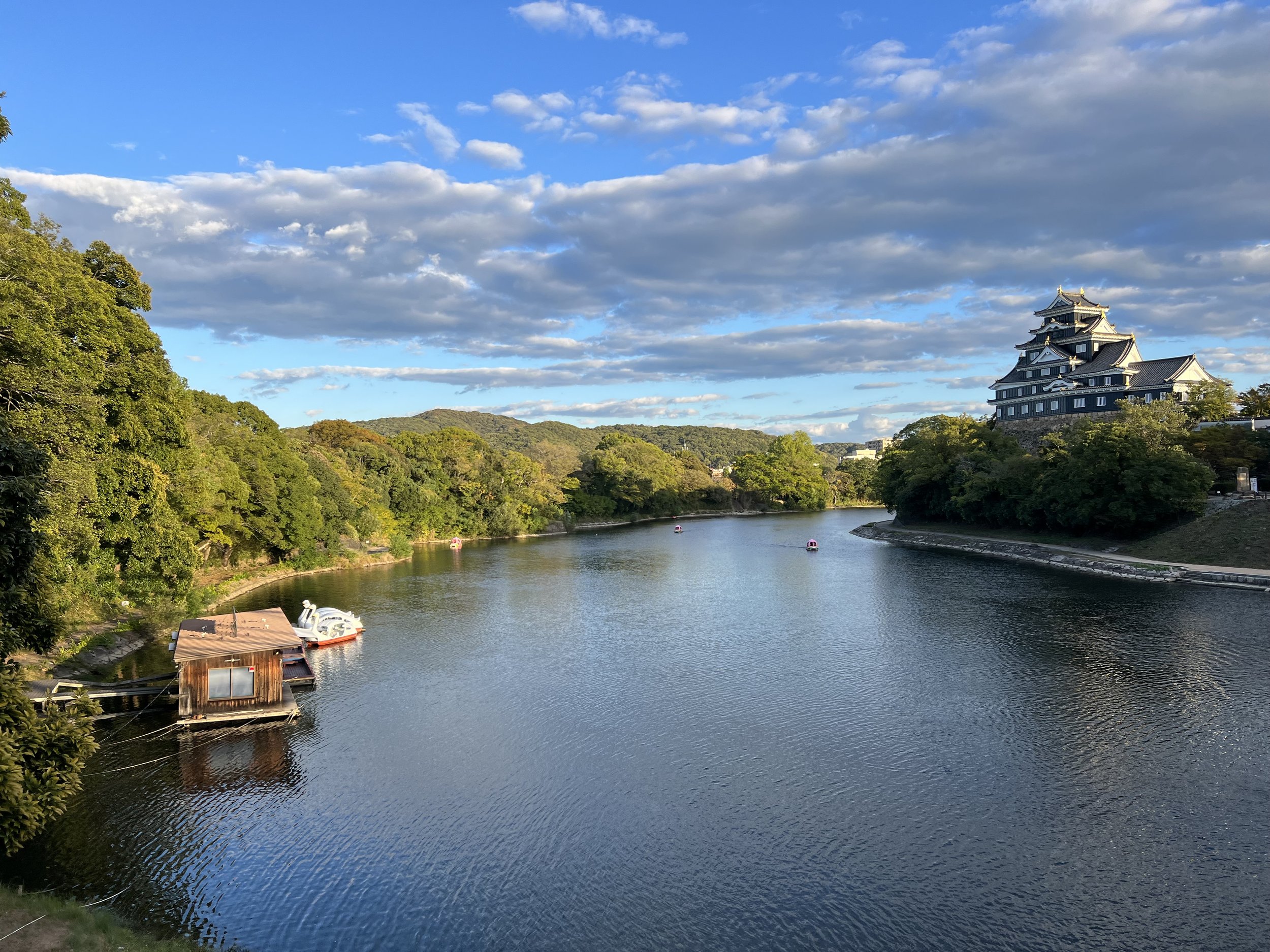
Okayama (岡山市) is perhaps one of the most underrated cities in western Japan. Its location makes it an extremely convenient base between Kansai, Hiroshima and Shikoku, yet many international travelers pass through without stopping. I really think it’s too bad, because Okayama has a lot to offer, like Korakuen, one of Japan's Three Great Gardens, and Okayama Castle, and also makes a fantastic base to visit nearby destinations like Kurashiki or Naoshima art island.
🚆 Access: Okayama is on the Sanyo Shinkansen, around 45 minutes from Osaka and roughly one hour from Kyoto.
⏳ How long to spend: 2 nights is a good starting point, allowing time for Okayama and a visit to nearby Kurashiki or another day trip.
🏨 Where to stay: I stayed at Okayama Koraku Hotel and can recommend it as a convenient and comfortable budget-friendly option in Okayama. Alternatively, I’d also recommend Dormy Inn Okayama Hot Springs.
➡️ My article:
11. Shikoku
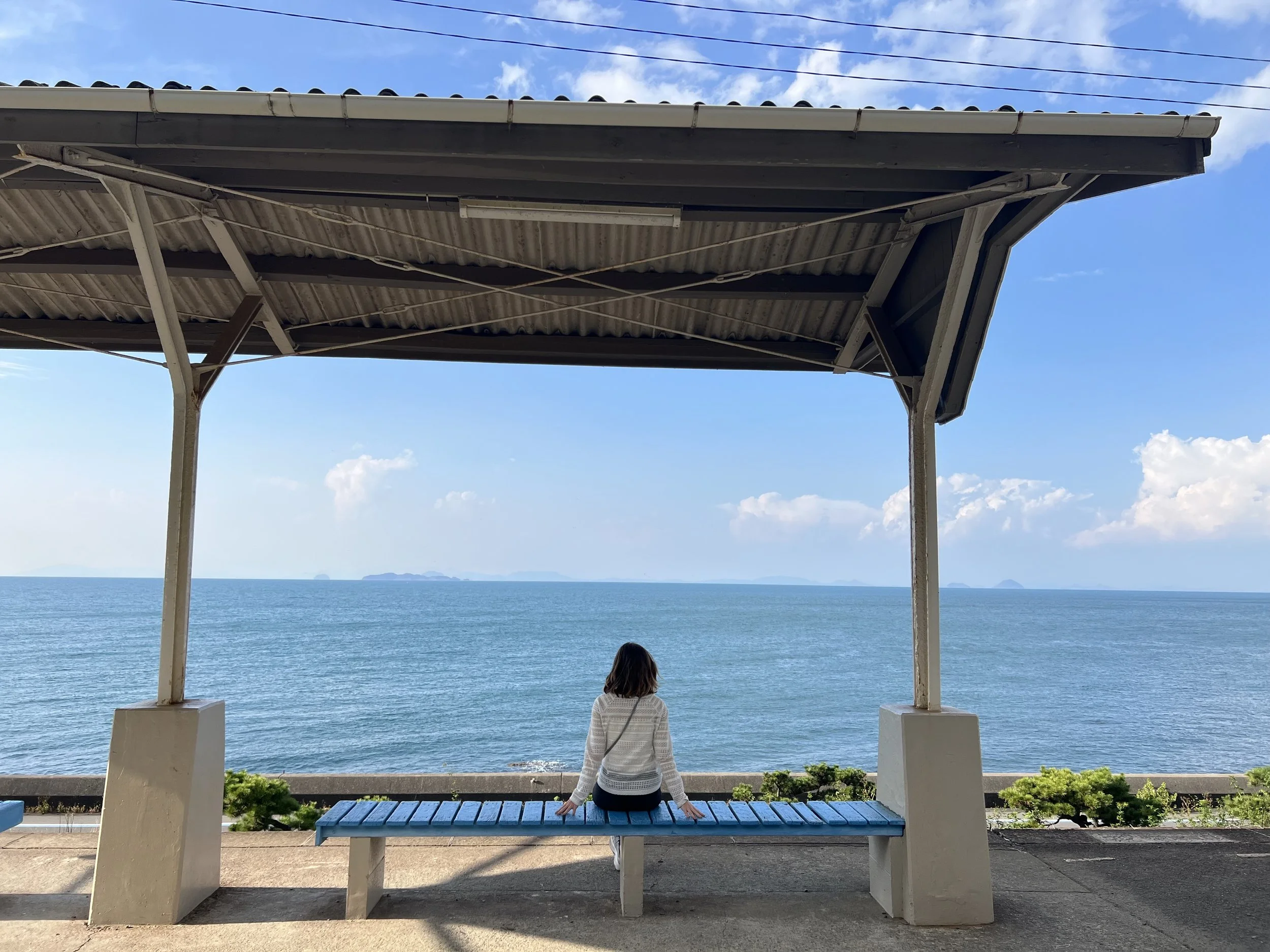
Shikoku (四国) is perhaps the ultimate destination on this list for travelers looking to truly get off the beaten path. Shikoku is one of Japan’s four main islands, yet it receives far fewer international visitors than the other three, despite offering an incredible variety of landscapes, cultural experiences, historic towns and outdoor adventures. I spent eight days road-tripping across the island, and it turned out to be such a fantastic trip. It left me with wanting to come back and explore even more!
🚆 Access: Okayama is one of the easiest gateways to Shikoku. Trains cross the Seto Ohashi Bridge to Takamatsu and other destinations, while ferries and flights provide additional connections. Renting a car is the easiest way to travel around the island.
⏳ How long to spend: At least 4–5 days for a first taste. A week or more allows you to explore several different parts of the island without rushing.
🏨 Where to stay: This depends on your itinerary. Takamatsu is a useful base in eastern Shikoku, while Matsuyama, Kochi and Tokushima work well for exploring their respective prefectures. In rural areas, I particularly recommend staying in traditional ryokan and small local inns.
➡️ My Shikoku articles:
Takamatsu One Day Itinerary: Ritsurin Garden, Yashima, and More
Discover Kotohira in Shikoku: Kompira-san, Local Charm and Hot Springs
Discover Takaya Shrine: A Hiking Guide to Shikoku’s ‘Torii in the Sky’
The Shikoku 88 Temple Pilgrimage: A Different Way to Discover Shikoku
Naoshima Travel Guide: Complete One-Day Itinerary for Art and Nature Lovers
To Conclude
Japan has so much more to offer than its most famous destinations, and these 11 places are just a small selection of the lesser-known corners that I’ve had the chance to discover, and that have left a particularly strong impression on me. Some are easy to visit as a day trip, while others require a little more time and effort, but all offer the chance to see a different side of Japan.
I hope this list has inspired you to look beyond the usual itineraries and perhaps add one or two of these destinations to your next trip. And as I continue exploring Japan, I’ll keep adding new discoveries to this list.
Found this article helpful? Buy me a coffee. 😊
Want to stay in touch? Subscribe to my monthly newsletter (with latest articles, updates, travel tips and more...) delivered straight to your inbox. 📩
Some of the links in this Japan Underrated Destinations Guide are affiliate links. At no extra cost to you, I may earn a small commission when you click on them and make a purchase. And if you do, thanks for your support! Purchasing through these links is a great way to support Travely Notes, as this helps with the costs of running my blog.

As overtourism is affecting many of the country’s best-known places, I want to highlight lesser-known corners of Japan to inspire travelers to expand their exploration of this fascinating country beyond the popular “must-visit” spots. In this article, I wanted to bring together some of the places that have stayed with me the most, that I’ve found underrated, each with its own special charm and that has exceeded my expectations. They are also places I would happily recommend to friends and family looking to add something different and off the beaten path to their Japan itinerary.