
The Shikoku 88 Temple Pilgrimage: A Different Way to Discover Shikoku
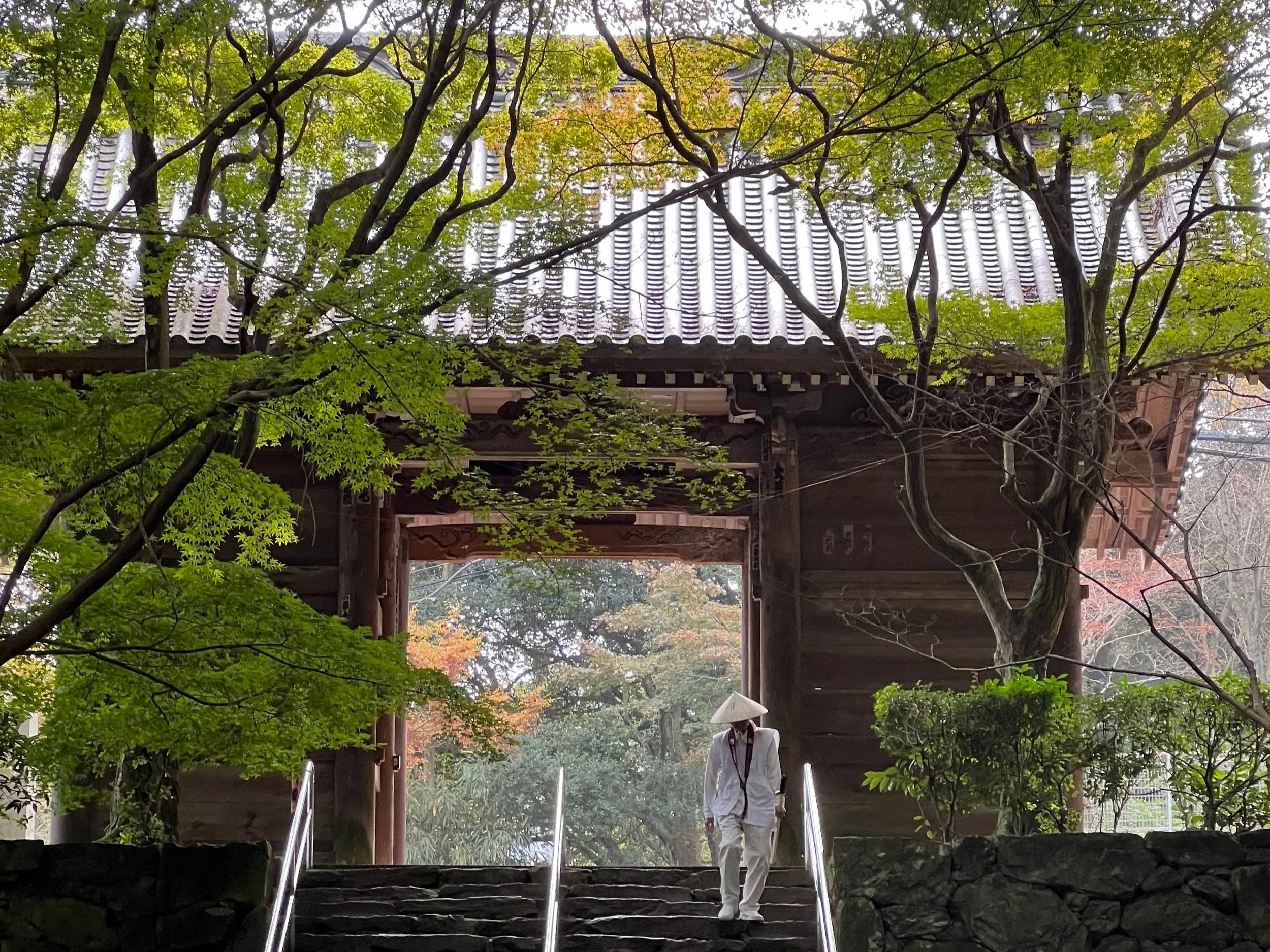
As a shrine and temple lover, one of the goals on my Japan bucket list is to complete one day the Shikoku 88 Temple Pilgrimage. Located in Shikoku, Japan's most under-visited main island, this centuries-old pilgrimage connects 88 Buddhist temples scattered around the region. While I haven't completed the pilgrimage on foot, I have visited more than 15 of these temples during a one-week road trip across Shikoku.
Whether you are considering undertaking the full pilgrimage or simply want to incorporate a few temples into your Shikoku itinerary, I thought it would be helpful to share what I've learned about the pilgrimage, the temples I visited, and why it offers such a different way to experience Shikoku.
What is the Shikoku 88 Temple Pilgrimage
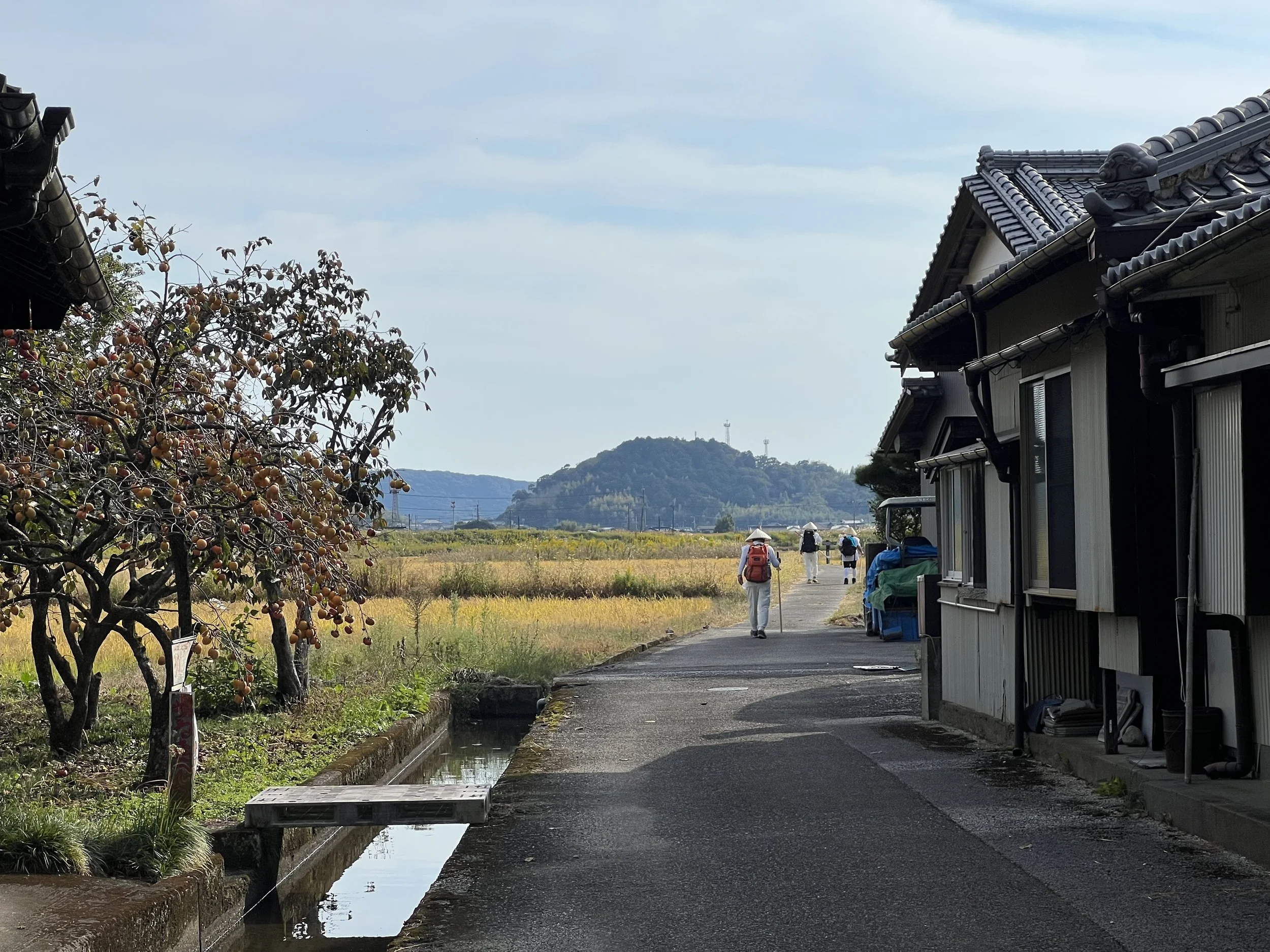
The Shikoku 88 Temple Pilgrimage, known in Japanese as Shikoku Henro (四国遍路), is a 1,200-year-old pilgrimage route connecting 88 Buddhist temples across the island of Shikoku. Covering approximately 1,200 kilometres, it forms a circular route through Shikoku's four prefectures and is closely associated with the Buddhist monk Kobo Daishi, who is believed to have helped spread Buddhism throughout the region.
The pilgrimage traditionally begins at Ryozenji (霊山寺), in Tokushima Prefecture. From there, pilgrims travel through Tokushima's 23 temples before continuing to Kochi's 16 temples, Ehime's 26 temples, and finally Kagawa's 23 temples.
People undertake the pilgrimage for many different reasons. Some are motivated by religious faith, while others are seeking personal reflection, a physical challenge, or a deeper connection with Japan's culture and countryside.
Although walking the entire route remains the most traditional way to complete the pilgrimage, it requires around six weeks and a significant physical commitment. Many modern pilgrims choose alternative approaches, completing the route in sections over several years or travelling between temples by bicycle, motorcycle, car, or bus.
One of the things that makes the Shikoku pilgrimage so special is the incredible variety of landscapes encountered along the way. Depending on the section, the route passes through peaceful rural villages, dramatic coastal scenery, bustling cities, dense forests, and mist-covered mountains, offering a unique perspective on a part of Japan that many international visitors never get to see.
Key Takeaways from My Experience of the Pilgrimage
Although my road trip through Shikoku was not primarily focused on the pilgrimage, I quickly became fascinated by it as I planned my itinerary. As I discovered more about the Shikoku Henro, I made a conscious effort to include as many pilgrimage temples as possible during my road trip, ultimately visiting about 20 of them.
While I have yet to undertake the pilgrimage itself, researching its history and visiting these temples gave me a glimpse into what makes the experience so special. It also left me wanting to return one day and follow the pilgrimage more intentionally, rather than simply stopping at temples along the way. Completing at least part of the Shikoku Henro has since become one of my Japan travel bucket-list goals. Here are a few key takeaways based on my experience.
My Favorite Temples of the 88 Shikoku Temple Pilgrimage
This is by no means an exhaustive list, as I only visited about 20 of the 88 temples, but wanted to share below the temples I loved the most and their unique specificities. They are listed in the order in which I visited them, and I plan to update this list as I continue to visit more of the pilgrimage temples.
Yashima-ji Temple, Takamatsu
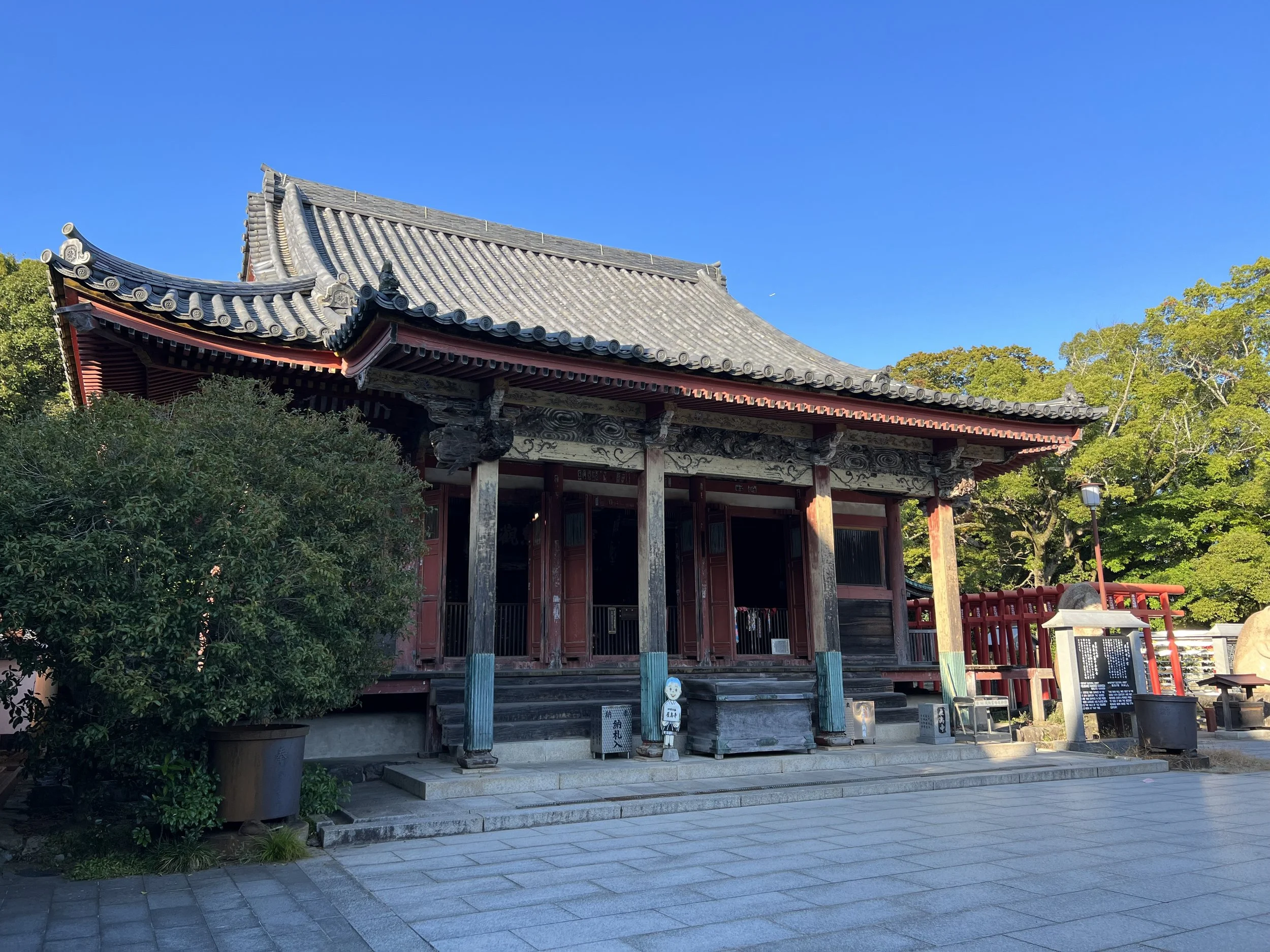
Founded in the 8th century, Yashima Temple (屋島寺) is the 84th temple of the Shikoku 88 temple pilgrimage. Located at the top of Mount Yashima in Takamatsu, this temple offers a peaceful atmosphere and is known for its many tanuki statues, linked to the deity Minoyama Daimyojin, who brings good luck, especially to couples and families. This temple was special for me as it was where I collected my first goshuin from the pilgrimage.
🚌 Access: From Kotoden Yashima station, take the Yashima-Sanjo Shuttle Bus to the mountaintop (about 10 minutes and costs ¥200).
➡️ Mt Yashima is a must-visit as part of a Takamatsu itinerary! Check out my one-day Takamatsu Itinerary to get inspired.
Negoro-ji Temple, Takamatsu
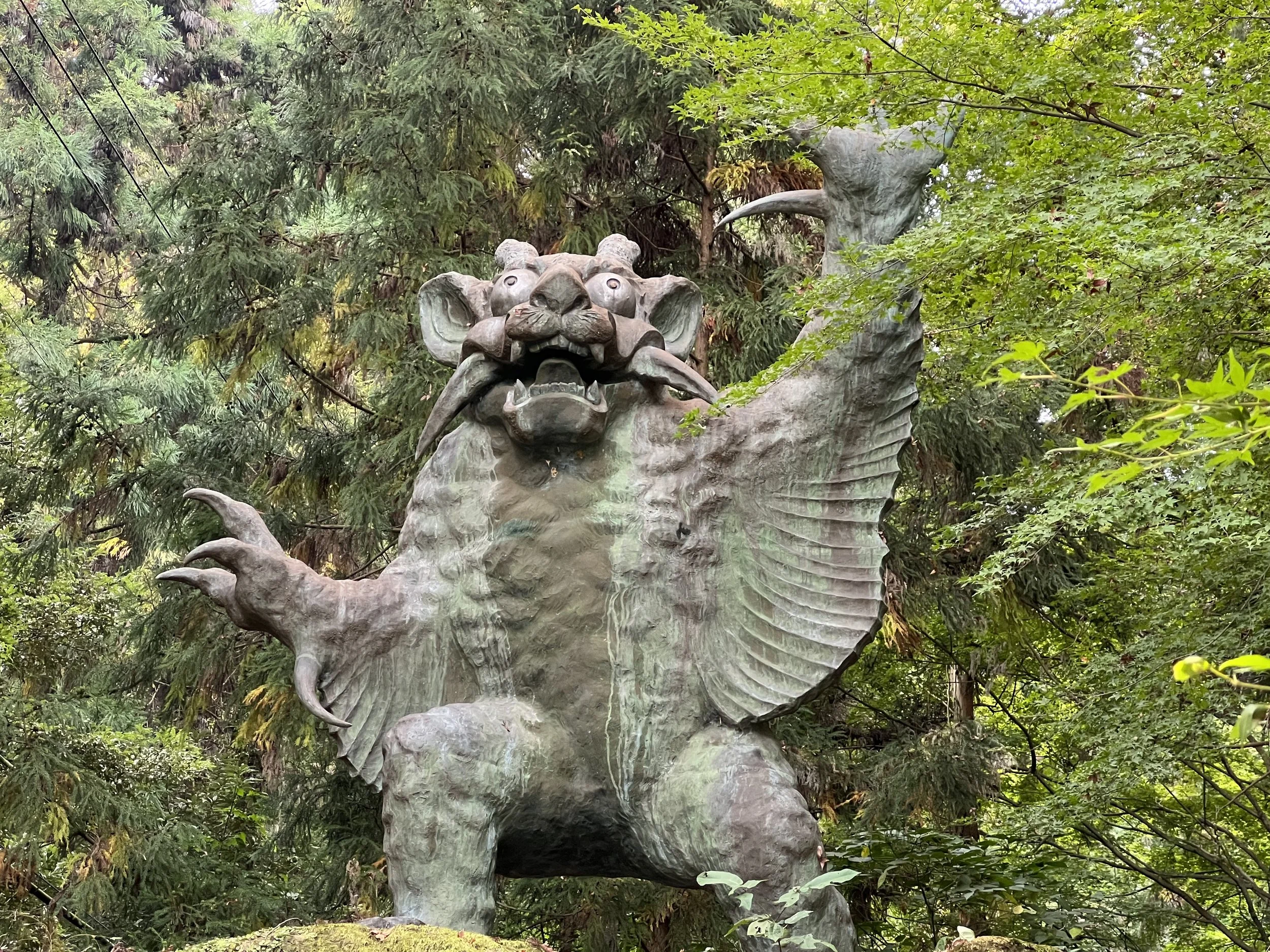
Negoro-ji temple (根香寺), the 82nd temple of the pilgrimage, is a serene mountain temple located near Takamatsu. Due to its relatively remote location and limited access by public transportation, it felt like a true hidden gem. One of the temple's most distinctive features is its impressive bronze statue of an ushioni (bull demon). According to the local legend, this monster once terrorized the area before being defeated by a skilled archer, who cut off one of its horns and dedicated it to the temple.
The temple grounds are also home to numerous maple (momiji) trees, and I could only imagine how spectacular they must look during the autumn foliage season. Another highlight that left a strong impression on me was the covered corridor in front of the main hall, which houses approximately 33,000 small statues of Kannon, the Buddhist goddess of mercy.
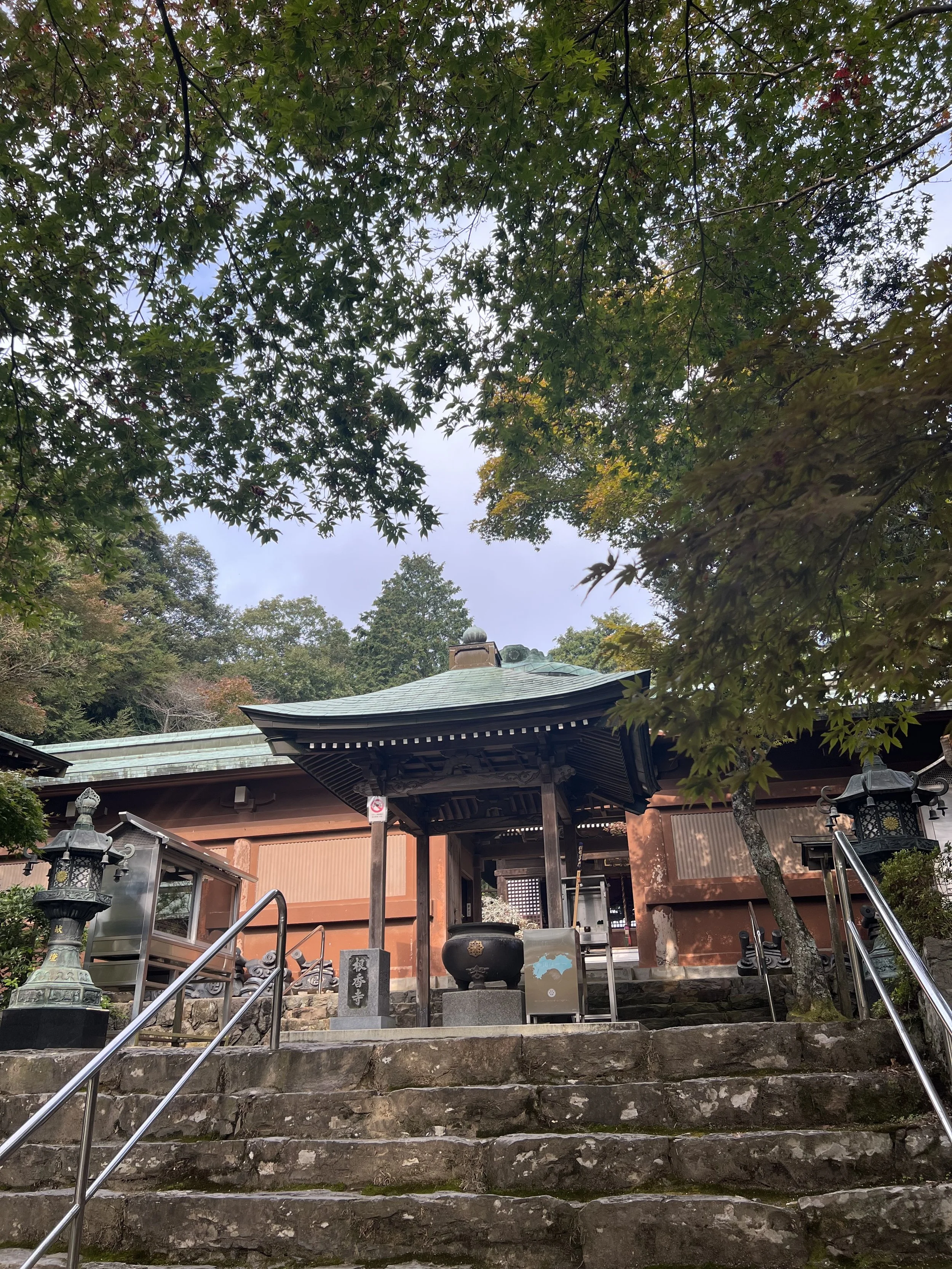
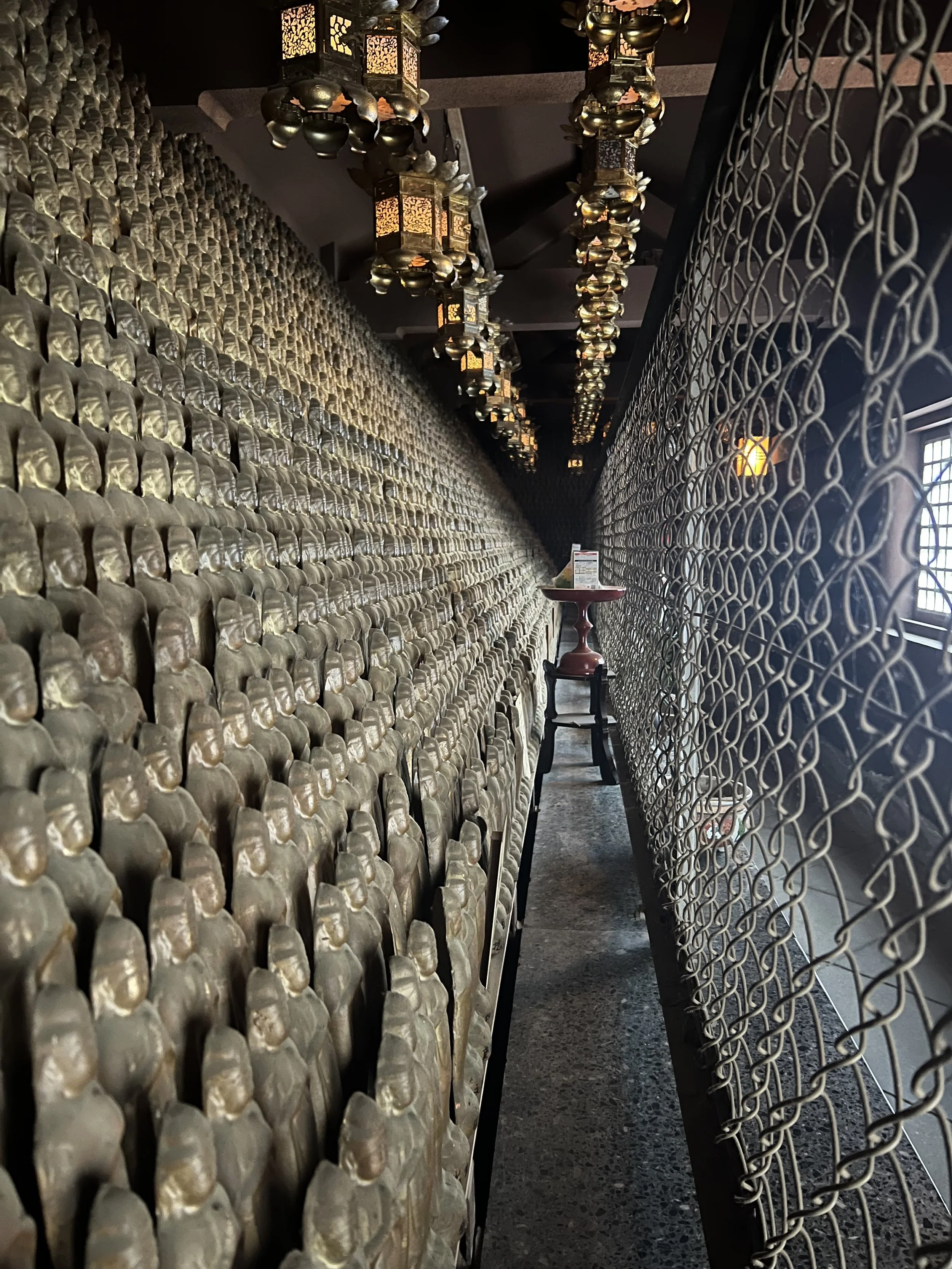
🚗 Access: From central Takamatsu, it takes 20 minutes to drive to Negoro-ji temple.
Shiromine Temple, Sakaide
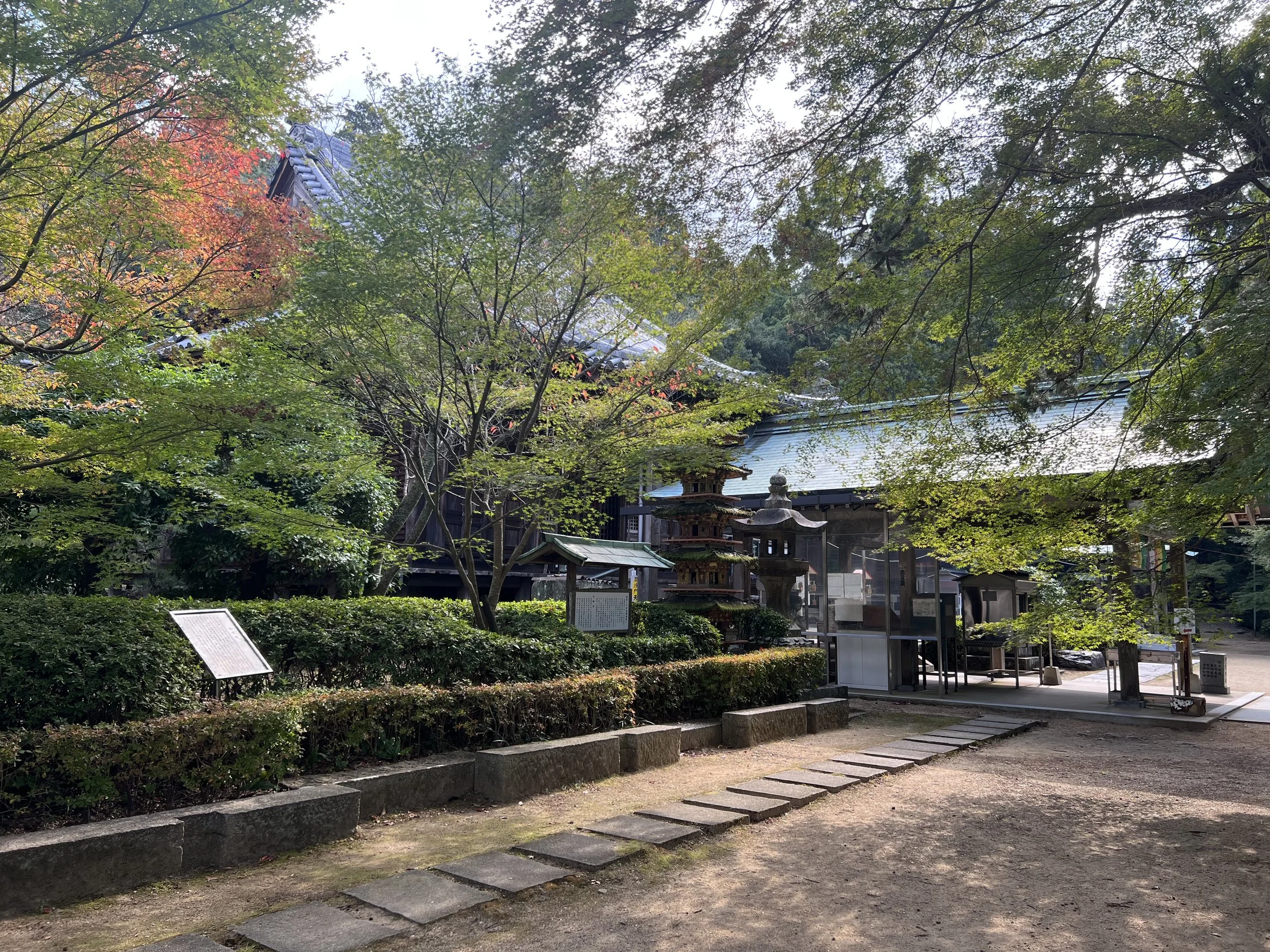
Shiromine temple (白峯寺), 81st temple of the pilgrimage, is located on the slopes of Mt Shiromine at an altitude of 280m. It was founded approximately 1,200 years ago two revered monks, Kobo Daishi and Chisho Daishi. There are several deities enshrined, including the guardian deities for each of the 12 signs of the zodiac, as well as the 7 gods of good fortune. You’ll also see a statue of Shiromine Daigongen, enshrined as the guardian deity of this temple and one of Japan’s Eight Great Tengu (mystical beings with spiritual powers). The temple is also famous for its seasonal colors, from for its cherry blossoms in spring, hydrangeas in summer, to autumn leaves in fall.
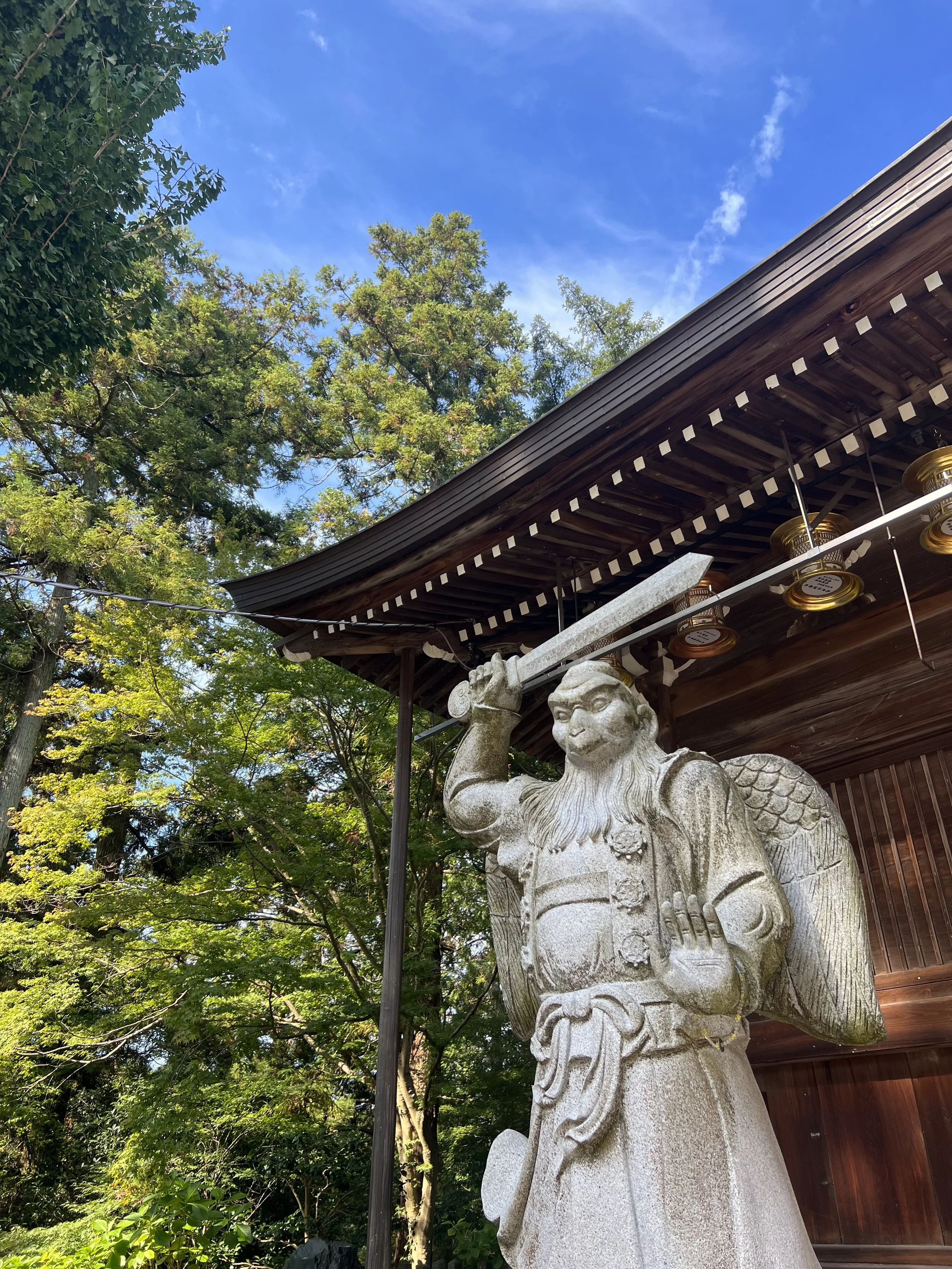
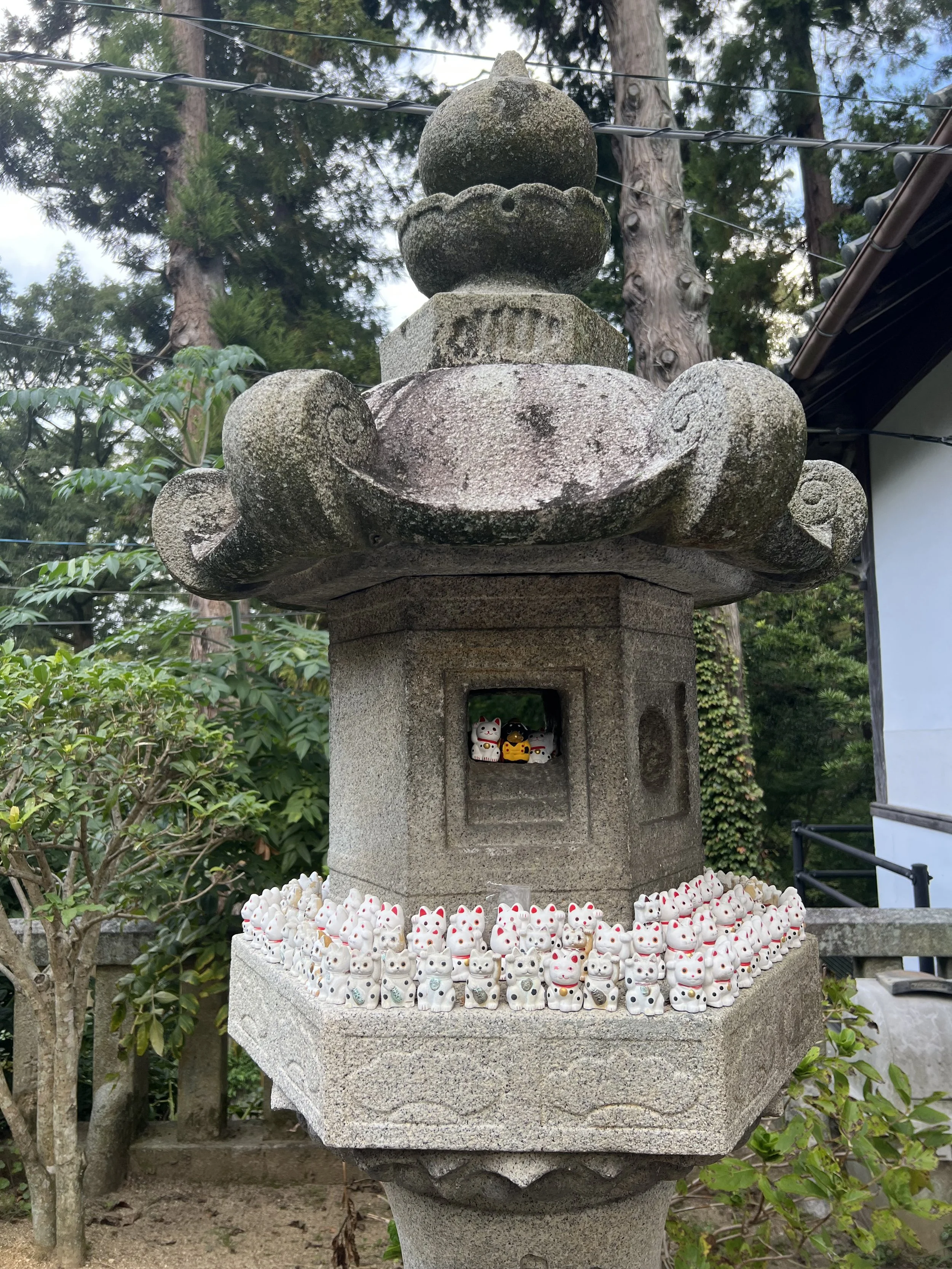
🚗 Access: From central Takamatsu, it takes 30 minutes to drive to Shiromine temple (and 12 min from Negoro-ji temple).
Unpen-ji Temple, Miyoshi
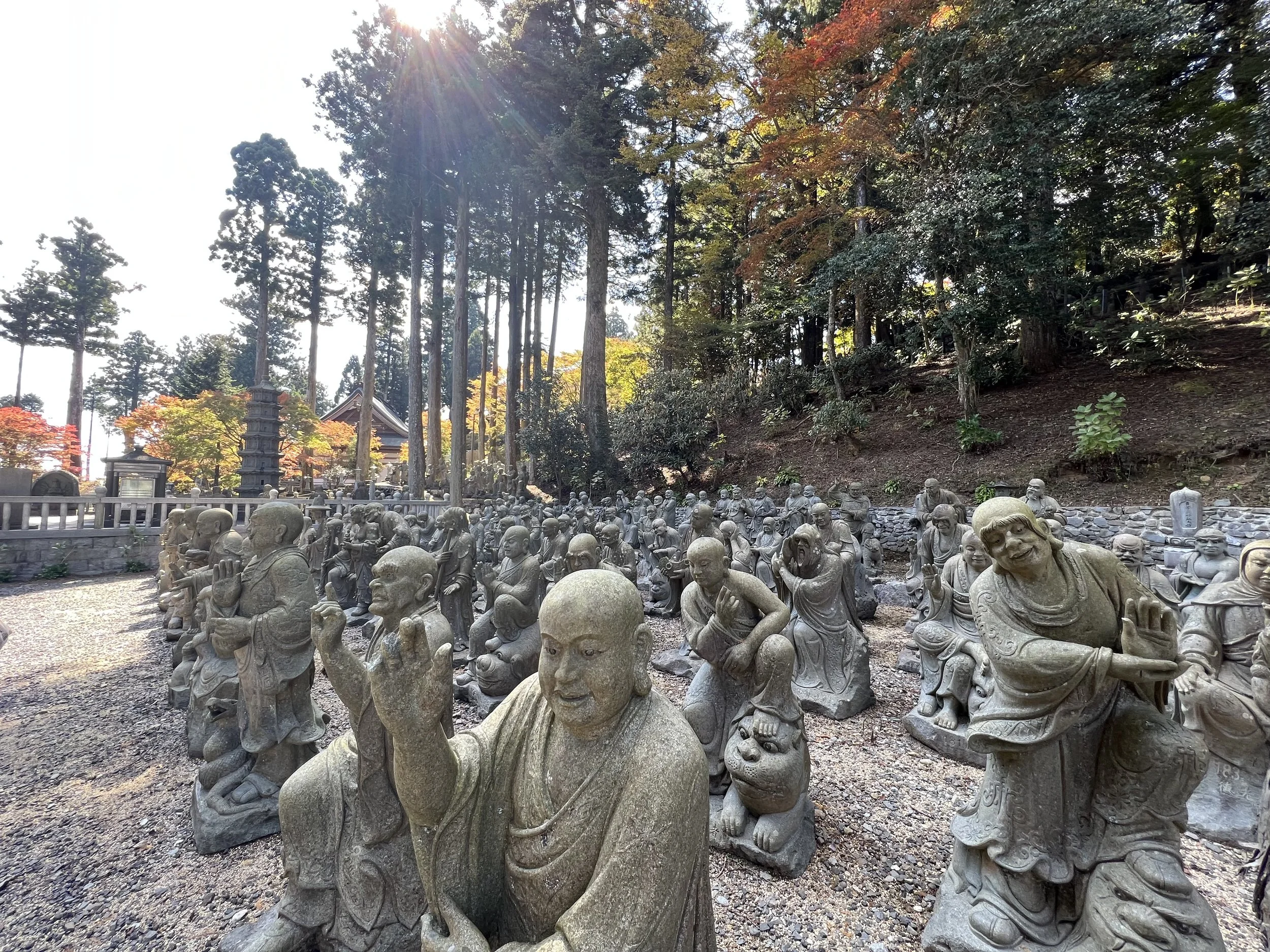
Unpen-ji temple (雲辺寺) is the 66th temple of the Shikoku 88 temple pilgrimage. Among all the temples I visited during my trip, this was my favorite! Between the ropeway trip to access the temple, the hundreds of statues on its grounds and the stunning view of Kagawa and Tokushima prefectures and Seto Inland Sea, it’s really an incredible place, completely off the beaten path.
🚗 Access to the Unpenji ropeway is only possible by car. You can also access Unpenji temple directly by car or hiking.
➡️ During my trip, before visiting Unpen-ji temple, I stayed the night before at Kotohira, another town in Shikoku that I highly recommend and which you can learn about in my dedicated Kotohira Guide.
Chikurin Temple, Kochi
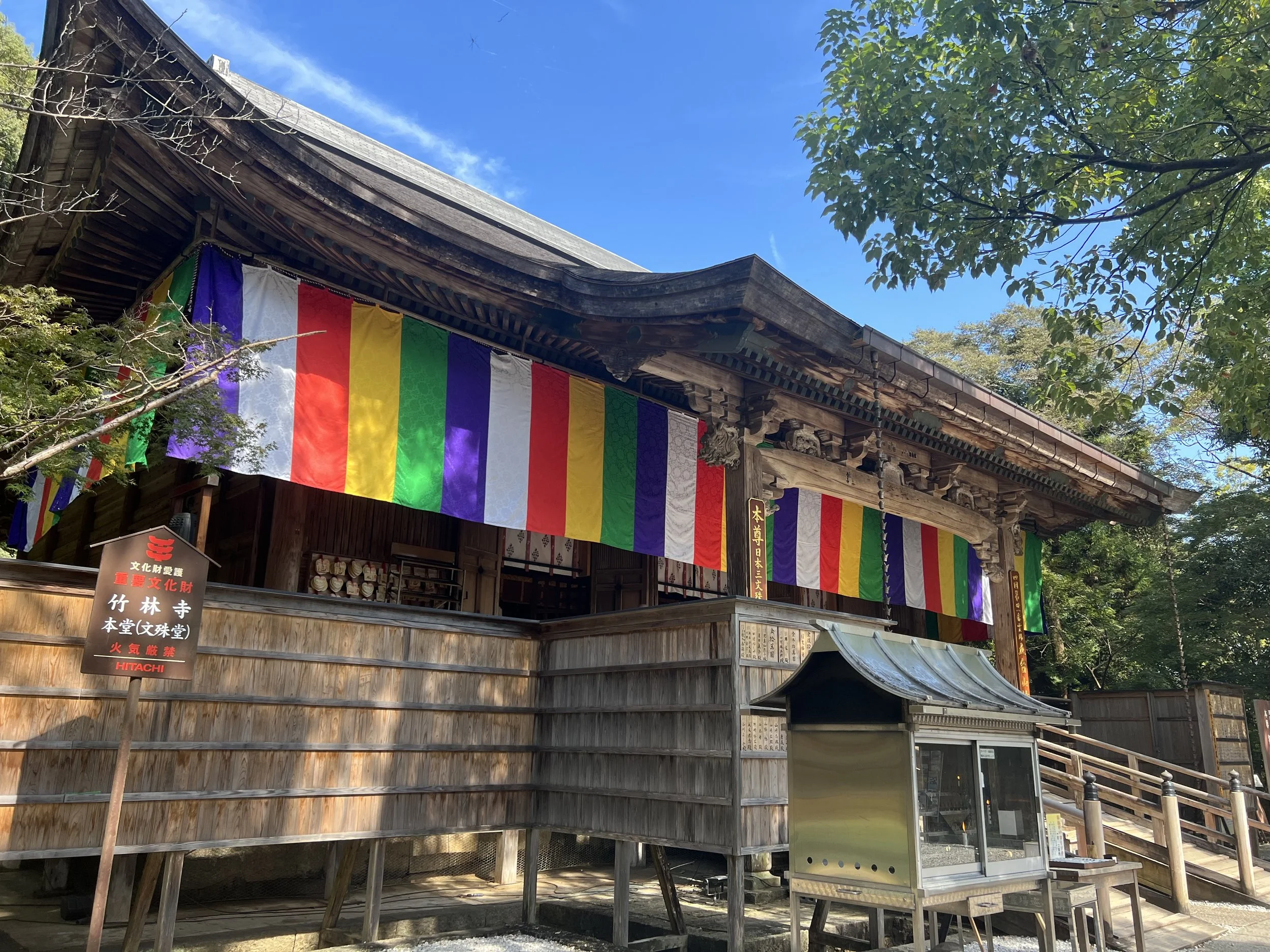
Located on Mt Godai in Kochi city, Chikurin temple (竹林寺) is the 31st temple of the pilgrimage. Established during the 8th century, one of the temple's most beautiful features is its five-storied red pagoda. There are plenty of sakura and maple trees, which makes it a popular destination in spring and autumn. I found this temple very picturesque, a definitely must-visit as part of a Kochi itinerary, located next to a beautiful botanical garden.
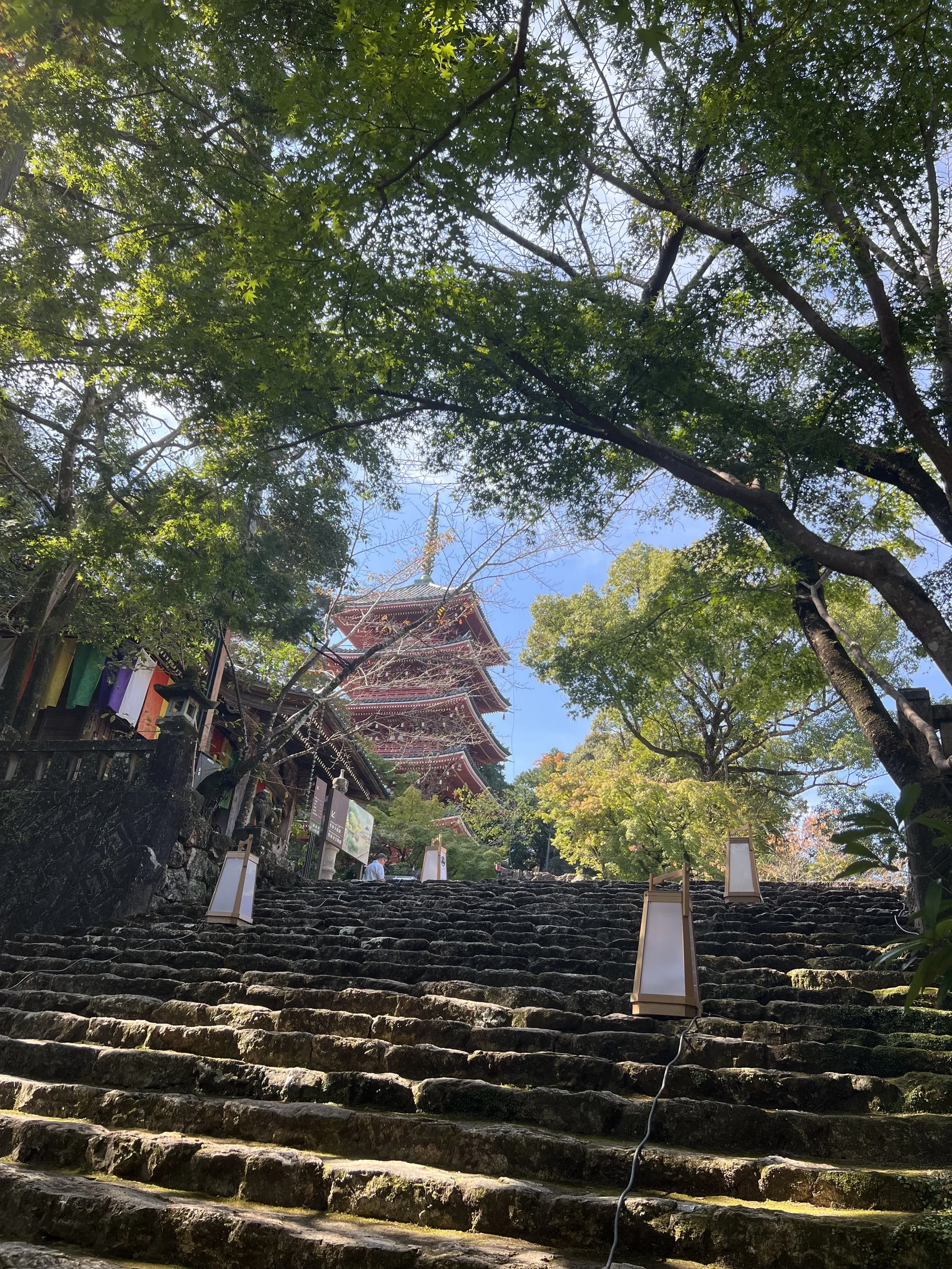
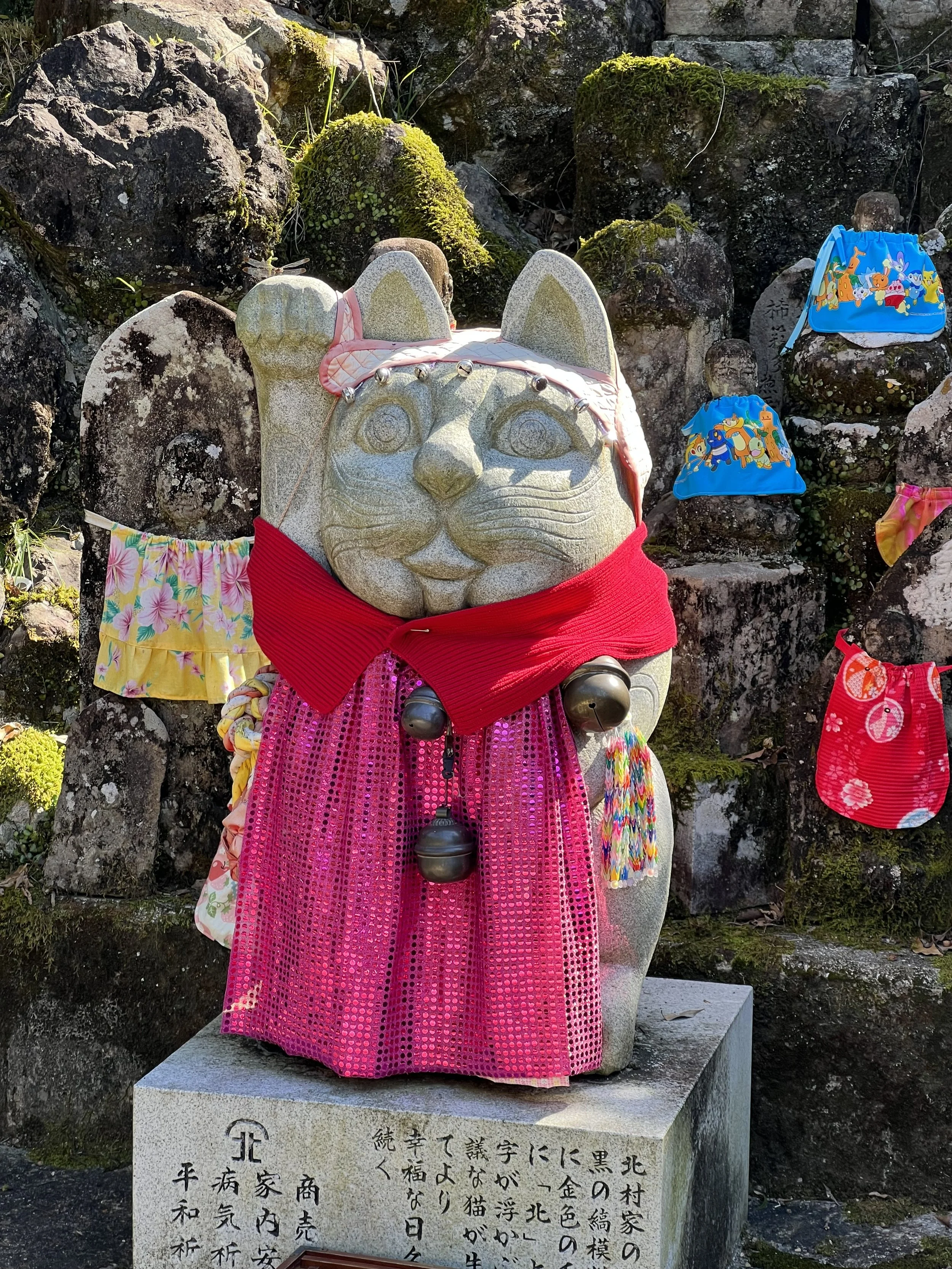
🚗 Access: The easiest way to reach the temple is by car (20 min from Kochi city center), but you can also take a local bus, the “My Yu Bus” from Kochi station. The journey by bus takes about 30 minutes.
Tosa Kokubun Temple, Nankoku
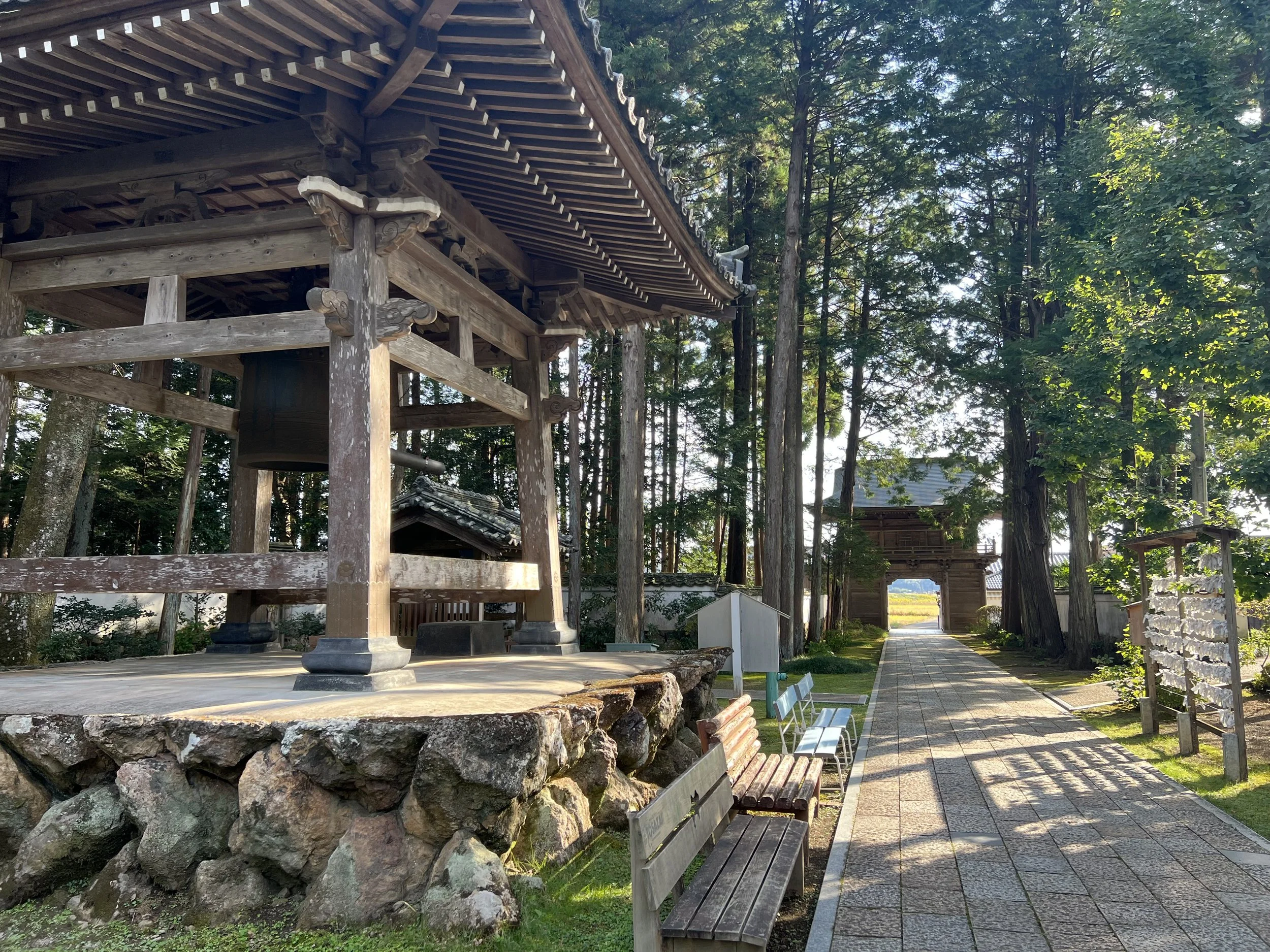
Tosa Kokubun temple (国分寺国分寺), located in the city of Nankoku in Kochi prefecture, is the 29th temple of the pilgrimage. This temple exudes a very serene atmosphere and a discreet elegance, standing alone in the middle of a forest surrounded by rice paddies, with only a few other visitors during my visit. This was the temple which I found the most peaceful.
🚗 Access: The easiest way to reach the temple is by car, but there are also other options by bus or combining train and bus depending on where you’re coming from.
Ishite Temple, Matsuyama
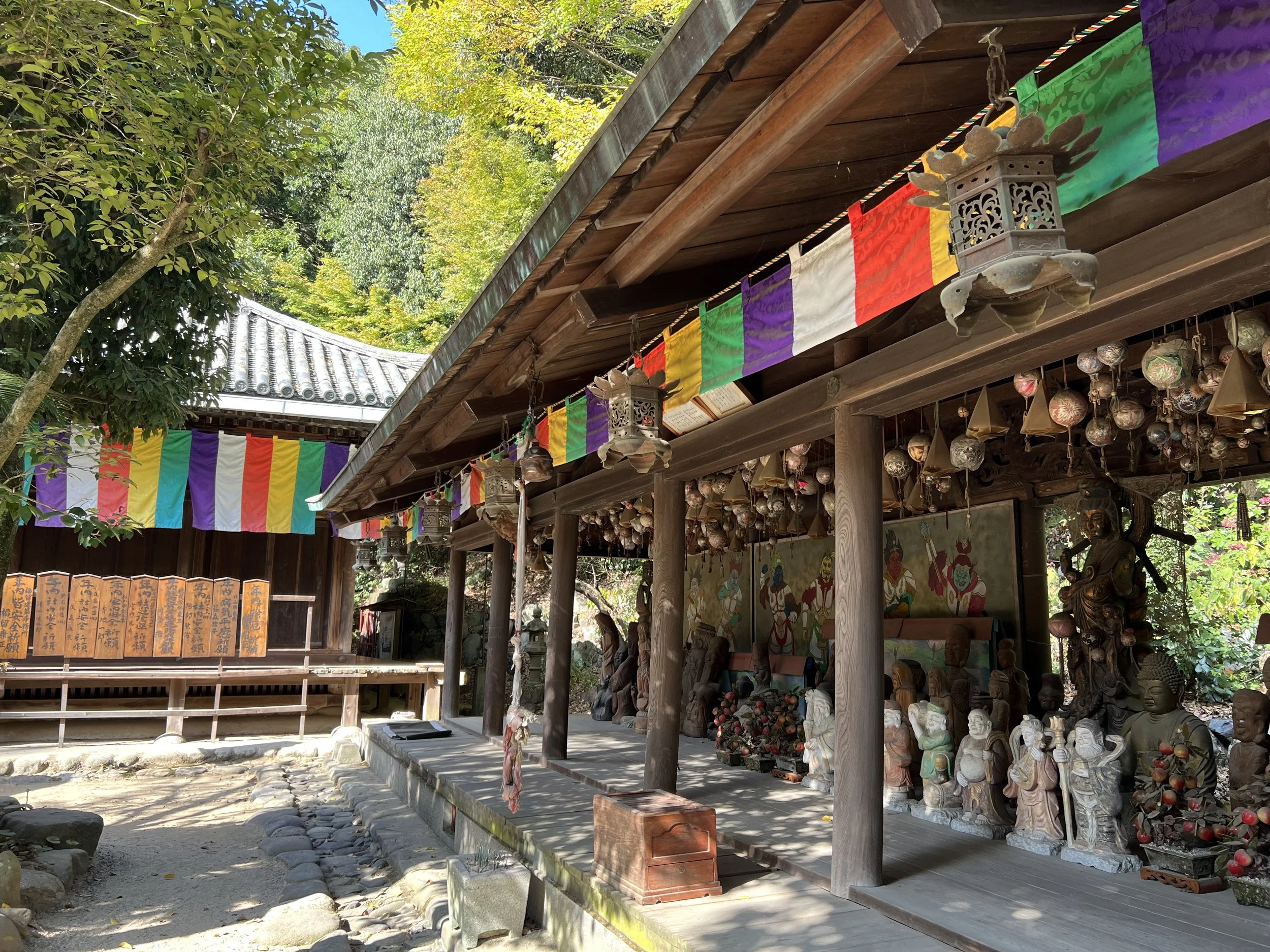
Located in Matsuyama, capital city of Ehime prefecture, Ishite-ji temple (石手寺) is the 51st temple of the pilgrimage. This large temple complex has a colorful and somewhat surprising look, contrasting with the image typically associated with Buddhist temples. But it’s part of its charm! The temple is full of statues, interesting points of interest like an underground gallery, two pagodas and more. You can easily spend an hour exploring the temple grounds. The reason behind the name of the temple comes from a very interesting legend on the “first pilgrim” of the Shikoku 88 temple pilgrimage (I invite you to check it out).
🚶 Access: About 15-min walk from Dogo Onsen, one of Matsuyama’s main attractions, so it’s easy to add it to your visit of Matsuyama.
Useful Resources to Plan Your Pilgrimage
If you're considering undertaking the Shikoku 88 temple pilgrimage, I highly recommend spending some time researching before your trip. The following resources were particularly helpful as I learned more about the pilgrimage and planned my temple visits:
Shikoku Tourism, which offers an excellent introduction to the history, culture, and logistics of the pilgrimage, provided by Shikoku's official tourism organization.
88 Shikoku Henro, with one of the most comprehensive English-language resources available, featuring detailed planning information, temple guides, and practical tips for pilgrims.
Henro Shikoku Pilgrimage, a useful resource with interactive maps created by experienced pilgrims, particularly valuable for those looking for practical insights about accommodation and daily logistics.
Other Tips and Notes About the Pilgrimage
Take some time to learn about pilgrimage etiquette and customs before you visit. Understanding basic practices such as how to pray, how to use incense and candles, and how to behave respectfully on temple grounds will make your experience more meaningful.
There are special stamp books designed specifically for the pilgrimage called nokyocho (納経帳). These are larger than standard goshuincho books.However, temples will usually write their stamp and calligraphy in a regular goshuincho as well.
➡️ If you're new to goshuin collecting, you might also enjoy reading my guide to collecting goshuin in Japan.
If you're planning to collect temple stamps (goshuin), pay close attention to opening hours. Most temple offices close at 5:00 pm sharp.
Carry cash with you, especially if you plan to collect stamps or visit temples in rural areas. While Japan is becoming increasingly cashless, temple offices generally only accept cash payments.
If you're undertaking the pilgrimage, consider wearing the traditional pilgrim attire. This typically includes a white vest (hakui), a sedge hat (sugegasa), and a walking staff (kongozue). While not required, it can help you feel more connected to the traditions of the pilgrimage and it will be easier for locals to recognize and assist you as a pilgrim. It is more likely that you will experience osettai (お接待), a long-standing pilgrimage tradition where local residents offer small gifts, food, drinks, and other acts of kindness to pilgrims.
Don't feel pressured to complete the pilgrimage in one trip. Many Japanese pilgrims visit sections of the route over several months or even years, returning whenever time and budget allow.
Other Things to Do in Shikoku
If you'd like to explore Shikoku further, here are some other sights I’ve visited and written about:
Takaya Shrine (高屋神社) – Known as the “torii in the sky,” this hidden gem offers one of the most breathtaking views in Shikoku.
➡️ Read my Takaya Shrine Hiking guideKotohira-gu Shrine (Konpira-san), a beautiful mountaintop shrine with over 1,300 stone steps. Located in the town of Kotohira, it’s about 1 hour by train from Takamatsu.
➡️ Read more of my detailed itineraries and travel guides in Shikoku.
I will write more guides on Shikoku destinations in the future, so make sure to register to my free monthly newsletter to be informed of my latest posts.
To Conclude
Whether you choose to complete the entire pilgrimage, visit a handful of temples, or simply learn more about its history, the Shikoku 88 Temple Pilgrimage offers a fascinating way to experience one of Japan's most overlooked regions. Although I've only visited a fraction of the 88 temples so far, exploring them has deepened my appreciation for both the pilgrimage and Shikoku as a whole. I hope to return one day to follow the route more intentionally. Until then, I hope this introduction inspires you to add a few pilgrimage temples to your own Shikoku adventure.
Found this article helpful? Buy me a coffee. 😊
Want to stay in touch? Subscribe to my monthly newsletter (with latest articles, updates, travel tips and more...) delivered straight to your inbox. 📩
Some of the links in this Shikoku 88 Temple Pilgrimage Article are affiliate links. At no extra cost to you, I may earn a small commission when you click on them and make a purchase. And if you do, thanks for your support! Purchasing through these links is a great way to support Travely Notes, as this helps with the costs of running my blog.
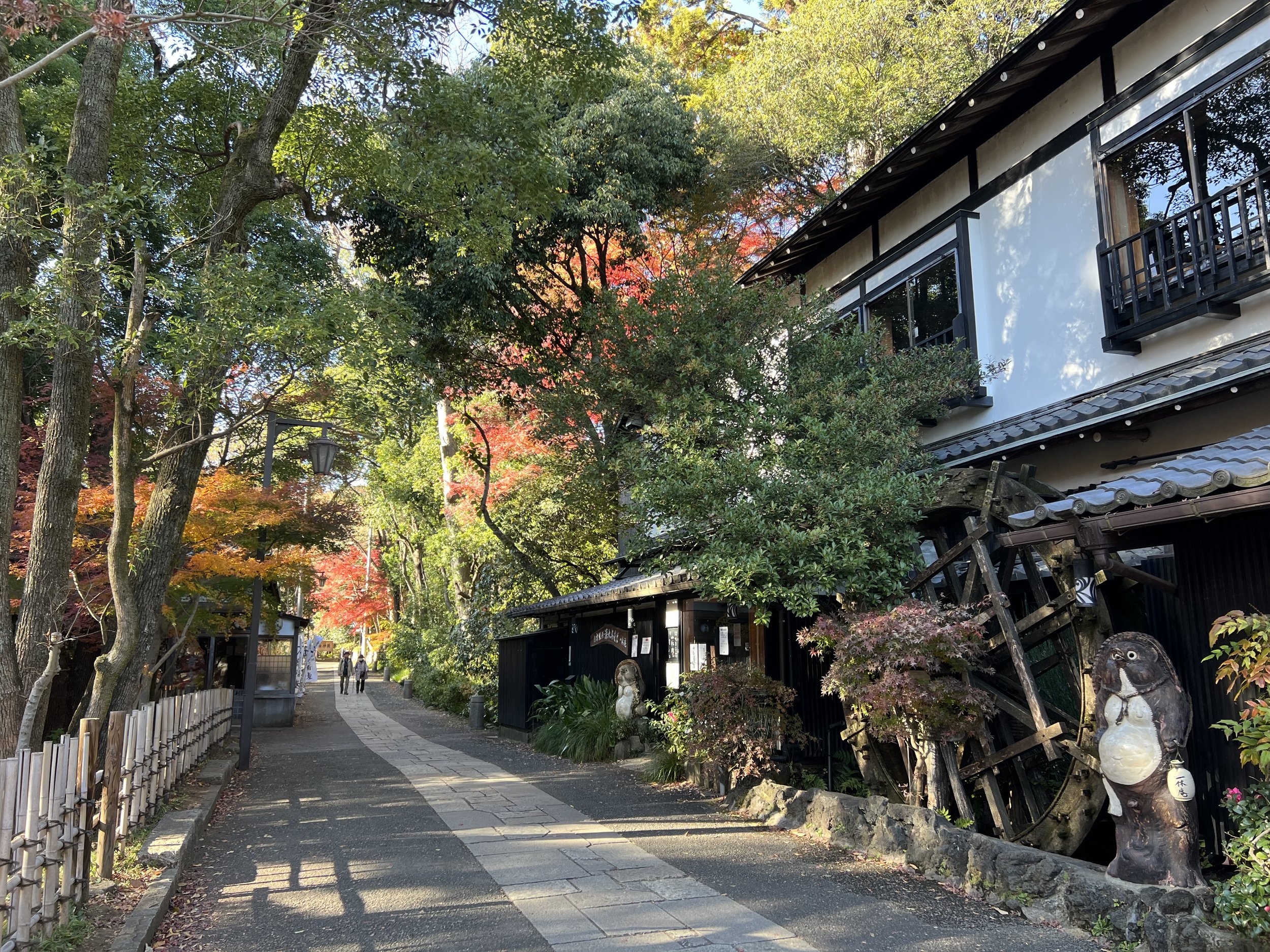

Nikko is an easily accessible destination from Tokyo, ideal for a weekend or three-day getaway. As well as being home to a major temple complex, Nikko offers many natural wonders. Having visited Nikko four times, I have prepared the following guide to share with you detailed information that I hope will help you make the most of your trip to Nikko!