
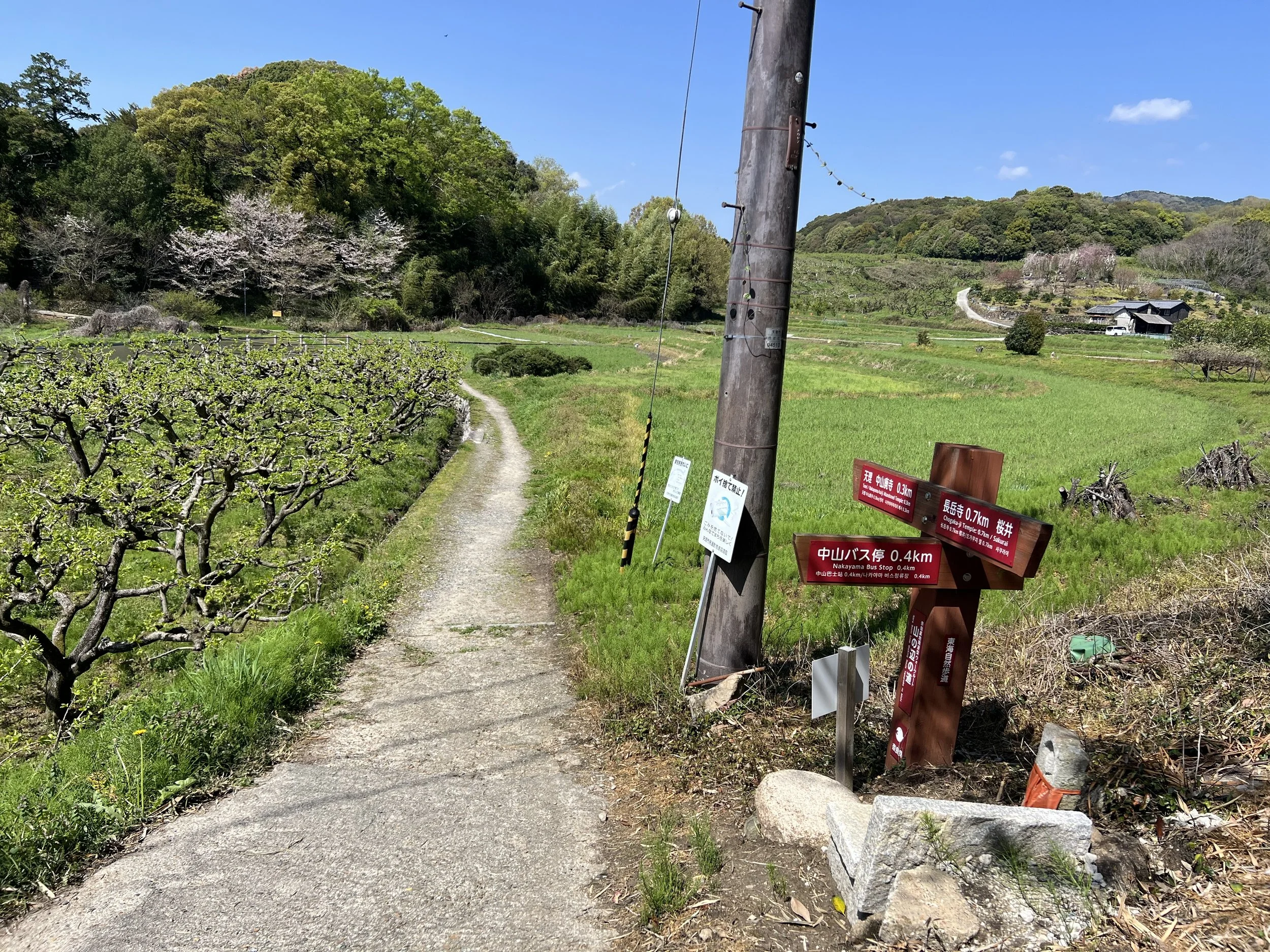
If you're looking for an off-the-beaten-path hike near Kyoto, Osaka, or Nara, I can't recommend the Yamanobe no Michi Hiking Trail enough. I discovered this trail by chance while searching for lesser-known places to explore in Nara Prefecture, and it turned out to be one of my favorite memories from my last Japan trip. Stretching for around 17 kilometers through the Japanese countryside, the route passes ancient shrines, peaceful temples, historic villages, and scenic farmland, far away from the crowds found at many of Kansai's more famous destinations.
If you enjoy hiking and have an interest in Japanese history, shrines, or temples, I’m sure the Yamanobe no Michi trail will offer a memorable day out. In this guide, I'll share everything you need to know before setting out, including how to get there, what to expect, and my favorite highlights along the way.
What is the Yamanobe no Michi Hiking Trail?
The Yamanobe no Michi (山辺の道) is an ancient road in Nara Prefecture that is considered one of Japan's oldest recorded routes. The trail follows the eastern edge of the Nara Basin and has connected important settlements and sacred sites for centuries. Today, visitors still enjoy this road as a scenic hiking trail dotted with historic shrines and temples, ancient kofun burial mounds, orchards, and peaceful countryside scenery.
While the full route extends much farther, most hikers choose the section between Isonokami Jingu in Tenri and Omiwa Shrine in Sakurai. This popular stretch is approximately 11 kilometers long and typically takes around four hours to complete without extended stops. Including the walks to and from the nearest train stations, the total distance is closer to 16–17 kilometers and takes 5-7 hours.
Aside from a few short steep sections, the trail is generally flat with gentle inclines, making it accessible to beginner hikers. Along the way, you'll find several rest areas, public toilets, cafés, restaurants, and seasonal produce stands selling locally grown fruits and vegetables. The route is also well-marked with English signage, making it easy to navigate even for first-time visitors with no Japanese skills.
How to Get to the Start of the Trail
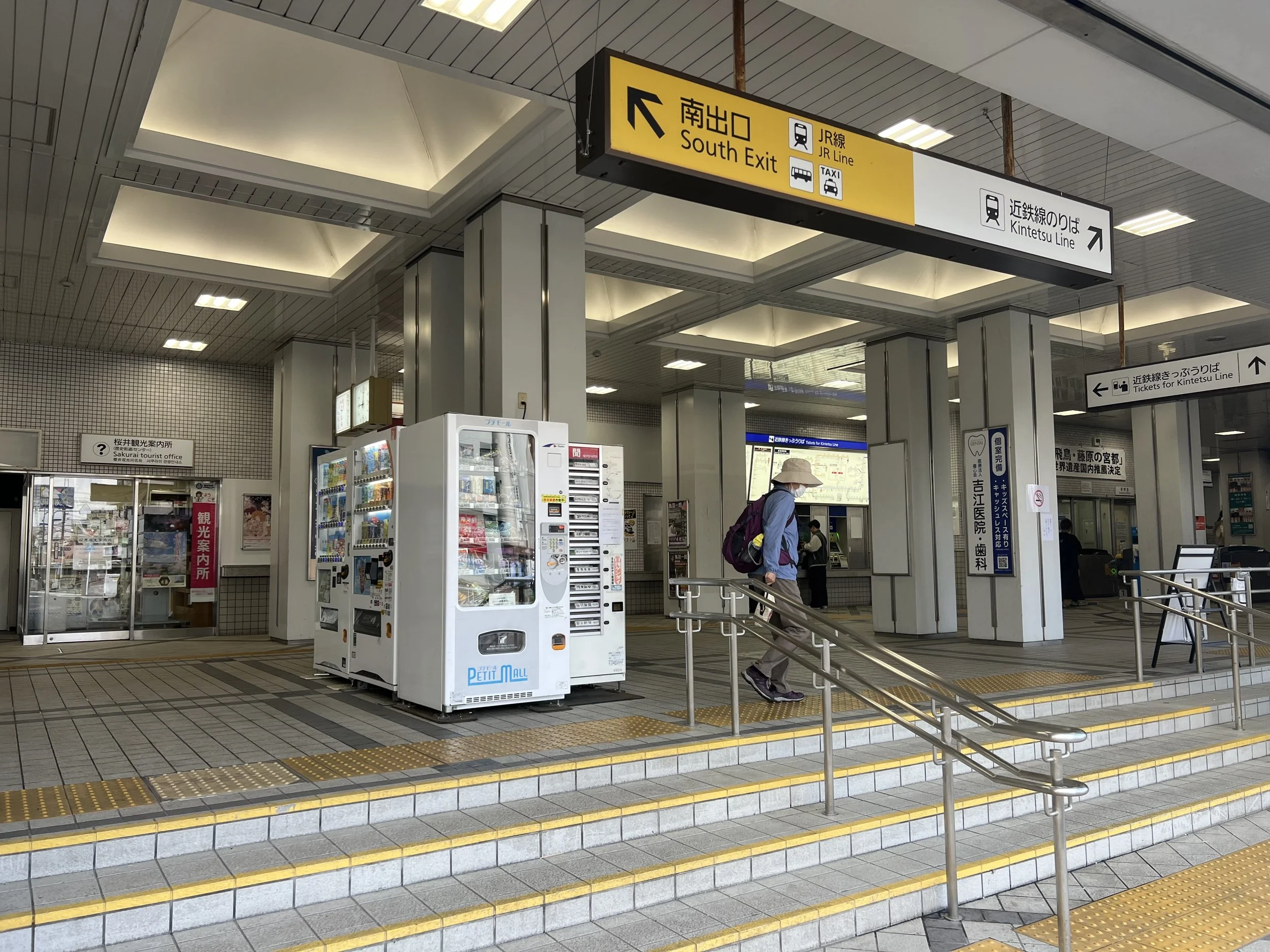
You can start this hike from either Sakurai station (桜井駅) or Tenri station (天理駅), both on the Kintetsu Osaka and JR Sakurai lines.
It seems more common to start from Tenri, but I opted for the southern trailhead and took the Kintesu Osaka line from Kintetsu-Nara station to Sakurai station. The trip took about 40 minutes and cost ¥590. Once I arrived, I bought water and snacks at the 7-Eleven in the station and stopped at the Sakurai Information Center to get a detailed map of the Yamanobe no Michi trail.
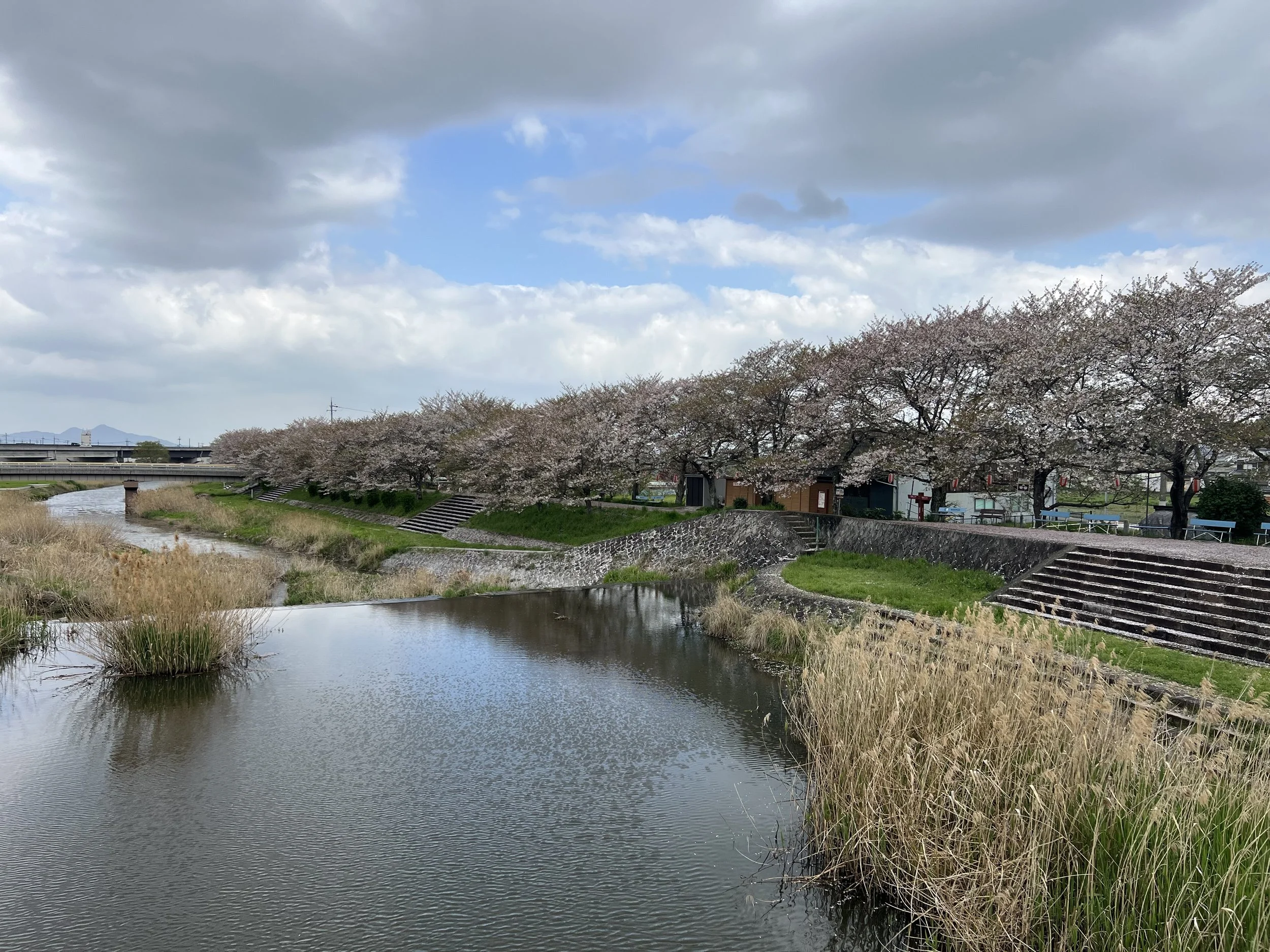
From the train station, the first step is to walk for about 1.5 km to the Hase River and cross either the Daikouji Bridge or the Umaide Bridge. When I visited on April 11, 2026, the cherry blossom season had already ended, but it was still beautiful to see the remaining flowers and carpets of petals. For me, crossing the Hase River marked the true beginning of the hike!
Hike the Yamanobe no Michi Trail with Me
From the Birthplace of Buddhism in Japan to Byodo-ji Temple
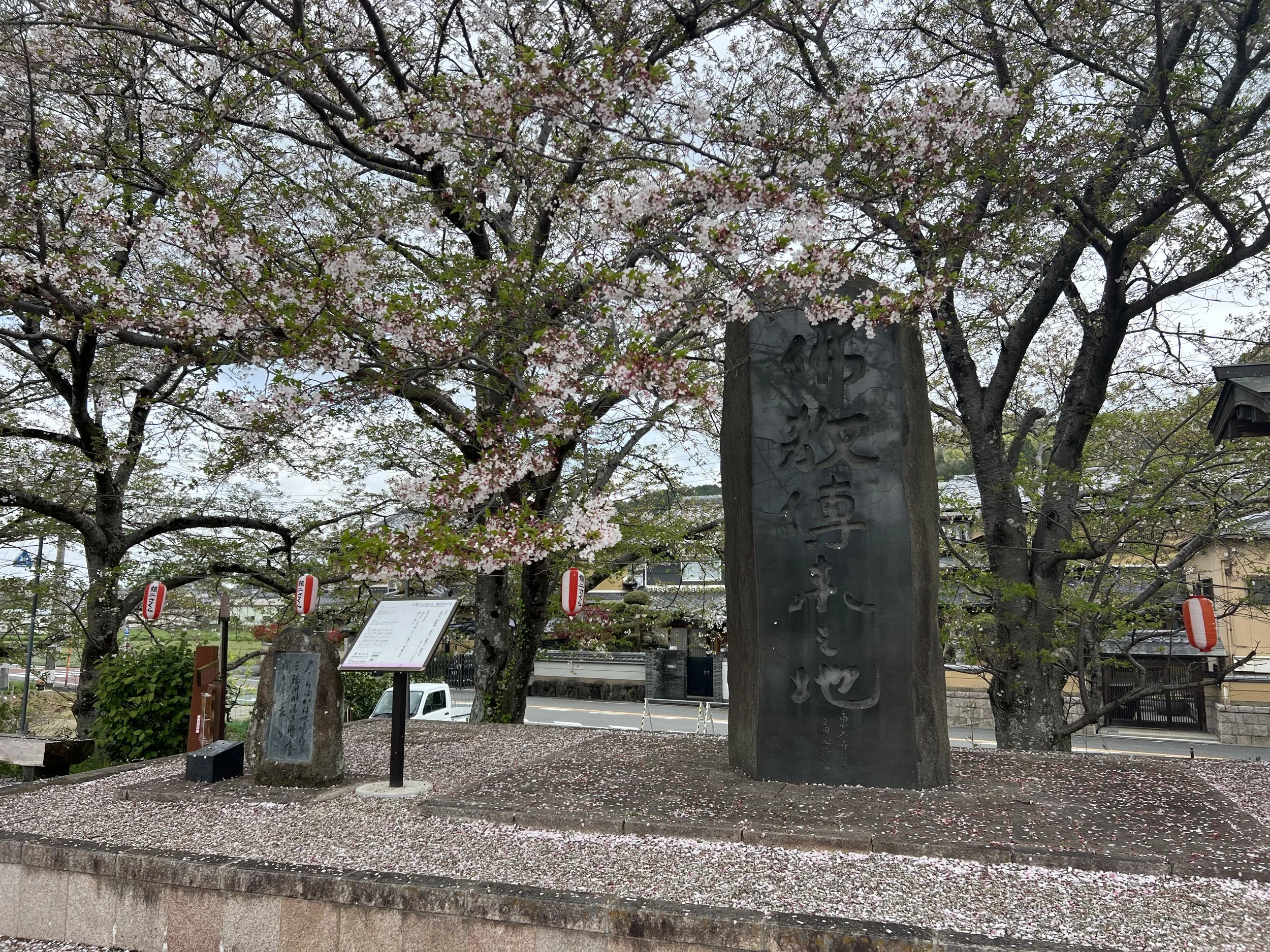
The Yamanobe no Michi trail begins at a large stone monument on the banks of the Hase River, the very spot where it is said that Buddhism was first introduced in Japan. From there, I followed the red signs guiding me to the next point of interest, first through the city streets, then gradually leading away from the hustle and bustle to more wooded trails.
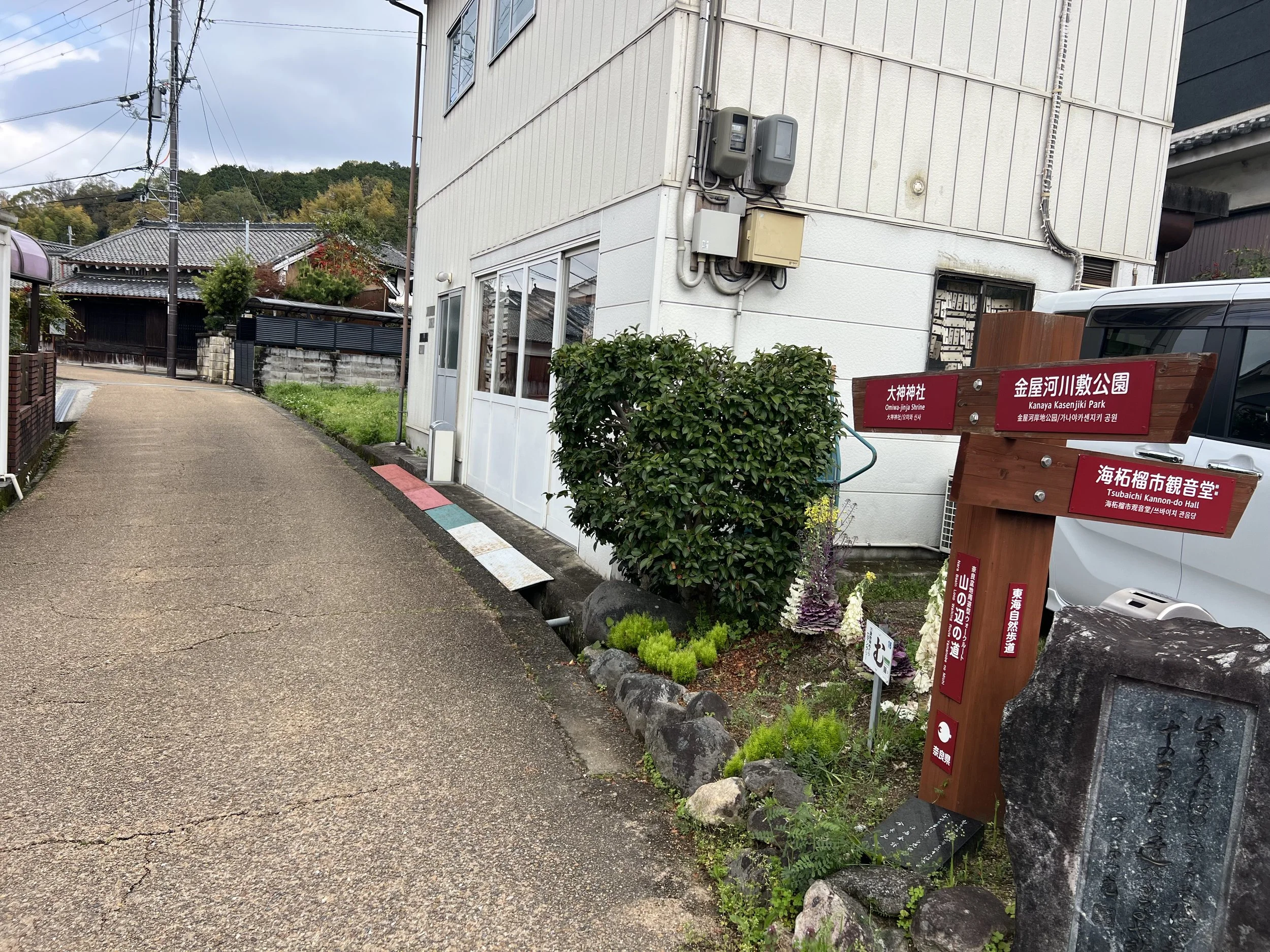
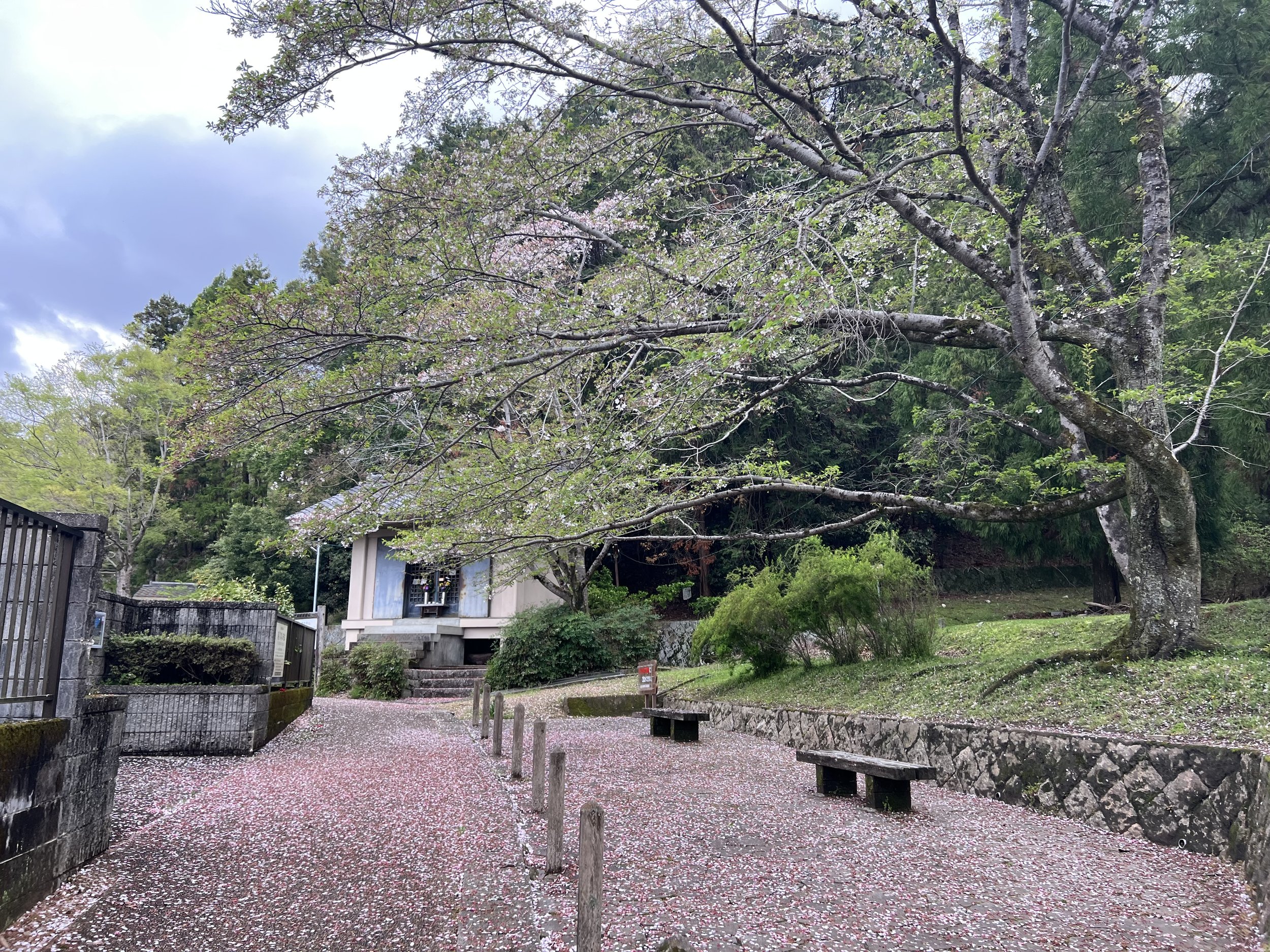
I soon arrived at a rest area with a couple of benches next to an art museum and a white storehouse. Definitely take a look inside this small building: there are two ancient stone buddha images carved in relief on stone slabs of over 2 meters (from the early 13th century).
After walking a little further and passing through a small bamboo grove, I arrived at Byodo-ji Temple (三輪山平等寺), a peaceful historical temple with a beautiful pagoda (and an adorable cat!). It was the perfect place for a short break before continuing my walk.
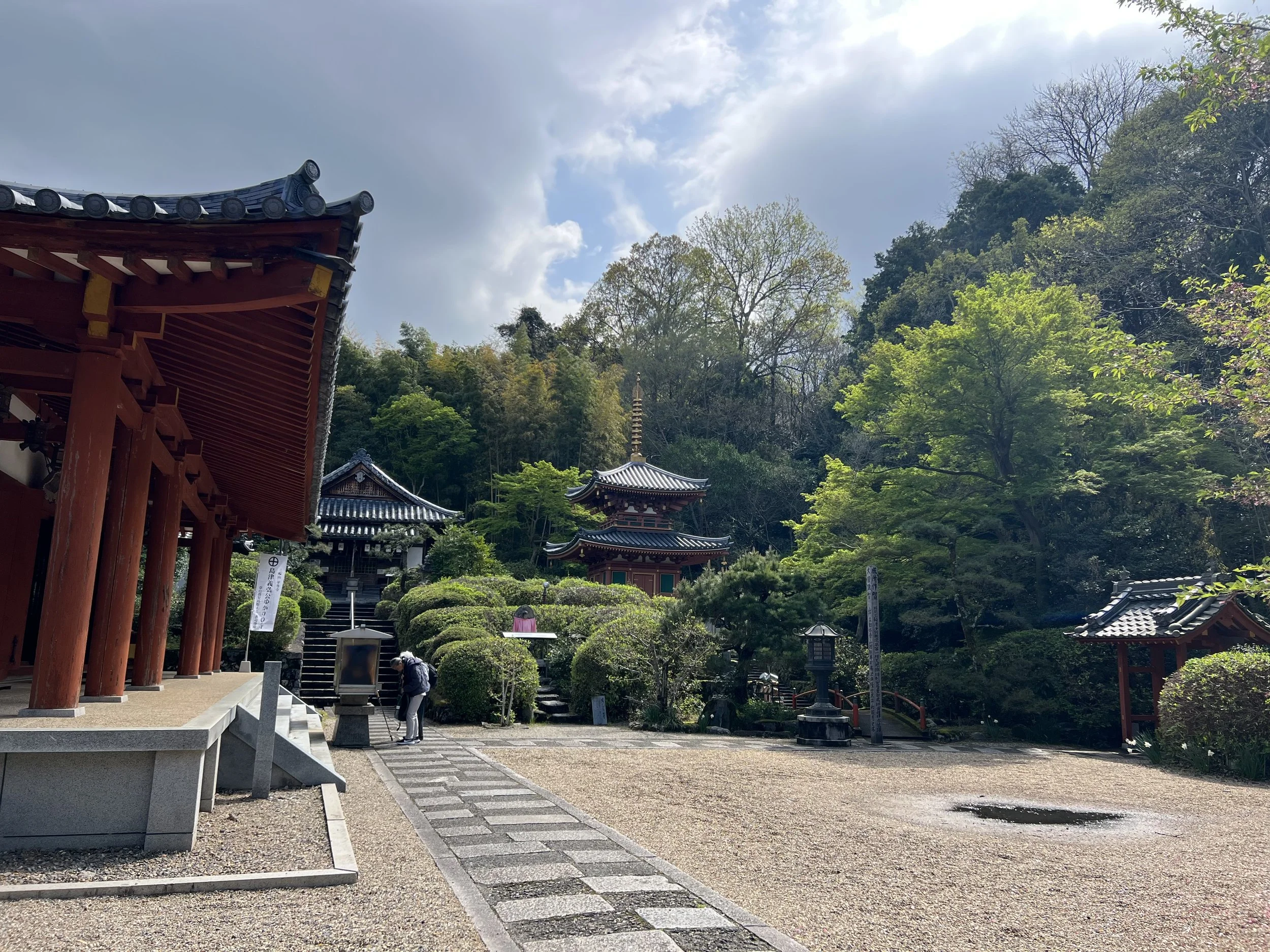
Byodo-ji Temple
Visit the Sacred Omiwa Shrine
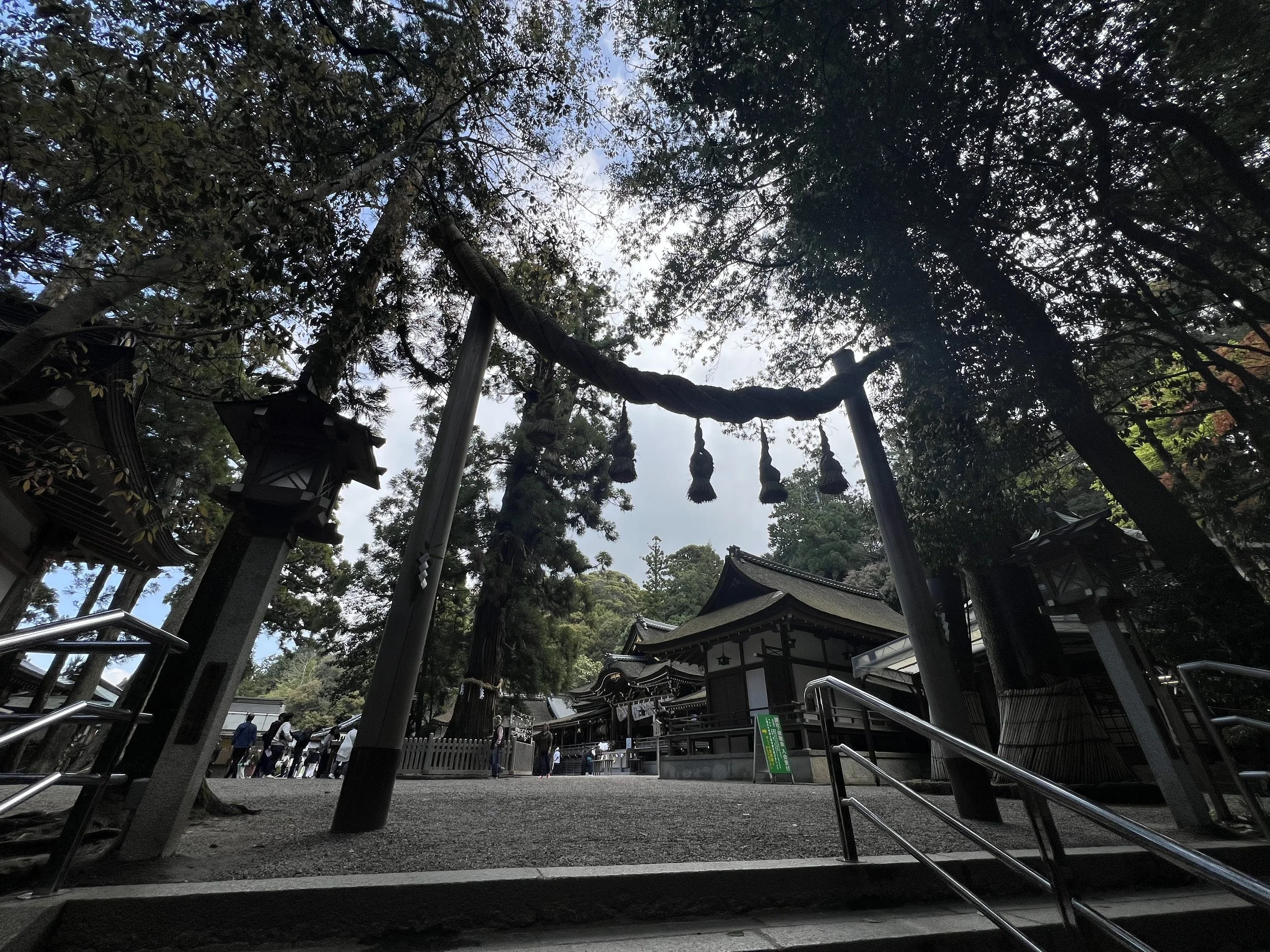
The route continues to the foot of Mount Miwa, to Omiwa-jinja shrine (大和國一宮 大神神社), also known as Miwa Myojin, a key stop on this hike. Omiwa-jinja shrine is said to be Japan’s oldest shrine, whose object of worship is Mt Miwa rising behind it. As the oldest sacred mountain of Japan, Mt Miwa is also referred to as the Mountain of the Gods. The shrine exudes a sacred atmosphere, with many majestic trees to admire. It is also revered by sake brewers, who come from all over Japan to pray for good sake.
If you are willing to make a slight detour, note that Miwa area is renowned for its sake breweries and for being the birthplace of somen noodles. You will find several restaurants serving them around Miwa Station. I was not hungry yet, so I decided to keep exploring the area around Omiwa Shrine.
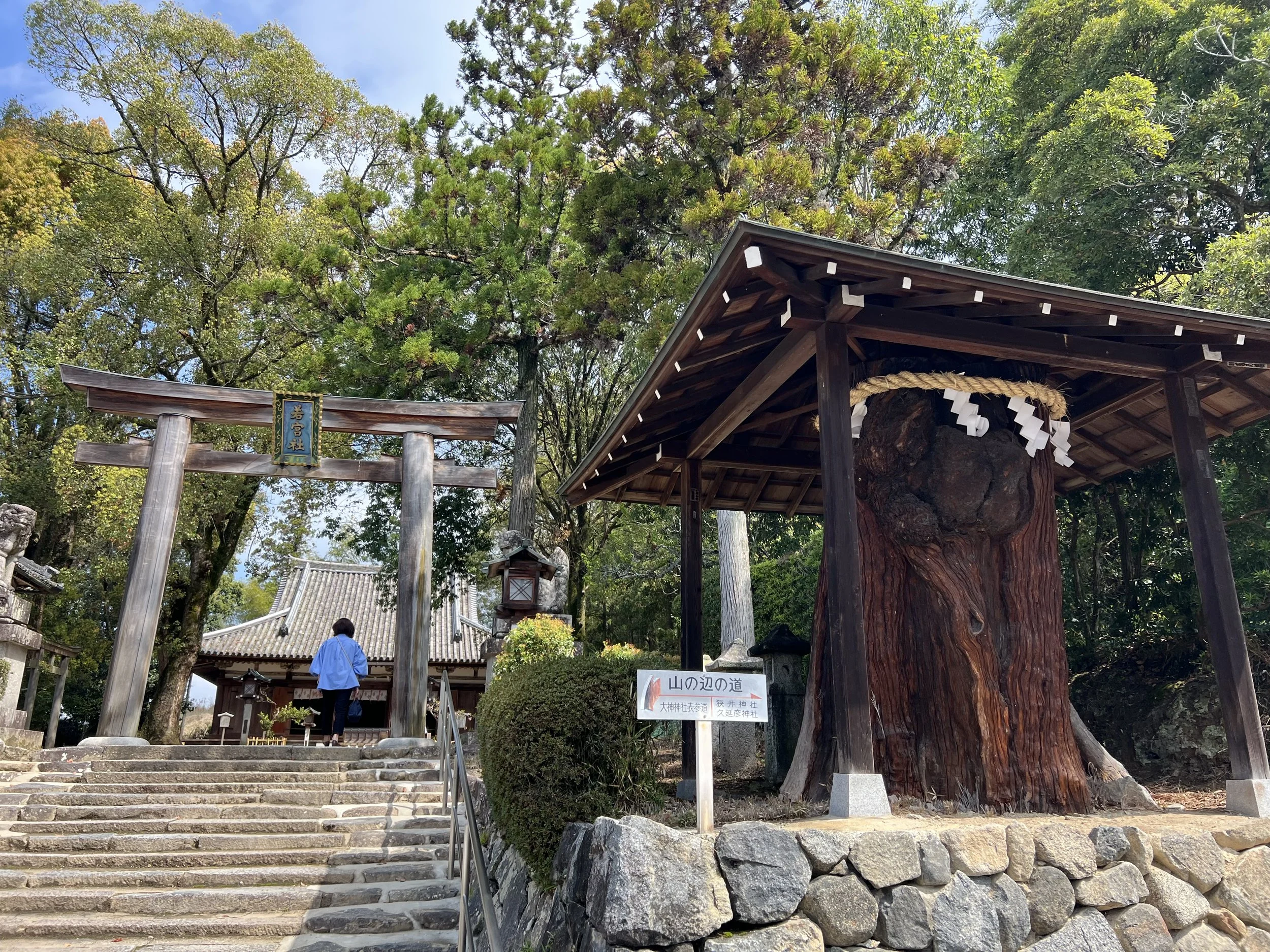
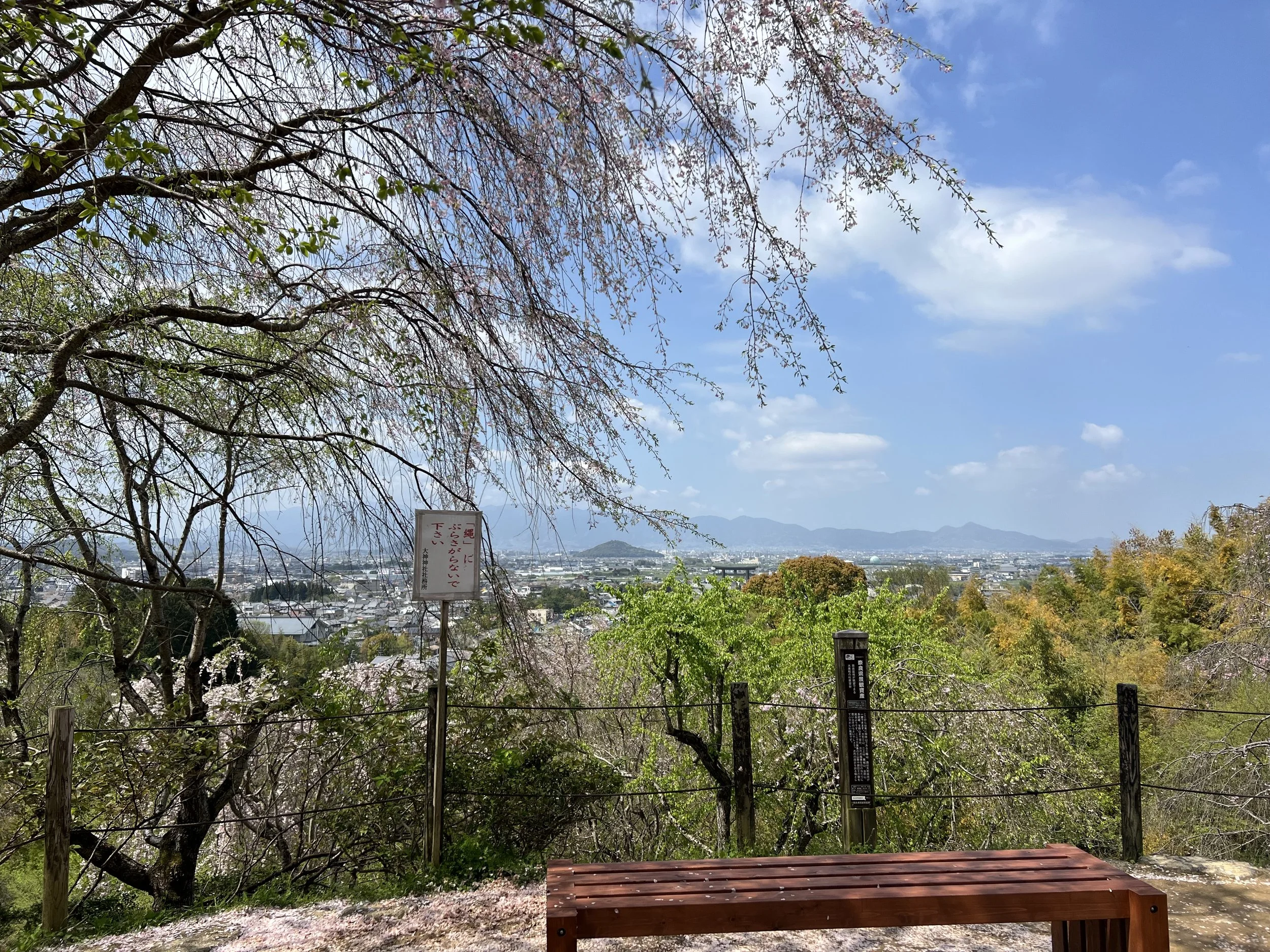
Don’t miss the nearby viewpoint, marked on Google Maps as Omiwa Forest Scenic Overlook (大美和の杜展望台). The park was lined with numerous cherry blossom trees. There is also Sai Shrine (狭井神社), renowned for its sacred water with healing properties and also the starting point for the trail to Mount Miwa.
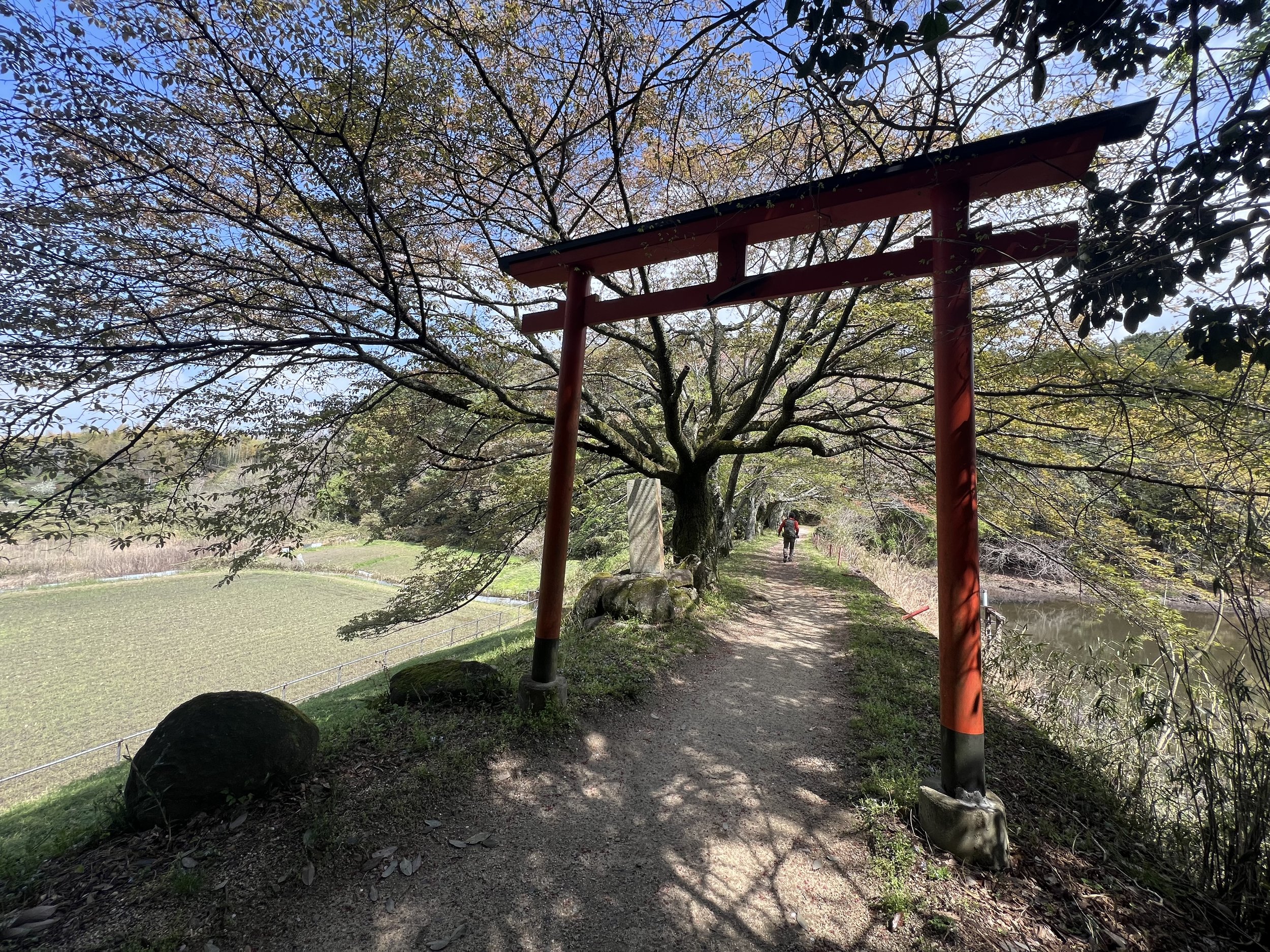
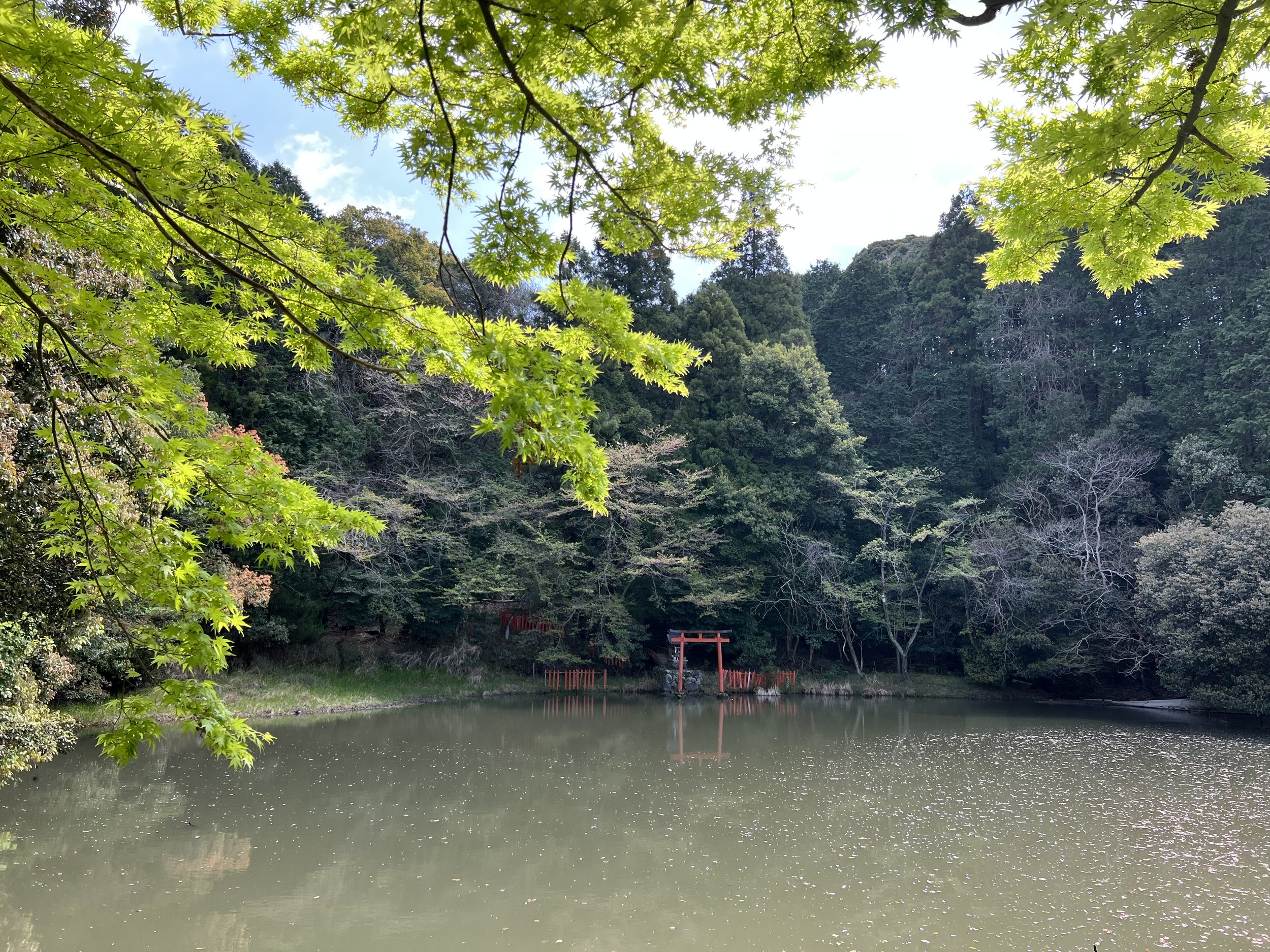
The area is full of other small shrines and temples, so you could easily spend more time there. Before continuing the trail, I recommend a short detour to visit the shrines near Watsubo Shimoike (岩坪下池). I found the place particularly peaceful and photogenic.
Hike Through The Countryside of Nara
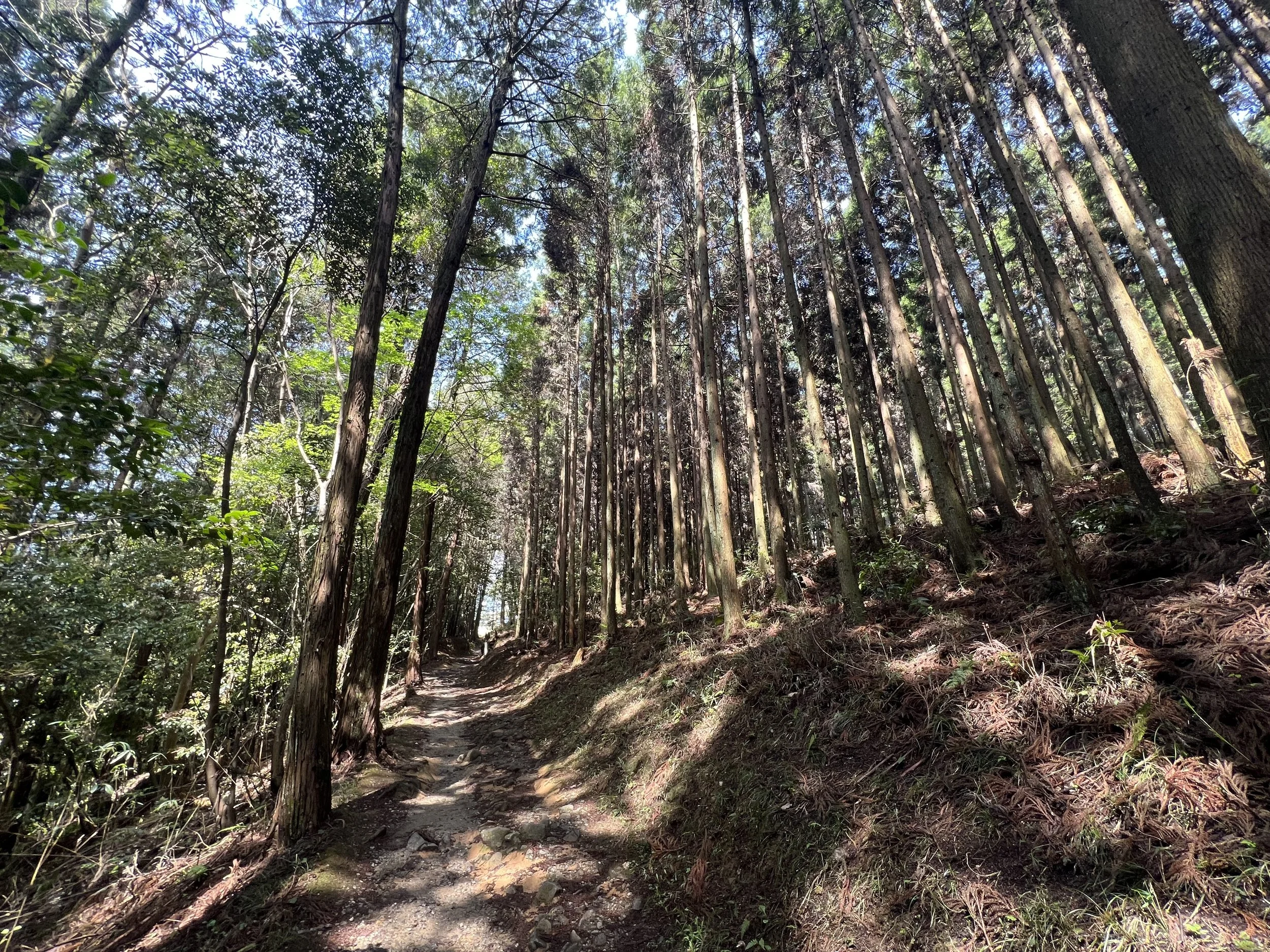
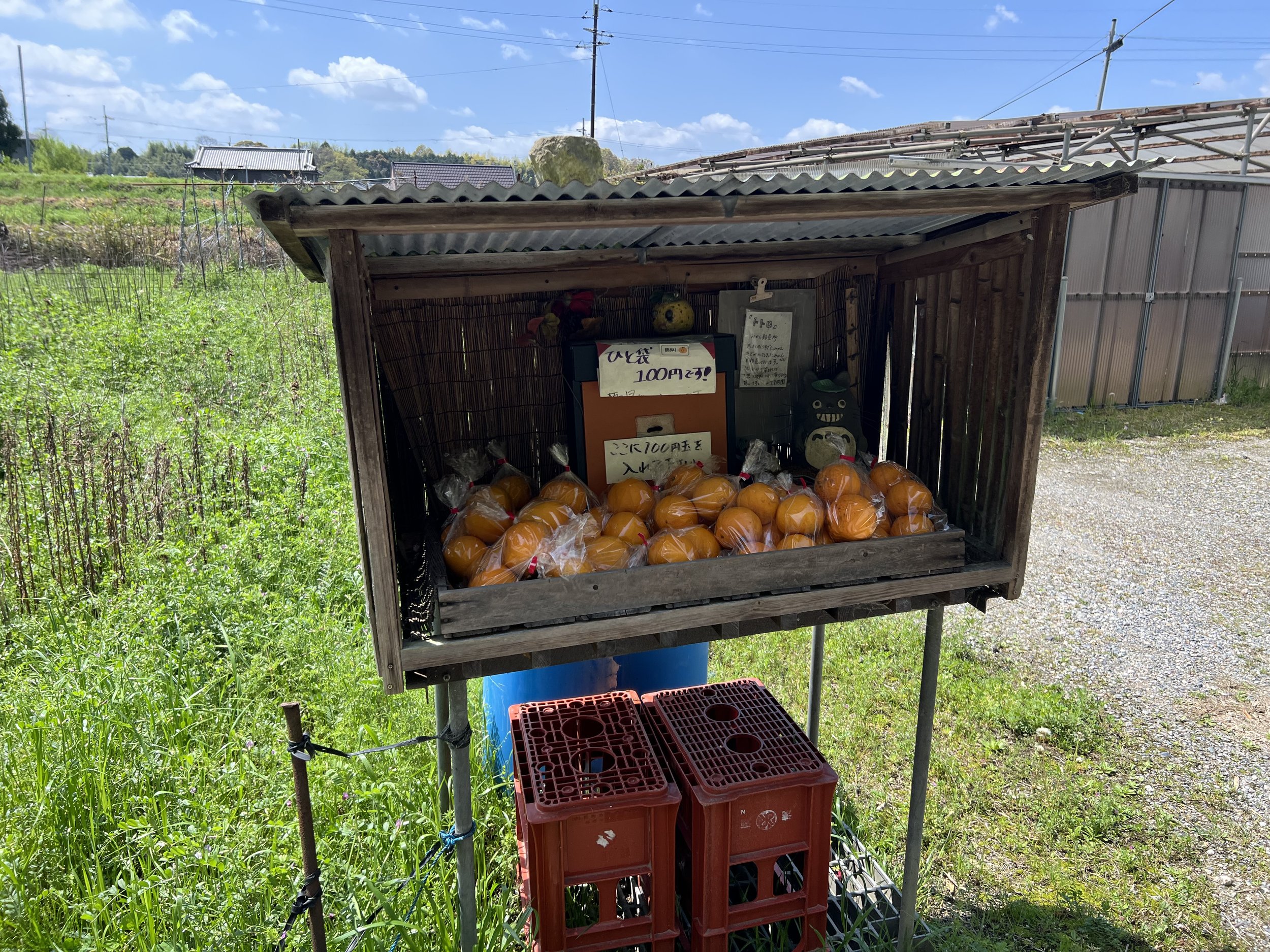
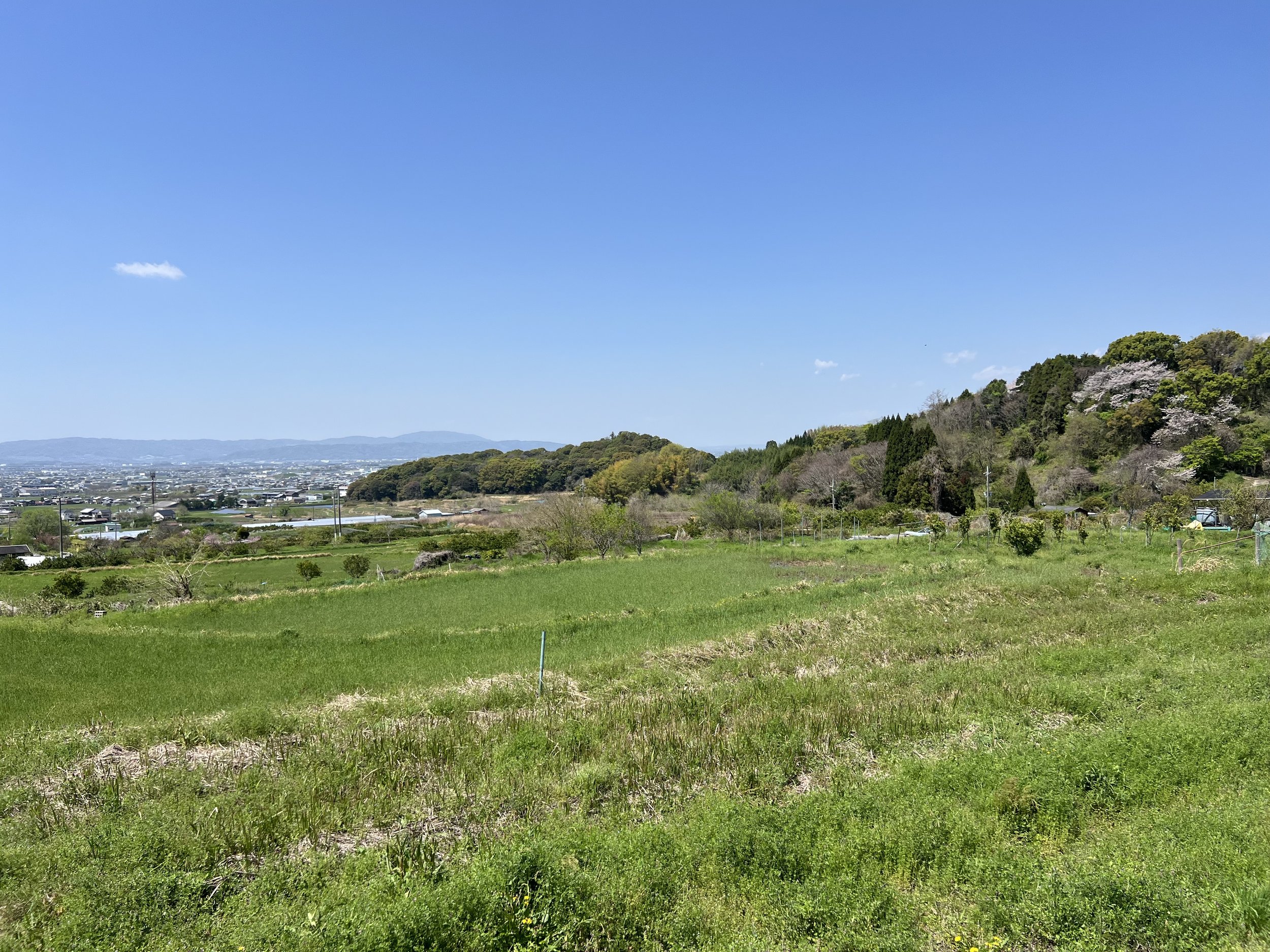
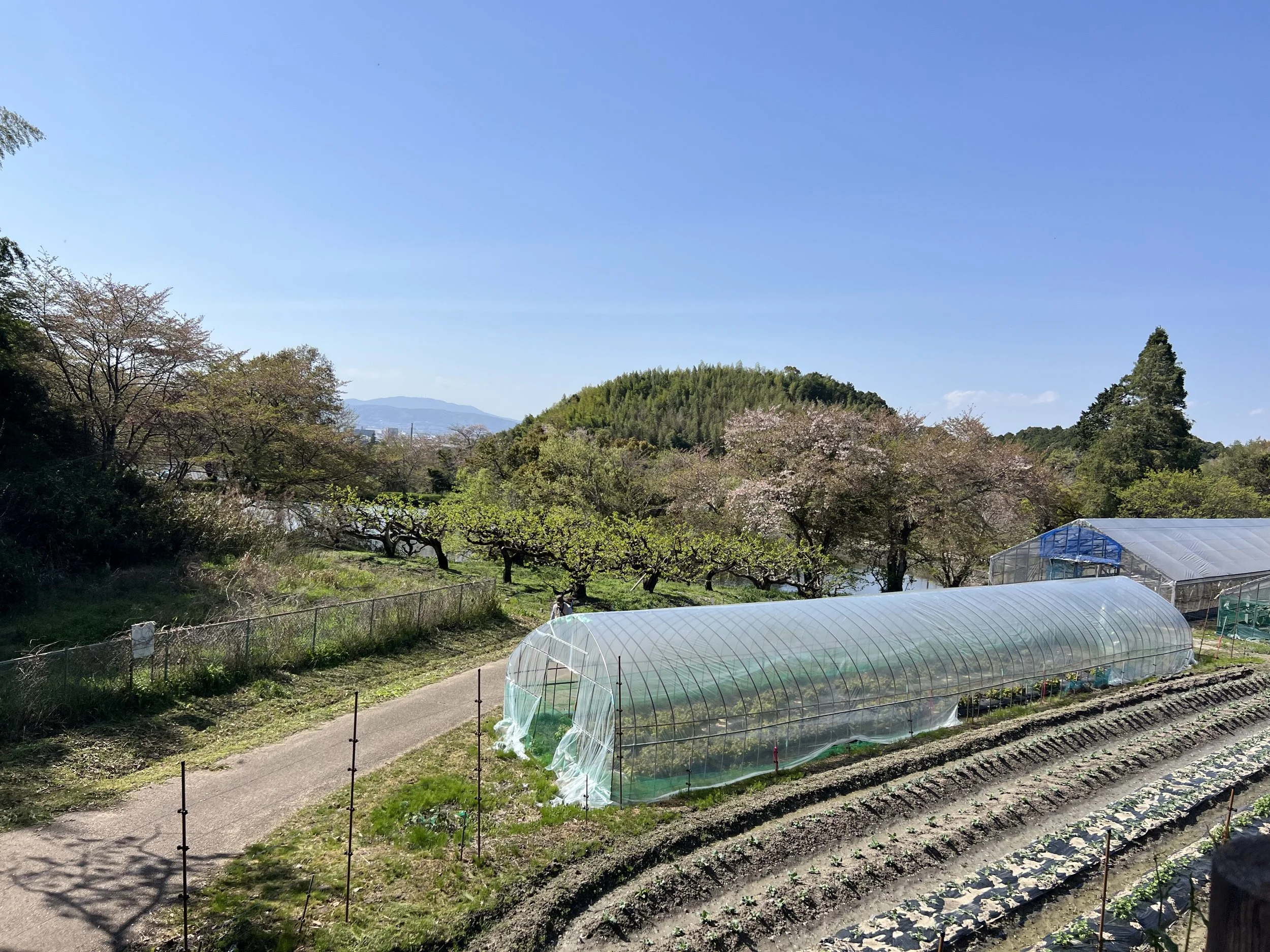
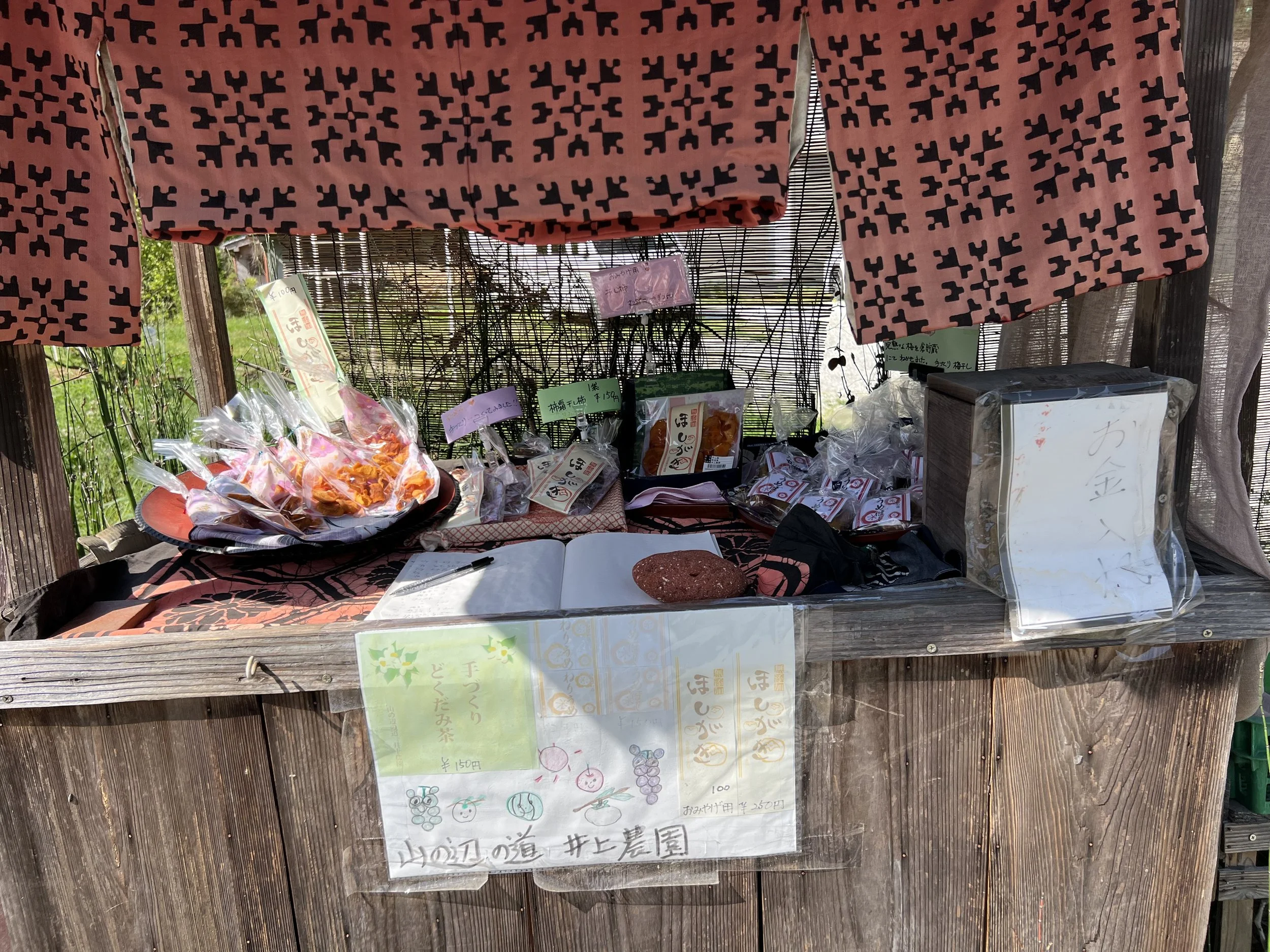
I very much enjoyed the next part of the hike, which winds through short forest paths, parks, and small villages with fields and rice paddies. Points of interest include Genpinan (玄賓庵) and Hibara Shrine (檜原神社). One of the fun things about this hike is the frequent presence of small, unmanned stalls offering local products such as fresh fruits and vegetables, as well as dried fruits and sweets. I bought dried persimmons and sweet mikan peels for a few 100 yen coins, which I placed in the designated baskets.
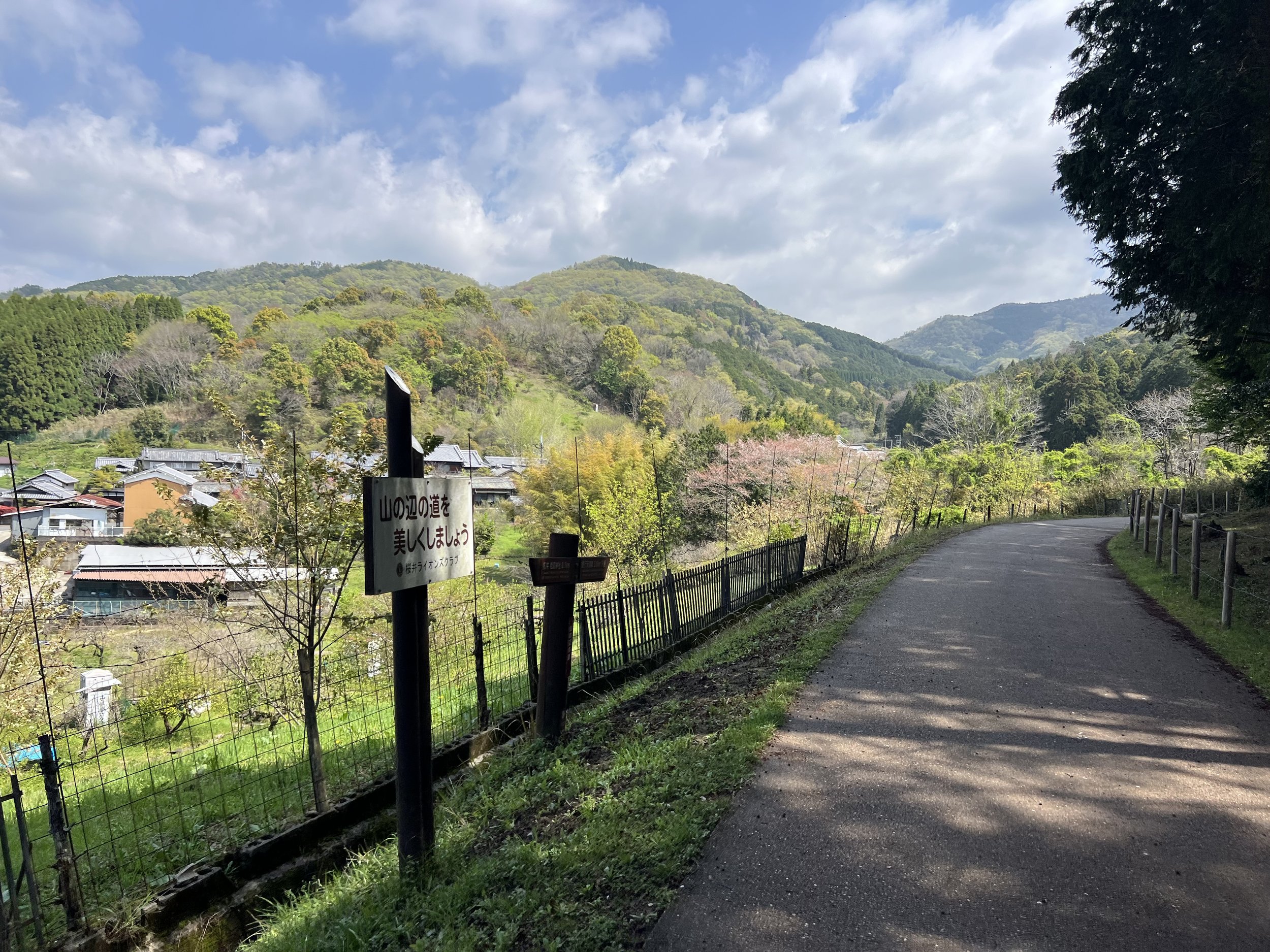
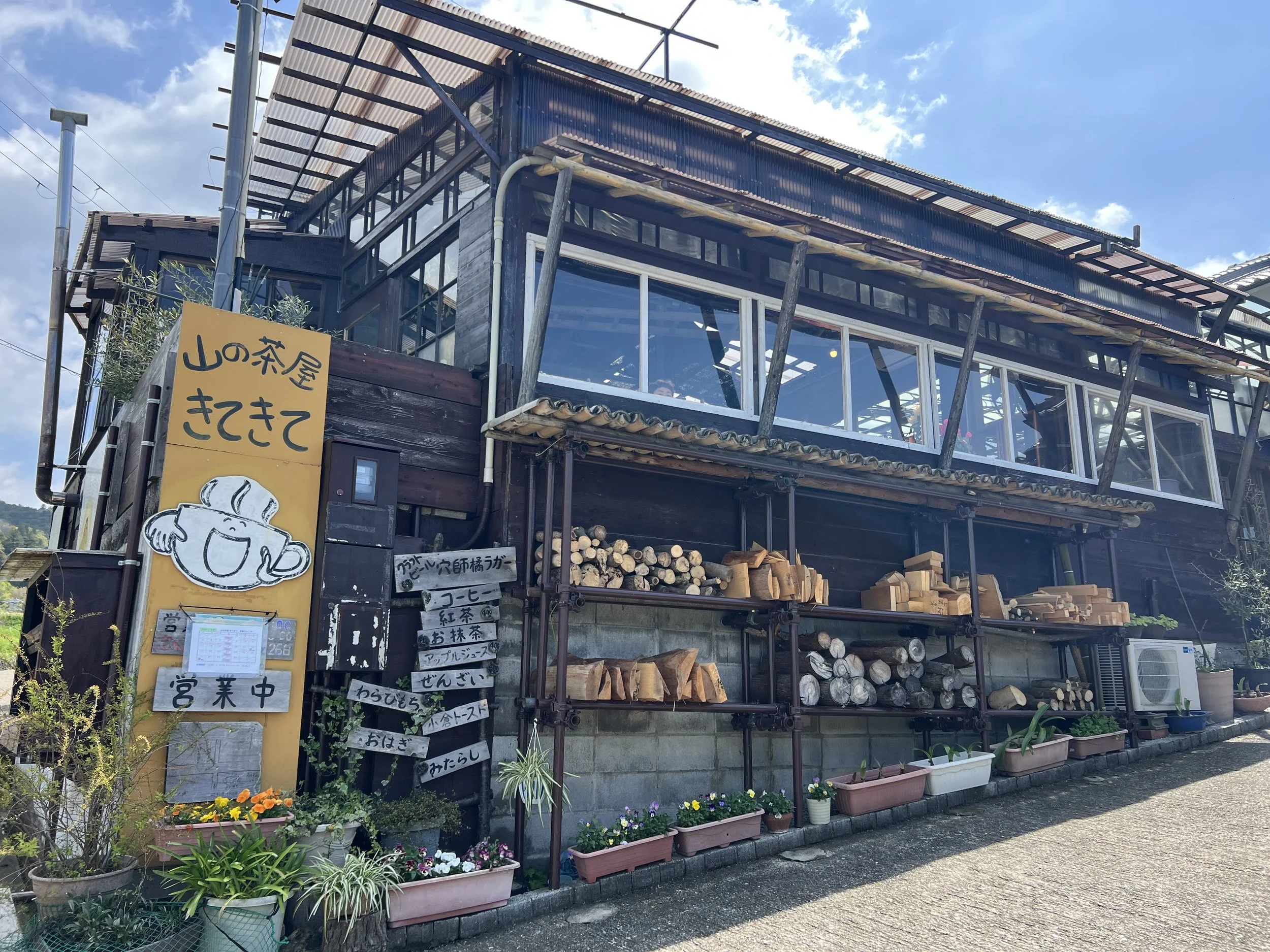
There are a few cafés and restaurants along the way, and I decided to stop at きてきて 山の茶屋, a café serving Japanese sweets and other snacks. I really enjoyed the cafe's atmosphere and the beautiful view of the fields. I had some iced matcha tea and midarashi dango and it felt like the perfect stop. I highly recommend it!
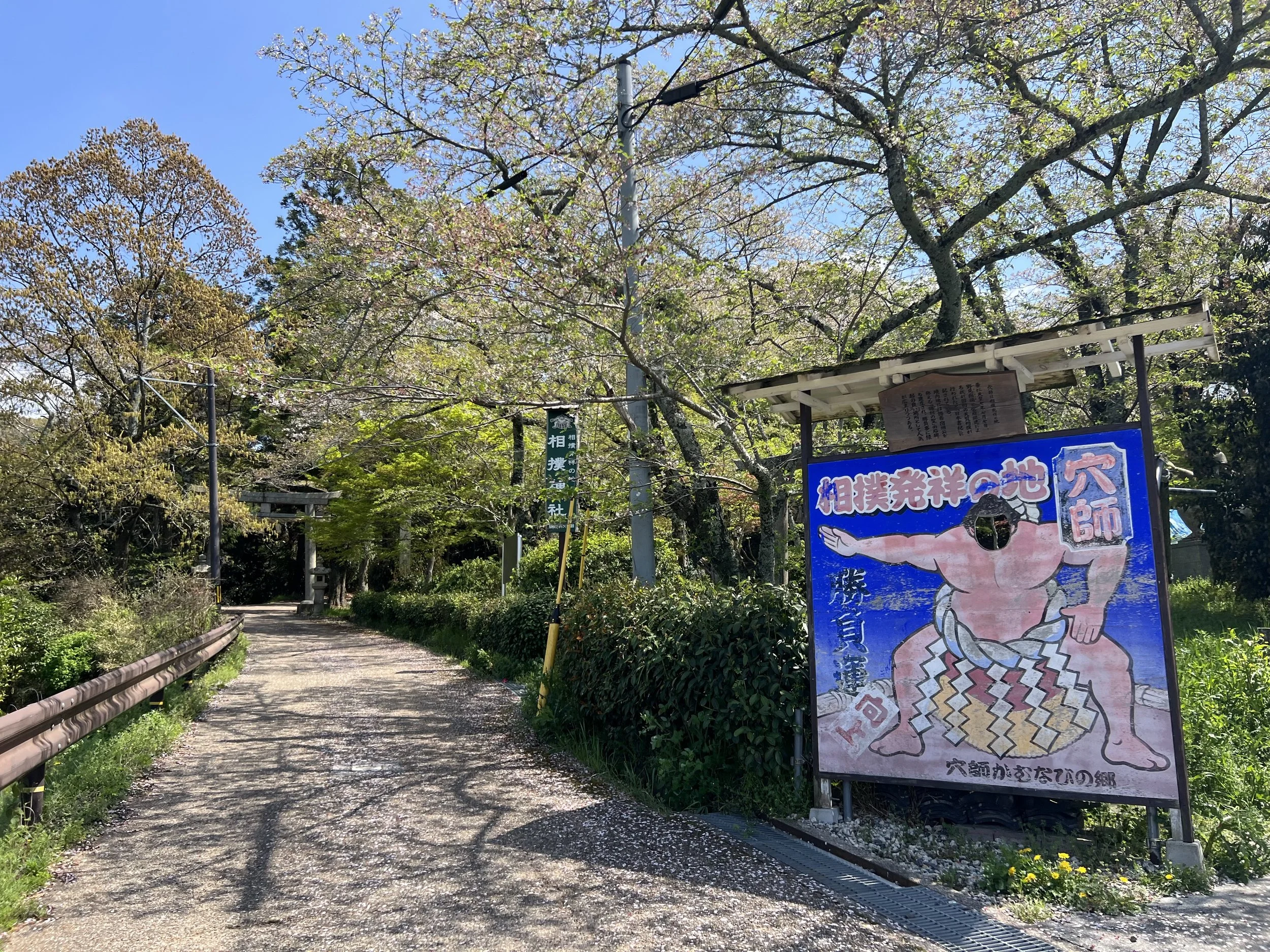
A short walk from this café, don’t miss Sumo-jinja Shrine (相撲神社), a small shrine standing at the birthplace location of Sumo wrestling!
Past Ancient Emperor Tombs to Chogaku-ji Temple
Tomb of Emperor Keiko
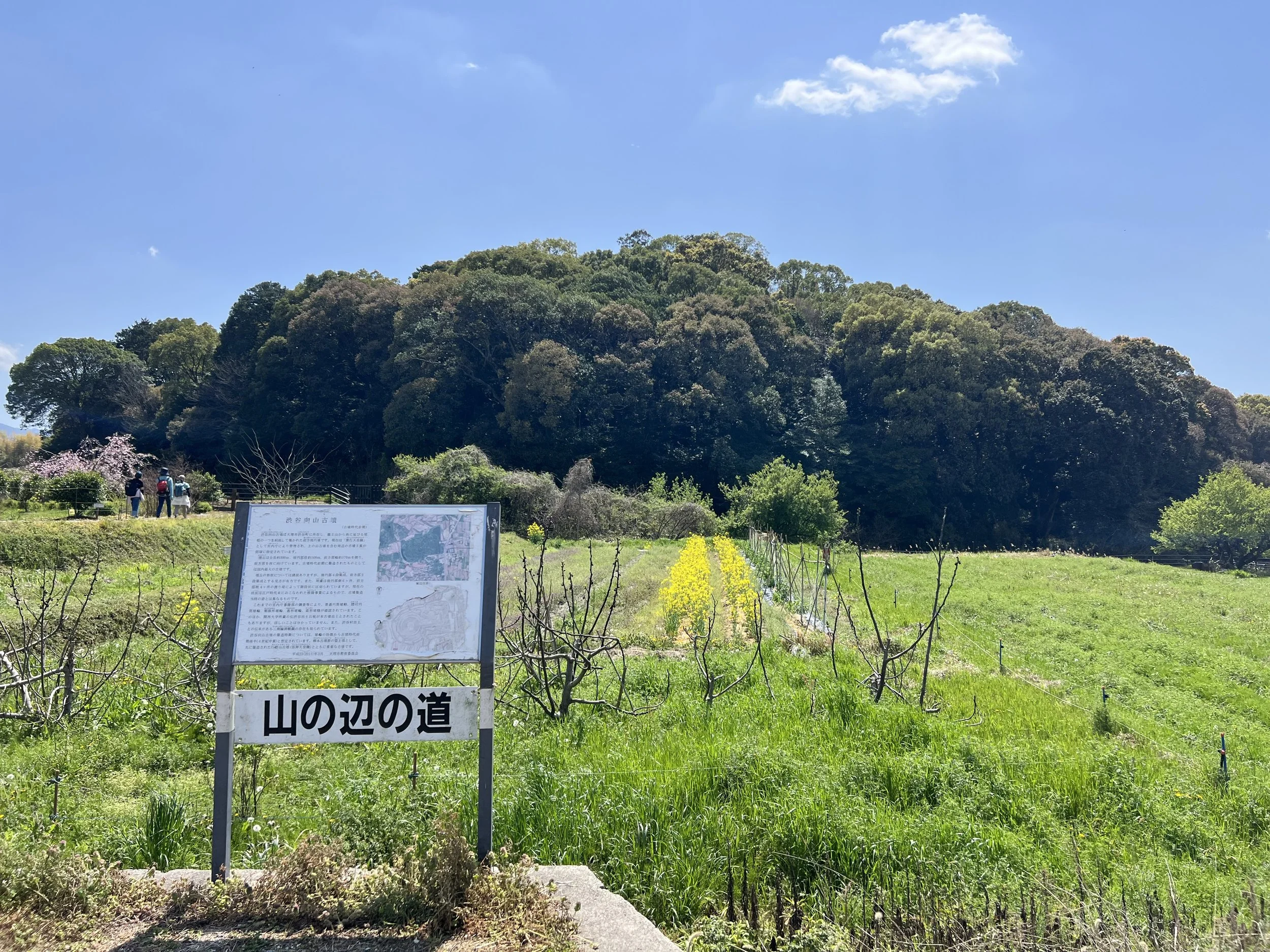
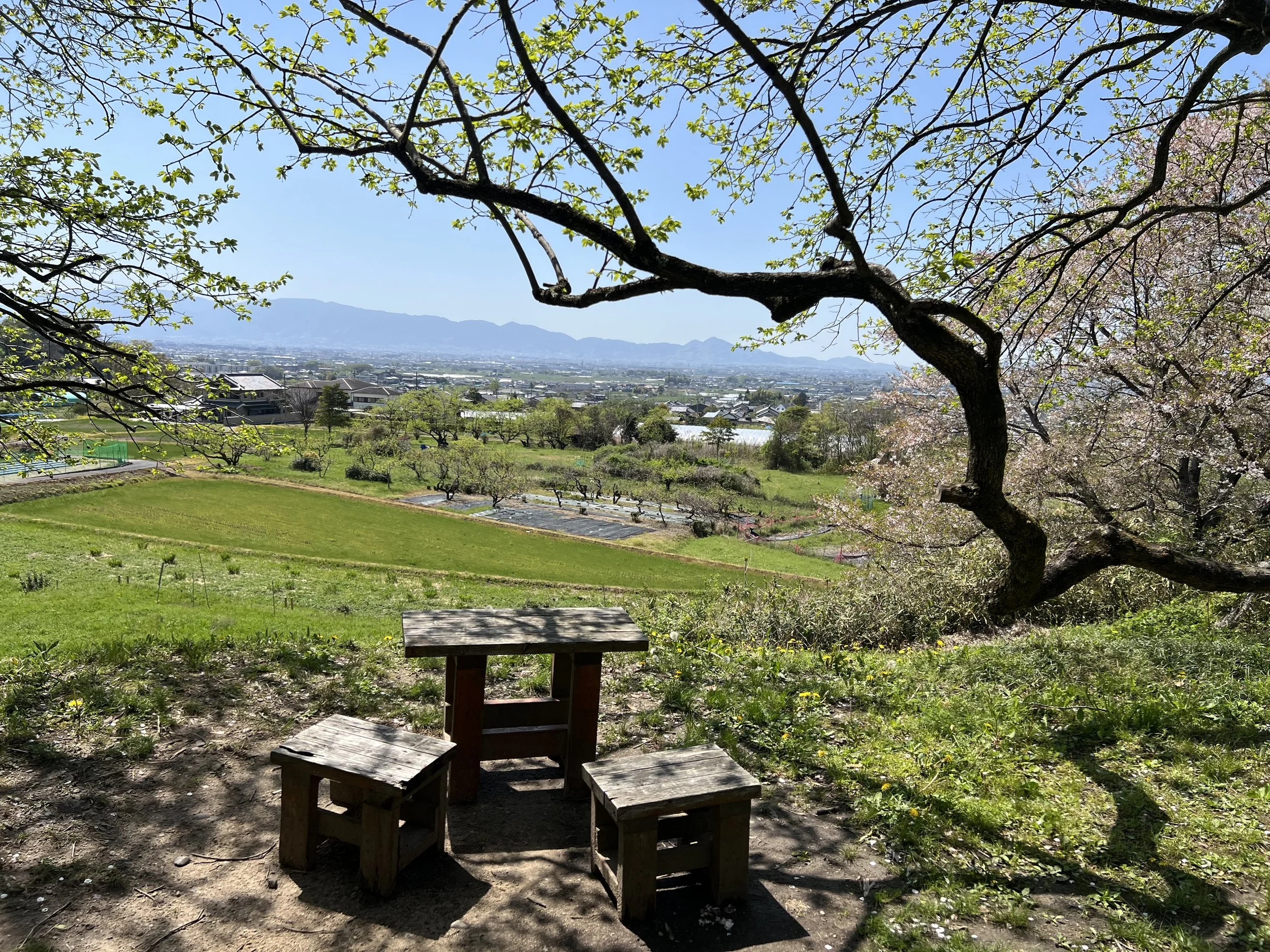
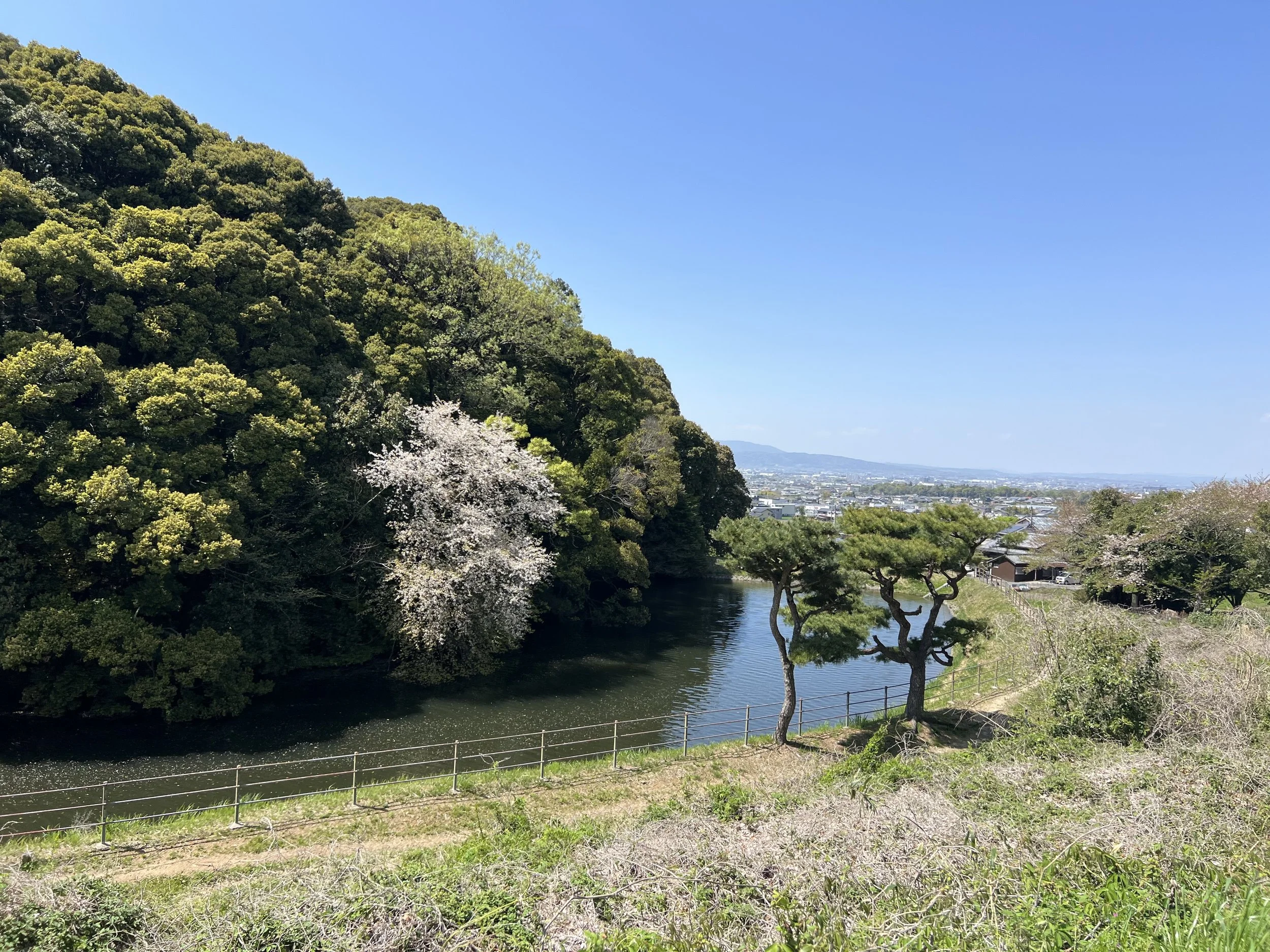
In addition to the beautiful countryside scenery, the next highlights on the Yamanobe-no-Michi are ancient emperors tombs: the tomb of Emperor Keiko (12th Emperor of Japan) and the tomb of Emperor Sujin (10th Emperor). These two burial mounds date back to the 4th century. Please note that access to the mausoleums is prohibited; you will only be able to view them from a distance. But you can still appreciate their size and the importance of these places of worship.
Tomb of Emperor Sujin
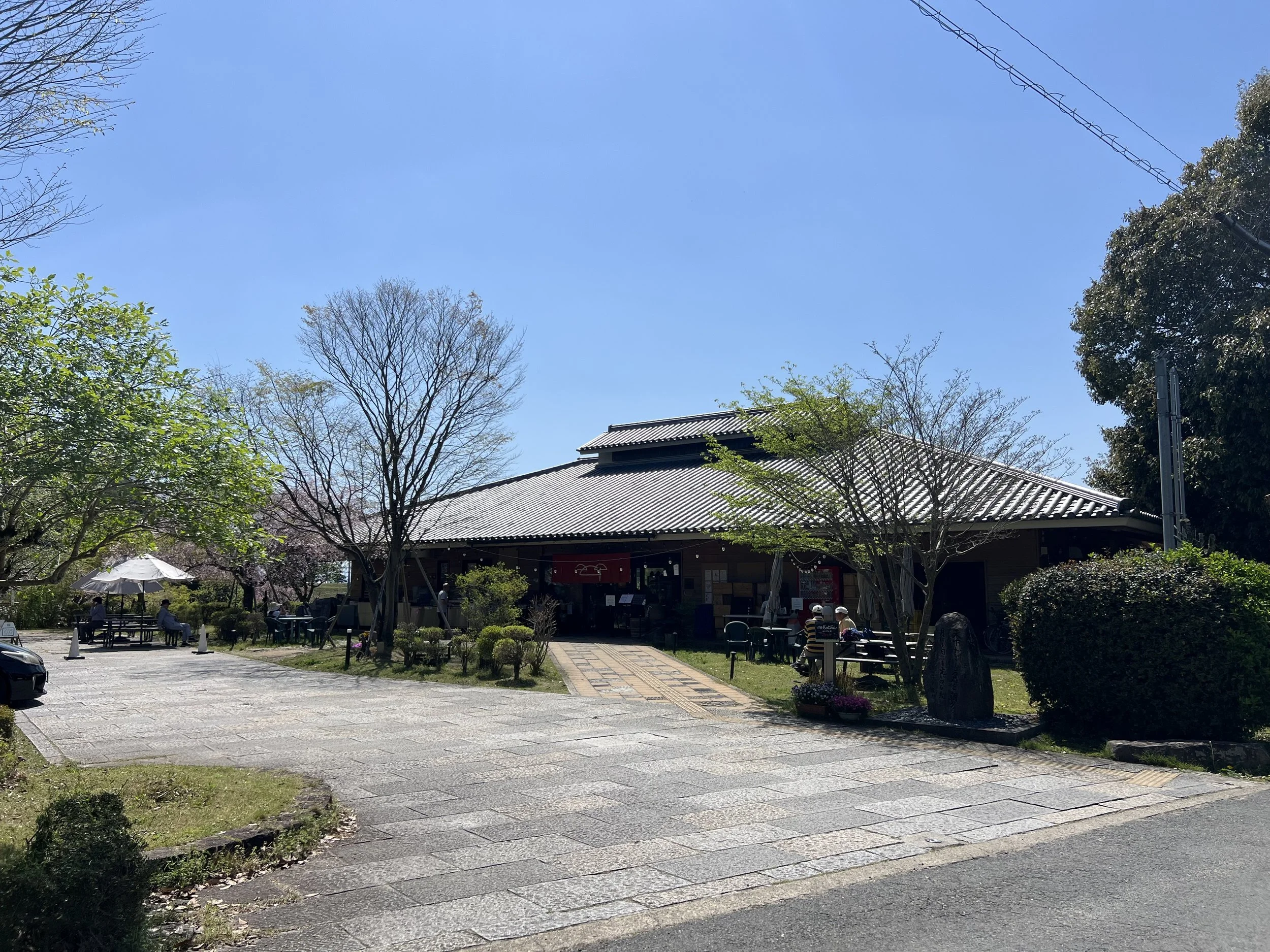
Shortly after the second tomb, you can stop at Tenri City Trail Center (天理市トレイルセンター) which has a nice rest area with public toilets, a restaurant and a small shop selling local products. It’s the perfect place for a short break before the next stop: Chogakuji Temple (長岳寺).
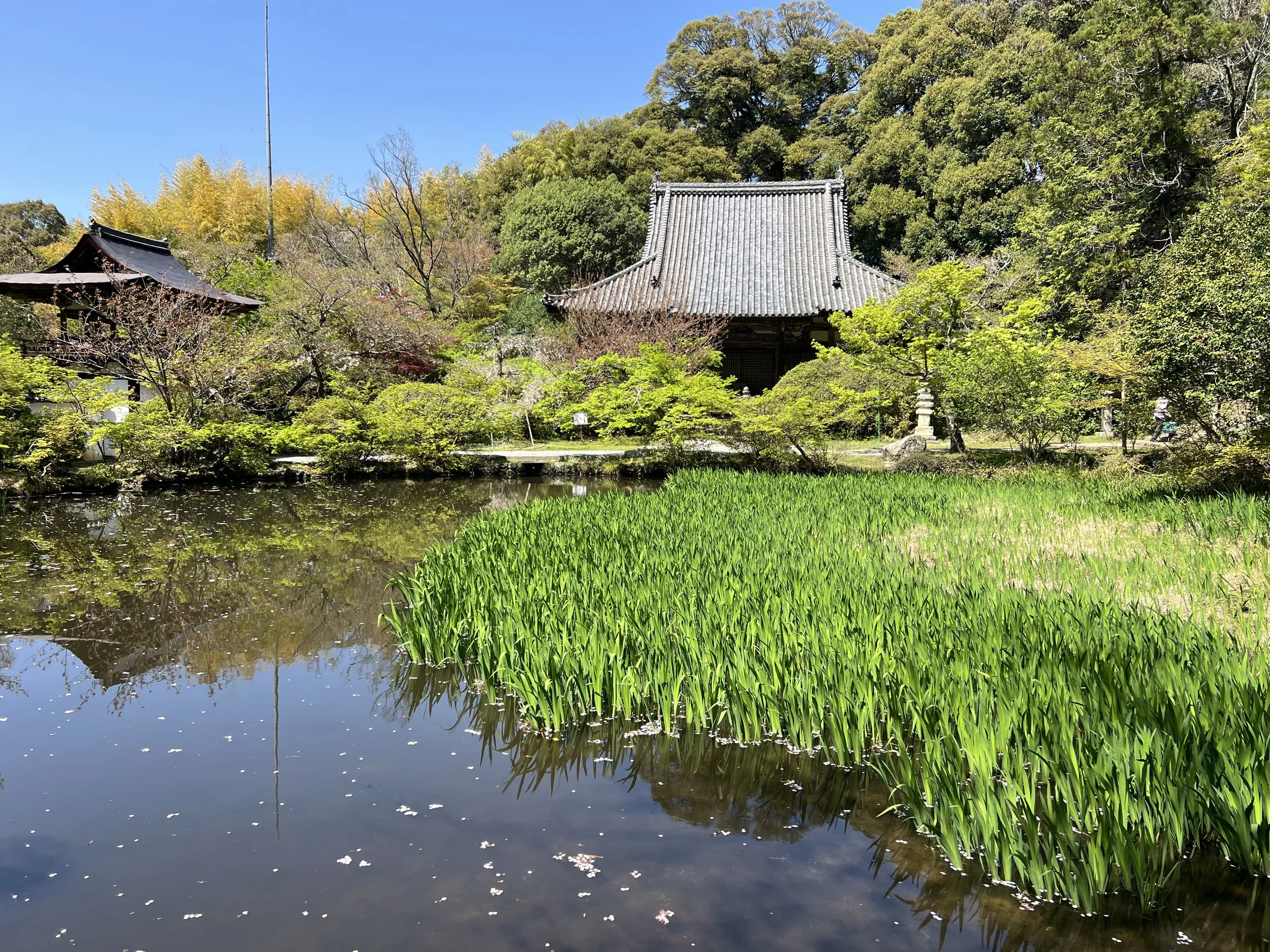
Chogakuji temple is renowned for its flower gardens and autumn colors. Its bell tower is also said to be the oldest in Japan. There was an adorable cat guarding the temple entrance and the temple is surrounded by nature. There were no other visitors when I visited the temple, so I could truly appreciate the serenity of the place. In addition to ¥400 admission fee, you can also purchase the temple’s goshuin at the entrance for an extra ¥300.
➡️ If you don’t know what goshuin are and would like to learn more, check out my guide dedicated to goshuin (temple seals).
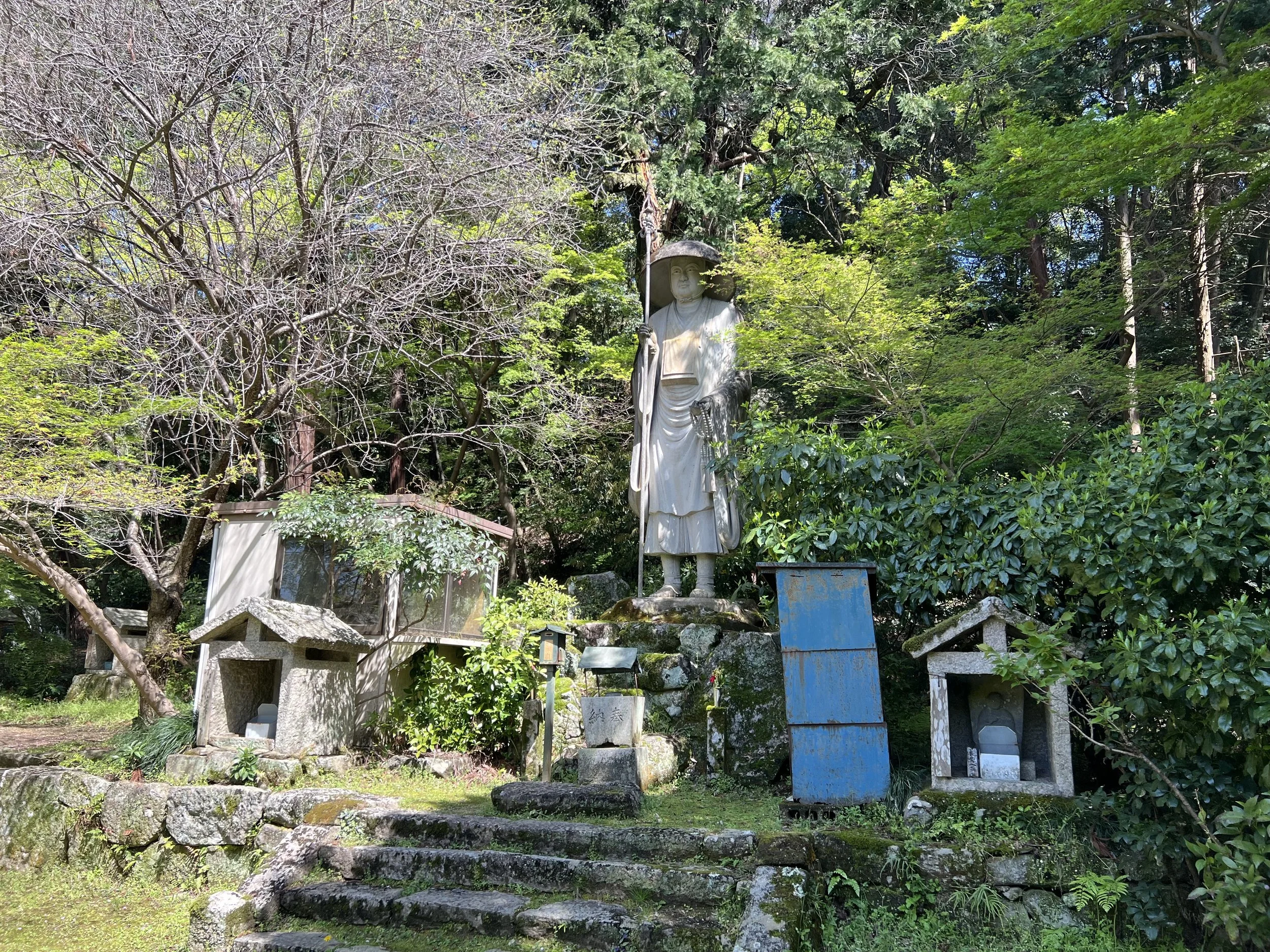
Follow the Countryside Trail to Isonokami Jingu
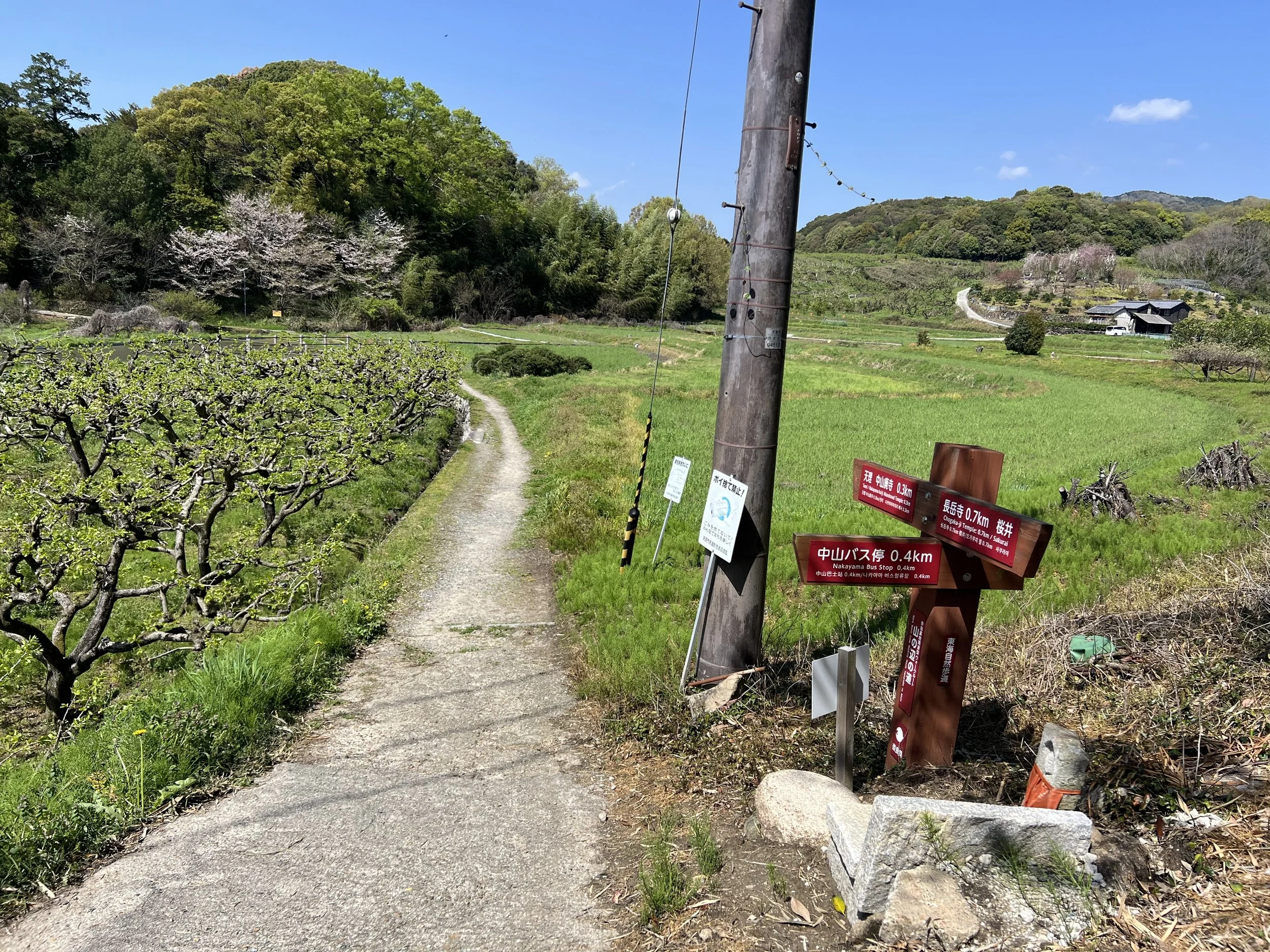
Continuing along the Yamanobe no Michi trail, the next section (7 km) will take you through rice paddies and persimmon and mikan orchards, past small moated villages, cemeteries, shrines, and temples.
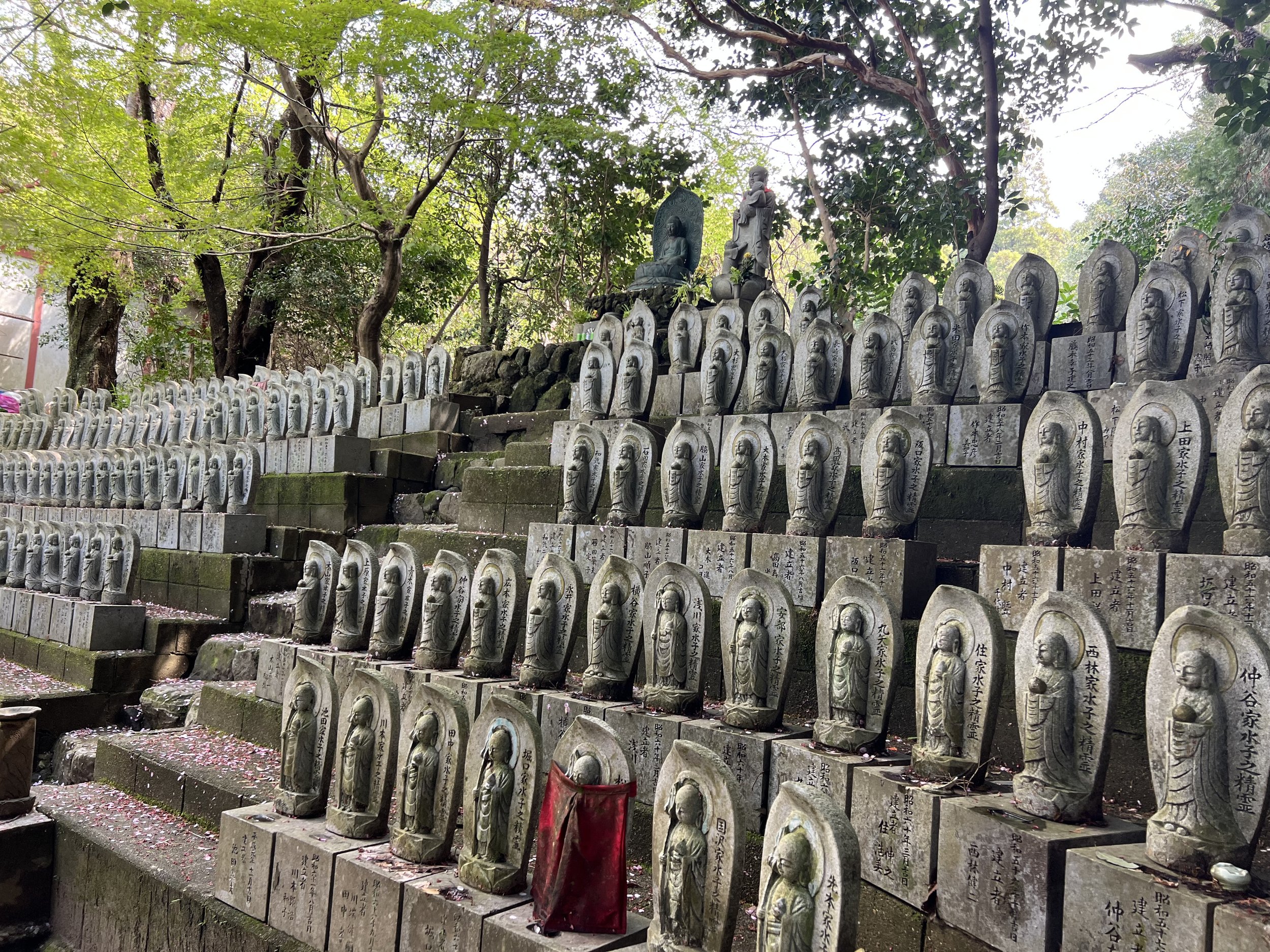
A small temple that I found charming was Nenbutsudera (念佛寺), with its large Jizo statue in front of the gate. The road then continues through a cemetery with some impressive burial mounds.
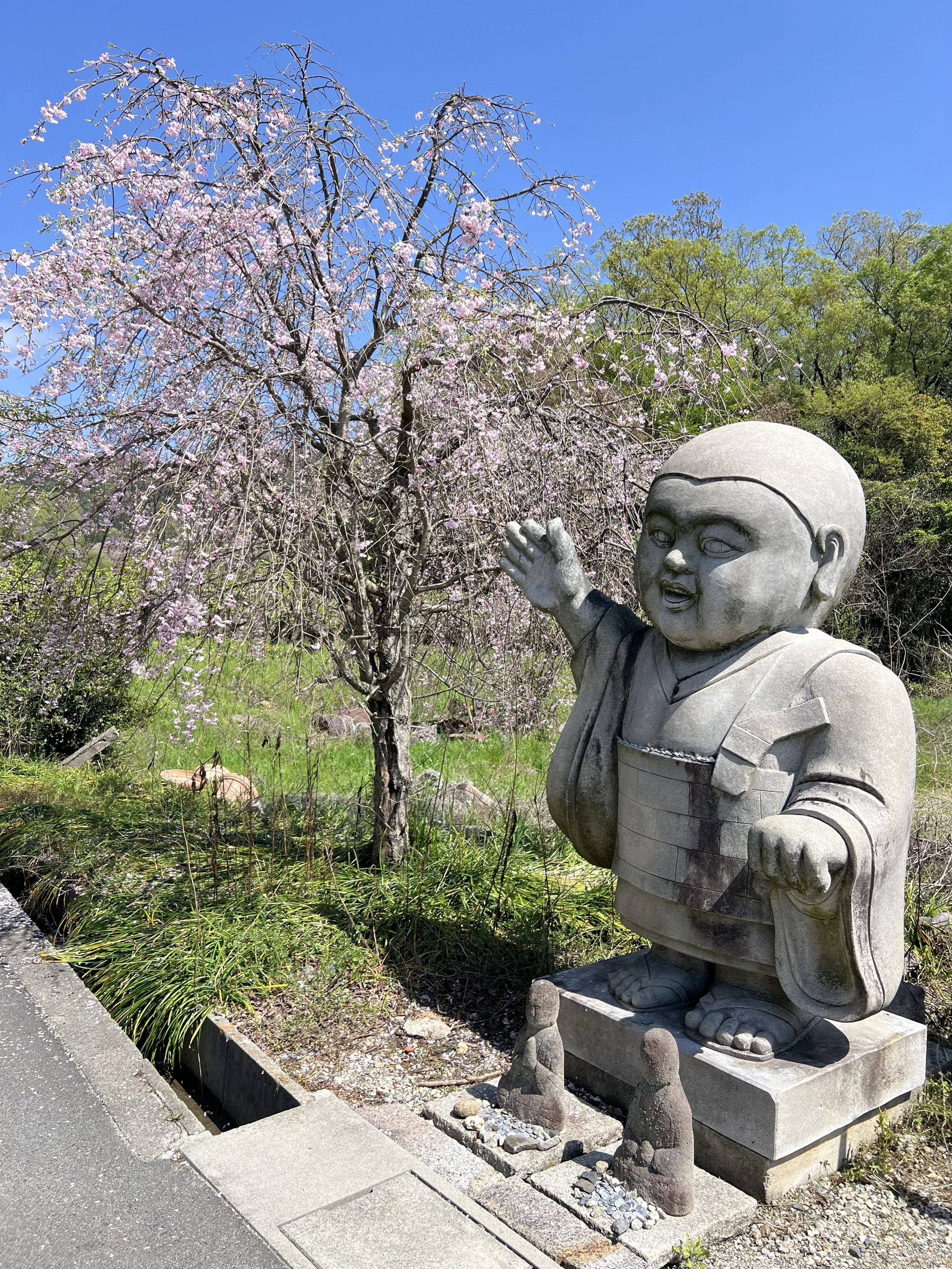
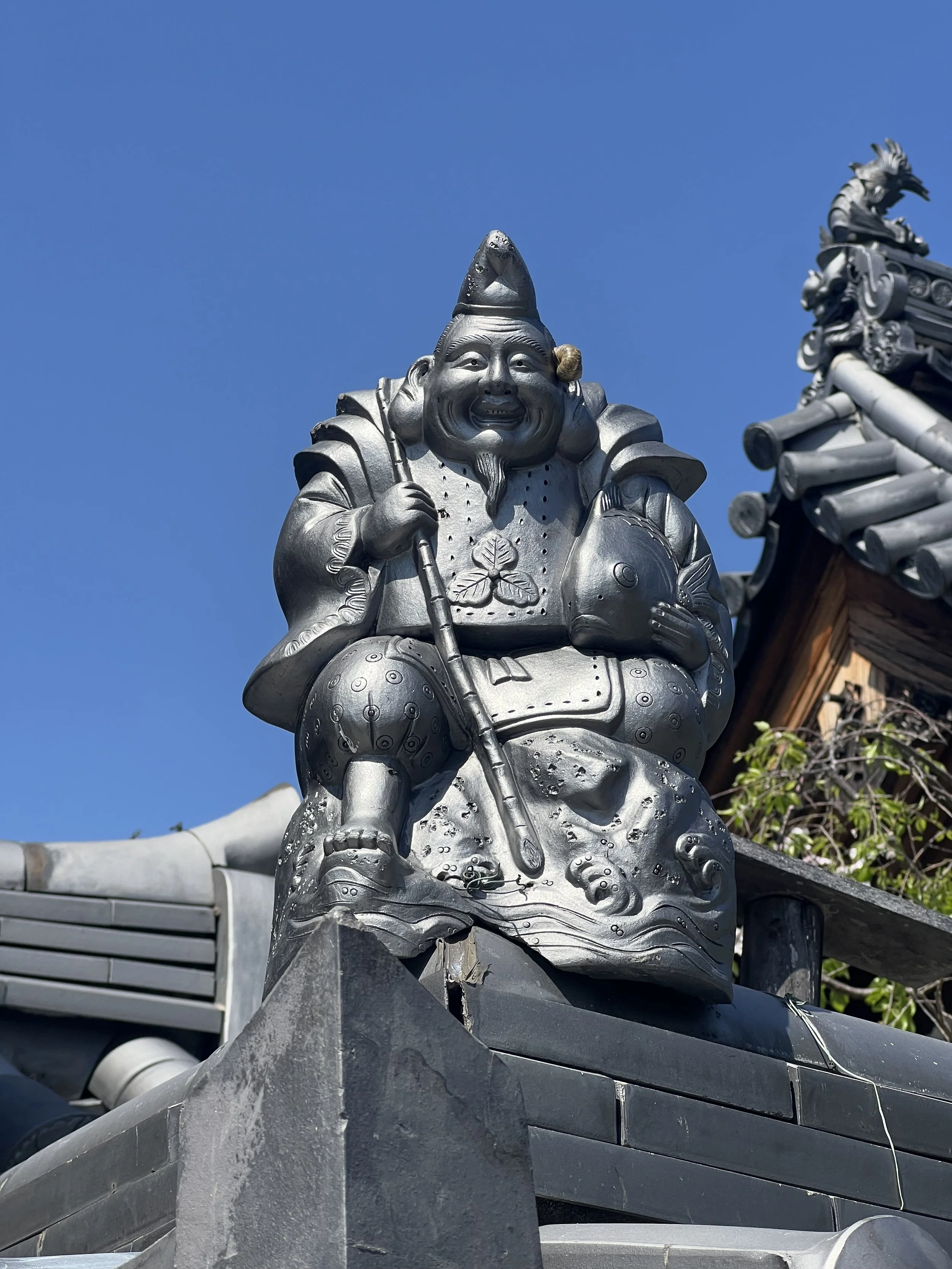
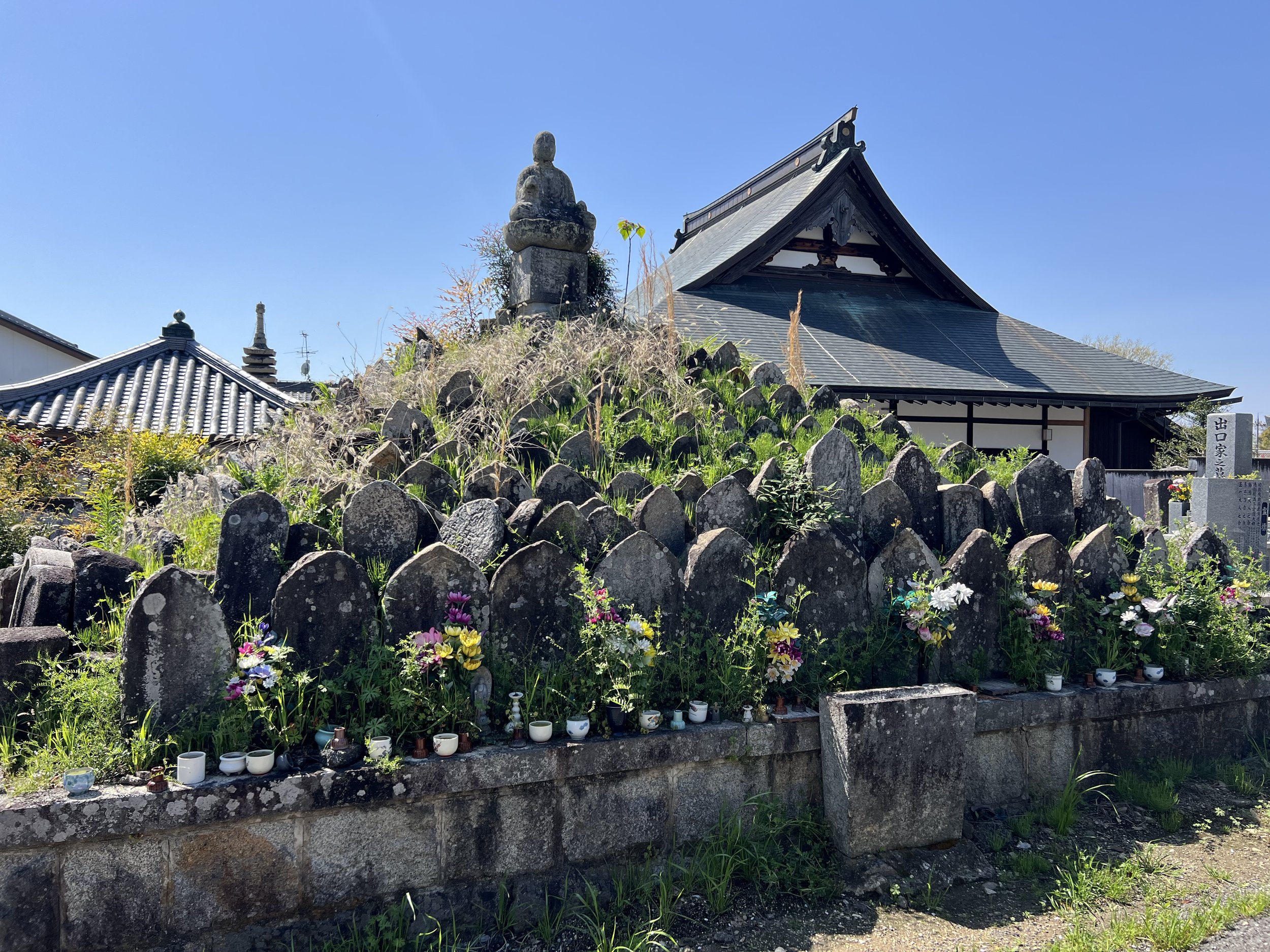
I was starting to get a little tired and preferred to save my energy for the rest of the hike. However, it's possible to make short detours to visit other shrines and temples (such as Oyamato-jinja Shrine) and stroll through the moated settlements of Kayo and Takenouchi. A little after passing by Yatogi-jinja shrine (夜都岐神社), there will be an incline section taking you in the mountain followed by a descent and a flat path through the forest to Isonokami-jinju shrine.
Explore Isonokami Jingu Before Reaching Tenri Station
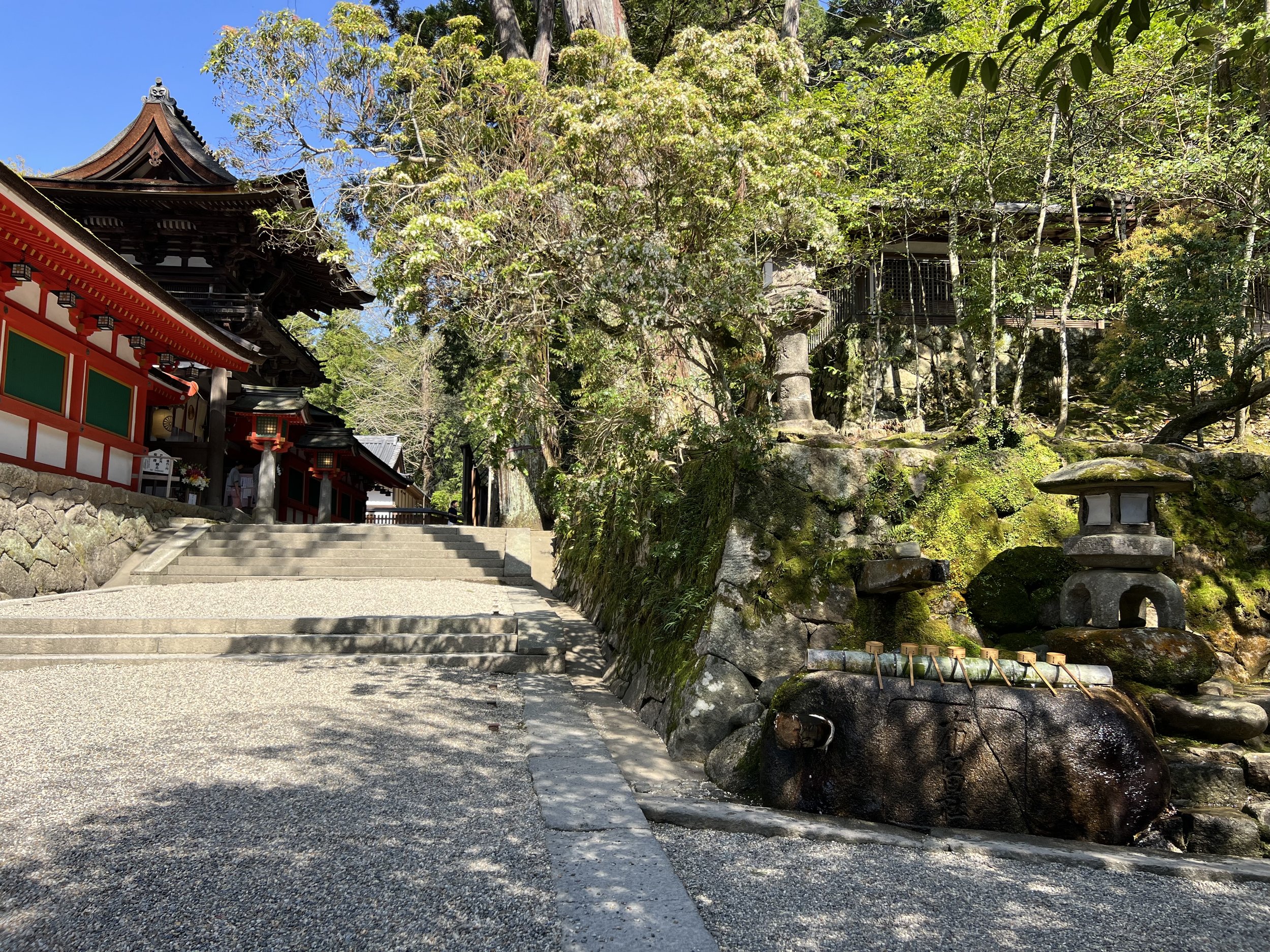
Isonokami Jingu Shrine (石上神宮) is an important shrine, deeply revered by several generations of emperors, and one of the two starting points for the Yamanobe no Michi Trail. It is known for housing several legendary weapons in its treasure repository, and visitors can find unique sword-themed amulets and goshuin. The shrine has a serene and sacred atmosphere, but a funny and unique thing I had never seen at any other shrine was the presence of plenty of chickens freely roaming around!
After having walked 16km since I started in the morning, it was the perfect place to take a break before the last part of this walk to the train station.
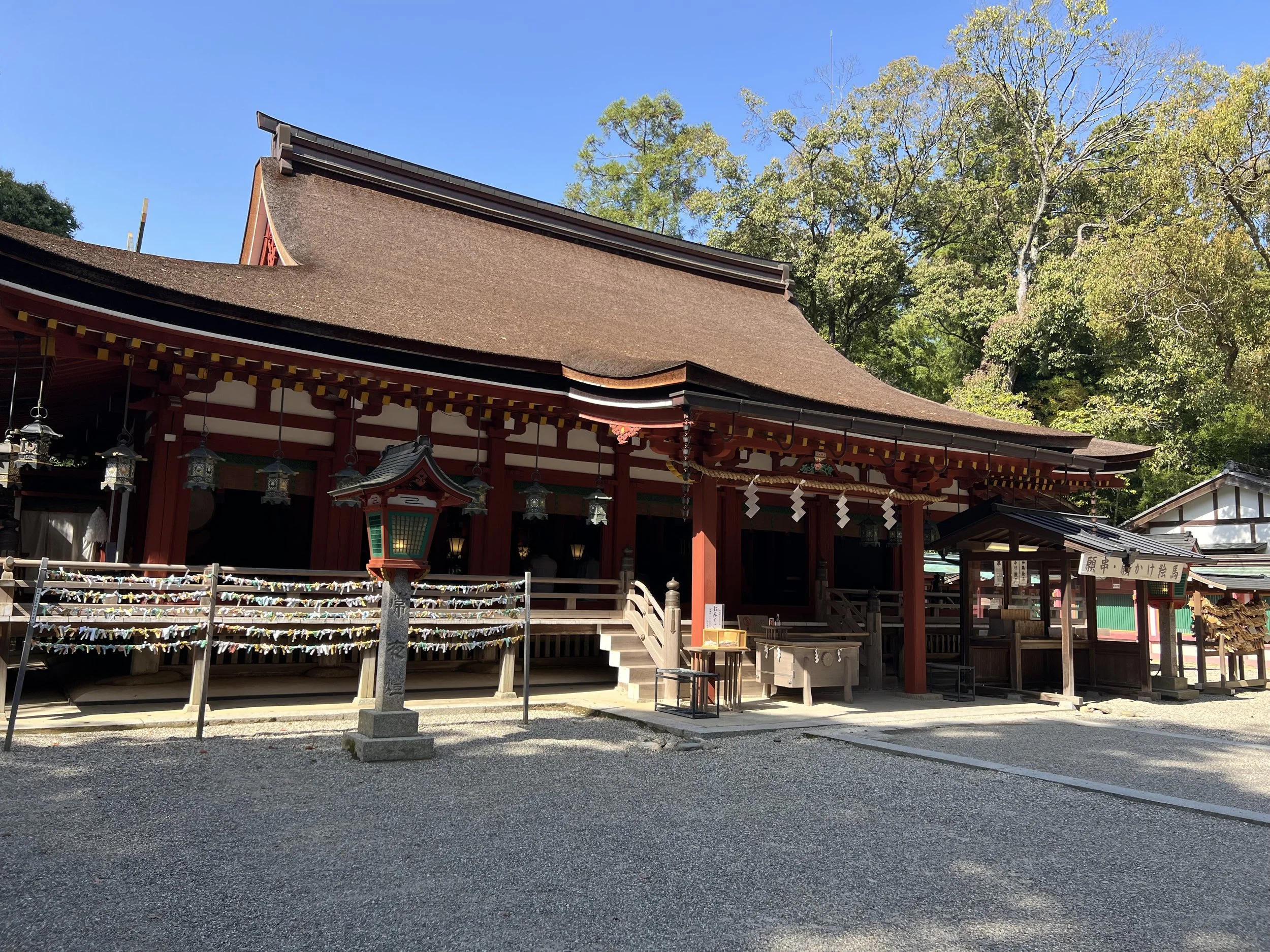
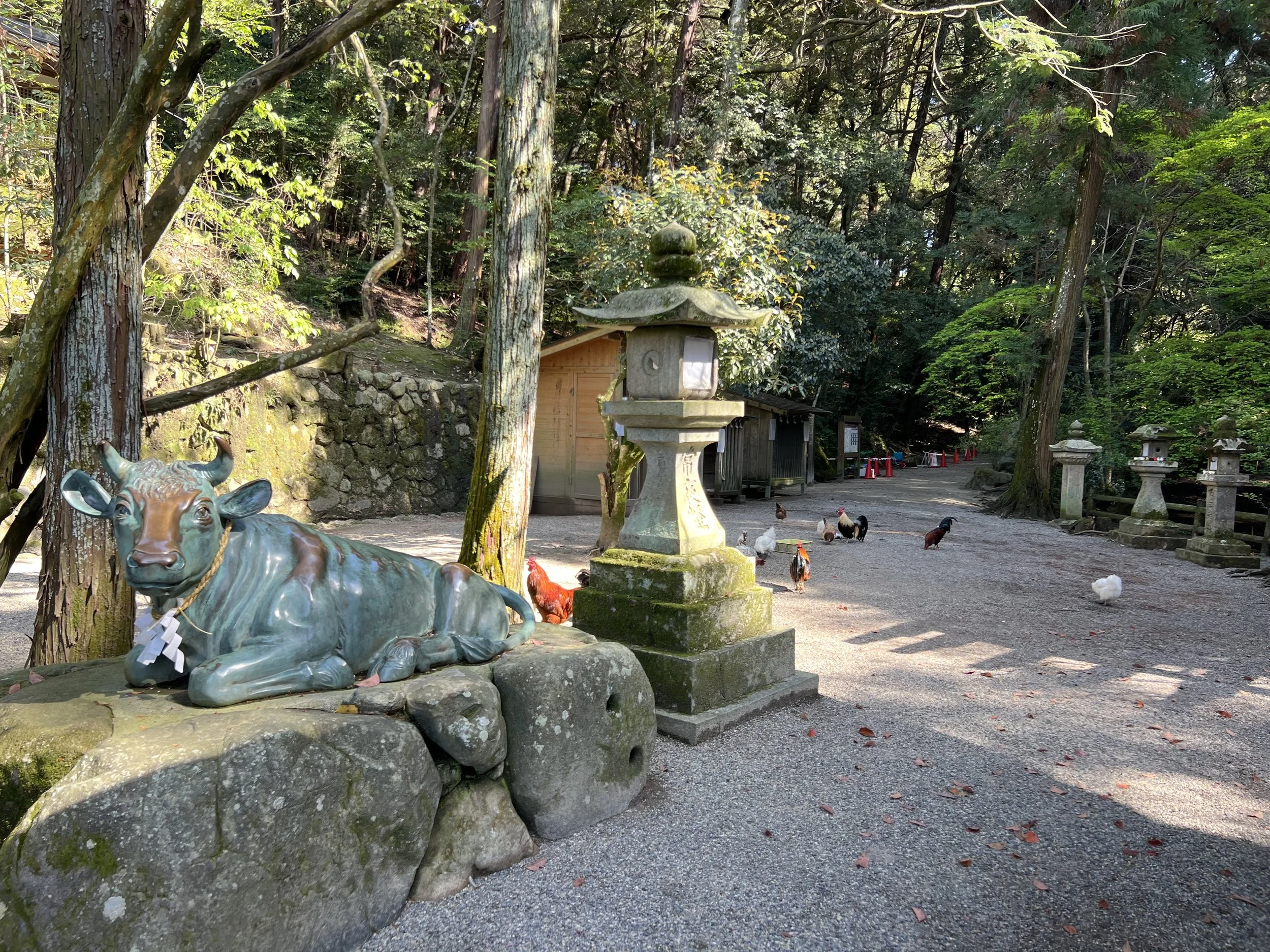
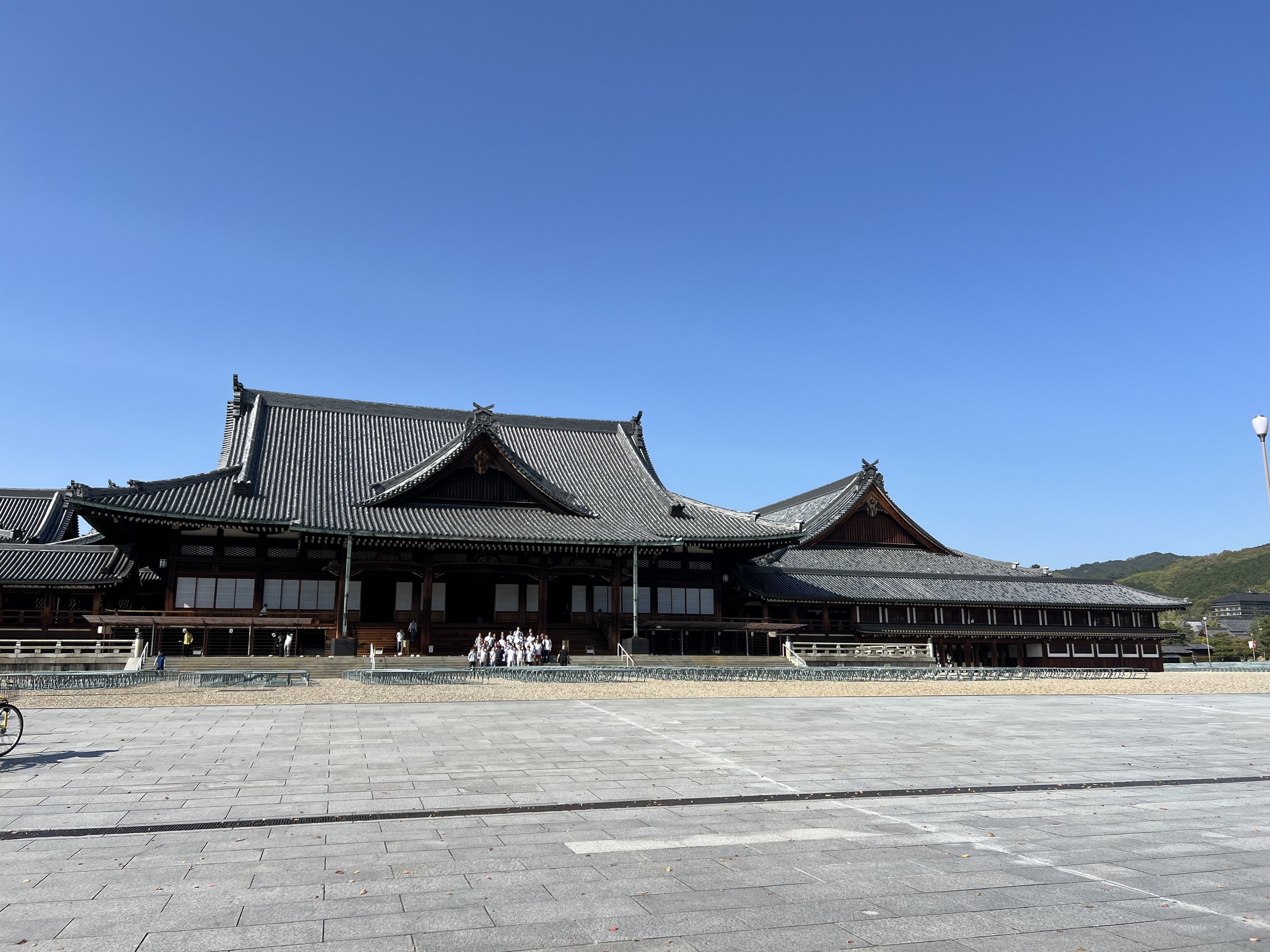
Once ready, I headed towards Tenri station, about 2km from Isonokami Jingu shrine. Along the way, you pass a huge religious complex, the headquarters of the Tenrikyo Church (天理教 教会本部), a monotheistic church of Shinto origin founded in the 19th century. The walk then continues along Tenri Hondori (天理市本通り商店街), a shopping street with a Showa-era atmosphere full of shops selling religious items. Many shops were closed when I was there, but I also saw a few souvenir shops, as well as small cafes and restaurants. I didn’t want to miss my train and was running low on energy, but while strolling through this shotengai, I was certain that if I had taken my time, I would have found some unique gifts and souvenirs.
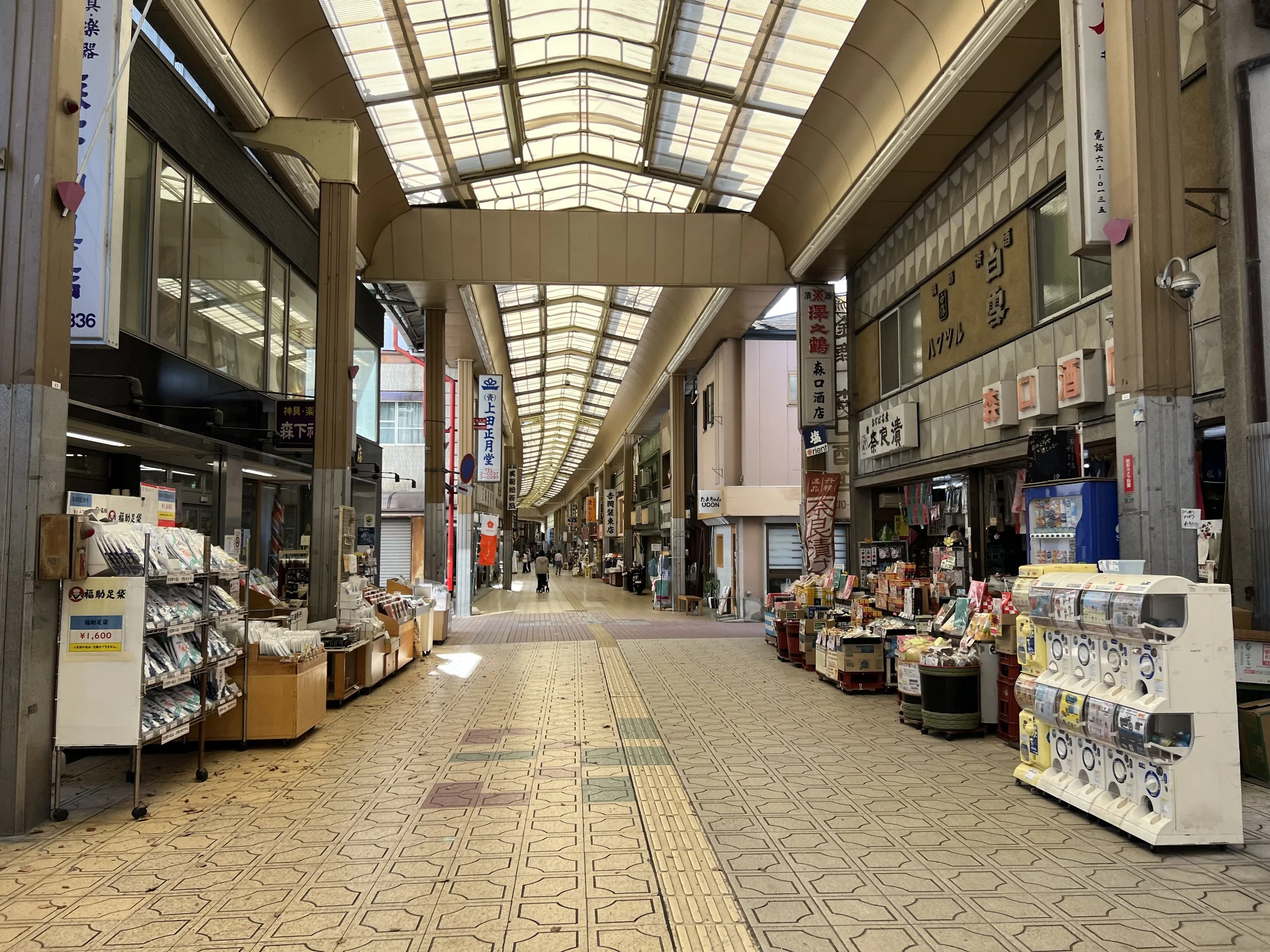
Arriving at Tenri Station, I took the Kintetsu line towards Nara. To give you an idea of the total duration, I arrived at Sakurai Station around 9:00am and at Tenri station a little before 4:00pm, so it took me approximately 7 hours to complete this hike, taking my time to discover many places along the Yamanobe no Michi Trail and appreciate the beauty of the scenery and the atmosphere.
Hiking Tips to Know Before Doing the Yamanobe Michi Trail
Spring and autumn are ideal to visit to enjoy seasonal colors. Even though I visited after the cherry blossom peak (on April 11, 2026 for reference), I could picture how beautiful the sakura were just a few days before.
Don’t forget to bring cash with you (including small notes and coins). You’ll need coins in particular if you plan to buy any snacks from one of the unmanned stalls.
The hike can be done starting from either Sakurai or Tenri. I was very happy I chose to start from Sakurai and go to Tenri, but I think both starting points work well.
Make sure to visit the information center in Sakurai (or Tenri) to pick up a hiking map. The one I got was really useful: it showed the distances and approximate times between the main points of interest, and also provided information on the major tourist sites. You can also find this same map here.
Restrooms can be found along the trail at regular intervals, as well as vending machines.
Remember the kanjis 山辺の道, as you’ll encounter signs at numerous occasions. There are also regular signs in English, so it’s easy to follow the trail.
Plan a full day for this hike. I’d recommend allowing between 5 to 7 hours, depending on how much time you spend at each temple, shrine, or simply admiring the scenery. Despite its total distance (16-17 km), it's an easy hike, suitable for beginners, with minimal elevation gain (only a few short, steep climbs) and sections of trail alternating between dirt and paved paths. And if you find it too long, a good thing is that you could also stop earlier, as there are 4 train stations parallel to the trail between Sakurai and Tenri.
There are a few restaurants and cafés along the trail where you can stop for lunch, but I would recommend to bring water and snacks with you just in case.
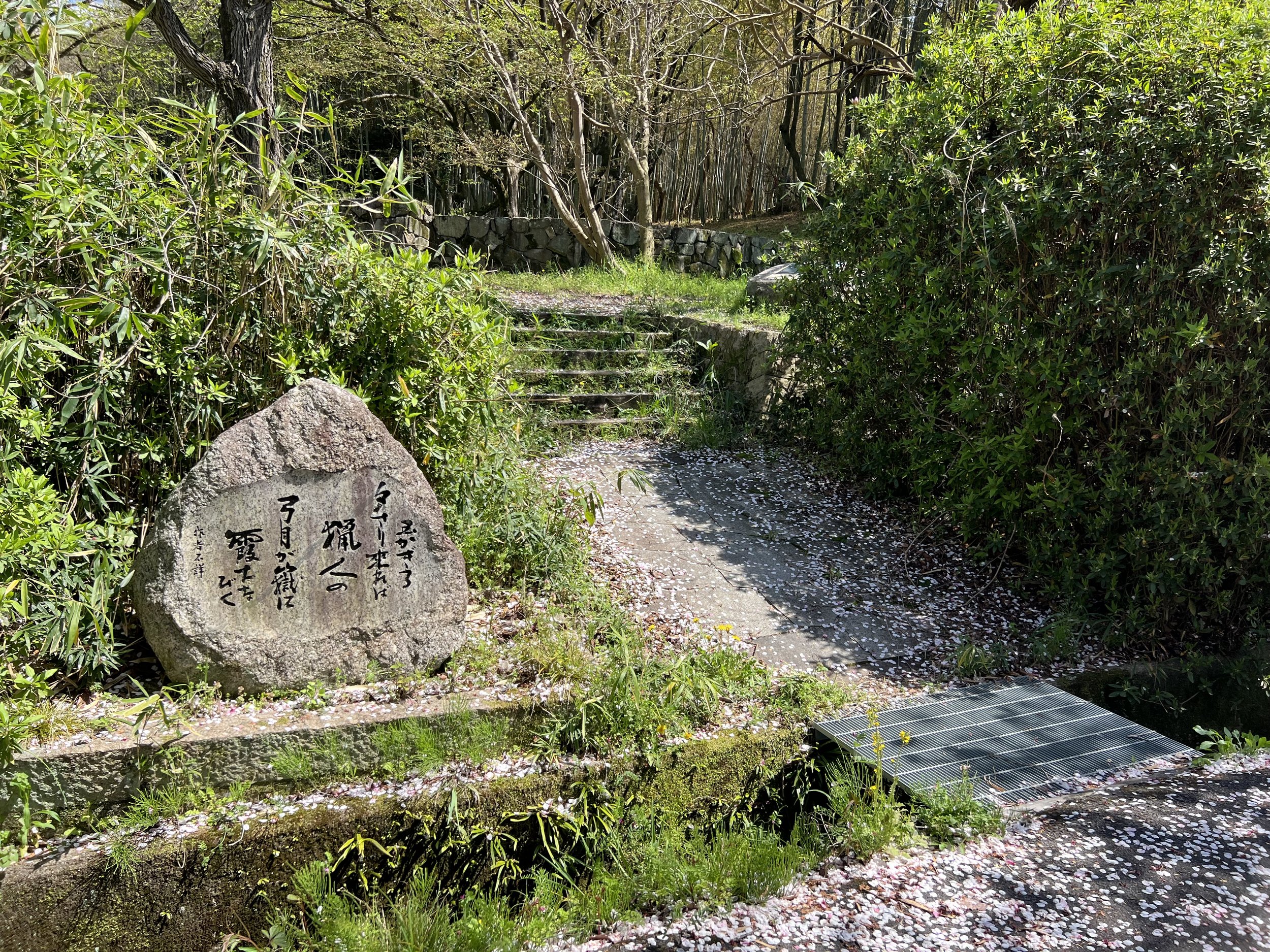
Pay attention to the stone monuments adorned with poems. It’s one of the specificities of this hike. All along the way, you will find stone markers bearing poems (if you have a map, you can consult the translation as you go).
To Conclude
The Yamanobe no Michi trail is one of the most underrated hikes in the Kansai region (and perhaps even in all of Japan). Combining ancient history, sacred shrines and peaceful countryside scenery, it offers a completely different experience from the area's more famous attractions like Nara Deer Park. If you enjoy discovering lesser-known destinations and exploring beyond the usual tourist route, I highly recommend setting aside a day for this memorable walk along one of Japan's oldest roads.
Interested in exploring more hiking trails in Japan? Be sure to check out my other hiking guides for inspiration for your next adventure.
Found this article helpful? Buy me a coffee. 😊
Want to stay in touch? Subscribe to my monthly newsletter (with latest articles, updates, travel tips and more...) delivered straight to your inbox. 📩
Some of the links in this Yamanobe-no-Michi Hike guide are affiliate links. At no extra cost to you, I may earn a small commission when you click on them and make a purchase. And if you do, thanks for your support! Purchasing through these links is a great way to support Travely Notes, as this helps with the costs of running my blog.

A day trip from Tokyo that should be of particular interest to hiking enthusiasts is Nokogiriyama in Chiba Prefecture. It concentrates many things to see and do: a ferry crossing of Tokyo Bay, a nature hike, beautiful views, a dose of culture and history, the largest Buddha statue in Japan and a ropeway.